

Celery, with its distinctive crisp texture and subtly earthy, slightly peppery flavor, is a versatile workhorse in kitchens worldwide. It brings an unparalleled crunch to salads, a refreshing hydration to snacks, and an aromatic depth to countless cooked dishes. However, there are many reasons you might be searching for a suitable celery substitute. Perhaps you have a dietary restriction, an allergy, or simply aren’t a fan of its unique taste. Maybe you’ve run out of celery, or you’re eager to experiment with new flavors and textures in your tried-and-true recipes.
Whatever your motivation, your culinary creativity doesn’t have to be stifled! This comprehensive guide will introduce you to 12 incredible celery substitutes that can perfectly fill its role, whether you need to replicate its signature crunch, its subtle flavor, or both. Get ready to elevate your cooking with these delicious and adaptable alternatives!

From other crisp vegetables to aromatic herbs and unique roots, you are sure to discover a celery replacement that perfectly fits your specific recipe needs and delights your palate!
Table of Contents
- Celery’s Essential Role in the Kitchen
- Asparagus: A Tender and Grassy Alternative
- Bok Choy: Crisp and Mildly Bitter
- Carrots: Sweetness and Versatile Texture
- Celeriac: The Earthy Celery Root
- Cilantro: A Burst of Fresh, Citrusy Flavor
- Cucumber: Cool, Hydrating Crunch
- Fennel: Anise-Kissed Crispness
- Green Bell Pepper: Mild and Vibrantly Fresh
- Jicama: The Sweet and Crunchy Root
- Leeks: Gentle and Aromatic
- Parsley: Fresh Herbaceous Notes
- Water Chestnuts: The Ultimate Crunch
- FAQs: Your Questions on Celery Substitutes Answered
Celery’s Essential Role in the Kitchen
Though sometimes overshadowed by more vibrant vegetables, celery is an indispensable ingredient for many cooks. Its culinary contributions are diverse, ranging from its textural impact to its unique flavor profile. Raw celery offers an unmistakable crispness and high water content, making it a refreshing addition to salads like the classic Waldorf, a perfect vehicle for dips, or a satisfying crunch in sandwich fillings. When cooked, celery softens, transforming into an aromatic base that enriches the flavor of stews, soups, and sauces. It’s a foundational element in the French mirepoix (along with onions and carrots) and the Cajun holy trinity (with onions and bell peppers), where its earthy, slightly peppery, and herbaceous notes lend depth and complexity to slow-cooked dishes.
Understanding whether your recipe primarily relies on celery for its crunch, its hydrating freshness, or its aromatic contribution is key to selecting the best alternative. This guide considers these various roles, offering substitutes that excel in different aspects.
Asparagus: A Tender and Grassy Alternative
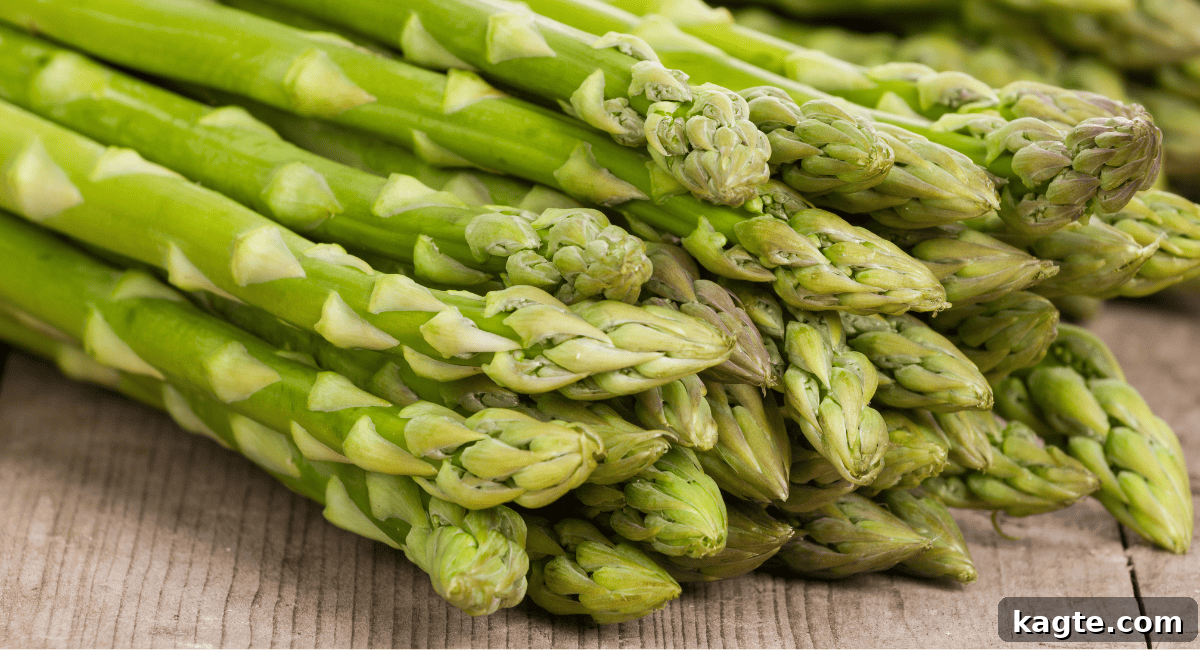
When your recipe calls for celery to be lightly cooked or used as a tender, somewhat grassy-flavored addition, asparagus makes an excellent and elegant substitute. Its slender, vibrant spears offer a delicate texture and a distinct, slightly earthy and fresh taste that pairs wonderfully with a variety of dishes. Asparagus works beautifully in light pasta dishes, adding a tender bite and subtle flavor, or incorporated into omelets and frittatas for a touch of green and a pleasant texture. While it won’t replicate the raw crunch of celery, cooked asparagus provides a satisfying mouthfeel that won’t overpower other ingredients. For recipes requiring celery to be finely diced and lightly sautéed, simply chop asparagus into similar small pieces to ensure even cooking and a consistent texture.
Bok Choy: Crisp and Mildly Bitter
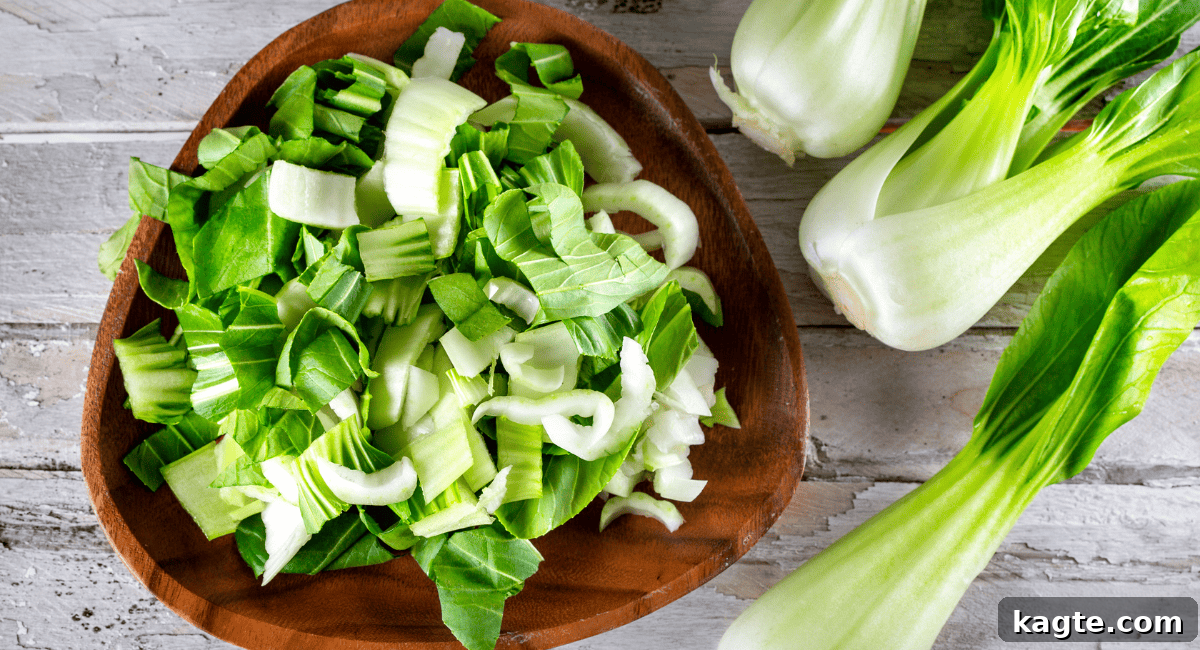
For dishes that benefit from a satisfying crunch and a subtle, slightly bitter note that can be reminiscent of celery, bok choy is a fantastic choice. This versatile Asian green features crisp white stalks and tender dark green leaves. The stalks, in particular, provide a wonderful textural resemblance to celery, retaining a delightful bite even after being cooked. This makes bok choy an ideal ingredient for stir-fries, where its texture holds up well amidst other vegetables and proteins. It can also be finely chopped and added to soups or stews, contributing substance and a fresh, mild flavor without dominating the overall profile. Beyond these, consider using bok choy as a filling in dumplings or spring rolls for an authentic Asian-inspired variation, offering both crunch and delicate flavor.
Carrots: Sweetness and Versatile Texture
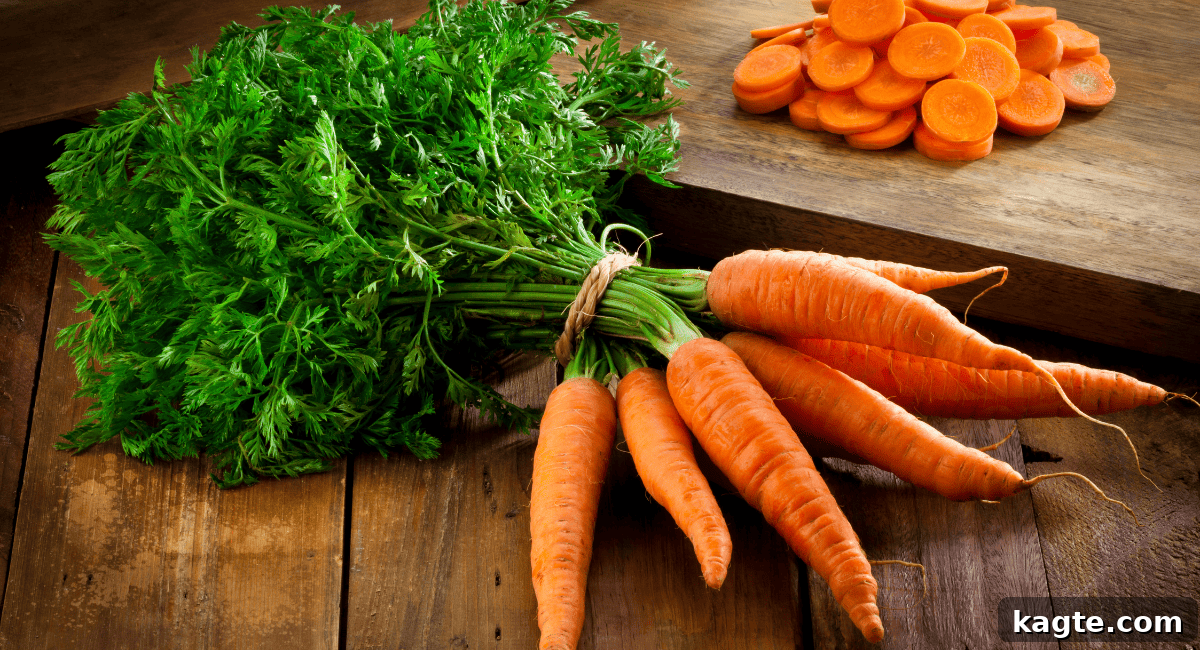
While carrots introduce a distinct sweetness that celery doesn’t possess, their firm texture and vibrant color make them an excellent and widely available substitute, especially in cooked applications. In many foundational aromatic bases like mirepoix, carrots are already a key component alongside celery. Therefore, increasing the quantity of carrots or using them as a direct substitute for celery is a natural and effective swap. Diced carrots soften to a tender, pleasant consistency when cooked in soups, stews, and braises, contributing body and a mellow sweetness that beautifully enhances savory flavors. For raw applications, matchstick carrots or finely grated carrots can provide a lovely crunch in salads and slaws, though the flavor profile will be noticeably sweeter. Adjust the quantity according to your desired level of sweetness and color contribution to the dish.
Celeriac: The Earthy Celery Root
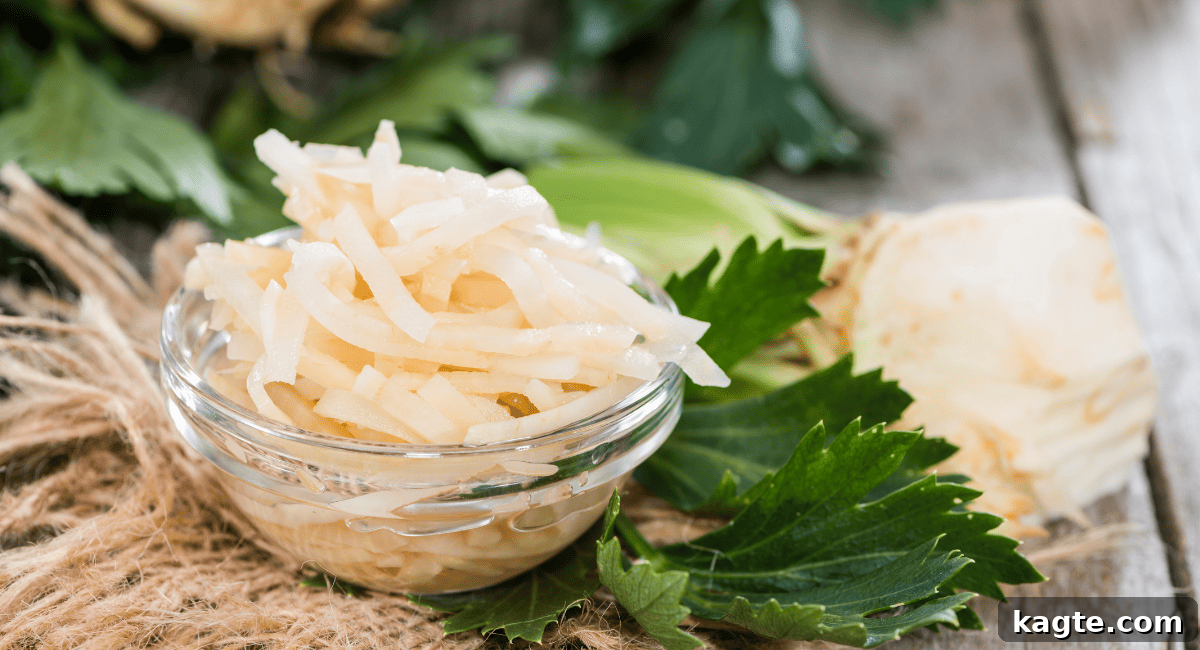
If your primary goal is to replicate the fundamental essence of celery’s flavor, celeriac (also known as celery root) is hands down your best option. This unassuming, knobby root vegetable offers a concentrated, earthy, and nutty flavor with strong, unmistakable notes of celery. This makes it an ideal choice for a celery-free mirepoix or as a main vegetable in its own right, delivering that signature aromatic depth. Its firm, starchy texture allows it to hold up exceptionally well to various cooking methods. Celeriac can be roasted to tender perfection, mashed into a creamy, flavorful side dish, or finely diced and added to soups and stews, where it imparts a deeply unique and sophisticated earthy flavor. For salads, finely shaved celeriac offers a crisp, refreshing bite with that intense, aromatic celery presence.
Cilantro: A Burst of Fresh, Citrusy Flavor
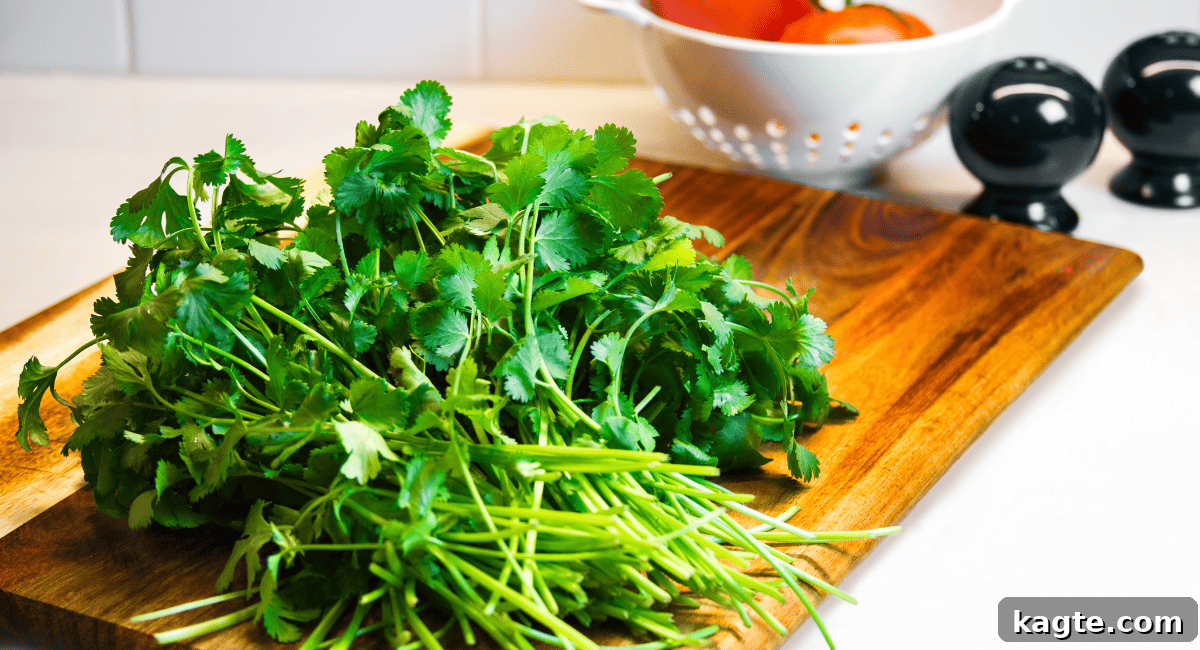
While cilantro doesn’t offer the textural crunch or bulk of celery, its bright, zesty, and distinctly citrusy flavor profile can introduce a similar refreshing herbaceousness to your recipes. It’s particularly effective where raw celery is used primarily for its fresh flavor rather than its structural contribution. Finely chopped cilantro is an excellent addition to fresh salads, vibrant salsas, creamy guacamole, and a wide variety of Asian-inspired dishes where a lively, clean finish is desired. It’s important to note that cilantro has a very distinctive flavor that some people perceive as soapy, so use it judiciously and consider personal preferences. When substituting for celery, focus on recipes where celery’s aromatic qualities are paramount, and cilantro can provide a unique and delightful aromatic twist, especially in cold applications and as a fresh garnish.
Cucumber: Cool, Hydrating Crunch
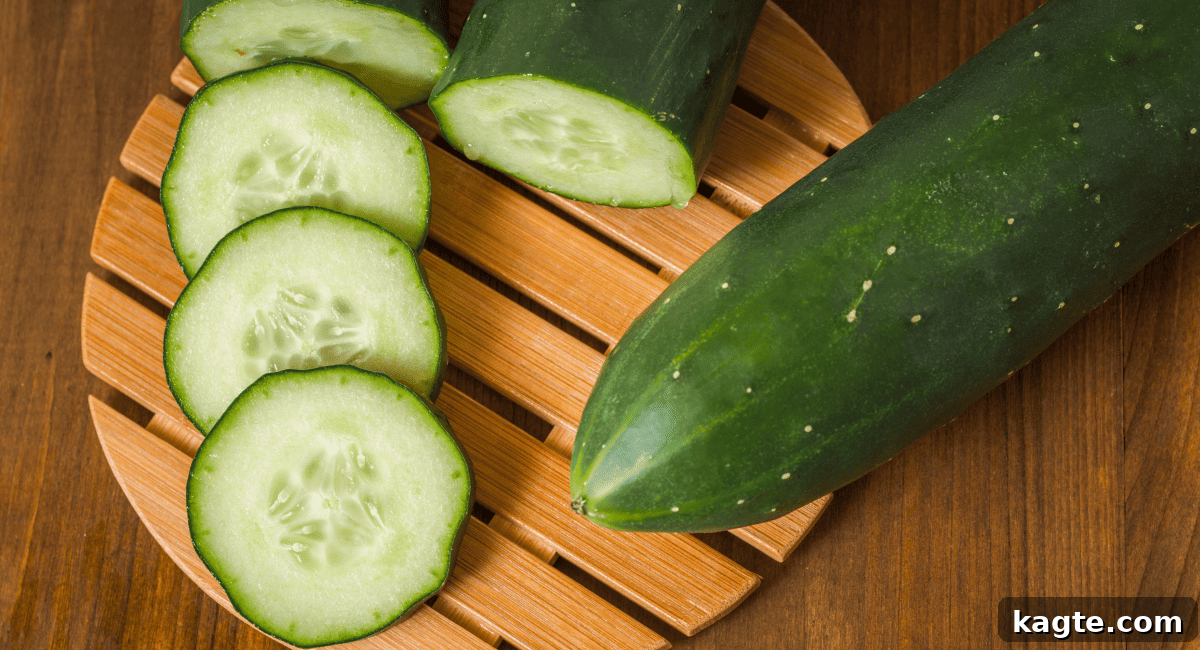
For recipes that primarily call for celery’s refreshing crispness and high water content, cucumber makes an exceptionally good stand-in, particularly in raw and cold preparations. Its cool, watery texture and incredibly mild flavor perfectly mimic the hydrating crunch that celery provides in fresh salads, garden sandwiches, and as a low-calorie dippable snack. Diced or sliced cucumber brings a fresh, clean taste to your meals and beautifully complements creamy dressings, savory dips, and yogurt-based sauces. While it lacks celery’s distinctive savory or earthy notes, its ability to deliver a satisfying, juicy crunch without overpowering other ingredients makes it a superb choice for dishes where texture, hydration, and a neutral, fresh flavor are paramount. For best results, opt for English or Persian cucumbers, which typically have fewer seeds and thinner, more palatable skins.
Fennel: Anise-Kissed Crispness
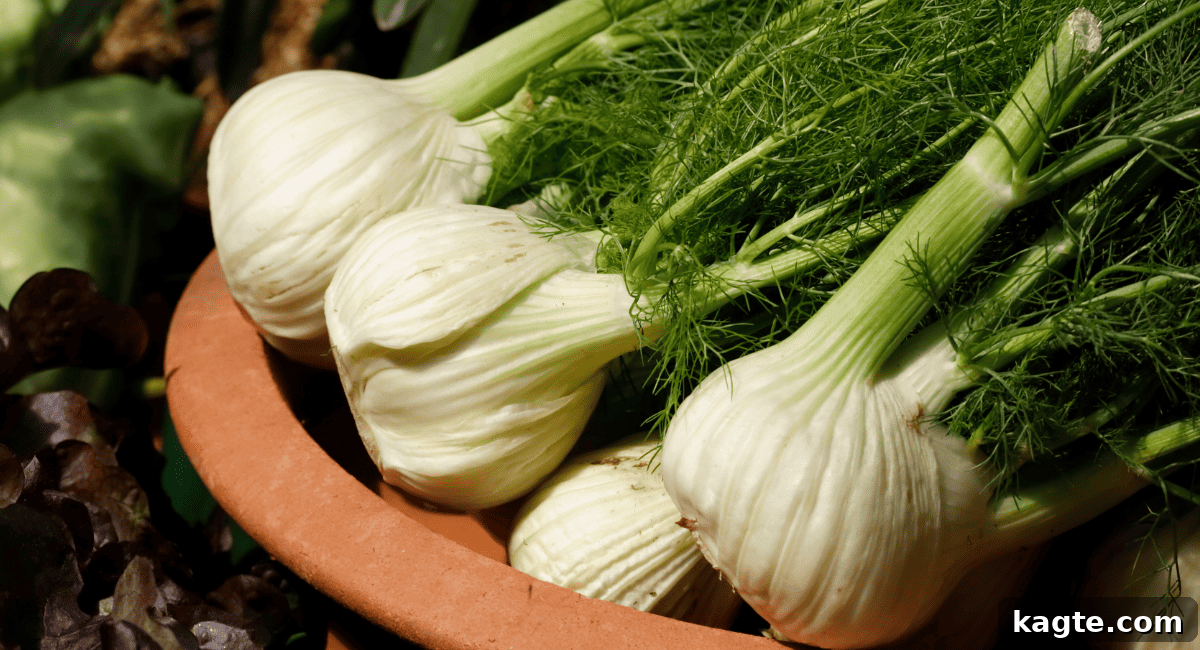
Fennel offers a remarkable combination of crunchy texture and a distinct, yet mild, licorice or anise-like flavor, making it a surprisingly effective and sophisticated celery substitute. When thinly sliced, the crisp white bulb of the fennel plant retains a satisfying crunch that is very similar to raw celery, adding a delightful textural element to vibrant salads and slaws. In cooked applications, such as soups, stews, or roasted dishes, fennel mellows significantly. It loses most of its strong anise flavor and develops a sweet, tender profile that can beautifully complement and enhance other ingredients, adding a unique aromatic dimension. Its delicate fronds can also be used as a fresh, flavorful garnish. When using fennel, consider if its unique flavor profile will enhance or subtly shift your dish; for many, it adds an exciting new layer of complexity.
Green Bell Pepper: Mild and Vibrantly Fresh
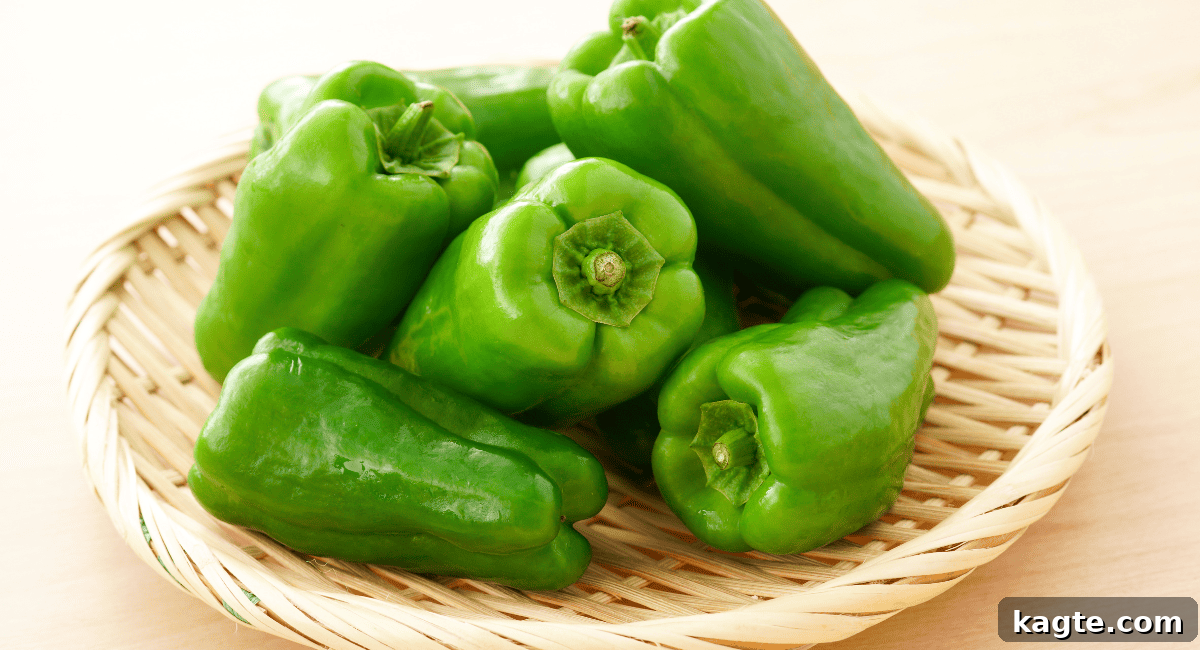
For recipes where celery contributes a mild, slightly bitter-green flavor and a satisfying crunch, particularly in cooked dishes, green bell pepper makes an excellent and visually appealing substitute. It offers a fresh, somewhat vegetal taste that doesn’t overpower other ingredients, along with a firm texture that holds up well during cooking without becoming mushy. Diced green bell peppers integrate seamlessly into stir-fries, hearty casseroles, robust pasta sauces, and foundational mixtures like the Cajun holy trinity, where it’s already a traditional component. Beyond its textural and flavor contributions, the vibrant green color adds a lovely aesthetic appeal and a touch of freshness to your dishes. While it lacks the fibrous stringiness of celery, its ability to provide bulk, a gentle green note, and a pleasant crunch makes it a reliable replacement.
Jicama: The Sweet and Crunchy Root
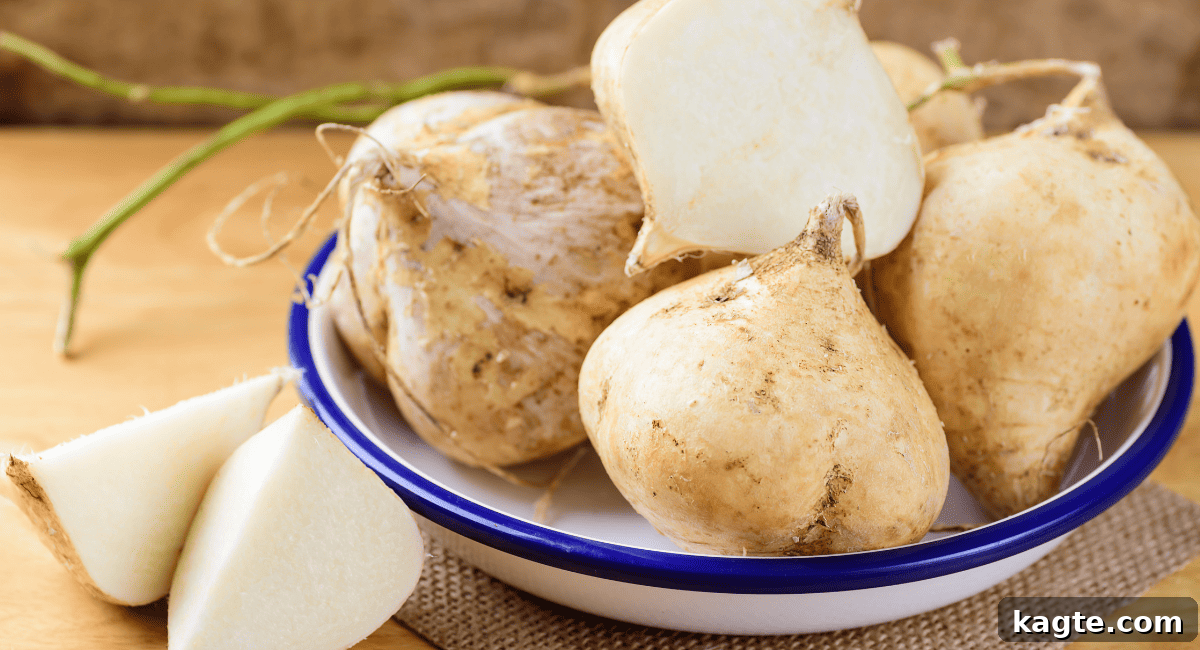
Known for its exceptional crunch and mildly sweet, slightly nutty flavor, jicama is a stellar celery substitute, especially when aiming for raw applications where texture is paramount. This appealing root vegetable provides an incredibly satisfying crispness that persists even when finely diced or julienned, making it a fantastic addition to fresh salads, vibrant slaws, and refreshing fruit or vegetable salsas. Its mild flavor ensures it won’t detract from or compete with other ingredients, instead adding a refreshing, almost apple-like sweetness that brightens the dish. While less commonly used in cooked dishes as a direct celery replacement, its ability to absorb flavors means it can be versatile. Slice jicama into sticks for dipping with hummus or guacamole, or dice it into stir-fries for an added textural pop that holds up beautifully, mimicking the crispness of cooked celery without its distinct earthy taste.
Leeks: Gentle and Aromatic

When the primary goal is to achieve a milder, subtly sweet, and aromatic onion-like flavor in cooked dishes, leeks are an outstanding substitute for celery. The white and light green parts of the leek offer a delicate sweetness and tenderness once cooked, making them perfect for building foundational flavors in soups, hearty stews, comforting casseroles, and savory pies. While they don’t provide the same crispness as raw celery, their cooked texture is soft and yielding, similar to cooked celery, adding a pleasant body to the dish. Leeks also contribute a gentle allium essence that can effectively bridge the flavor gap in aromatic bases like mirepoix if celery is missing. They can be sautéed and used as a flavorful topping for baked potatoes, incorporated into quiches, or used as a mild, sweet base for creamy vegetable soups.
Parsley: Fresh Herbaceous Notes
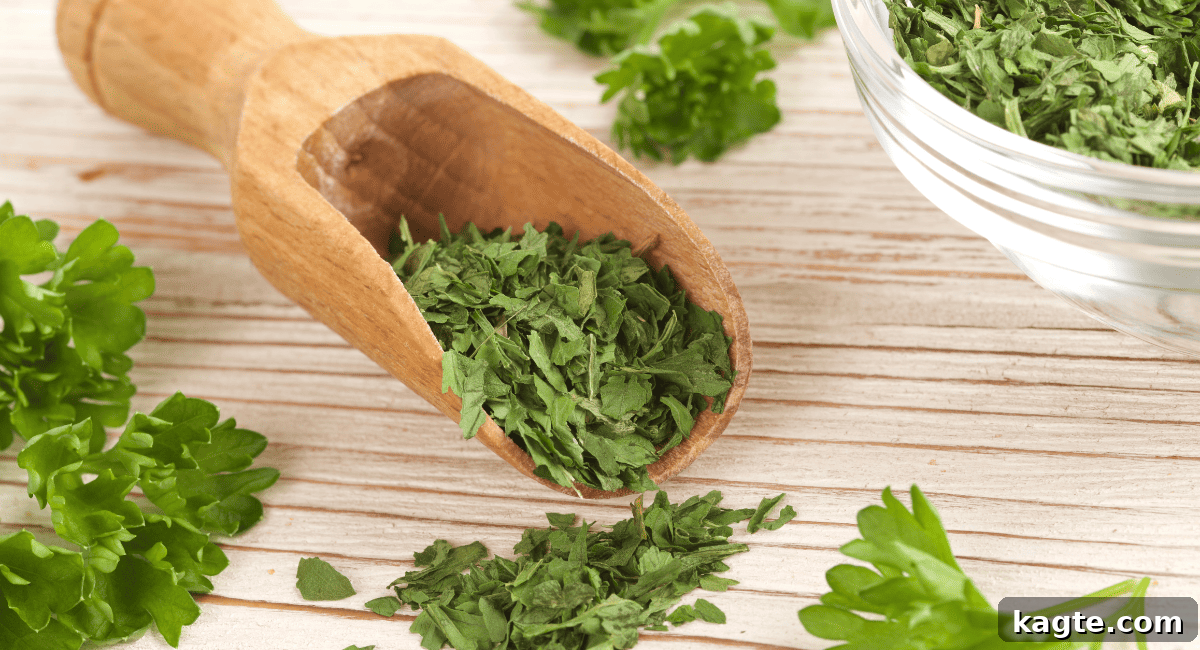
While parsley won’t replace celery’s crunch or significant bulk, it is an exceptional substitute when the recipe primarily calls for celery’s fresh, herbaceous, and slightly peppery flavor contribution, especially as a garnish or a bright finishing touch. Both flat-leaf (Italian) and curly parsley bring a clean, vibrant taste that can mimic some of celery’s aromatic qualities. Finely chopped parsley can be generously added to fresh salads, vibrant marinades, homemade dressings, and virtually any savory dish where a fresh green lift and a burst of clean flavor are desired. It pairs beautifully with a wide range of proteins and vegetables, enhancing the overall flavor profile without overpowering the main ingredients. Consider using parsley in dishes where celery is merely an aromatic accent or a light garnish, providing that necessary burst of freshness and verdant appeal.
Water Chestnuts: The Ultimate Crunch

If the primary reason celery is included in your recipe is for its unique, firm, and satisfying crisp texture, then water chestnuts are an unparalleled substitute. These distinctive aquatic vegetables are renowned for maintaining their incredible crunch even when subjected to cooking, making them ideal for stir-fries, various Asian-inspired dishes, and a multitude of salads where a textural contrast is highly desired. They offer a very mild, slightly sweet flavor that doesn’t compete with or detract from other ingredients, allowing them to blend seamlessly into complex flavor profiles while providing that essential, irresistible “pop” of texture. Available conveniently canned and usually pre-sliced, water chestnuts are incredibly easy to use. Simply drain, rinse thoroughly, and chop them to your desired size to replicate the delightful crunch of celery without its distinct earthy taste.
FAQs: Your Questions on Celery Substitutes Answered
Absolutely, celery adds significant flavor! Beyond its famous crunch and hydrating properties, celery contributes a distinct earthy, slightly bitter, and subtly peppery flavor to dishes. Its taste is often described as clean and fresh. In cooked dishes, it mellows into an essential aromatic base, while raw, it provides a crisp, refreshing element that enhances and balances other flavors, making it a vital component in many culinary traditions, notably the French mirepoix.
Celery serves multiple crucial purposes in cooking. Primarily, it provides essential textural contrast, especially its signature crispness in salads, slaws, and as a snack. Flavor-wise, it offers a distinctive aromatic base that deepens and enriches broths, sauces, and stews, and a fresh herbaceous note in cold dishes. Additionally, it contributes valuable vitamins and minerals, making it a healthy addition. Its versatility in both raw and cooked applications truly makes it a kitchen staple, providing both substance and subtle flavor enhancement.
For a flavor closest to celery in dried or concentrated form, celery seed is the most direct and effective choice. It offers a distinct, slightly bitter, and earthy taste very similar to fresh celery. You can also find ground celery salt, which is typically a blend of celery seed and salt, perfect for seasoning. While distinct, caraway seeds can sometimes offer a somewhat nutty and subtly bitter profile that might vaguely remind one of celery seed, especially when used sparingly in savory applications, and they also provide a mild crunch.
For a mirepoix, which traditionally includes onions, carrots, and celery, celeriac (celery root) is widely considered the absolute best flavor substitute for celery, as it carries a very similar earthy and intense celery-like flavor. If celeriac isn’t available, increasing the amount of onions and carrots, or adding finely diced green bell pepper or leeks, can provide a good aromatic foundation, although the overall flavor profile will shift slightly. The goal is to build a complex savory base.
When replicating the crispness and refreshing qualities of raw celery, cucumber and jicama are excellent choices. Cucumber provides a cool, watery crunch, while jicama offers a sweeter, apple-like crispness that’s incredibly satisfying. Thinly sliced fennel can also work wonderfully, bringing a unique anise note along with its crunch. For a more direct flavor replacement in cold salads, finely shaved celeriac is highly recommended for its intense celery-like aroma and crisp texture.
Whether you’re facing an empty crisper drawer, navigating dietary restrictions, or simply eager to explore new culinary horizons, these 12 celery substitutes offer a world of possibilities. Each alternative brings its unique set of textures and flavors, allowing you to adapt your recipes while ensuring delicious and satisfying results. Don’t be afraid to experiment with these options to find the perfect match for your dish and your palate. Happy cooking!
Follow me on Pinterest, Facebook & Instagram.
Shop my Amazon Storefront!