
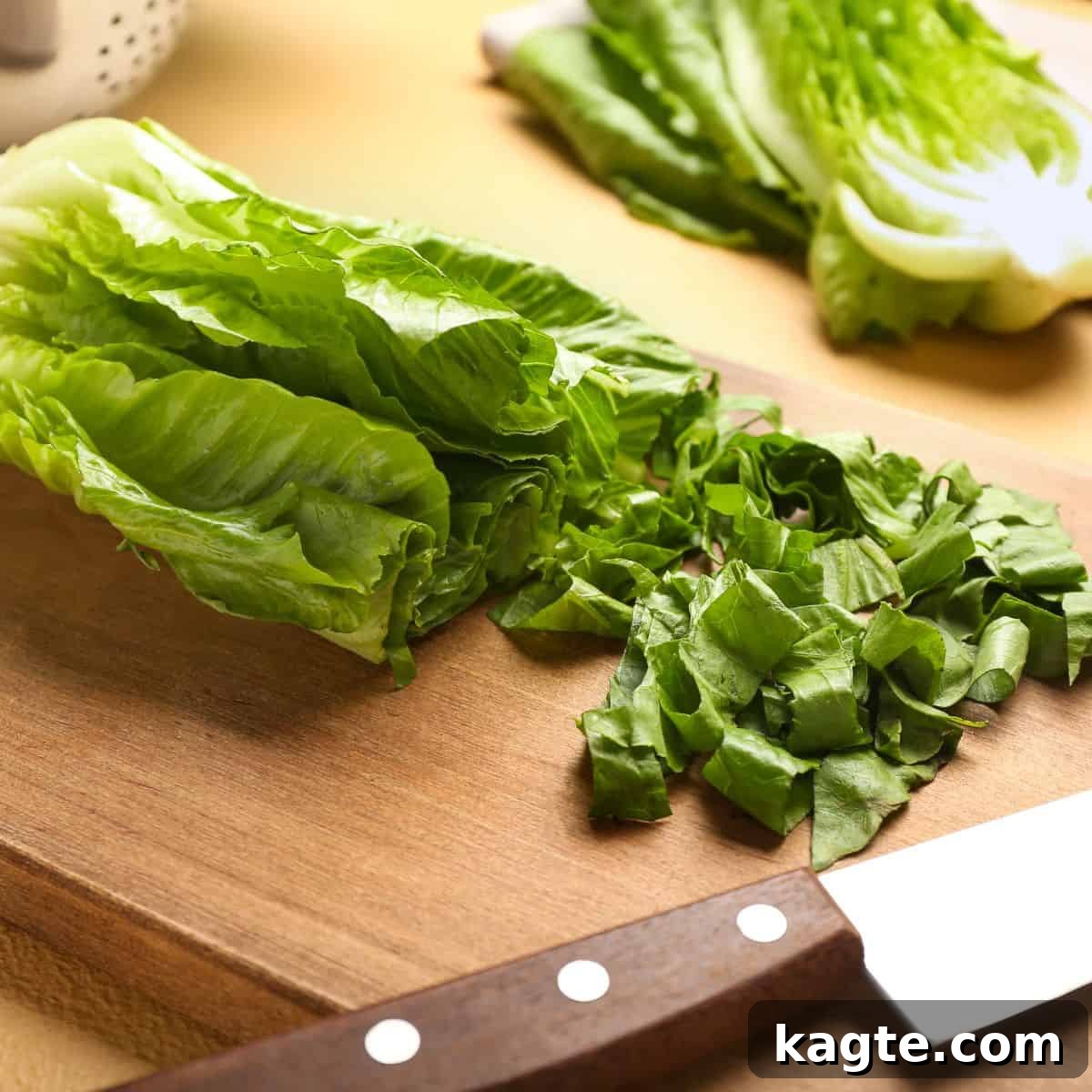
Welcome to the definitive guide on mastering how to cut romaine lettuce for salad, wraps, sandwiches, and much more! This simple yet effective method ensures every leaf is thoroughly rinsed and perfectly prepped, eliminating the annoyance of finding hidden bits of dirt or debris in your finished dish. Say goodbye to soggy salads and hello to crisp, clean greens that elevate any meal. Whether you’re a seasoned home cook or just starting your culinary journey, understanding the proper way to prepare romaine lettuce is a fundamental skill that will save you time, reduce waste, and enhance the flavor and texture of your dishes.
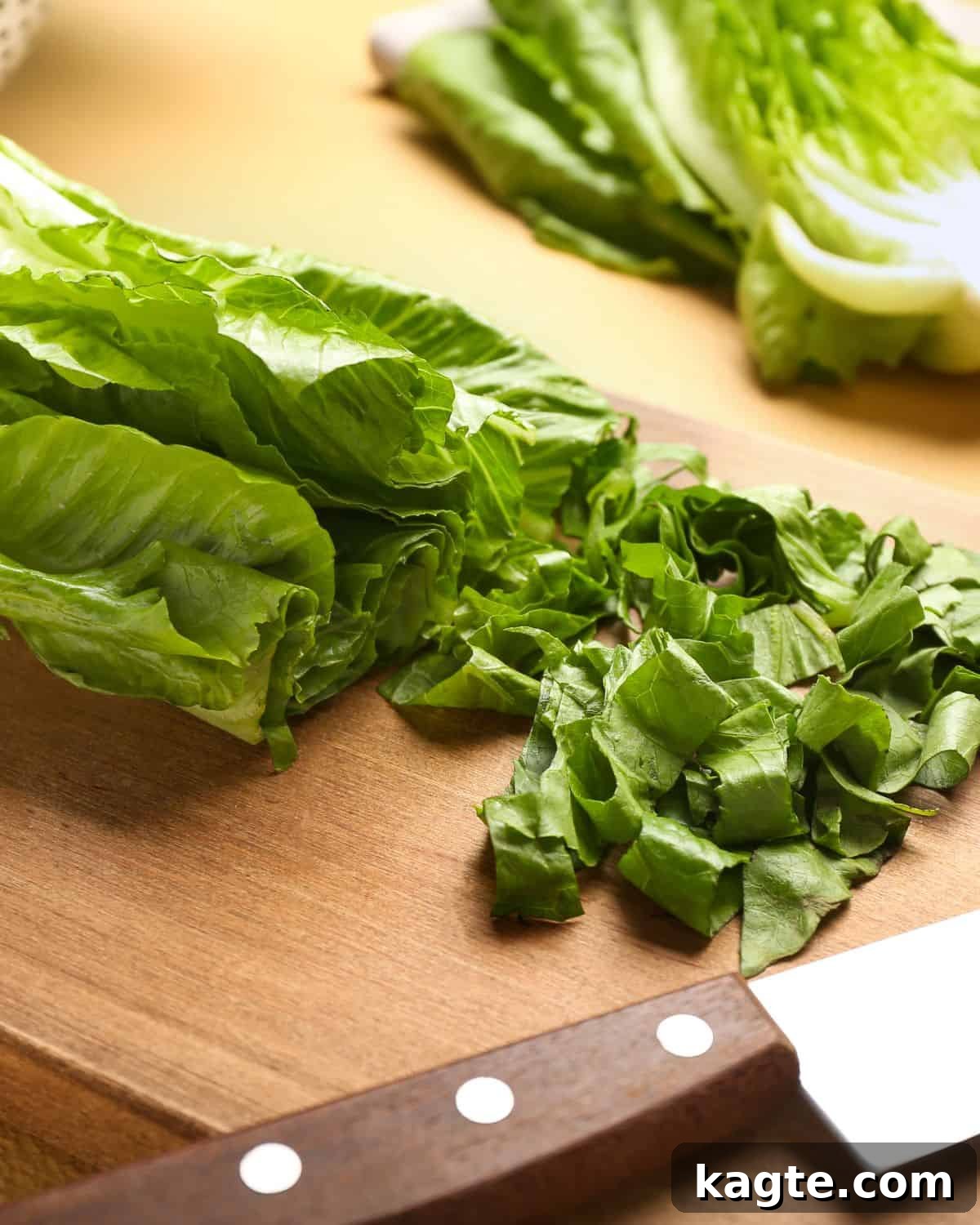
Romaine lettuce, with its vibrant green leaves and satisfying crunch, is an incredibly versatile leafy green. Once you master the technique of chopping it correctly, a world of culinary possibilities opens up. Beyond classic salads like Caesar or Greek, perfectly cut romaine can transform into delectable lettuce wraps, add a refreshing crunch to sandwiches and burgers, serve as a crisp base for tacos, or even lighten up noodle dishes. Prepping your romaine lettuce in advance not only streamlines your meal preparation throughout the week but also significantly increases the likelihood of using it before it has a chance to wilt or spoil, ensuring you enjoy every fresh bite.
Once you’ve honed your romaine cutting skills, you’ll be ready to tackle a variety of delicious recipes. Imagine crafting an Easy Caesar Salad with perfectly sized pieces of crisp romaine, or replicating the vibrant flavors of a Panera Greek Salad right in your own kitchen. The possibilities are truly endless, and it all begins with a perfectly prepped head of romaine.
Table of Contents
- What You’ll Master: The Core Learnings
- Why Romaine Lettuce is a Kitchen Staple
- Essential Tools for Perfect Romaine Prep
- Selecting the Best Romaine: A Quick Guide
- How to Cut Romaine Lettuce for Salad: Step-by-Step Guide
- Pro Tips for Perfect Romaine Lettuce
- Creative Recipes Featuring Chopped Romaine Lettuce
- Optimal Storage for Cut Romaine Lettuce for Extended Freshness
- Frequently Asked Questions about Romaine Lettuce
- Beyond the Salad Bowl: More Culinary Resources
- Romaine Lettuce Cutting Recipe Card
What You’ll Master: The Core Learnings
By following this comprehensive guide, you won’t just learn to chop lettuce; you’ll gain a deeper understanding of proper food preparation techniques. Here’s a breakdown of the key skills and knowledge you’ll acquire:
- Achieving Uniformity: Discover the secret to cutting romaine lettuce into consistently sized pieces. This isn’t just for aesthetics; uniform pieces ensure an even distribution of dressing, a balanced bite every time, and a more pleasant eating experience, especially in salads.
- Effective Rinsing and Drying: Learn a highly effective method for rinsing and drying romaine leaves that targets every crevice. This crucial step ensures that your lettuce is impeccably clean, free from soil, pesticides, and any other unwanted elements, without compromising its crisp texture.
- Extending Freshness: Understand the best practices for properly storing your prepped romaine lettuce. Proper storage is paramount for maintaining its crispness, flavor, and nutritional value for as long as possible, helping you minimize food waste and enjoy fresh greens throughout the week.
- Efficiency in the Kitchen: This method is designed to be quick and efficient, streamlining your salad preparation process. You’ll learn to handle romaine lettuce with confidence, saving valuable time during busy meal times.
- Versatility in Use: While the focus is on cutting for salad, you’ll implicitly learn how the size and shape of your romaine cuts can be adapted for various culinary applications, from wraps to garnishes.
Why Romaine Lettuce is a Kitchen Staple
Romaine lettuce (Lactuca sativa L. var. longifolia) is more than just a salad base; it’s a nutritional powerhouse and a culinary chameleon. Its elongated leaves, robust texture, and slightly bitter yet refreshing flavor make it a favorite for many. But what makes romaine so special?
- Nutritional Benefits: Romaine lettuce is packed with vitamins and minerals, including Vitamin K (essential for blood clotting and bone health), Vitamin A (for vision and immune function), Vitamin C (an antioxidant), and folate. It’s also a good source of dietary fiber, promoting digestive health, and contains antioxidants that combat free radicals. All this with very few calories, making it an excellent choice for health-conscious eaters.
- Crisp Texture: Unlike softer lettuces, romaine holds its shape and maintains its crunch even when dressed, making it ideal for robust salads that won’t wilt immediately. This characteristic also makes it perfect for applications where a sturdy leaf is needed, such as lettuce wraps.
- Mild Flavor Profile: Romaine’s flavor is generally mild and slightly sweet, with a hint of bitterness, which allows it to complement a wide array of dressings and ingredients without overpowering them. This makes it incredibly adaptable for various cuisines and flavor combinations.
- Versatility: From the iconic Caesar salad to modern healthy bowls, tacos, and sandwiches, romaine truly shines. It can be grilled for a unique smoky flavor, used as a low-carb alternative to bread, or simply enjoyed raw.
Essential Tools for Perfect Romaine Prep
While you can certainly cut romaine with just a knife and cutting board, having the right tools can make the process significantly easier, safer, and more efficient. Investing in these kitchen staples will elevate your salad preparation:
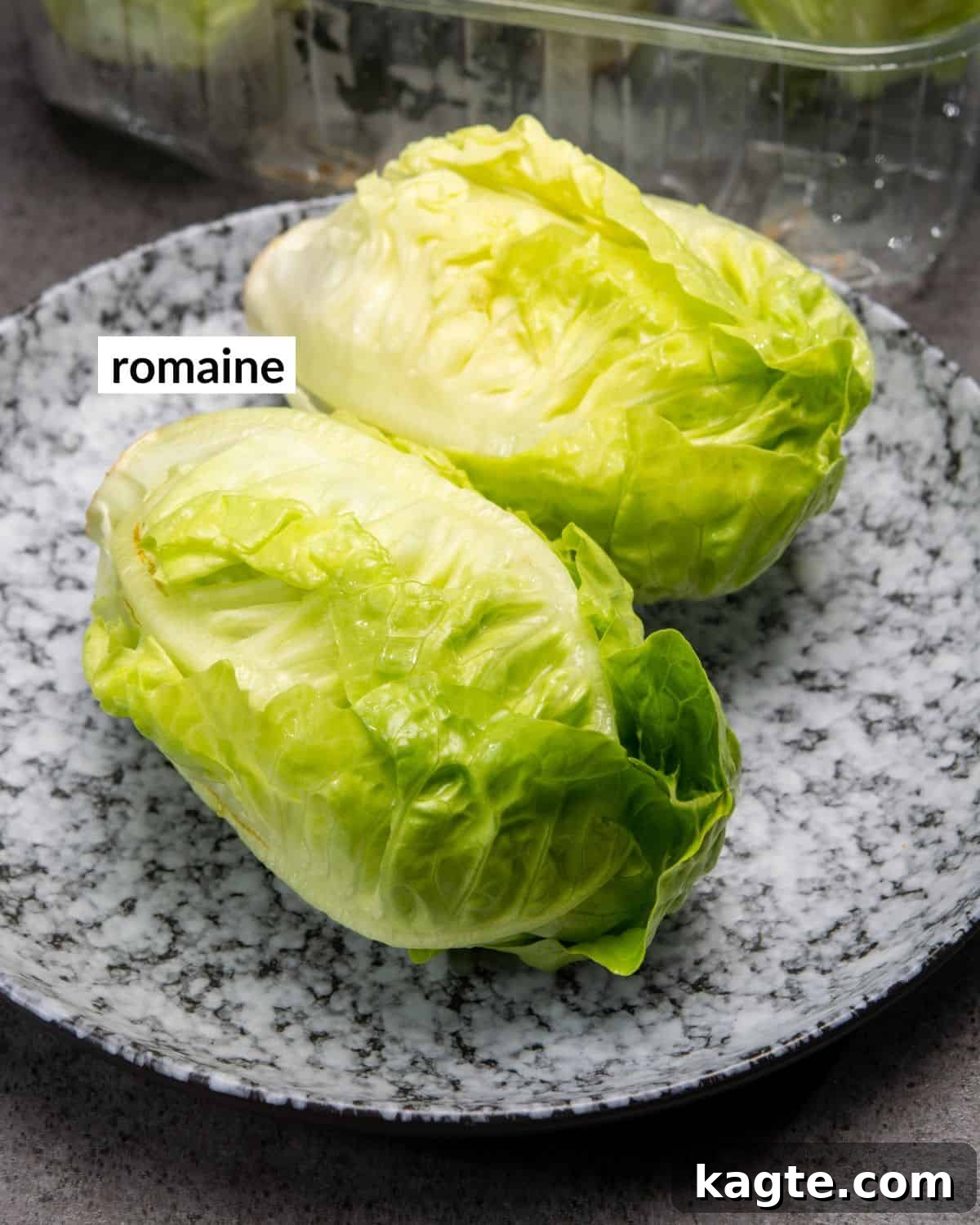
- Sharp Chef’s Knife: A high-quality, sharp 8-inch chef’s knife is your best friend in the kitchen. A sharp blade makes clean cuts, preventing bruising and tearing of the lettuce leaves, which can lead to premature wilting. It also makes the task safer as a sharp knife requires less force and is less likely to slip. If your knife isn’t sharp, take a moment to hone or sharpen it before you begin. For those looking to upgrade, consider a reliable 8-inch Chef’s Knife.
- Large Cutting Board: A stable, generously sized cutting board provides ample space for handling the entire head of romaine. This allows for safe and efficient chopping without pieces spilling onto your countertop. Opt for a non-slip board made from wood, bamboo, or high-density plastic. A large cutting board is truly indispensable for all your kitchen tasks.
- Salad Spinner: This might seem like an optional gadget, but a good salad spinner is invaluable for thoroughly drying your lettuce. Excess moisture is the enemy of a good salad, diluting dressing and accelerating spoilage. A spinner efficiently removes water, leaving your romaine perfectly crisp and ready to absorb dressing flavors. If you don’t have one, a high-quality salad spinner is a worthwhile investment.
- Colander: If you don’t have a salad spinner, a large colander can be used for rinsing. While it won’t dry the lettuce as effectively, it’s essential for the initial wash. You’ll then need to use paper towels or a clean kitchen towel to pat the lettuce dry.
Selecting the Best Romaine: A Quick Guide
The quality of your final dish starts with the quality of your ingredients. Choosing a fresh, healthy head of romaine lettuce is crucial for the best results. Here’s what to look for when you’re at the grocery store or farmer’s market:
- Vibrant Color: Look for leaves that are a bright, rich green, especially towards the tips. Avoid heads with excessive yellowing, browning, or wilting. The innermost leaves will naturally be paler, but the outer leaves should be robustly colored.
- Firm and Crisp Texture: Gently squeeze the head of lettuce. It should feel firm and heavy for its size. The leaves should appear crisp and snappy, not limp or rubbery. A healthy head will have a good amount of turgor (water pressure) within its cells.
- Avoid Blemishes: Check for any dark spots, holes, signs of insect damage, or sliminess. A few small imperfections on the outermost leaves are usually fine, as these will be discarded, but widespread damage suggests an older or poorly handled head.
- Intact Core: The base or core of the romaine should look fresh and clean, without excessive browning or signs of rot. A healthy core indicates the lettuce was recently harvested and properly handled.
- Unwashed Preference (for this method): For this specific cutting and washing method, it’s actually preferable to start with unwashed romaine. This allows you to remove outer leaves and chop the interior before a thorough rinse, ensuring all “nooks and crannies” get cleaned effectively.
How to Cut Romaine Lettuce for Salad: Step-by-Step Guide
This method focuses on achieving perfectly clean, uniformly chopped romaine every time. The key is to wash the lettuce *after* it’s chopped, allowing water to reach every surface and thoroughly rinse away any lingering dirt. Follow these steps for crisp, delicious results.
Quick Overview
- Inspect & Trim: Remove any damaged outer leaves.
- Section: Make lengthwise cuts, keeping the core attached for stability.
- Chop: Cut crosswise into desired sizes.
- Rinse & Dry: Thoroughly wash and spin dry.
Detailed Step-by-Step Instructions
Pro Tip: Always use cold water when rinsing lettuce to maintain its crispness and prevent wilting. Warm water can make lettuce go limp faster.
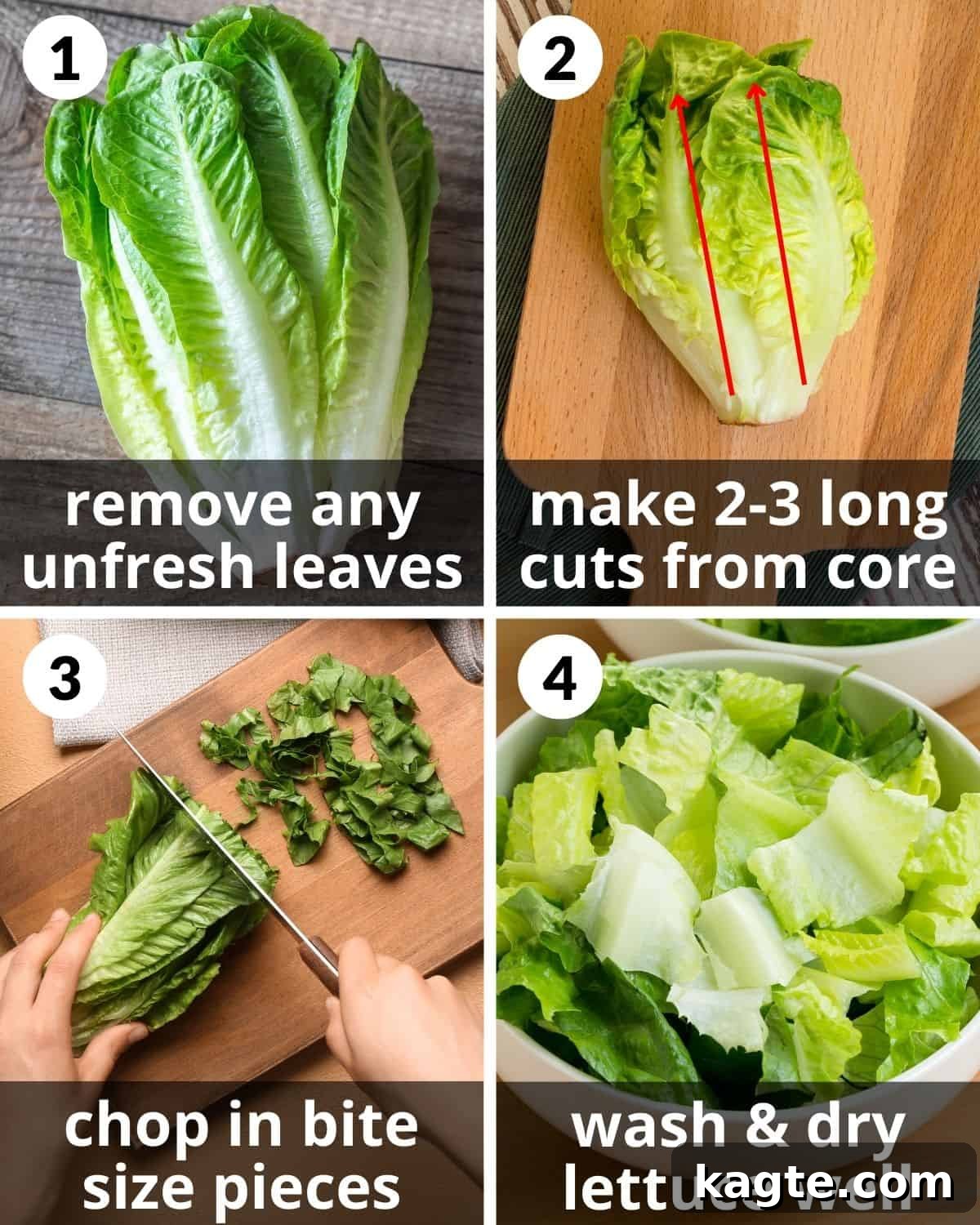
Step 1: Inspect and Remove Outer Leaves
Begin by taking a fresh head of romaine lettuce and examining its outer leaves. Gently pull off any leaves that appear discolored (brown, yellow, or pinkish), look soggy, or show signs of damage or wilting. These leaves are typically tougher and less palatable, and removing them allows you to access the fresher, more tender interior. Discard these outer layers.
Step 2: Make Lengthwise Cuts
Place the trimmed head of romaine on your large cutting board. With the core still attached at the bottom (this provides stability and keeps the leaves together during the initial cuts), carefully make 2-3 long, vertical cuts through the head. Start from the core end and cut all the way through to the dark green, leafy tip. The number of cuts depends on the size of your romaine head and how fine you want your final chop to be. For a standard head, two cuts are usually sufficient, dividing it into three long sections.
Step 3: Chop Crosswise into Pieces
Now that your romaine is sectioned, it’s time to chop it. Start at the dark green, leafy end (the top) of your sectioned romaine and work your way down towards the core (the bottom). Begin chopping the romaine crosswise into your desired 1/2-inch to 1-inch pieces. The key here is to cut in the opposite direction of the long cuts you made in Step 2. Continue chopping until you reach the pale, tough end near the core. This dense, fibrous core end is generally bitter and difficult to chew, so discard it. Repeat this process for any remaining sections of the romaine head.
Step 4: Rinse Thoroughly and Dry
Gather all your freshly chopped romaine lettuce and transfer it into a large salad spinner or a colander. This is where the magic of thorough cleaning happens. Rinse the lettuce multiple times under cold running water. Agitate the lettuce gently with your hands to ensure water reaches every single piece and all surfaces are cleaned. If using a salad spinner, spin the lettuce vigorously multiple times until most of the excess water has collected in the bottom bowl. Drain this water. If using a colander, let it drain completely, then transfer the lettuce to a clean kitchen towel or several layers of paper towels and gently pat it dry. The goal is to get the lettuce as dry as possible, as excess moisture will dilute your dressing and make your salad soggy. Dry well before you assemble your salad or prepare your dish.
Pro Tips for Perfect Romaine Lettuce
Beyond the basic steps, these expert tips will help you achieve consistently perfect romaine lettuce, ensuring flavor, texture, and extended freshness for all your culinary endeavors.
- Wash After Chopping for Superior Cleanliness: This is a cornerstone of our method. Many people wash lettuce before chopping, but this only rinses the outer surfaces. By washing your romaine lettuce *after* it’s been chopped, you allow water to penetrate and cleanse all the inner layers and cut surfaces. This ensures that every “nook and cranny” is free from dirt, sand, and potential pesticides, leading to a genuinely clean and enjoyable eating experience. It also prevents you from needing to wash twice.
- The Salad Spinner is Your Best Friend: For truly crisp and flavorful salads, dry lettuce is non-negotiable. Excess water dilutes your dressing and makes your greens soggy, negatively impacting the texture and taste of your dish. A good quality salad spinner is incredibly efficient at removing moisture, leaving your lettuce perfectly dry and ready to absorb every drop of dressing. Spin it multiple times, draining the water between spins, until no more water collects. If you don’t own one, use a clean kitchen towel or paper towels to thoroughly pat dry.
- Tailor Your Cut to Your Recipe: The size of your romaine pieces matters. When following the steps for how to cut romaine lettuce for salad, always consider the specific recipe you’re preparing. For a hearty main course salad where you want a substantial bite, thicker, larger pieces (around 1 inch) are ideal. If you’re using romaine for burgers, tacos, or as a garnish, finer, thinner shreds (1/2 inch or less) will integrate better and be easier to eat. Adjusting your cut size demonstrates culinary thoughtfulness and improves the overall eating experience.
- Use a Sharp Knife: A sharp knife is not only safer but also prevents bruising the delicate lettuce leaves. A dull knife will crush the cells of the lettuce, leading to brown edges and quicker wilting. Regularly hone or sharpen your knife for the cleanest cuts.
- Keep it Cold: Lettuce loves the cold! From washing to storage, cold temperatures help maintain the crispness of romaine. Use ice-cold water for rinsing and ensure your refrigerator is set to the optimal temperature for vegetables (around 35-40°F or 1-4°C).
- Avoid Overcrowding the Spinner: While a salad spinner is efficient, don’t overload it. Work in batches if you have a large amount of romaine to ensure proper rinsing and drying. Overcrowding can prevent adequate water circulation and efficient drying.
Creative Recipes Featuring Chopped Romaine Lettuce
Now that you’re an expert in how to cut romaine lettuce for salad, it’s time to put your skills to delicious use! Romaine’s crisp texture and mild flavor make it a fantastic base or addition to countless dishes beyond just traditional salads. Here are a few inspiring ideas to get you started, perfect for weeknight dinners or casual entertaining:
- Ground Chicken Lettuce Wraps: Swap out traditional bread or tortillas for large, crisp romaine leaves. Fill them with savory seasoned ground chicken, water chestnuts, ginger, and a delicious sauce for a healthy, low-carb, and incredibly flavorful meal. The crunch of the romaine perfectly complements the warm filling.
- BLT Sliders: Take a classic BLT and miniaturize it for a party-perfect appetizer or a light lunch. Chopped romaine adds that essential fresh crunch to crispy bacon, juicy tomato, and a smear of mayonnaise on small slider buns. The finely chopped lettuce ensures a good distribution of texture in every bite.
- Instant Pot Beef Short Rib Barbacoa Tacos: Elevate your taco night by adding a generous topping of freshly chopped romaine. The cool, crisp texture of the lettuce provides a fantastic contrast to the rich, tender, slow-cooked barbacoa beef. It adds freshness and a delightful crunch that balances the heavier flavors of the meat and other toppings like salsa and sour cream.
- Healthy Grain Bowls: Use chopped romaine as a vibrant base for grain bowls. Combine it with quinoa or brown rice, roasted vegetables, a lean protein (like grilled chicken or chickpeas), and a flavorful vinaigrette for a satisfying and nutritious meal.
- Sandwich and Burger Topping: Move beyond simply placing a whole leaf. Finely chopped or shredded romaine mixes better with other sandwich ingredients and prevents slippage. It adds consistent crunch and freshness to any sandwich, wrap, or burger.
- Stir-Fry Addition (at the end): While unconventional, adding chopped romaine to a stir-fry right at the very end can introduce a surprising burst of freshness and a slight crunch, especially if you prefer a lighter, more vibrant stir-fry. Add it just before serving to prevent it from wilting completely.
Optimal Storage for Cut Romaine Lettuce for Extended Freshness
You’ve taken the time to perfectly cut and clean your romaine; now, ensure it stays fresh and crisp for as long as possible. Proper storage is crucial for preventing wilting and browning. These tips will help you answer the perennial question: “How to store cut romaine lettuce so it stays fresh for longer?”
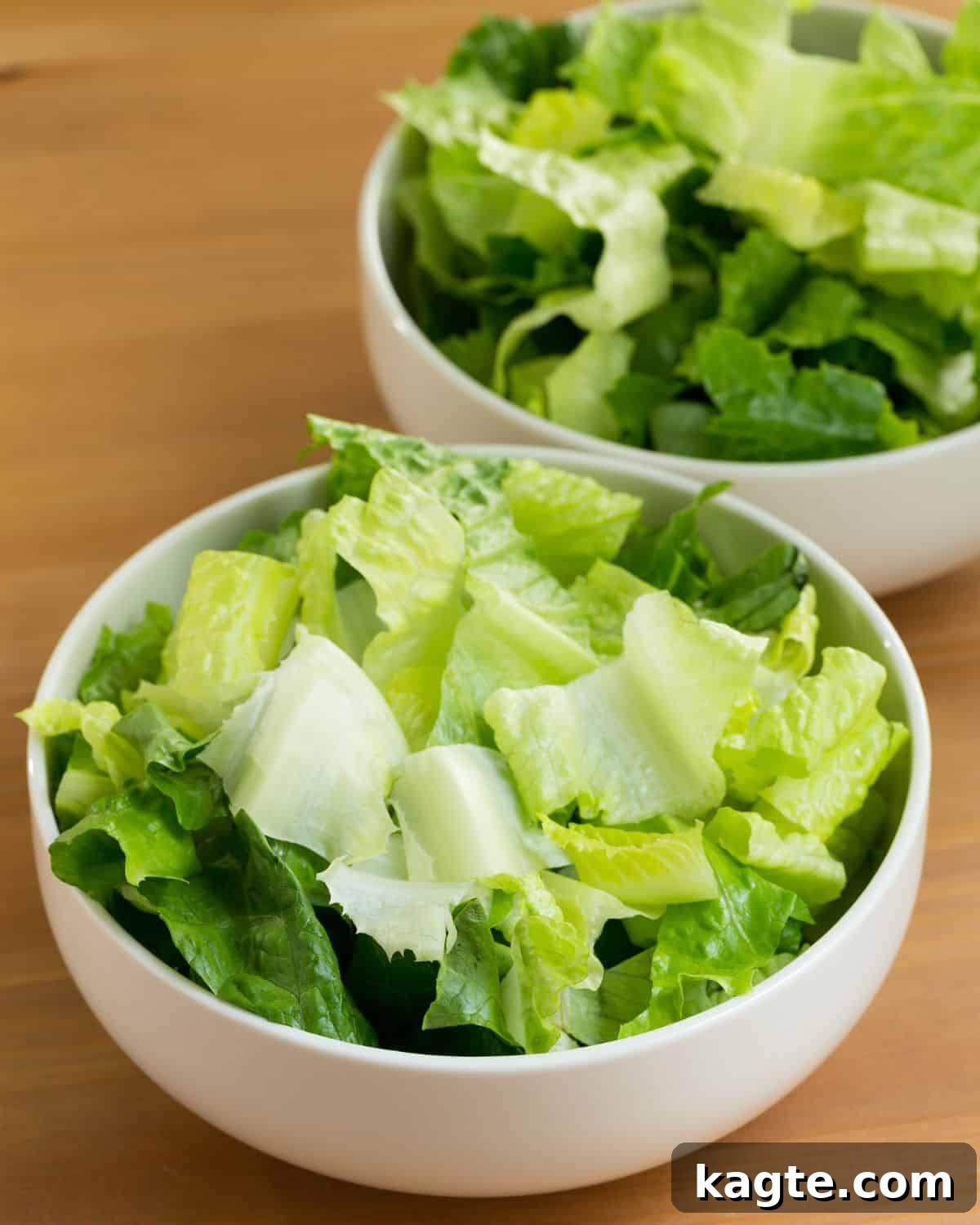
- The Paper Towel and Airtight Bag Method: Once your lettuce is thoroughly chopped and dried, this is the gold standard for storage. Place a few sheets of dry paper towels at the bottom of a large, airtight resealable bag or an airtight container. Add the chopped romaine on top, and then place another layer of paper towels on top of the lettuce. The paper towels are key as they absorb any residual moisture that can cause spoilage and sliminess. If the paper towels become damp over time, replace them with fresh, dry ones. This creates a slightly humid but not wet environment, which is ideal for lettuce.
- Utilize the Crisper Drawer: Your refrigerator’s crisper drawer is specifically designed to maintain optimal humidity levels for produce. Store the airtight bag or container with your cut romaine in the crisper drawer. This helps regulate moisture and temperature, keeping your greens fresher for longer than if they were stored on an open shelf.
- Monitor and Consume Within Five Days: While the paper towel method significantly extends shelf life, cut romaine is best consumed within 3-5 days. Beyond this period, even with proper storage, the quality will start to decline, and the risk of spoilage increases. For best practice, you can mark the date you chopped the lettuce on the bag to easily track its freshness. Always inspect for signs of wilting, discoloration, or an off smell before using.
- Avoid Freezing: Romaine lettuce does not freeze well. Its high water content means that upon thawing, it will become limp, soggy, and lose its desirable crisp texture, making it unsuitable for salads or fresh applications.
Frequently Asked Questions about Romaine Lettuce
Here are answers to some of the most common questions about preparing and storing romaine lettuce, providing clarity and confidence for your kitchen endeavors.
While some traditionalists swear by tearing lettuce to prevent “bruising” that can occur with a dull knife, modern understanding and techniques generally favor cutting. Tearing can create uneven pieces and jagged edges that might brown faster, similar to a dull knife. With a sharp chef’s knife, cutting romaine produces uniform, bite-sized pieces that are aesthetically pleasing and make for a better eating experience. Uniform pieces ensure that dressing coats every leaf evenly, and each bite has a consistent texture. Ultimately, the choice depends on your preference and the desired outcome for your dish, but for precision and consistency, cutting with a sharp knife is recommended.
To maximize the freshness of your romaine lettuce after it’s been cut, the key is proper drying and smart storage. First, ensure the lettuce is as dry as possible using a salad spinner or by patting it thoroughly with paper towels. Excess moisture is the enemy of fresh greens. Once dry, store the chopped romaine in an airtight bag or container lined with a few sheets of dry paper towels. Place some paper towels both below and on top of the lettuce. The paper towels absorb any condensation or residual moisture, preventing sliminess and wilting. Store this in the crisper drawer of your refrigerator, which helps regulate humidity. Replace damp paper towels as needed to maintain optimal conditions.
For the most effective and thorough cleaning, it is highly recommended to wash romaine lettuce *after* you cut it, not before. When you wash a whole head of lettuce, water often struggles to reach the innermost leaves and crevices where dirt and debris can hide. By chopping the lettuce first, you expose all surfaces of the leaves. Then, when you rinse it in a salad spinner or colander, every piece can be thoroughly cleaned. This method ensures all outer and inner pieces are simultaneously and properly washed, saving you time and guaranteeing a cleaner result. Always use cold water for rinsing to maintain crispness.
Yes, it is generally a good practice to remove some of the outermost leaves from a head of romaine lettuce. You don’t need to remove all of them, but you should definitely discard any leaves that are discolored (brown, yellow, or pink), look soggy, show signs of wilting, or have visible damage or blemishes. These leaves are typically tougher, can have an unpleasant taste or texture, and are most likely to harbor dirt or pesticide residues. By removing them, you ensure that only the freshest, most tender, and appealing parts of the romaine make it into your dish.
With proper storage using the airtight container and paper towel method, cut romaine lettuce can last for 3 to 5 days in the refrigerator. The key factors are ensuring it’s thoroughly dried after washing and stored in a cold, slightly humid environment (like the crisper drawer). If it becomes slimy, develops an off odor, or turns significantly brown or translucent, it’s a sign that it has spoiled and should be discarded.
While technically possible, using a food processor for chopping romaine lettuce is generally not recommended if you want crisp, distinct pieces. A food processor, especially on a higher setting, tends to bruise and shred lettuce rather than cleanly cut it. This can lead to rapid browning, a mushy texture, and a loss of the desirable crispness. For best results, stick to a sharp chef’s knife and a cutting board, which allows for precise, clean cuts that maintain the lettuce’s integrity.
Beyond the Salad Bowl: More Culinary Resources
Continue to expand your kitchen repertoire with these helpful cooking resources from our collection. From ingredient substitutions to delicious appetizer ideas, we’ve got you covered!
Cooking Resources
The Best Substitutes for Rice Vinegar
Appetizers
Ways To Eat Spinach Dip (Hot or Cold)
Dessert
Ice Cream Sundae Toppings Bar (BEST Ideas)
Cooking Resources
Best 5 Substitutes for Parmesan Cheese (Pasta, Etc.)
Shop our Amazon Storefront for recommended kitchen tools!
If this guide was helpful, we’d love to hear from you! Please consider leaving a star rating and comment below on the recipe card. Your feedback is invaluable. Follow us on Pinterest, Facebook & Instagram for more delicious recipes and kitchen tips.
How To Cut Romaine Lettuce for Salad Recipe Card
How To Cut Romaine Lettuce for Salad
By Brianna May
Learn how to effortlessly cut romaine lettuce for salads, wraps, and more in just a few simple steps. This method ensures every leaf is perfectly clean, crisp, and ready for your culinary creations.
Prep Time: 5 minutes
Total Time: 5 minutes
Yields: 4 servings (approx. 2 heads)
Equipment
- Salad Spinner
- Large Cutting Board
- 8-inch Chef’s Knife
Ingredients
- 2 heads romaine lettuce, unwashed*
*Unwashed romaine is preferred for this method to allow for thorough post-chopping rinsing.
Instructions
- Remove Outer Leaves: Using your hand, gently pull off and discard any outer leaves of lettuce that appear brown, pink, soggy, or damaged.
- Make Lengthwise Cuts: Place the romaine head on your cutting board with the core still attached. Make 2-3 long, vertical cuts through the head, extending from the core to the dark green leafy end. This will create several manageable sections.
- Chop Crosswise: Starting from the dark green, leafy end (top) and moving towards the core (bottom), begin chopping the romaine into 1/2-inch to 1-inch pieces. Cut in the opposite direction of the cuts made in Step 2. Stop when you reach the pale, tough core end and discard it. Repeat with any remaining sections of romaine.
- Rinse and Dry: Place all of the chopped romaine into a salad spinner or a large colander. Rinse the lettuce thoroughly multiple times with cold water, gently agitating to ensure all surfaces are cleaned. If using a salad spinner, spin vigorously until most of the excess water has pooled in the bottom. Drain the water, then spin again until the lettuce is as dry as possible. If using a colander, pat the lettuce very dry with clean kitchen towels or paper towels before use.
Notes
- Wash After Chopping: This method ensures maximum cleanliness by allowing water to reach all surfaces of the chopped lettuce, removing hidden dirt and debris.
- Use a Salad Spinner: A spinner is essential for achieving truly dry lettuce, which is crucial for preventing soggy salads and allowing dressing to adhere properly.
- Adjust Cut Size: Tailor the size of your chopped romaine to your specific recipe – larger for hearty salads, finer for wraps or garnishes.