
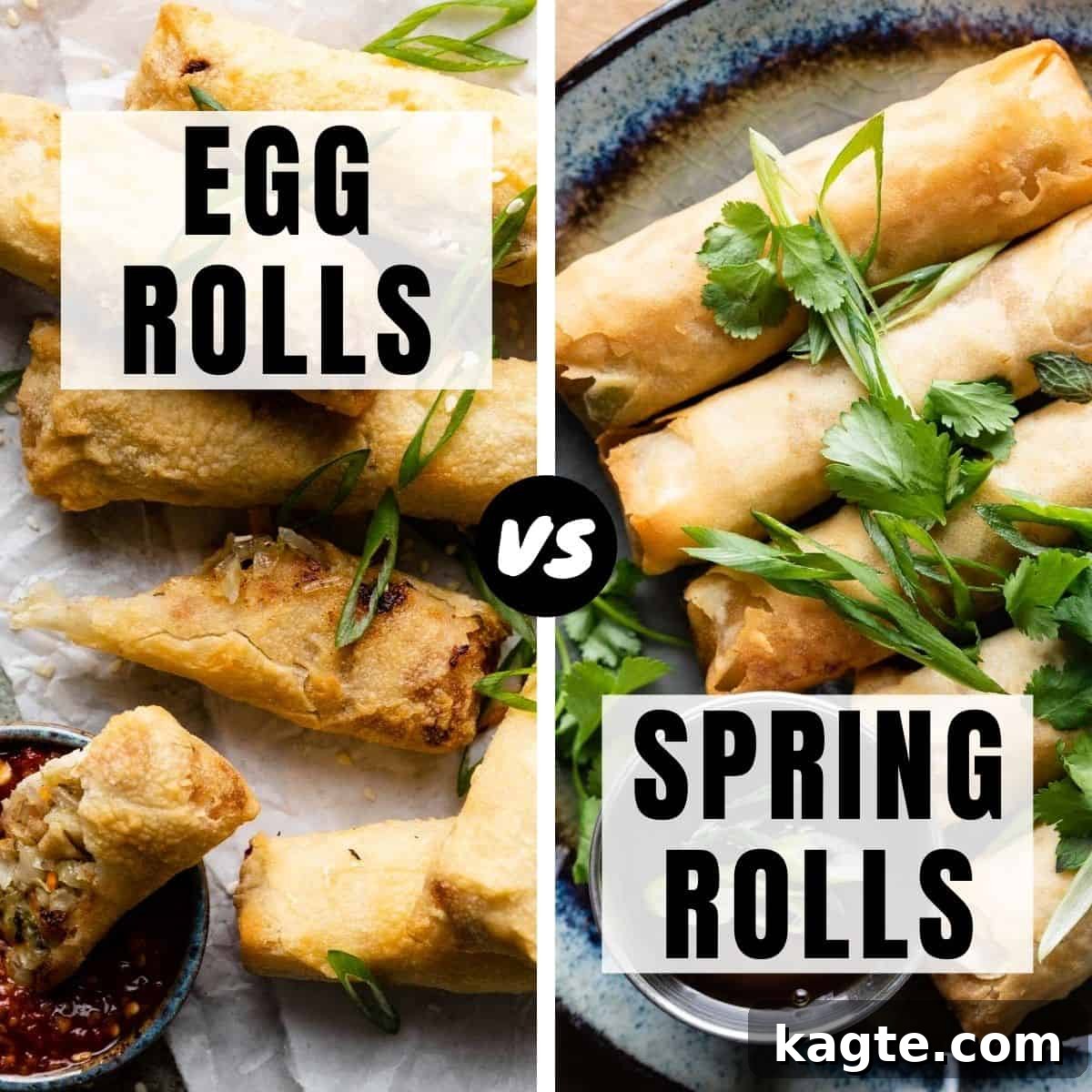
Both egg rolls and spring rolls are beloved culinary staples across Asian and Western cuisines, captivating palates as irresistible appetizers or delightful side dishes. Often found side-by-side on restaurant menus, these crispy, flavorful rolls frequently spark a common question: what exactly is the difference between an egg roll and a spring roll? If you’ve ever found yourself pondering this delicious dilemma, you’ve arrived at the perfect place! This comprehensive guide to egg rolls vs. spring rolls will unravel all the intricate details, from their distinct wrappers and diverse fillings to their fascinating origins and regional variations.
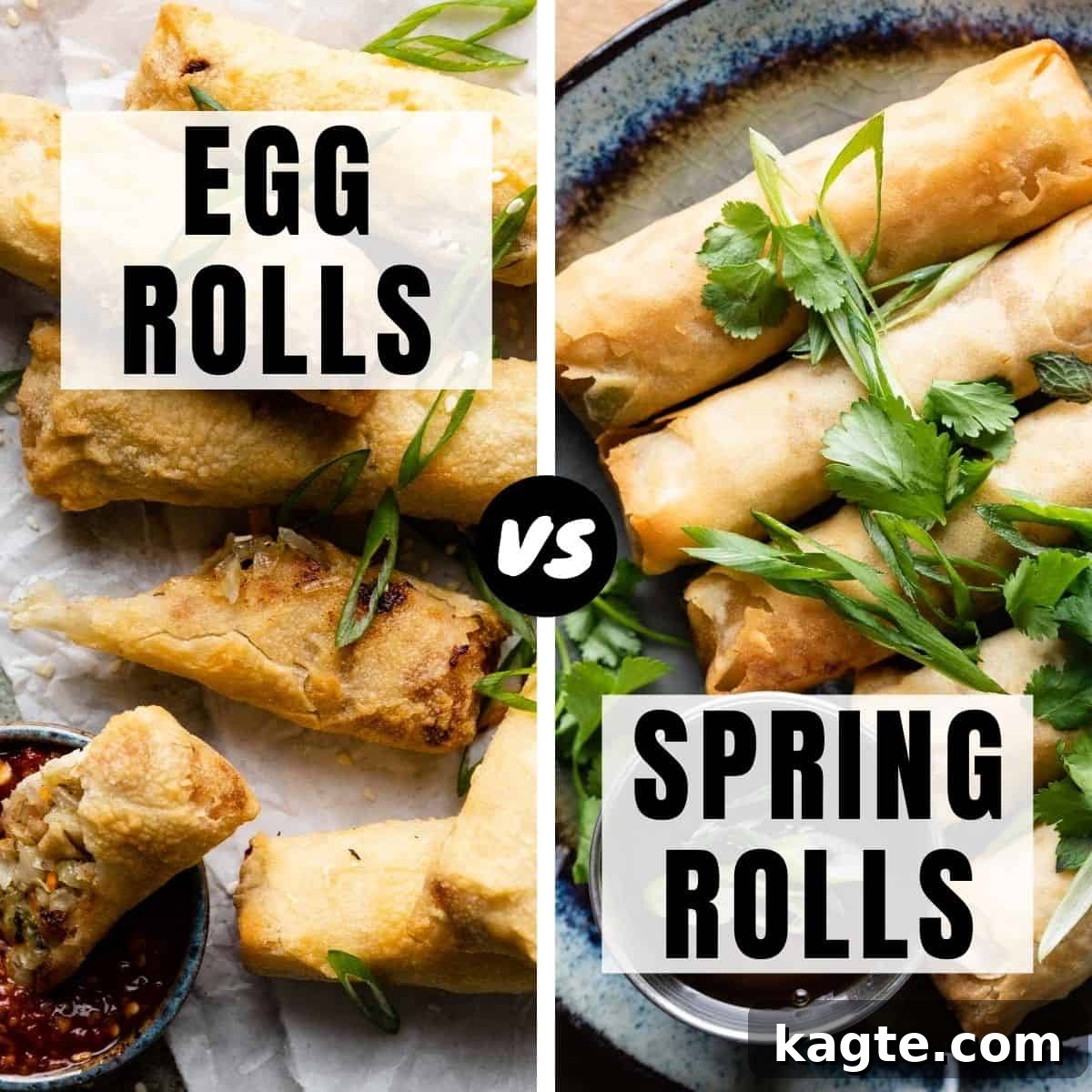
While often grouped together under the umbrella of delicious Asian finger foods, egg rolls and spring rolls each boast unique characteristics that set them apart. We’ll delve into everything from the precise composition of their wrappers to the typical ingredients in their savory cores, and explore their journey through history and across different cultures. But before we embark on this culinary exploration, let’s establish a foundational understanding with a basic description of each, outlining their primary features:
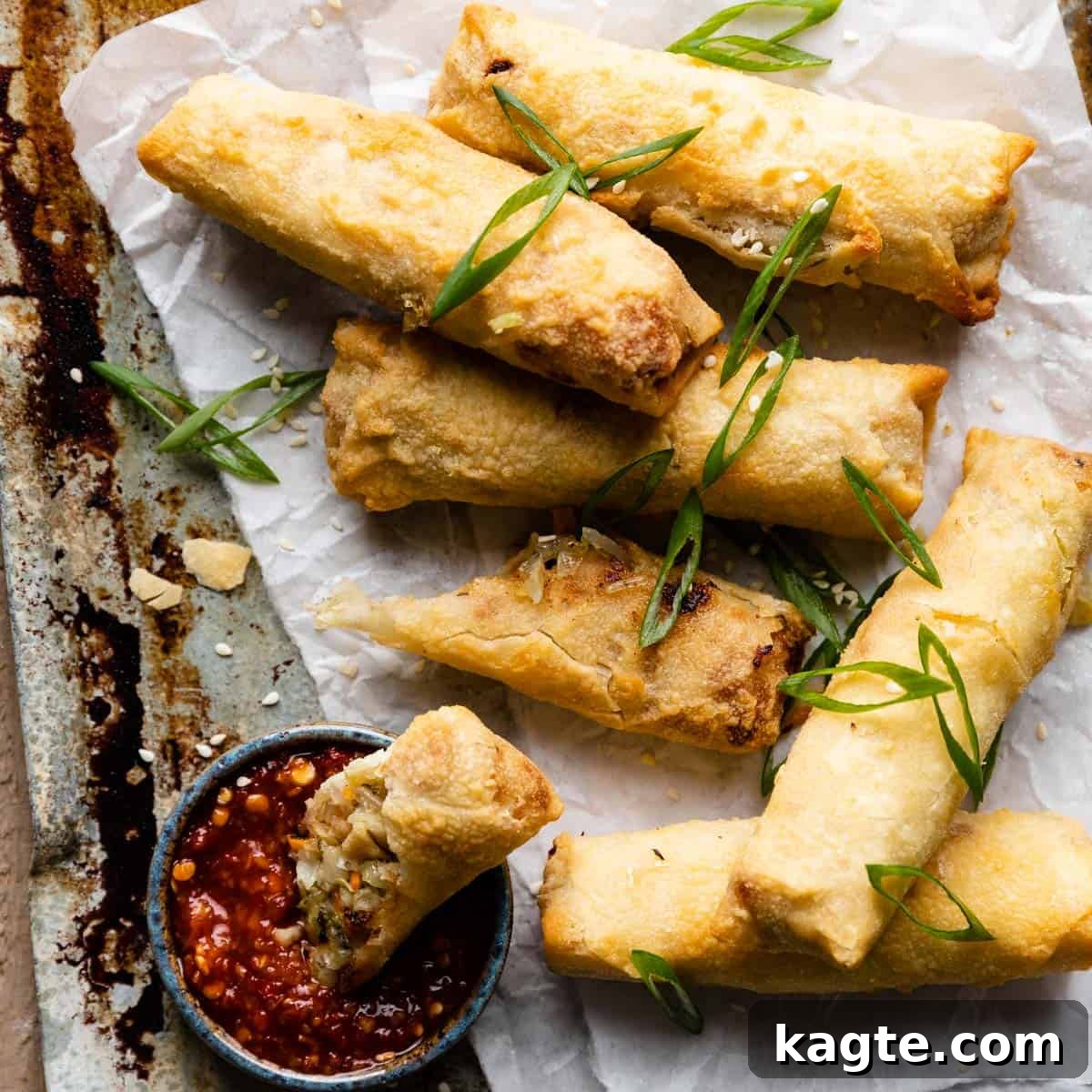
- Egg Rolls: These delightful rolls typically feature a thicker, heartier wrapper made primarily from wheat flour, often enriched with egg, giving them a distinct texture and a characteristic golden-brown hue when cooked. They are almost universally filled with a savory mixture of finely cooked vegetables, commonly shredded cabbage and carrots, combined with seasoned ground pork or other meats. Egg rolls are designed for deep-frying or baking, resulting in a robust, bubbly, and satisfyingly crispy exterior that offers a pleasant chewiness.
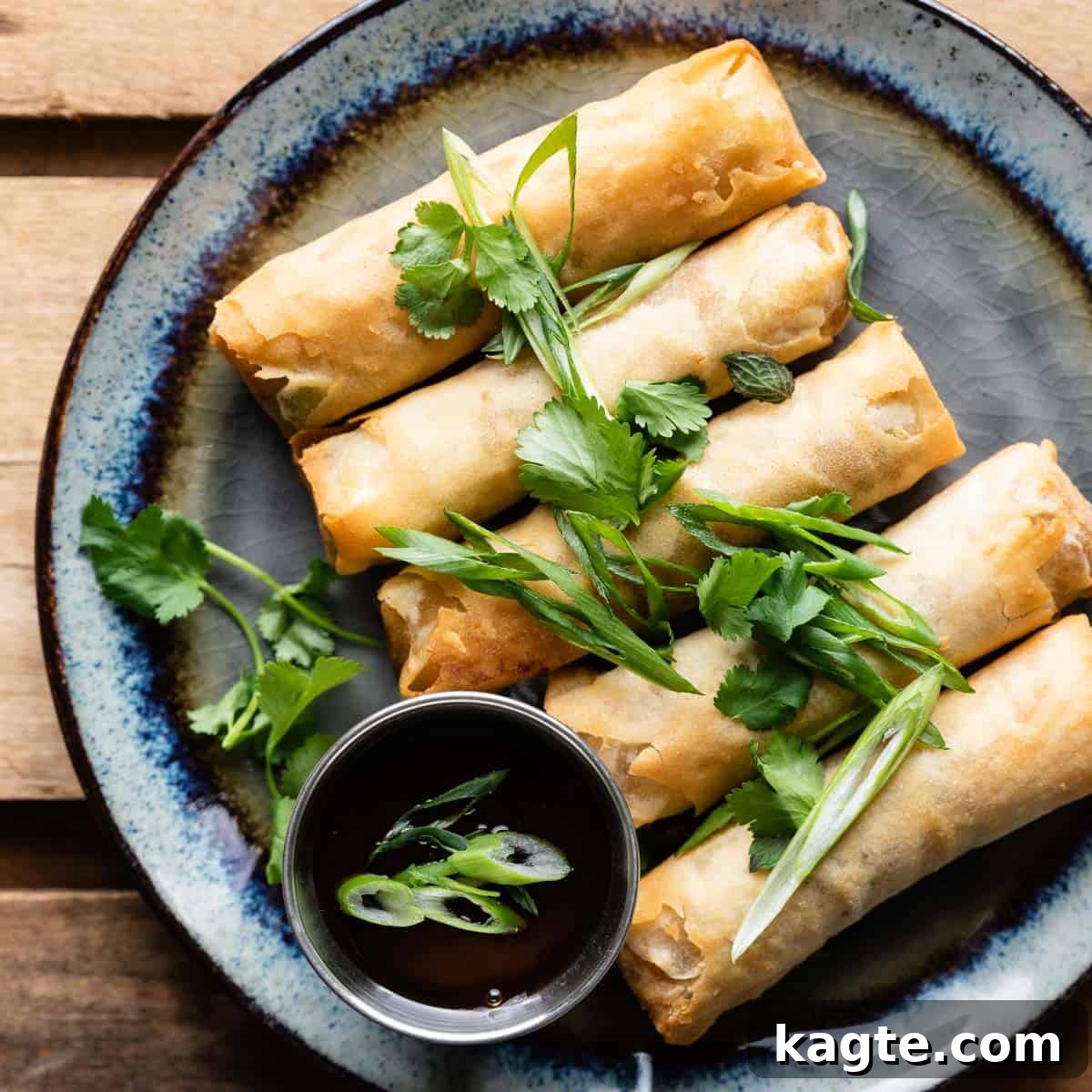
- Spring Rolls: In contrast, spring rolls are a broader category with more significant variation. Their wrappers can range from very thin wheat-based pastry to delicate, translucent rice paper. Fillings are incredibly diverse, encompassing both cooked and raw vegetables like fresh lettuce, bean sprouts, earthy mushrooms, and aromatic herbs, alongside ground pork, succulent shrimp, or even tofu. A key differentiator is their versatility in serving; spring rolls can be enjoyed fresh and uncooked (often called summer rolls or salad rolls) or fried to a delicate, crisp perfection.
Feeling inspired to whip up a batch of these delectable treats in your own kitchen? Whether you prefer the satisfying, golden crunch of an egg roll or the refreshing, vibrant bite of a spring roll, you’re in for a culinary delight. For a convenient and often healthier alternative, explore my highly-rated recipes for preparing these appetizers with less oil. Try my popular Air Fryer Spring Roll recipe or indulge in the irresistibly crispy Air Fryer Egg Roll recipe today! These methods deliver fantastic flavor and texture, making your favorite Asian-inspired appetizers guilt-free and easy to prepare.
The Definitive Difference: Egg Rolls vs. Spring Rolls
Beyond their universally recognized cylindrical shape and shared popularity as appetizers, egg rolls and spring rolls diverge significantly in their history, composition, and culinary identity. Understanding these core distinctions is key to fully appreciating the unique characteristics and appeal of each delicious offering, helping you choose the perfect roll for your palate.
Egg rolls, surprisingly to many who assume an ancient Asian lineage, trace their roots not to the distant lands of China, but to the vibrant culinary landscape of the United States. They emerged as a distinctive creation within the burgeoning American-Chinese restaurant scene, likely in bustling urban centers like New York City. Crafted with a thick, flour-based wrapper, their substantial casing is typically filled with a hearty blend of seasoned pork and crisp cabbage, often accompanied by other vegetables such as carrots. This robust construction is designed to withstand the deep-frying process, creating a satisfyingly crispy and chewy shell.
Spring rolls, on the other hand, boast a much longer and more geographically widespread history, originating deeply within mainland China centuries ago. Their identity is fluid, varying significantly by region and culinary tradition across vast stretches of Asia. Characterized by a much thinner, more delicate wrapper—either a fine wheat pastry or translucent rice paper—they embrace a broader spectrum of fillings. These can include lighter combinations of cooked or raw vegetables, a variety of proteins from pork to shrimp, chicken, or even vegetarian options like tofu and mushrooms. This foundational difference in origin, wrapper composition, and typical preparation is just the beginning of their fascinating story and the reason behind their distinct appeal.
Wrapper Wars: Egg Roll vs. Spring Roll Wrappers
The wrapper is arguably the most defining characteristic distinguishing egg rolls from spring rolls, dictating much of their texture, appearance, and even influencing their preferred cooking methods. This seemingly simple component holds the key to their unique culinary experiences, offering distinctly different textural journeys.
Egg Roll Wrapper: Composition and Texture
Egg roll wrappers are notably thicker and more robust than their spring roll counterparts. Their primary ingredients are typically wheat flour and water, often enriched with egg, which contributes to their characteristic golden hue and a somewhat pliable, pasta-like consistency when raw. This substantial wrapper is specifically designed to withstand the rigors of deep-frying, transforming into a delightfully crisp yet tender shell. After frying, egg roll wrappers often develop small, irregular air bubbles across their surface, creating an appealingly craggy, textured landscape that is visually appealing and contributes to their hearty, satisfying crunch.
The mouthfeel of a perfectly fried egg roll is a harmonious blend of textures: intensely crispy and slightly bubbly on the outside, yielding to a subtly chewy layer beneath. This robust quality ensures the wrapper holds up exceptionally well to the rich, often moist fillings, preventing sogginess and providing a substantial bite that can stand alone or beautifully complement a dipping sauce. The thickness also means they absorb a bit more oil during frying, contributing to their comforting, indulgent nature.
Spring Roll Wrapper: Composition and Texture
Spring roll wrappers, by contrast, are generally much thinner and more delicate, offering a broader spectrum of textures and uses depending on their composition and intended preparation. They are primarily made from two main types of ingredients: either very thin wheat flour dough or translucent rice paper.
- Fried Spring Roll Wrappers (Wheat-based): When spring rolls are intended for frying, they often use a very thin wheat-based wrapper, sometimes almost paper-thin. These wrappers achieve an incredibly delicate and brittle crispness when fried, far lighter and more fragile than an egg roll. They are smooth in appearance and tend to shatter rather than chew upon biting, offering a distinctly airy and ethereal crunch that quickly melts in the mouth. This crispness provides a delightful textural contrast to the often soft and savory filling.
- Fresh Spring Roll Wrappers (Rice Paper): For fresh spring rolls, famously known as summer rolls or Vietnamese Gỏi cuốn, the wrapper of choice is thin, almost translucent rice paper. Made from rice flour, water, and salt, these wrappers are typically briefly softened in warm water before assembly. Once pliable, they have a wonderfully elastic, slightly sticky, and almost noodle-like texture that gently encases the fresh ingredients. They are smooth to the touch and offer a refreshing contrast to their fried counterparts. A significant advantage of rice paper wrappers is that they are naturally gluten-free, opening up these delicious rolls to a wider audience with dietary restrictions.
Whether fried to an extreme crispness or served fresh with a tender, pliant chew, the wrapper of a spring roll fundamentally contributes to its lighter, often more refined and varied profile compared to the hearty robustness of an egg roll.
What is in an Egg Roll: Unveiling the Classic Filling
The heart of an egg roll lies in its consistently savory, robust, and often comforting filling, which has become a hallmark of the American-Chinese culinary experience. While slight regional or chef-specific variations exist, a classic egg roll filling delivers a familiar and deeply satisfying flavor profile that evokes warmth and tradition.
Typically, egg rolls are generously packed with a seasoned mixture that almost always features finely ground or chopped pork as the primary protein, providing a rich and meaty base. This is complemented by a substantial amount of shredded vegetables, with crisp cabbage and vibrant carrots being the most ubiquitous ingredients. The cabbage provides a tender crunch and a mild, slightly sweet flavor when cooked down, while carrots add a touch of natural sweetness, essential nutrients, and a pleasing splash of color to the interior.
The distinctive flavor base is meticulously built upon a foundation of aromatic ingredients, which are crucial for creating the signature taste of an egg roll. Fresh ginger, minced garlic, and thinly sliced green onions are commonly sautéed with the meat and vegetables, infusing the entire mixture with their pungent, spicy, and fragrant notes. A touch of soy sauce provides umami and saltiness, while sesame oil adds a nutty depth. Sometimes, a hint of white pepper or five-spice powder is included to round out the seasoning, creating a deeply savory and complex core that perfectly balances the crispness of the fried wrapper.
For those seeking a meat-free option, vegetable egg rolls ingeniously substitute the pork with a greater variety of plant-based ingredients. Common and delicious additions include earthy mushrooms (like shiitake or wood ear), crisp bean sprouts for added texture, thin glass noodles (vermicelli) for body, crunchy water chestnuts, or even bamboo shoots, ensuring that the vegetarian versions are just as flavorful and satisfying as their meat-filled counterparts.
What is in a Spring Roll: A Spectrum of Fillings
Spring rolls encompass a much broader and more diverse range of fillings compared to their egg roll cousins, reflecting the varied culinary traditions of Asia. The ingredients used are often dictated by whether the roll is intended to be fried for a crisp exterior or served fresh for a vibrant, healthful bite.
Fried Spring Roll Fillings
When spring rolls are destined for frying, their fillings often share a conceptual similarity with egg rolls, though they typically feature a lighter hand with ingredients and a focus on delicate, finely shredded textures that cook quickly. These are commonly filled with a savory mixture of finely shredded or minced pork, sometimes ground chicken or shrimp, and a medley of cooked vegetables. Bean sprouts, finely shredded carrots, wood ear mushrooms, and often transparent glass noodles (vermicelli) are popular choices, offering a tender yet varied texture. The seasoning typically involves a blend of fish sauce, light soy sauce, minced garlic, and ground pepper, creating a deeply savory and aromatic core that becomes even more fragrant and enticing when fried to a golden crisp.
Fresh Spring Roll Fillings (Summer Rolls)
The fresh variety of spring rolls, famously known as summer rolls or Vietnamese Gỏi cuốn, offers a stark and refreshing contrast to fried versions. These rolls prioritize freshness, vibrancy, and a delightful interplay of textures and temperatures, making them a popular choice for light meals or appetizers. The fillings are almost entirely composed of raw or lightly cooked components, all beautifully visible through the translucent rice paper wrapper.
Typical fresh spring roll fillings include a colorful array of crisp raw vegetables such as crunchy lettuce leaves, thinly sliced cucumbers, finely shredded carrots, and a generous handful of fresh herbs like fragrant mint, invigorating cilantro, and aromatic Thai basil. These herbs are crucial, as they infuse each bite with a burst of aromatic freshness that is truly characteristic of Vietnamese cuisine. Alongside the vegetables and herbs, cooked rice vermicelli noodles provide a soft, satisfying bulk. For protein, thinly sliced cooked pork, succulent blanched shrimp, or often a harmonious combination of both, are artfully arranged to be visible through the translucent wrapper. Tofu can also be used for a delicious and equally satisfying vegetarian alternative. The overall effect is incredibly light, refreshing, and healthful, making them perfect for warmer weather or as a vibrant, nutrient-packed appetizer.
The Art of Assembly: Shape and Rolling Technique
Despite their distinct wrappers and diverse fillings, both egg rolls and spring rolls share a common and universally recognized shape: the classic cylinder. This uniform, aesthetically pleasing shape is achieved through a similar, albeit subtly varied, rolling technique that ensures the filling is securely encased and the roll maintains its structural integrity, whether destined for the fryer or to be served fresh.
The assembly process for both types of rolls typically begins by laying the chosen wrapper flat on a clean, dry surface, usually oriented in a diamond shape with one corner pointing towards the assembler. The selected filling, whether it’s the robust mixture for an egg roll or the delicate combination for a fresh spring roll, is placed strategically in the center or slightly towards the bottom edge of the wrapper. The bottom corner of the wrapper is then folded tightly over the filling, creating a snug initial seal and starting the cylindrical form. Next, the two side corners are folded inward towards the center, neatly enclosing the sides of the filling and preventing any escape during the subsequent rolling or cooking process. Finally, the roll is tightly rolled upwards from the bottom, creating a compact, uniform cylinder. A small amount of water or an egg wash (for wheat wrappers) is often applied to the final edge to seal it securely, ensuring the roll stays intact throughout preparation, cooking, and serving.
While the basic method is consistent, the thinner, more pliable and sometimes fragile nature of spring roll wrappers, especially rice paper, often requires a gentler touch and quicker handling compared to the more forgiving, thicker egg roll wrappers. Regardless of the wrapper type, the ultimate goal remains the same: to produce a perfectly shaped roll that holds its contents beautifully, making it an inviting and easy-to-eat appetizer.
Roots and Reach: Origin and History of Egg Rolls and Spring Rolls
The historical trajectories of egg rolls and spring rolls offer a fascinating glimpse into culinary adaptation, cultural exchange, and the evolution of food. These seemingly similar dishes have distinctly different pasts, reflecting their unique journeys through time and across continents.
The American Tale of the Egg Roll
Perhaps one of the most surprising facts for many culinary enthusiasts is that egg rolls are not an ancient Chinese delicacy but rather a relatively modern invention from the United States. Their origins are firmly rooted in the bustling culinary melting pot of New York City, likely emerging sometime in the early to mid-20th century. As Chinese immigrants established restaurants and adapted their traditional cuisine to local American tastes and available ingredients, dishes like the egg roll were born. It represents a delicious fusion, borrowing concepts from traditional Chinese spring rolls but significantly adapting the wrapper, filling, and cooking method to suit American preferences for heartier, often deep-fried, and more substantial comfort food.
The exact reason for their “egg roll” nomenclature remains somewhat of a culinary mystery, sparking various theories. While some early recipes for the wrapper might have indeed included egg in the dough, contributing to its richness and color, many contemporary versions often omit the egg, relying primarily on wheat flour and water. Furthermore, the savory filling itself rarely, if ever, contains egg. This curious naming adds to the unique American story of this beloved appetizer, a testament to culinary evolution, innovation, and adaptation in a new cultural context.
The Ancient Heritage of the Spring Roll
In stark contrast to the egg roll’s relatively recent American genesis, spring rolls boast an ancient and rich heritage directly from mainland China, with roots stretching back centuries. They are deeply entwined with the country’s agricultural calendar and festive traditions. The name “spring roll” itself is a direct reference to their historical association with the Spring Festival (Chinese New Year), which marks the beginning of spring and the harvest season.
Historically, these rolls were prepared to celebrate the arrival of spring, utilizing the first fresh, tender vegetables of the new season as their filling. This tradition symbolized renewal, vitality, and prosperity for the coming year. Over time, as Chinese culture spread and intertwined with other Southeast Asian nations through trade and migration, so did the concept of the spring roll. It evolved and adapted to local ingredients, flavors, and cooking techniques across various Asian regions. This remarkable adaptability and long, storied history make spring rolls a truly global culinary phenomenon, reflecting diverse local interpretations while maintaining their essential identity as a fresh or fried, often celebratory, wrapped dish.
Regional Variations: A World of Rolls
While the American egg roll remains fairly consistent across the United States in its core ingredients and preparation, the spring roll category is a vibrant tapestry of regional adaptations and unique culinary expressions across Asia and beyond. This remarkable diversity is what truly showcases the versatility and enduring appeal of the “roll” concept, transforming it with local ingredients, flavors, and traditions.
Egg Roll Innovations in the West
Within the United States, traditional Chinese-inspired egg rolls typically adhere to a familiar formula of seasoned pork, crisp cabbage, and carrots, providing a consistent and beloved flavor profile. However, the American spirit of culinary innovation and fusion has led to exciting and creative variations, demonstrating the egg roll wrapper’s incredible versatility. Its sturdy structure and satisfying crunch have proven to be an excellent vehicle for non-traditional and inventive fillings.
- Southwest Egg Rolls: A particularly popular example is the Southwest egg roll, which typically bursts with a flavorful and colorful mix of ingredients commonly found in Tex-Mex cuisine. These often include black beans, sweet corn, diced bell peppers, seasoned chicken, and sometimes a touch of creamy cheese, evoking the vibrant and zesty flavors of the American Southwest.
- Buffalo Chicken Egg Rolls: For fans of spicy comfort food, buffalo chicken egg rolls are a delightful fusion. They combine shredded cooked chicken generously tossed in tangy and spicy buffalo sauce with creamy cheese, all wrapped up and fried for a delightful appetizer that offers a familiar, fiery kick.
- Dessert Egg Rolls: The adaptability of the egg roll even extends to sweet treats, transforming it into an unexpected dessert. Dessert egg rolls can be filled with sweet fruit pie fillings like warm apple or cherry, rich cream cheese, or even s’mores ingredients (chocolate, marshmallow, graham cracker), offering a surprising, indulgent, and utterly delicious twist on the classic savory appetizer. These endless filling options highlight the egg roll’s incredible versatility as a culinary canvas.
Spring Roll Diversity Across Asia
The spring roll, in its myriad forms, truly shines in its regional diversity, while often maintaining common threads like a harmonious balance of meat and vegetable fillings. This global reach has resulted in a fascinating array of interpretations, each reflecting local produce, spices, and cooking techniques:
- Lumpia (Philippines and Indonesia): In the Philippines and Indonesia, spring rolls are widely known as Lumpia. What often distinguishes Lumpia is its incredibly thin, delicate, and almost crepe-like wrapper, which fries up to an exquisite crispness, lighter than many other fried rolls. Fillings can vary widely, from savory mixtures of finely ground pork or beef with finely chopped vegetables (often carrots, green beans, onions, and garlic) to sweet versions like turon (banana lumpia), which features ripe plantains and jackfruit wrapped and fried. Lumpia can be served both fried (Lumpiang Shanghai is a famous fried version, typically smaller and meatier) and fresh (Lumpiang Sariwa, which is typically larger and filled with fresh vegetables and shrimp, often topped with a sweet peanut sauce).
- Popiah (Taiwan, Malaysia, Singapore): Hailing from regions like Taiwan, Malaysia, and Singapore, Popiah is a distinct type of fresh, non-fried spring roll. Its wrapper is a soft, thin, wheat-based crepe-like skin, not rice paper, and it is usually made fresh on site. The filling is notoriously moist, flavorful, and often generous, commonly including stewed jicama (known as ‘bangkuang’ or turnip), shredded carrots, crisp bean sprouts, tofu, and sometimes shrimp or shredded pork. A distinctive characteristic of Popiah is the inclusion of sweet hoisin sauce, chili sauce, and often a sprinkle of crushed peanuts and sugar, which adds a unique sweet, savory, and crunchy dimension to each bite.
- Vietnamese Spring Rolls (Gỏi cuốn / Chả giò / Nem rán): Vietnam offers two distinct and equally popular types of spring rolls, each deeply ingrained in its culinary heritage. Fried spring rolls are known as Chả giò in the south or Nem rán in the north (the original text’s ‘ram’ is a more generic term for ‘roll’). These fried rolls typically feature a flavorful filling of ground pork or shrimp, taro, glass noodles, and wood ear mushrooms, wrapped in a thin rice paper or sometimes a wheat-based wrapper, then fried until golden and exquisitely crispy. However, it’s the fresh Vietnamese summer rolls, or Gỏi cuốn, that are globally celebrated for their vibrant appearance and incredibly refreshing taste. These are filled with an array of fresh, uncooked ingredients: blanched shrimp, thinly sliced cooked pork, tender rice vermicelli noodles, and an abundance of fresh herbs (peppermint, cilantro, Thai basil), all beautifully encased in translucent rice paper. They are a staple in Vietnamese cuisine and incredibly popular in Vietnamese restaurants worldwide due to their light, healthful, and wonderfully flavorful profile.
- Thai Spring Rolls: Similar to Chinese fried spring rolls, Thai versions often feature a filling of glass noodles, shredded cabbage, carrots, and sometimes ground chicken or pork, seasoned with fish sauce, soy sauce, and white pepper. They are typically deep-fried until crisp and commonly served with a sweet chili dipping sauce, often garnished with crushed peanuts.
Each regional variation offers a unique culinary experience, showcasing how the simple concept of a “roll” can be transformed by local ingredients, distinct flavors, and deeply rooted cultural traditions, proving that a roll is never just a roll.
The Perfect Accompaniment: Sauces for Egg Rolls and Spring Rolls
No egg roll or spring roll experience is truly complete without its accompanying dipping sauce. These sauces are not mere additions; they are integral components that enhance, complement, and often balance the flavors of the rolls, elevating each bite into a more complex and satisfying culinary journey. The right sauce can transform a good roll into an unforgettable one.
Egg Roll Dipping Sauces
For the robust, savory, and often richer egg roll, a range of popular sauces provides the perfect counterpoint, adding layers of sweetness, tang, or spice that cut through the richness of the fried exterior and complement the hearty filling:
- Sweet and Sour Sauce: This classic, brightly colored, and immensely popular sauce is a staple pairing. Typically made with a blend of vinegar, sugar, a base of ketchup or tomato paste, and sometimes pineapple juice, it offers a delightful balance of sweet and tangy flavors that beautifully cut through the richness of the fried egg roll.
- Sweet Chili Sauce: A versatile and widely loved condiment, sweet chili sauce offers a gentle, pleasant heat alongside its pronounced sugary notes. Made with finely minced chilies, garlic, vinegar, and sugar, it provides a subtle kick that awakens the palate without overpowering the roll’s inherent flavors, making it a favorite for many.
- Hoisin Sauce: A thick, fragrant, and deeply savory sauce with distinct sweet undertones. Hoisin is traditionally made from fermented soybean paste, garlic, vinegar, and chili. It provides a rich, umami depth and a sticky texture that perfectly complements the savory pork and vegetable filling of an egg roll, adding a complex layer of flavor.
- Soy-Based Sauce: Often a simple yet elegant mix of light soy sauce, a splash of rice vinegar for tang, a touch of sugar for balance, and sometimes a hint of aromatic sesame oil or finely minced fresh ginger. This sauce offers a salty, umami, and slightly tangy profile that is both classic and incredibly satisfying, allowing the flavors of the egg roll to shine.
Spring Roll Dipping Sauces
Spring rolls, particularly the fresh variety, often call for sauces that are equally vibrant, lighter in texture, and capable of enhancing the delicate flavors and fresh ingredients, creating a harmonious and refreshing bite:
- Peanut Sauce: This rich, creamy, and slightly sweet sauce is arguably the most iconic accompaniment for fresh spring rolls (Gỏi cuốn). Made from finely ground roasted peanuts, enriched with coconut milk, hoisin sauce, a squeeze of fresh lime juice, and sometimes a hint of chili, it provides a luxurious texture and a nutty, savory-sweet flavor that beautifully coats and complements the fresh vegetables and shrimp.
- Hoisin Sauce: While also paired with egg rolls, hoisin sauce works wonderfully with spring rolls too, especially when combined with peanut sauce (a popular duo for Vietnamese fresh rolls) or used as a standalone option for those who prefer its distinct sweet and savory profile with a lighter roll.
- Vietnamese Fish Sauce (Nuoc Cham / Nước chấm): This quintessential Vietnamese dipping sauce is a masterclass in balance, offering an explosion of flavors. Typically a harmonious blend of high-quality fish sauce, fresh lime juice for acidity, sugar for sweetness, water to dilute, minced garlic for pungency, and thinly sliced chilies for a subtle heat. Nuoc Cham delivers a complex symphony of salty, sour, sweet, and spicy notes. Its bright, tangy, and incredibly refreshing character is the perfect counterpoint to the light, fresh ingredients of summer rolls, creating an authentic and unforgettable taste experience.
The choice of sauce is ultimately a personal preference, but experimenting with these different options can unlock new dimensions of flavor, making each bite of an egg roll or spring roll a unique and delightful culinary adventure.
Health and Dietary Considerations: Making Informed Choices
When comparing egg rolls and spring rolls, particularly from a health and dietary perspective, there are notable distinctions that can significantly influence your choice. This is especially relevant for those mindful of calorie intake, fat content, or specific dietary restrictions such as gluten intolerance or vegetarian/vegan preferences.
The Healthiest Choice: Fresh Spring Rolls
Without a doubt, the fresh Vietnamese spring roll, often referred to as a summer roll or Gỏi cuốn, stands out as the healthiest option among the three main categories. These rolls are typically bursting with an abundance of raw, nutrient-dense vegetables such as crisp lettuce, refreshing cucumbers, shredded carrots, and aromatic fresh herbs like mint and cilantro. This high vegetable content contributes significantly to their nutritional value, providing essential vitamins, minerals, and a substantial amount of dietary fiber.
Furthermore, the wrapper for fresh spring rolls is made from thin rice paper, which is naturally gluten-free, making them an excellent and safe choice for individuals with gluten sensitivities or celiac disease. Crucially, fresh spring rolls are not subjected to any frying process. This eliminates the added fats and high calorie count traditionally associated with deep-frying, resulting in a much lighter and lower-calorie appetizer compared to both deep-fried spring rolls and egg rolls. The proteins used, such as lean cooked pork or shrimp, are also often prepared simply without excessive oil, further contributing to their healthful profile.
Fried Rolls and Calorie Content
Both traditional egg rolls and fried spring rolls, by virtue of their preparation method, will naturally contain higher calorie and fat counts due to the oil absorbed during deep-frying. The thicker, more substantial wrapper of an egg roll can absorb more oil than the delicate wrapper of a fried spring roll, potentially making egg rolls slightly higher in calories and fat overall, though both are certainly more indulgent than their fresh counterparts.
For those who enjoy the undeniable crispness of fried rolls but wish to reduce the fat content, baking or air-frying presents an excellent and increasingly popular alternative. These methods can achieve a satisfyingly crispy, golden-brown texture with significantly less added oil, offering a healthier compromise without sacrificing too much of the desired flavor or crunch. Using an air fryer, in particular, can mimic the deep-fried texture quite well with just a light spray of oil.
Vegetarian and Gluten-Free Options
Both egg rolls and spring rolls offer considerable flexibility for various dietary needs and preferences:
- Vegetarian and Vegan Options: While traditionally containing meat (most commonly pork or shrimp), both types of rolls can be easily adapted to be vegetarian or even vegan. Many restaurants now offer delicious vegetable egg rolls, and fresh spring rolls are particularly versatile. They are frequently made with tofu, tempeh, or an expanded array of vegetables (like mushrooms, jicama, and various greens) instead of meat, especially in Vietnamese and other Southeast Asian cuisines. Always confirm the ingredients and preparation methods if you have strict dietary requirements or allergies.
- Gluten-Free Options: As previously mentioned, fresh spring rolls made with rice paper wrappers are inherently gluten-free, making them a safe and delicious choice for those avoiding gluten. For fried options, it’s more challenging as traditional egg roll wrappers and many fried spring roll wrappers are wheat-based. However, with the growing market for gluten-free products, some specialized brands now offer gluten-free wheat-alternative wrappers that can be used for frying, expanding the possibilities for those with gluten sensitivities who still crave a crispy fried roll.
In summary, while all types of rolls offer a delightful culinary experience, fresh spring rolls are the clear winner for a health-conscious choice due to their raw ingredients and lack of frying. However, with mindful preparation techniques and careful ingredient selection, both egg rolls and their fried spring roll cousins can absolutely be enjoyed as part of a balanced and varied diet.
Frequently Asked Questions About Egg Rolls and Spring Rolls
Generally, a fresh Vietnamese spring roll (also known as a summer roll or Gỏi cuốn) is the healthiest option by a significant margin. These rolls are packed with raw, nutrient-dense vegetables and often lean proteins like shrimp or cooked pork. Their wrapper is typically made from rice paper, which is naturally gluten-free, and most importantly, they are served fresh and uncooked, eliminating the high calorie and fat content associated with deep-frying. In contrast, both egg rolls and fried spring rolls are deep-fried, making them higher in calories and fat. If you prefer a fried option, baking or air-frying can be healthier alternatives to traditional deep-frying.
Yes, traditional egg rolls most commonly feature a savory filling of ground or finely chopped pork alongside shredded cabbage and carrots. This is their classic composition in American-Chinese cuisine. However, both egg rolls and spring rolls are incredibly versatile and can certainly be made vegetarian or even vegan by substituting the meat with a variety of vegetables like mushrooms, bean sprouts, tofu, or glass noodles. Always check the menu or ingredients if you have specific dietary preferences, especially when dining out.
Spring rolls are broadly defined by their thin wrappers and diverse fillings. Their wrappers can be made from delicate wheat flour dough (for fried versions, often very thin and crispy) or translucent rice paper (for fresh versions, which are pliable and chewy). Fillings vary widely but often include a combination of cooked or raw vegetables (such as cabbage, carrots, bean sprouts, lettuce, and fresh herbs), and proteins like ground pork, shrimp, chicken, or sometimes tofu. The specific ingredients depend heavily on the regional style and whether the roll is served fresh or fried, showcasing immense culinary variety.
Spring rolls are not inherently vegetarian, as many traditional and popular versions contain meat (most commonly pork or shrimp, especially in fried varieties or fresh Vietnamese rolls). However, due to their versatility and the increasing demand for plant-based options, it is very common to find delicious vegetarian or even vegan spring rolls. These versions typically use tofu, mushrooms, or a wider array of vegetables as their primary filling. When ordering or preparing, it’s always best to specify your preference to ensure it’s meat-free and meets your dietary needs.
The name “egg roll” can indeed be a bit misleading today! Historically, some early recipes for egg roll wrappers did include egg in the dough, which would contribute to their color, richness, and slight chewiness. However, modern commercial egg roll wrappers, and many homemade versions, often omit the egg, relying primarily on wheat flour and water for simplicity and cost-effectiveness. Furthermore, the savory filling inside an egg roll rarely contains egg. The name has simply persisted as a historical culinary designation, even if the egg content in the wrapper has diminished or disappeared from many contemporary recipes.
While egg rolls are a quintessential staple in Chinese-American cuisine and are found in almost every Chinese restaurant in the Western world, they are not a traditional dish from mainland China. Egg rolls are widely believed to have originated in the United States, specifically in New York City, sometime in the early to mid-20th century. They represent an American adaptation and innovation inspired by traditional Asian spring rolls, tailored to suit local palates and available ingredients. True spring rolls, however, do have ancient Chinese origins and a rich history throughout Asia.
Deciding which is “better” is entirely a matter of personal preference, as both offer uniquely delicious and distinct culinary experiences! If you prefer a heartier, thicker, and deeply savory fried appetizer with a robust, bubbly crispy-chewy wrapper, an egg roll might be your top choice. If you lean towards a lighter, more delicate, and often refreshing experience, whether fried to a brittle crispness or served fresh with vibrant raw ingredients and a tender, noodle-like wrapper, then a spring roll is likely for you. Many people, including myself, have a particular fondness for the light and fresh Vietnamese summer rolls, especially when paired with a flavorful peanut or tangy fish sauce, offering a delightful contrast of textures and flavors.
Absolutely! While traditionally deep-fried for maximum crispness, both egg rolls and many types of fried spring rolls can be successfully baked or air-fried as a healthier and less messy alternative. For best results, lightly brush or spray the rolls with a neutral oil (like vegetable or canola oil) before baking or air-frying. This will help them achieve a golden-brown color and a satisfyingly crispy texture with significantly less fat and fewer calories. Fresh spring rolls, of course, are not baked or fried at all, as their appeal lies in their raw, refreshing nature.