

Beef broth has long been a foundational ingredient in countless culinary traditions, lending its rich, savory depth to everything from hearty stews to delicate sauces. However, there are numerous reasons why you might find yourself searching for a suitable alternative. Perhaps you adhere to a vegetarian or vegan lifestyle, are exploring healthier dietary choices, need options that accommodate specific allergies, or simply wish to experiment with new flavors and ingredients. It’s also possible that you’ve run out of beef broth and need a quick pantry substitute. Whatever your motivation, finding the right replacement can transform your dish, ensuring it maintains its intended richness and complexity without compromise.

Table of Contents
- Why Consider Beef Broth Substitutes?
- Broth Alternatives
- Sauces & Condiments
- Alcoholic Beverages
- Pantry Basics
- General Tips for Substituting Beef Broth
- Frequently Asked Questions
- More Cooking Resources
Why Consider Beef Broth Substitutes?
The quest for beef broth alternatives often stems from a variety of culinary and dietary needs. For vegetarians and vegans, animal-based broths are naturally off-limits, necessitating flavorful plant-based solutions. Individuals with specific allergies, such as to beef or certain additives found in commercial broths, also require safe and delicious alternatives. Beyond dietary restrictions, health-conscious cooks might seek lower-sodium options or ingredients with different nutritional profiles. Sometimes, it’s simply about enhancing a dish with a unique flavor dimension that beef broth might not provide, or about making do when your pantry staples are running low. This guide aims to provide a comprehensive list of substitutes, ensuring you can always create flavorful meals, regardless of your specific requirements.
Broth Alternatives
When replacing one broth with another, you’re looking for a similar liquid base that contributes savoriness and moisture without overpowering your dish. These broth alternatives offer varying degrees of flavor intensity and can be incredibly versatile.
Chicken Broth

Chicken broth is arguably the most common and versatile substitute for beef broth. Its milder flavor profile makes it suitable for a vast array of dishes, offering a comforting and savory foundation without the distinct red meat undertones. It’s an excellent choice when you need a liquid base that won’t compete with other ingredients, providing body and depth to soups, stews, gravies, and sauces. You can typically use chicken broth in a 1:1 ratio with beef broth. For an even closer approximation, consider adding a dash of soy sauce or a pinch of dried mushrooms to your chicken broth to deepen its umami notes, especially in darker dishes where beef broth’s color is important.
Mushroom Broth
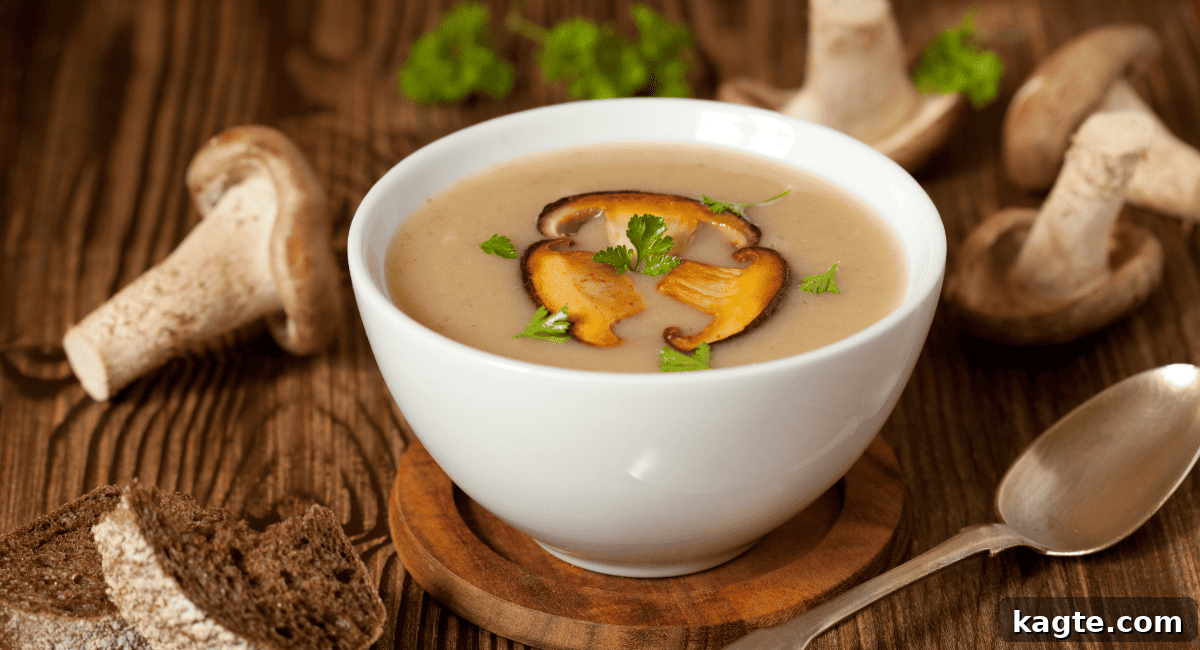
For an intensely savory, umami-rich, and vegetarian-friendly alternative, mushroom broth is an exceptional choice. It boasts a deep, earthy flavor that can mimic the robustness often associated with beef broth, making it perfect for dishes where you want a hearty, full-bodied base. To make your own, simmer a medley of mushrooms (such as cremini, shiitake, or dried porcini) with onions, garlic, and herbs until a rich, dark liquid forms. Store-bought mushroom broth is also readily available. It excels in risottos, gravies, meatless stews, and any recipe where a profound savory character is desired. It’s a fantastic option for adding a dark, complex flavor without using any meat products.
Vegetable Broth
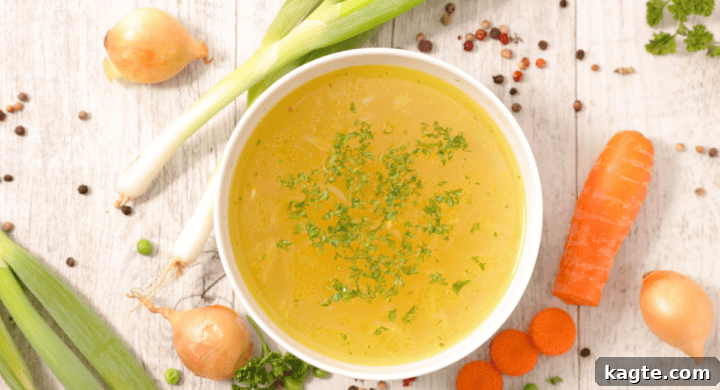
A classic and universally accepted substitute, vegetable broth offers a delicate yet earthy flavor that integrates seamlessly into most recipes. Crafted from simmered vegetables like carrots, celery, onions, and various aromatic herbs, this option is ideal for maintaining a light and clean profile in your dishes. It’s a superb choice for vegetarian and vegan meals, and its mildness makes it highly adaptable. Use it in a 1:1 ratio for beef broth in almost any application, from light soups to simmering grains. For a more robust flavor akin to beef broth, consider using a low-sodium vegetable broth and enhancing it with a splash of soy sauce or a few drops of liquid smoke, depending on your recipe.
Sauces & Condiments
These pantry staples, often used for seasoning, can surprisingly step in as excellent beef broth substitutes, particularly when diluted or used in conjunction with water to create a flavorful liquid base. Their concentrated flavors pack a powerful punch.
Soy Sauce
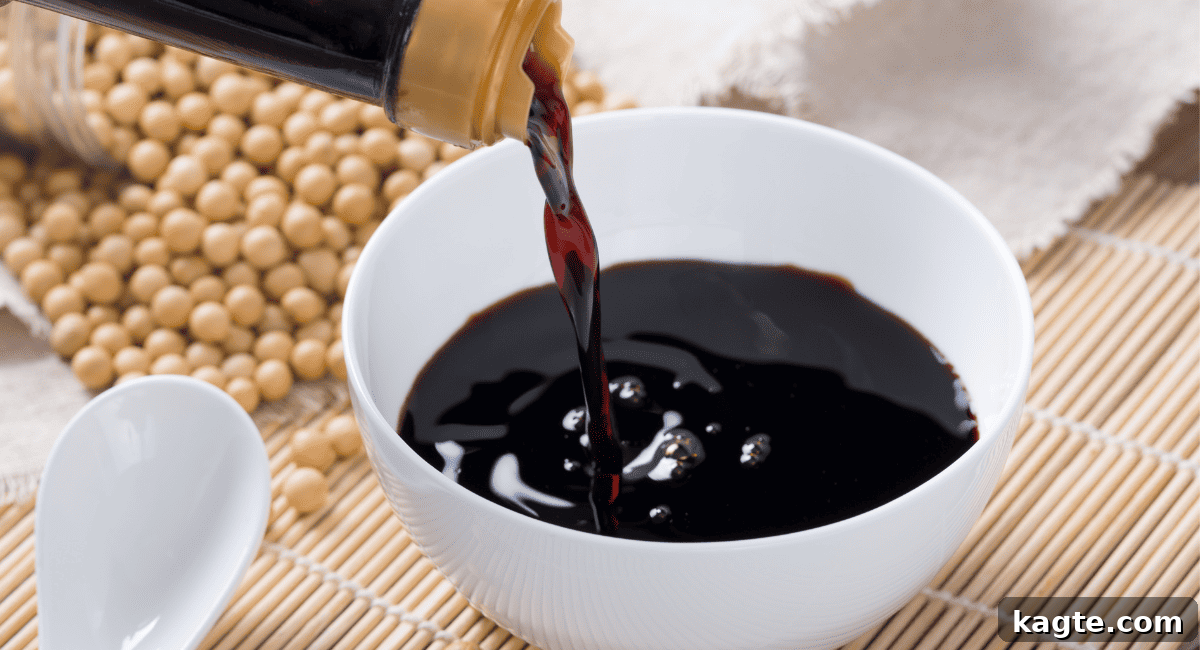
Soy sauce is a readily available and highly effective substitute, especially when you need to impart a salty, umami-rich flavor and a dark hue to your dish. A combination of soy sauce and water can work wonders, mimicking the savory depth of beef broth without the meat. Its potent flavor makes it an excellent addition to stir-fries, marinades, gravies, and Asian-inspired recipes. When using soy sauce as a substitute, it’s crucial to dilute it with water, typically at a ratio of 1 part soy sauce to 7-10 parts water, depending on the desired intensity and the saltiness of your specific soy sauce. Always taste as you go, as its sodium content is high. For gluten-free needs, opt for tamari, a gluten-free alternative that offers a similar flavor profile.
Worcestershire Sauce

Worcestershire sauce is another umami powerhouse that can serve as an excellent beef broth substitute, particularly for adding a layer of complex, savory, slightly tangy flavor. Its unique blend of vinegar, molasses, anchovies (note for vegetarians/vegans), tamarind, and spices contributes a profound depth that can enhance stews, gravies, marinades, and even simple pan sauces. Since Worcestershire sauce is highly concentrated, it should be used sparingly and diluted. A good practice is to add a small amount (e.g., a teaspoon or tablespoon per cup of water or other liquid), taste, and adjust as needed. For vegetarian or vegan diets, there are several brands offering anchovy-free Worcestershire sauces that can provide a similar flavor profile.
Liquid Aminos

Liquid Aminos, often found in health food stores, is a popular gluten-free and vegan alternative to soy sauce, making it an excellent choice for a beef broth substitute. Derived from soybeans (like soy sauce) or coconuts, it delivers a rich, savory, and slightly salty umami flavor that can impart significant depth and a desirable dark color to your dishes. It’s particularly beneficial for those avoiding gluten or looking for a less processed alternative to traditional soy sauce. Like soy sauce, Liquid Aminos is concentrated and should be diluted with water when used as a broth replacement. Start with a ratio of 1 part Liquid Aminos to 7-10 parts water, adjusting to taste. It performs well in stir-fries, marinades, soups, and any recipe where you need a quick umami boost.
Alcoholic Beverages
Beyond being enjoyable beverages, certain alcoholic liquids can serve a dual purpose in the kitchen, deglazing pans and adding a layer of sophisticated flavor to your dishes. The alcohol typically cooks off, leaving behind a concentrated essence.
Beer

Beer can be an unexpected yet effective substitute for beef broth, especially in heartier dishes where you want to add richness and a distinct flavor profile. Darker beers like stouts or porters can contribute a malty, roasted depth, while lagers or ales offer a lighter, crisper note. The alcohol content typically evaporates during the cooking process, leaving behind a complex flavor that complements stews, braised meats, and rich gravies. If you prefer to avoid alcohol entirely, even after cooking, many high-quality non-alcoholic beers are now available that can provide similar flavor dimensions without the ethanol. Experiment with different types of beer to find one that best suits the specific flavor profile of your dish, and use it in a 1:1 ratio, adjusting other seasonings as needed.
Red Wine

Elevate your recipes with the sophisticated complexity of red wine as a beef broth alternative. Simmering red wine with herbs and aromatics creates a bold and flavorful base that can deeply enrich a wide variety of dishes. Its tannic structure, fruity notes, and acidity add layers of flavor that can mimic the richness of beef broth, making it a fantastic substitute for hearty stews, braised short ribs, pot roasts, and rich pan sauces. As with beer, the alcohol cooks off during the simmering process, leaving behind its concentrated essence. Choose a dry red wine that you would enjoy drinking, as its quality will directly impact the flavor of your dish. Use it as a 1:1 replacement, or reduce it slightly to intensify the flavor before adding other liquids.
Pantry Basics
These common kitchen staples offer convenient and effective solutions when you need a beef broth substitute in a pinch. They range from concentrated flavor boosters to acidic, vibrant liquids.
Bouillon Cubes / Granules

Bouillon cubes or granules are a quick, convenient, and cost-effective substitute for beef broth. They are essentially dehydrated broth, offering an excellent method to infuse a concentrated beef (or chicken or vegetable) flavor into your meal without the hassle of preparing a whole pot of fresh broth. The best part is their ease of use: they dissolve quickly in hot water, instantly creating a savory liquid. Ensure you read the package instructions for the correct dilution ratio, as concentration can vary between brands. While incredibly handy, be mindful of their sodium content, as bouillon can be quite salty. Opt for low-sodium versions if available, and adjust the seasoning of your dish accordingly. They are perfect for last-minute recipe adjustments and can be used in almost any dish that calls for broth.
Tomato Juice

Adding tomato juice to your dishes can give them a tangy, vibrant flavor and a beautiful color. With its natural acidity and bold, fruity notes, it’s an intriguing substitute for beef broth, especially in recipes that call for a tomato-rich base, such as chili, hearty stews, or certain sauces. While it doesn’t replicate the savory umami of beef broth directly, its depth of flavor and liquid consistency make it a suitable base. When using tomato juice, consider balancing its acidity with a pinch of sugar or a richer ingredient to ensure it complements your dish’s overall profile. It can be used in a 1:1 ratio with beef broth, but be aware that it will impart a distinct tomato flavor and reddish hue, so choose this substitute when those characteristics are welcome in your recipe.
From umami-rich mushroom broth to tangy tomato juice, and from versatile chicken broth to complex red wine, each substitute on this list possesses the power to elevate your recipes and save your meal in a pinch. Don’t be afraid to experiment and discover new flavor combinations!
General Tips for Substituting Beef Broth
When replacing beef broth in a recipe, keep these general guidelines in mind to ensure the best results:
- Taste as You Go: This is the golden rule of cooking. Substitutes can vary greatly in intensity and saltiness. Start with a smaller amount, taste, and add more if needed.
- Consider the Dish’s Flavor Profile: Think about the primary flavors of your recipe. For lighter dishes, vegetable or chicken broth might be best. For rich, savory stews, mushroom broth or a diluted sauce might be more appropriate.
- Adjust Seasoning: Many substitutes (like soy sauce or bouillon) are high in sodium. Reduce or omit added salt in your recipe until you’ve tasted the dish with the substitute.
- Dilution is Key: Concentrated substitutes like soy sauce, Worcestershire sauce, or liquid aminos should almost always be diluted with water to prevent overwhelming your dish.
- Account for Color Changes: Some substitutes, like red wine or tomato juice, will alter the color of your final dish. Consider if this is desirable or if you need to adjust other ingredients for presentation.
- Don’t Be Afraid to Combine: Sometimes, the best substitute is a combination. For example, vegetable broth enhanced with a dash of soy sauce or dried mushroom powder can create a more beef-like flavor.
Frequently Asked Questions
Beef broth is highly valued in cooking for several reasons. It provides a deep, savory, and complex flavor base that enriches soups, stews, sauces, and gravies. Beyond flavor, it contributes to the body and mouthfeel of dishes due to its gelatin content (especially homemade broth derived from bones), offering a comforting richness. From a nutritional standpoint, bone broth, in particular, is often lauded for containing collagen, amino acids, and minerals, which many believe support gut health, joint health, and overall well-being. It can be consumed on its own for a health boost or used to add both flavor and nutrition to a wide array of savory meals.
Yes, you can use water instead of beef broth, especially if no other suitable liquid is available. However, be aware that water will not contribute any flavor or richness to your dish, potentially leaving it tasting bland or lacking depth. While it will provide the necessary moisture, you will likely need to significantly enhance the seasoning with additional salt, herbs, spices, or other flavorful ingredients to compensate for the absence of broth. For a much better result, it’s generally recommended to swap water out for any type of broth—chicken, vegetable, or even a diluted sauce—whenever a recipe calls for broth, to ensure your dish retains its intended savory character.
Broth is a fundamental culinary ingredient primarily used to impart a significant depth of flavor in liquid form. Unlike plain water, broth is well-seasoned and typically simmered with bones, meat, vegetables, and herbs, infusing it with a savory, aromatic essence. It serves multiple crucial roles in cooking: it acts as a flavorful liquid base for soups, stews, and braises; it enriches sauces and gravies; it provides moisture and tenderness to cooked grains like rice and quinoa; and it can be used to deglaze pans, capturing flavorful browned bits. Using broth elevates a dish beyond what water alone can achieve, adding complexity, aroma, and a satisfying mouthfeel, transforming simple ingredients into a more harmonious and delicious meal.
More Cooking Resources
Cooking Resources
The Best Substitutes for Rice Vinegar
Appetizers
Ways To Eat Spinach Dip (Hot or Cold)
Dessert
Ice Cream Sundae Toppings Bar (BEST Ideas)
Cooking Resources
Best 5 Substitutes for Parmesan Cheese (Pasta, Etc.)
Follow me on Pinterest, Facebook & Instagram.
Shop my Amazon Storefront!