

20 Best Orzo Substitutes for Every Dietary Need and Culinary Adventure
Are you a devoted fan of orzo, that wonderfully versatile, rice-shaped pasta? Perhaps you’re seeking a worthy alternative due to dietary restrictions, a desire to explore new culinary horizons, or simply because your pantry is out. Whatever your reason, you’ve landed in the perfect spot! This comprehensive guide will unveil the 20 best substitutes for orzo, ensuring you can continue crafting delicious meals, no matter the situation. We’ve meticulously curated options to suit every taste, dietary preference, and recipe type, from gluten-free grains to low-carb vegetables and various pasta shapes.

Orzo’s popularity stems from its small size, quick cooking time, and impressive ability to absorb flavors, making it a staple in soups, salads, pilafs, and comforting casseroles. However, its wheat-based composition isn’t suitable for everyone, and sometimes a different texture or nutritional profile is desired. By exploring these 20 excellent alternatives, you’ll discover a wide spectrum of flavors, textures, and nutritional benefits, empowering you to adapt your favorite recipes or inspire completely new dishes. Get ready to transform your cooking with these clever and delicious swaps!
Table of Contents
- What is Orzo?
- Rice Alternatives
- Wholesome Grain Substitutes
- Pasta Substitutes
- Nutrient-Rich Legume Options
- General Cooking Tips for Orzo Substitutes
- Frequently Asked Questions (FAQs)
What is Orzo?
Orzo, captivatingly known as “risoni” in Italian, is a distinctive type of pasta that brilliantly mimics the shape and size of grains of rice. Despite its striking rice-like appearance, orzo is fundamentally pasta, crafted from semolina flour, which is derived from coarsely ground durum wheat. This foundational ingredient gives orzo its characteristic firm texture and golden hue.
Originally from Italy, orzo has gained international acclaim for its incredible versatility. Its compact, elongated shape allows it to integrate seamlessly into a myriad of dishes, absorbing broths and sauces beautifully while offering a pleasant, slightly chewy texture when cooked al dente. Orzo cooks relatively quickly, typically in 8-10 minutes, making it a convenient choice for busy weeknights or when you need a quick addition to your meal. It’s a beloved component in creamy risottos (often called orzotto), hearty soups like minestrone and chicken noodle, vibrant cold pasta salads, and as a simple, elegant side dish dressed with olive oil and herbs. Its small size also makes it a fantastic choice for dishes where you want a substantial yet not overwhelming pasta element, offering a comforting bite without dominating other ingredients.
Rice Alternatives for Orzo
When seeking an orzo substitute, rice offers a natural starting point, given orzo’s uncanny resemblance to rice grains. These rice varieties provide similar textures and can beautifully mimic orzo’s role in many recipes, with some even offering gluten-free or low-carb advantages.
1. Arborio Rice
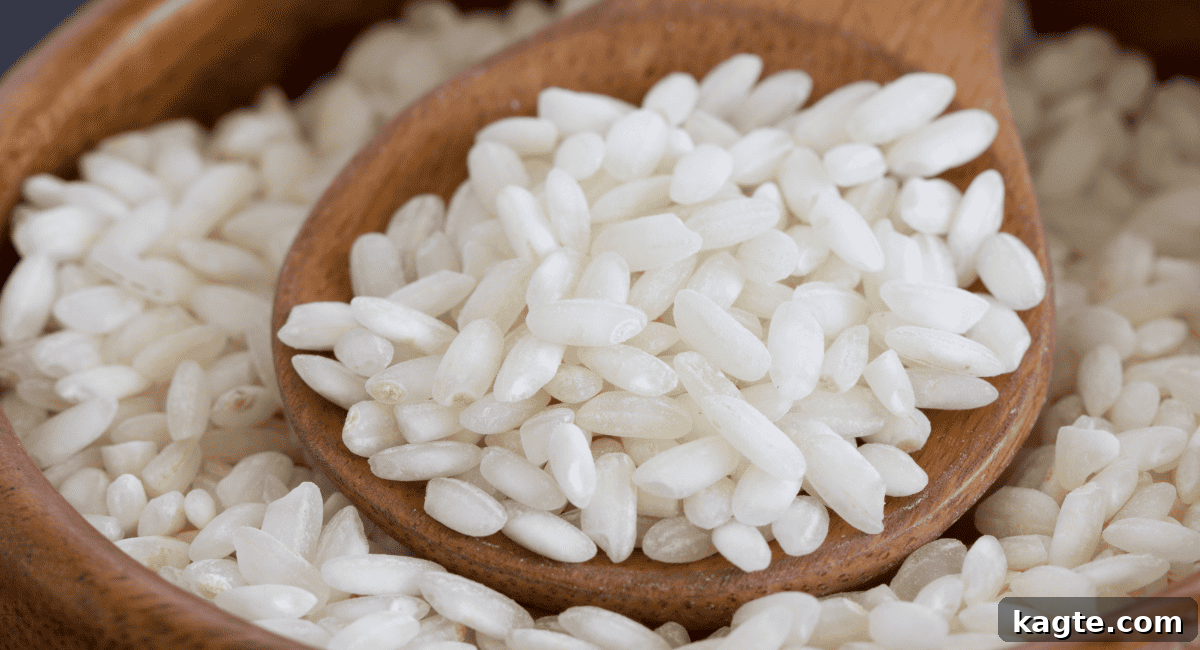
Arborio rice, another Italian culinary gem, is a short-grain rice renowned for its ability to create creamy, luscious risottos. Its grains are slightly larger than orzo but share a similar plump, oval shape. When cooked, Arborio rice releases its starch, developing a distinctive creamy texture while maintaining a firm, chewy core. This unique characteristic makes it an excellent orzo substitute, especially in dishes where you desire a rich mouthfeel, such as soups, stews, or even a creative “orzotto” style dish. It holds up well to simmering and stirring, ensuring a satisfying consistency that closely rivals that of traditional orzo.
2. Cauliflower Rice
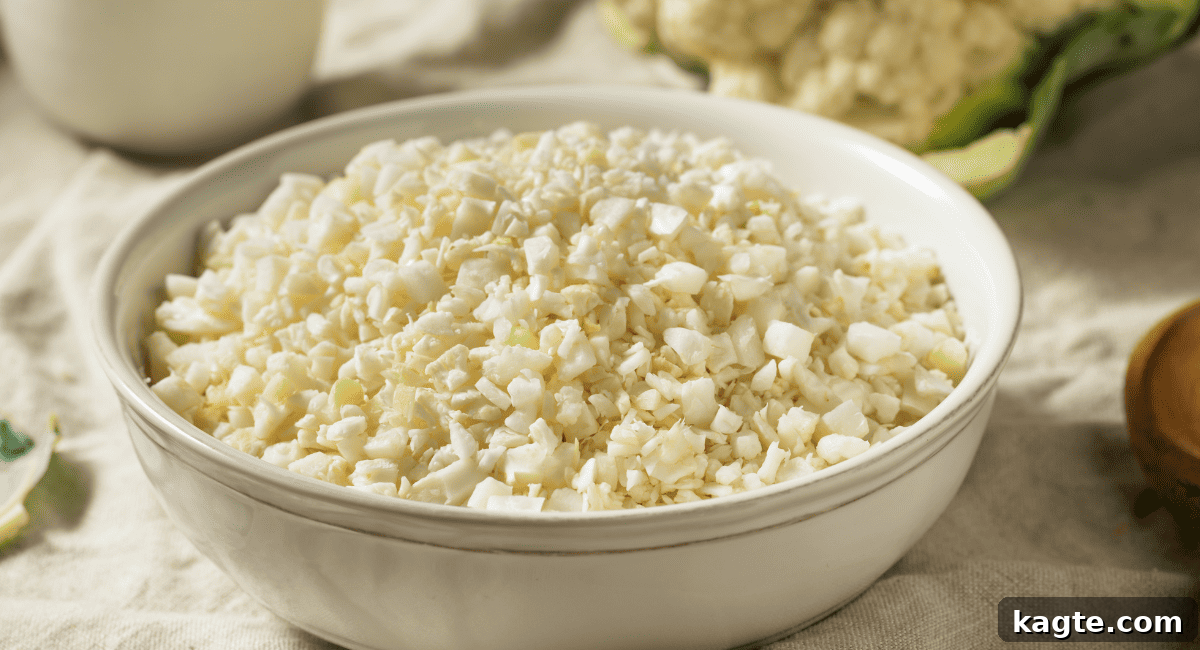
For those prioritizing a low-carb, gluten-free, or vegetable-rich option, cauliflower rice is a revolutionary substitute. Made by grating or pulsing cauliflower florets in a food processor until they resemble rice grains, it offers a surprisingly similar texture to cooked orzo. Cauliflower rice is incredibly versatile, easily absorbing the flavors of your dish without adding significant carbohydrates. It’s perfect for “risotto” style preparations, as a base for stir-fries, or folded into soups and salads for added nutrition and a lighter feel. Its neutral flavor ensures it won’t overpower your recipe, making it a fantastic and healthy stand-in.
Wholesome Grain Substitutes for Orzo
Beyond traditional rice, a variety of wholesome grains offer fantastic textural and nutritional alternatives to orzo. These options bring unique nutty flavors, hearty textures, and often a boost of fiber and protein to your meals.
3. Farro
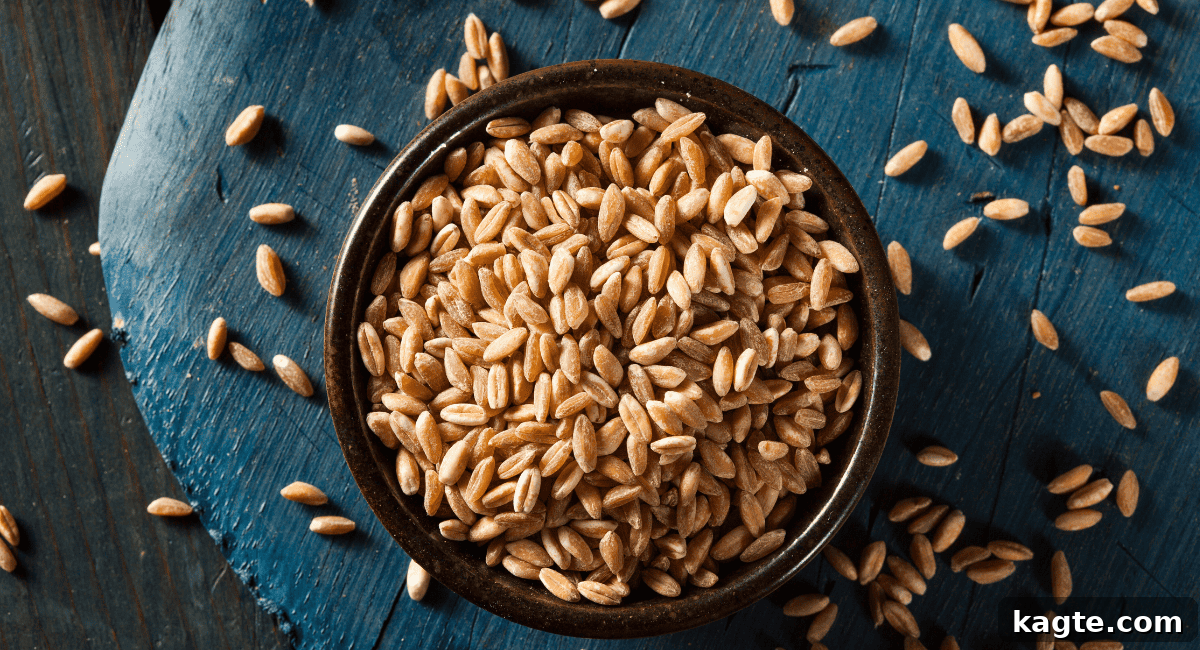
Farro, an ancient wheat grain, boasts a delightful nutty flavor and a uniquely satisfying chewy texture that makes it an outstanding alternative to orzo. Often found in pearled, semi-pearled, or whole varieties, pearled farro cooks the quickest and most closely resembles orzo in its application. It’s a whole grain powerhouse, rich in fiber and protein, lending a robust character to various dishes. Farro is particularly excellent in grain bowls, hearty salads, and stews, where its chewiness adds a pleasant contrast and substantial feel that beautifully complements other ingredients. Its ability to absorb flavors while retaining its distinct texture makes it a sophisticated and healthy swap.
4. Fregola Sarda
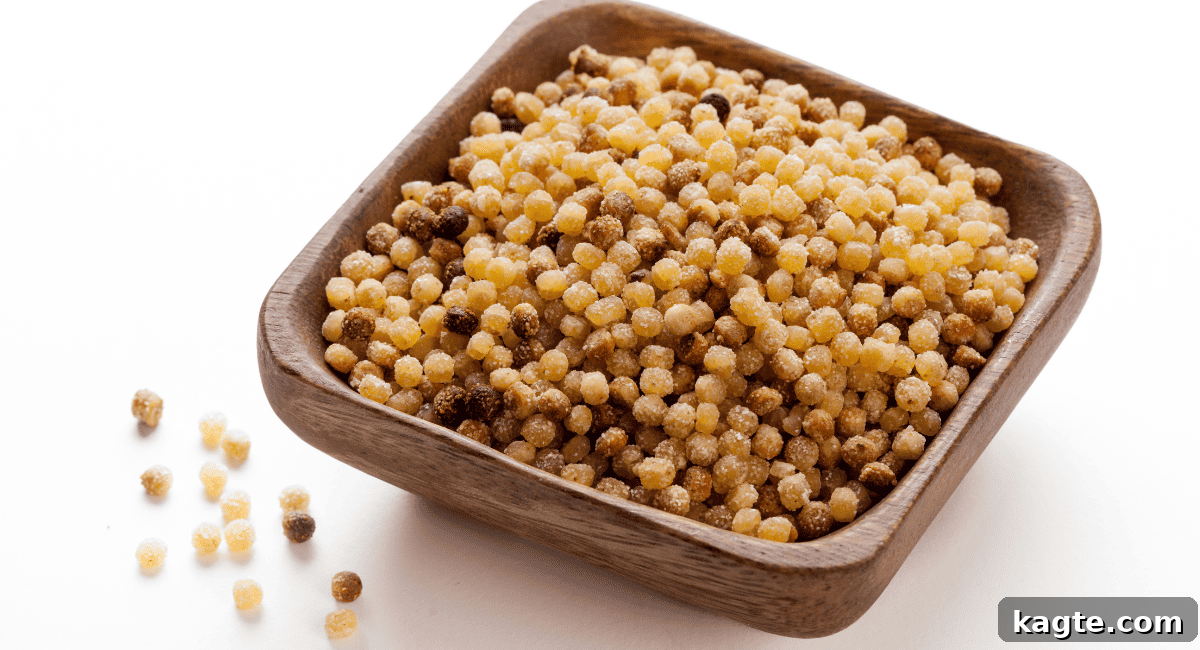
Hailing from Sardinia, Fregola Sarda is a unique pasta variety made from semolina dough that’s been rolled into small, irregular balls and then toasted. This toasting process imparts a distinctive nutty flavor and a slightly coarse, chewy texture, making it an exceptional alternative to orzo. Its rustic charm and firm bite work wonderfully in dishes where orzo might typically be used, such as hearty seafood stews, robust pasta salads, or as an accompaniment to roasted vegetables. Fregola’s unique preparation method gives it an earthy depth that elevates any recipe.
5. Quinoa
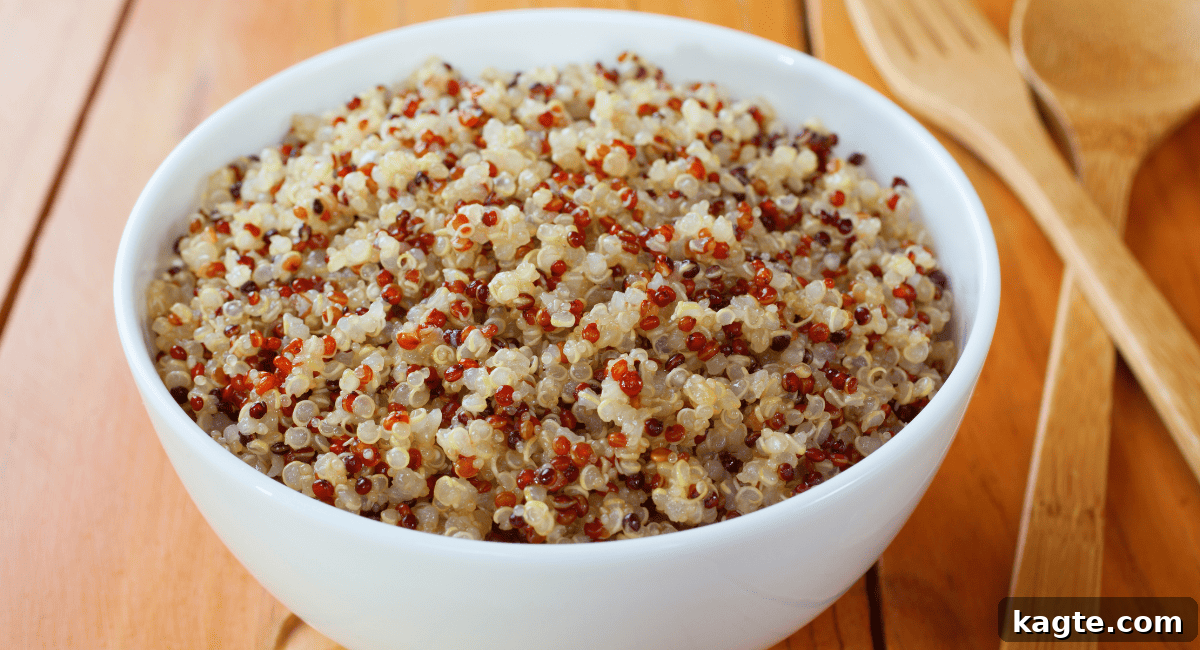
For a truly nutritious and naturally gluten-free option, quinoa stands out as an ideal substitute for orzo. This ancient pseudo-cereal offers a complete protein profile, making it a favorite among health-conscious eaters. Its mild, nutty taste and slightly chewy texture, coupled with a satisfying “pop” when cooked, bring a delightful twist to any dish. Quinoa cooks relatively quickly and works beautifully in pasta salads, as a base for grain bowls, or incorporated into pilafs and soups. Its small, round grains are somewhat reminiscent of orzo, ensuring it blends seamlessly into recipes while boosting their nutritional value.
6. Pearl Barley
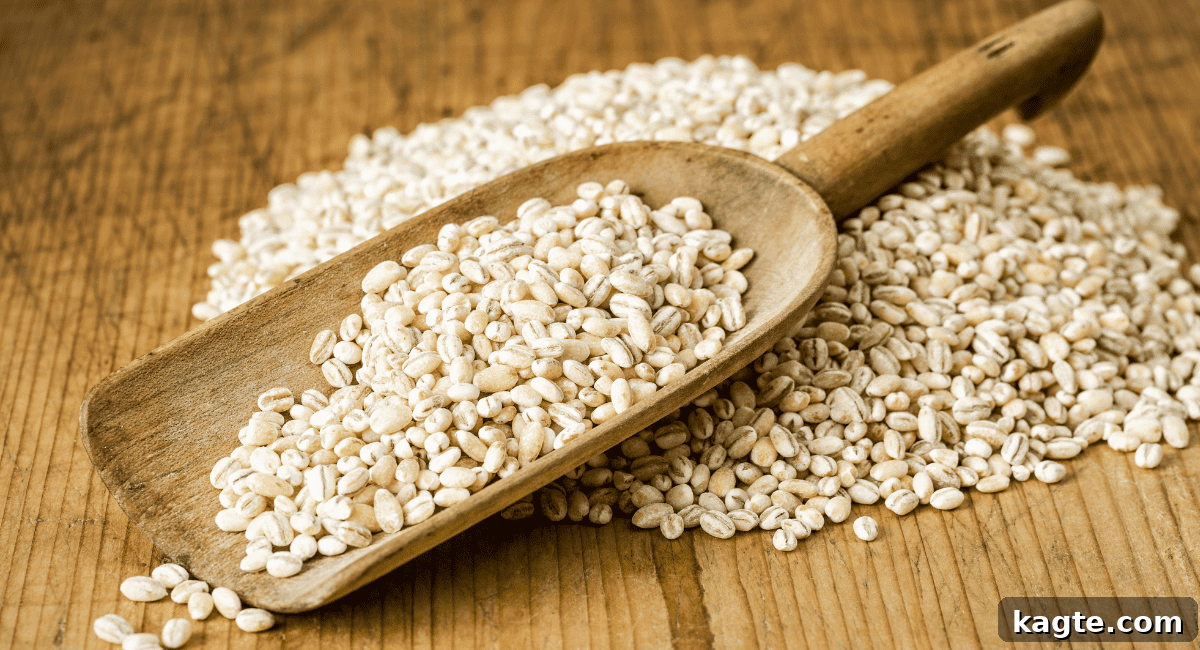
Pearl barley, a hulled and polished form of barley, offers a satisfyingly chewy texture and a gentle, nutty flavor. While it takes longer to cook than orzo, its heartiness and robust nature make it an excellent substitute, particularly in comforting soups, rich stews, and substantial casseroles. It adds a rustic touch and a pleasant density to dishes, providing a more filling and fiber-rich alternative. If you’re looking to add depth and a wholesome, earthy character to your meal, pearl barley is a fantastic choice that holds its shape and texture well during cooking.
7. Kamut (Khorasan Wheat)
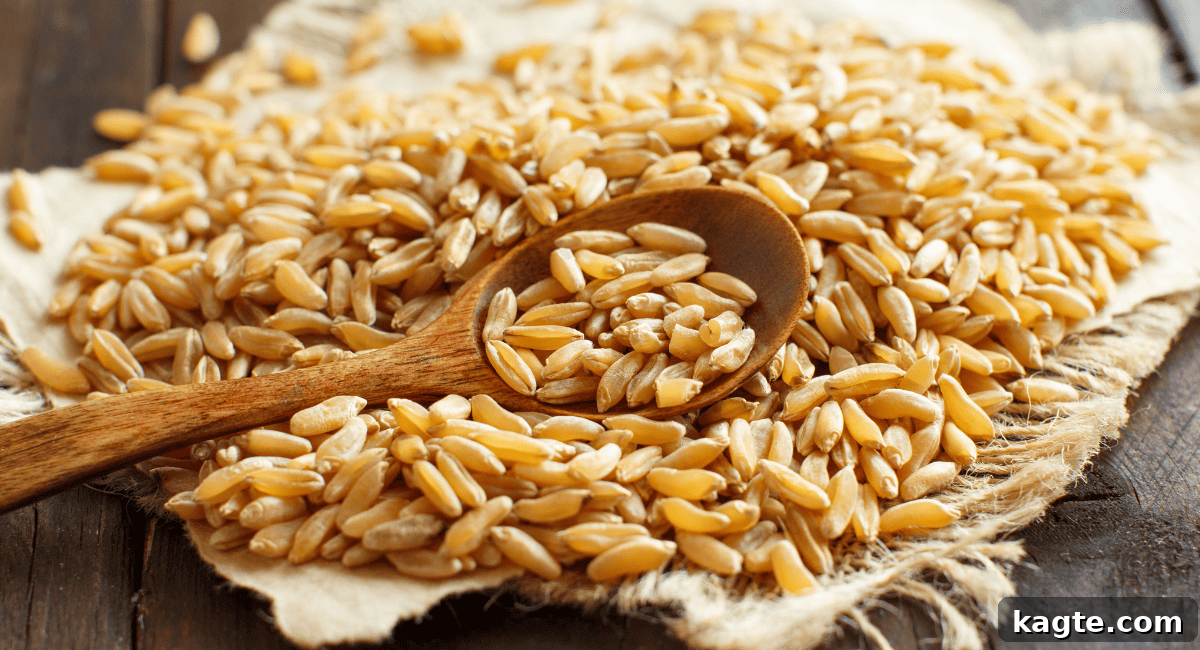
Kamut, also known as Khorasan wheat, is an ancient grain with a distinctive large, plump kernel. It boasts a rich, buttery flavor and a firm, chewy texture that provides a wonderful alternative to orzo, especially in warm grain salads, pilafs, or as a standalone side dish. Kamut is known for its high protein content and robust nutritional profile, offering a satisfying and wholesome bite. While it requires a longer cooking time than orzo, its unique taste and substantial texture make the wait well worth it, adding an exotic and healthful dimension to your recipes.
8. Millet
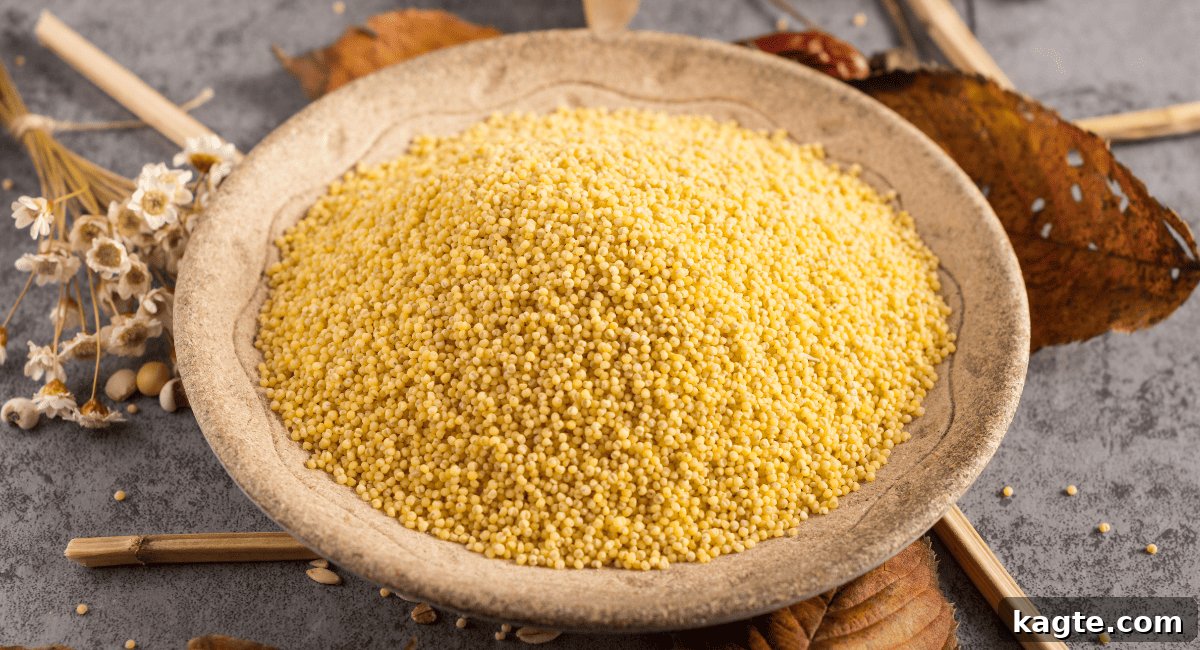
Millet is a naturally gluten-free grain that offers a mild, slightly nutty flavor and a light, fluffy texture when cooked. Its small, round grains are remarkably similar in size and shape to orzo, making it an excellent and visually comparable alternative. Millet is a versatile grain that can be used in a variety of recipes, from being cooked like rice to forming the base of porridges or added to soups and stews for extra body and nutrition. It cooks relatively quickly and efficiently, making it a convenient and healthy choice when you need a gluten-free and easily digestible orzo substitute.
9. Spelt Berries
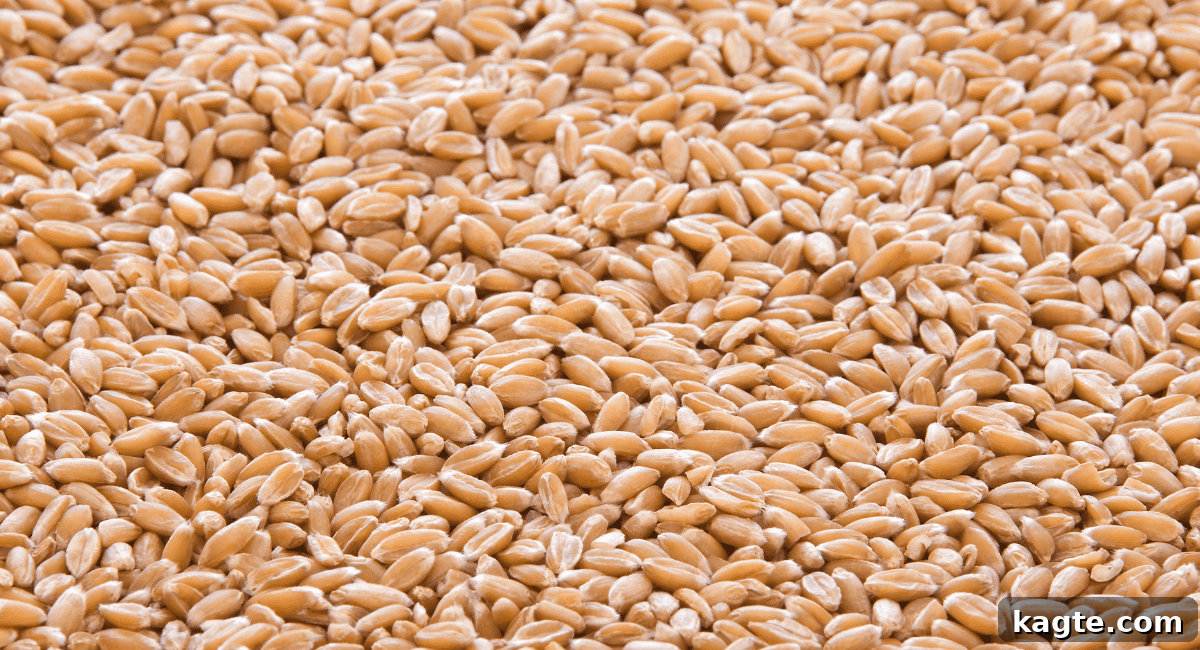
Spelt berries, a form of whole grain spelt, offer a distinctive slightly nutty and subtly sweet flavor. They possess a satisfyingly firm and chewy texture that can introduce a wonderful depth and earthiness to your dishes when used as an orzo substitute. Like other ancient grains, spelt berries are packed with fiber and nutrients, contributing to a more wholesome meal. They hold their shape well, making them ideal for adding substance to hearty salads, robust side dishes, or as a textural contrast in soups and stews. Spelt berries provide a hearty and flavorful experience, albeit with a longer cooking time.
10. Wheat Berries
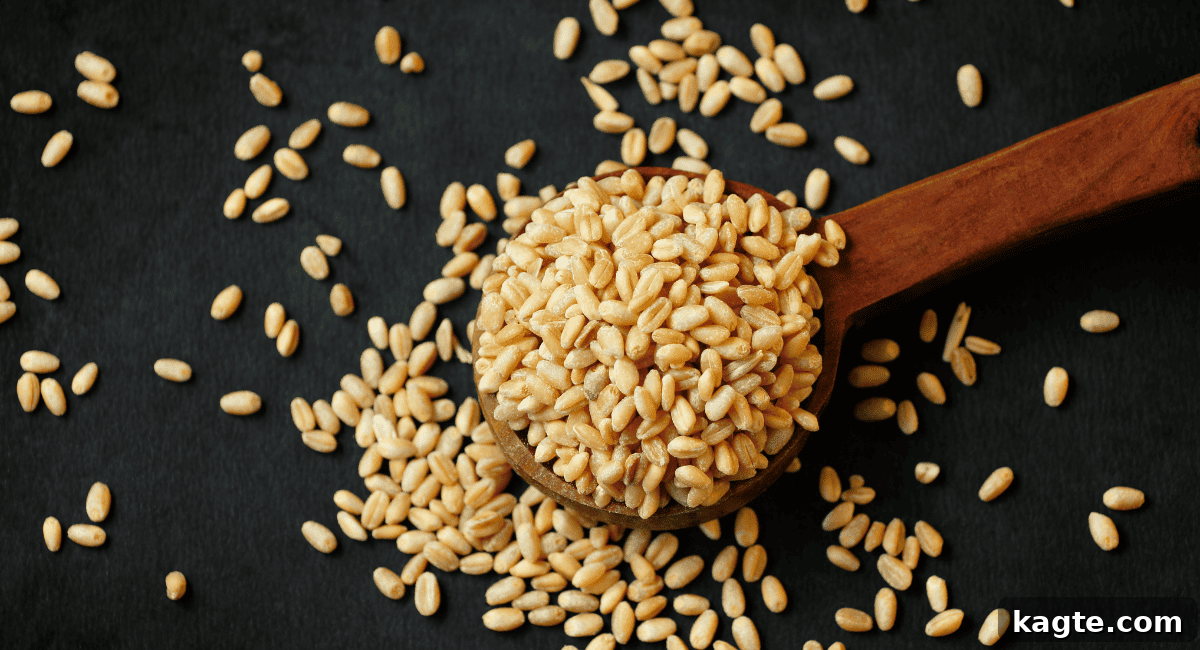
Wheat berries are simply whole, unprocessed wheat kernels, offering a robust, nutty flavor and a firm, satisfyingly chewy texture. They are an excellent whole-grain alternative to orzo, providing a significant boost of fiber and nutrients. While they require a longer soaking and cooking time than orzo, the resulting texture is incredibly rewarding, making them ideal for cold grain salads, warm side dishes, or as a hearty addition to soups and stews. Their substantial bite ensures your dish feels more filling and adds a pleasant, rustic dimension that differs from but beautifully replaces orzo.
11. Bulgur Wheat
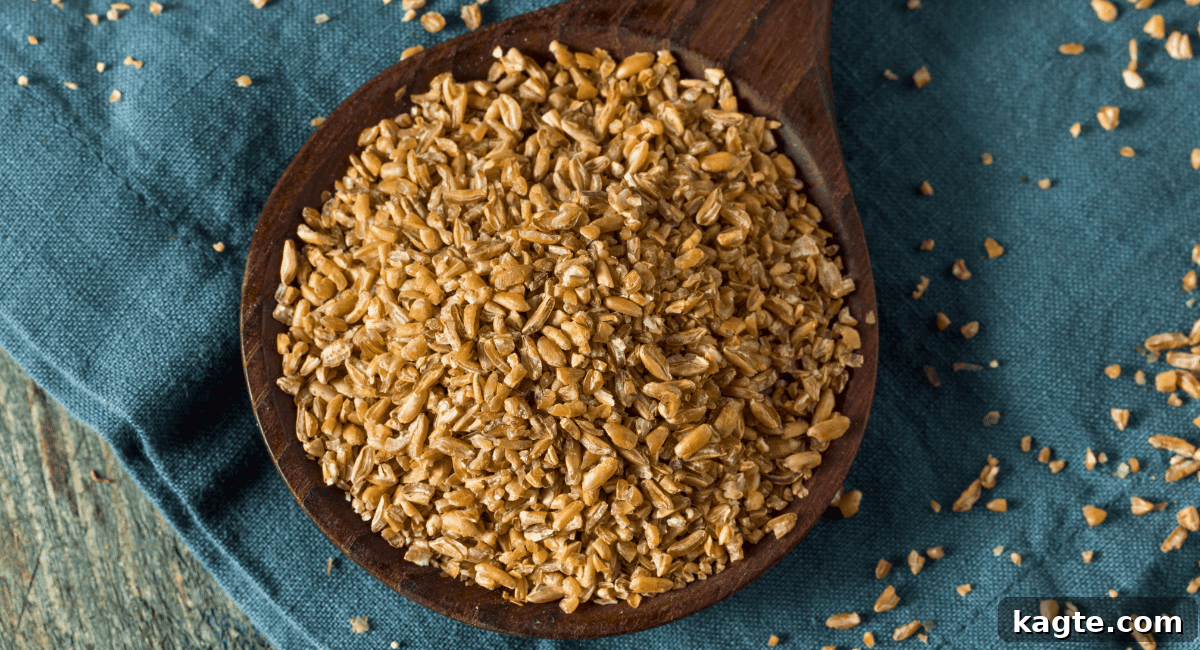
Bulgur wheat, a staple in Middle Eastern cuisine, is made from parboiled, dried, and cracked wheat kernels. Its convenient pre-cooked nature means it requires minimal preparation – often just soaking in hot water – making it a quick and easy orzo substitute. Bulgur offers a light, nutty flavor and a pleasant, chewy texture that is well-suited for a variety of dishes. It’s famously used in tabbouleh and kibbeh, but it also excels in pilafs, grain-based salads, and as a healthy side dish. Its fine to medium grind can closely mimic the mouthfeel of orzo, providing a wholesome and fiber-rich alternative.
Pasta Substitutes for Orzo
If you’re seeking a pasta-for-pasta swap, there are numerous small pasta shapes that can beautifully step in for orzo, offering a familiar texture and cooking experience.
12. Israeli Couscous (Pearl Couscous)
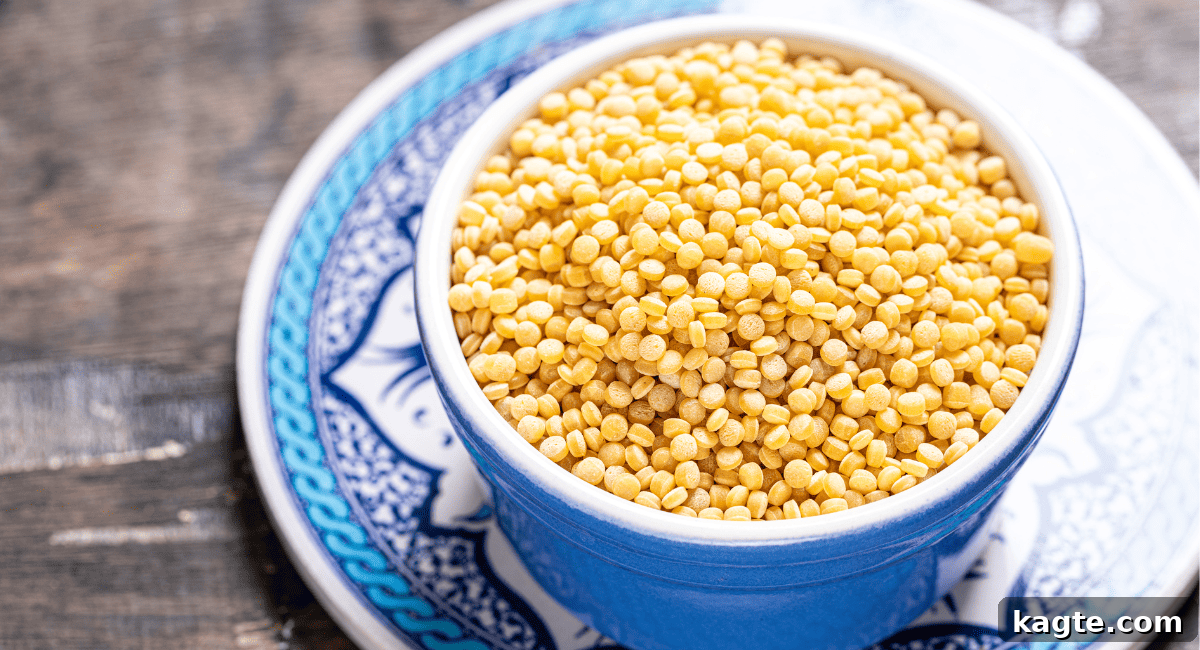
Also widely known as pearl couscous or ptitim, Israeli couscous is distinct from traditional Moroccan couscous. These small, toasted balls of semolina pasta are considerably larger and chewier than their fine-grained counterpart, making them an excellent textural match for orzo. Their distinct, slightly chewy texture and ability to absorb flavors well add a pleasant bite to dishes. Israeli couscous excels in salads, as a base for roasted vegetables, or as a side dish, providing a comforting and familiar pasta experience that perfectly replaces orzo in terms of mouthfeel and versatility.
13. Pastina
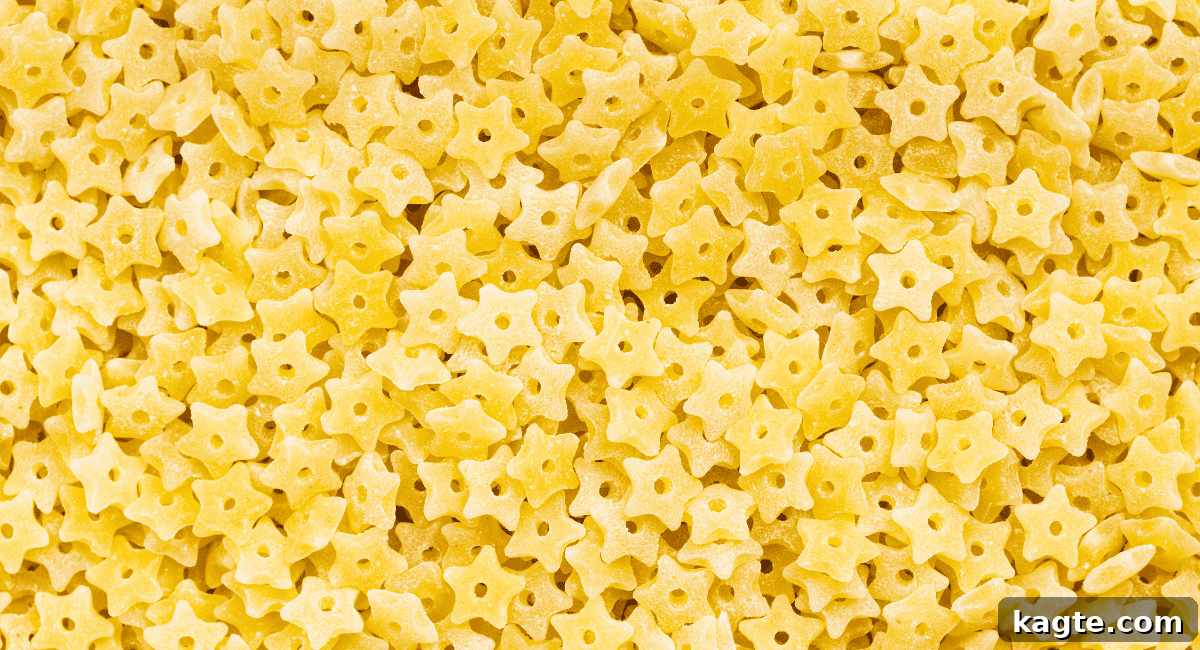
Pastina, translating to “little pasta,” encompasses various tiny pasta shapes, often resembling tiny stars, grains, or flakes. Due to its exceptionally small size, pastina is an ideal substitute for orzo, particularly in delicate soups and dishes where a subtle pasta presence is desired. It cooks incredibly quickly, often in just a few minutes, making it a convenient choice for meals that require minimal preparation time, such as comforting broths or a gentle first food for children. Pastina offers a tender texture that mirrors orzo’s melt-in-your-mouth quality in many liquid-based recipes.
14. Acini di Pepe
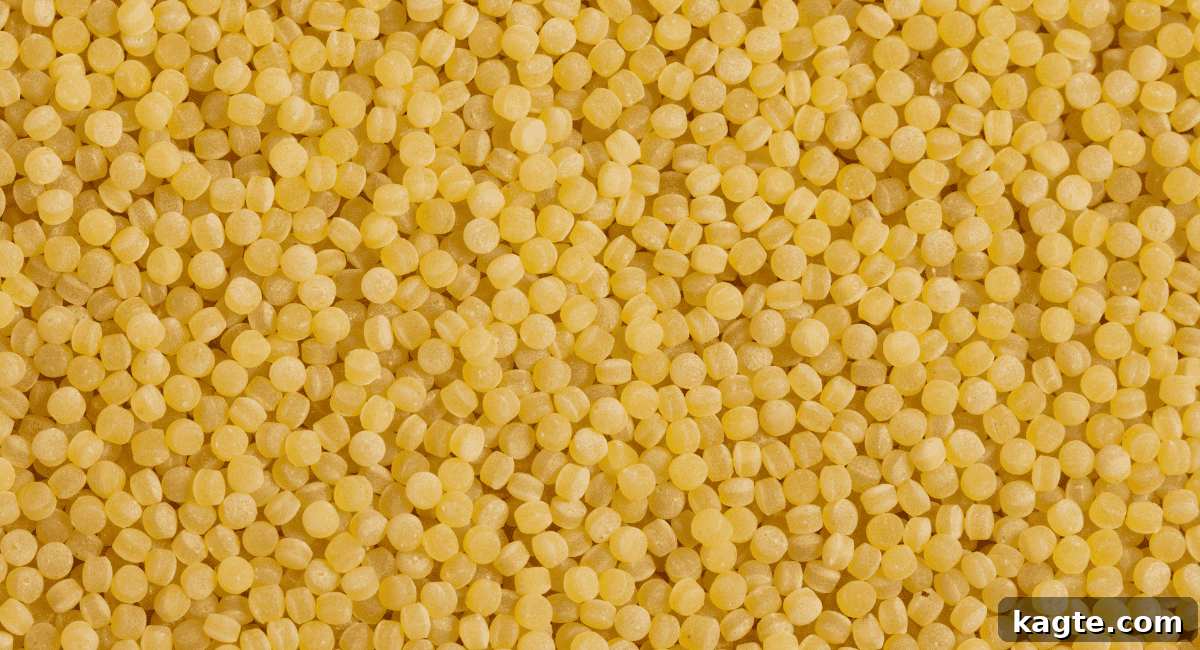
Acini di Pepe, meaning “peppercorns” in Italian, is a small, round pasta that bears a striking resemblance to tiny beads or peppercorns, making it very similar in size to orzo. This miniature pasta is a common feature in traditional Italian soups, such as wedding soup, and light salads. Acini di Pepe offers a delicate yet slightly chewy texture that makes it an excellent, almost seamless substitute for orzo. Its ability to blend effortlessly into broths and sauces while providing a pleasant mouthfeel makes it a superb choice for a wide array of dishes, from comforting sides to vibrant salads.
15. Couscous
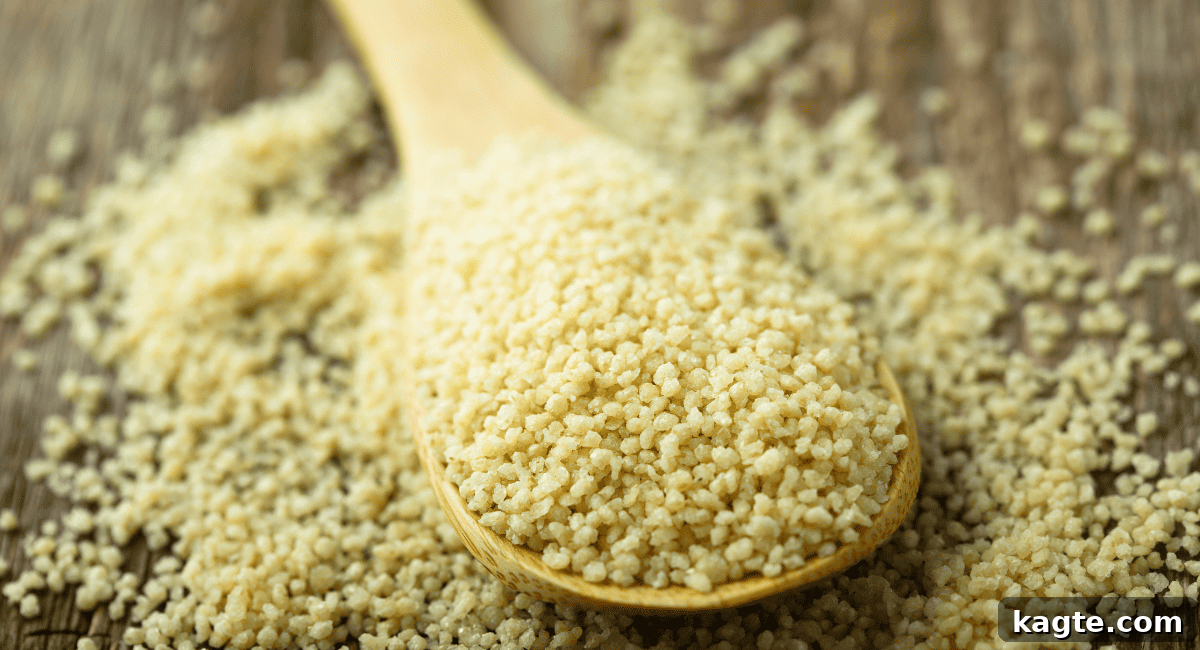
Traditional couscous, particularly the finer Moroccan variety, is a beloved Mediterranean pasta made from finely ground durum wheat semolina. Its delicate, granular texture and incredibly quick preparation time (often just soaking in hot water or broth) make it an incredibly convenient and light replacement for orzo. Couscous fluffs up beautifully, creating a light and airy base that readily absorbs accompanying flavors. It’s a fantastic choice for serving alongside stews, in refreshing salads like tabbouleh, or as a simple, quick side dish. While its texture is finer than orzo, its overall impression in a dish is very similar.
16. Broken Spaghetti (or other long pasta)
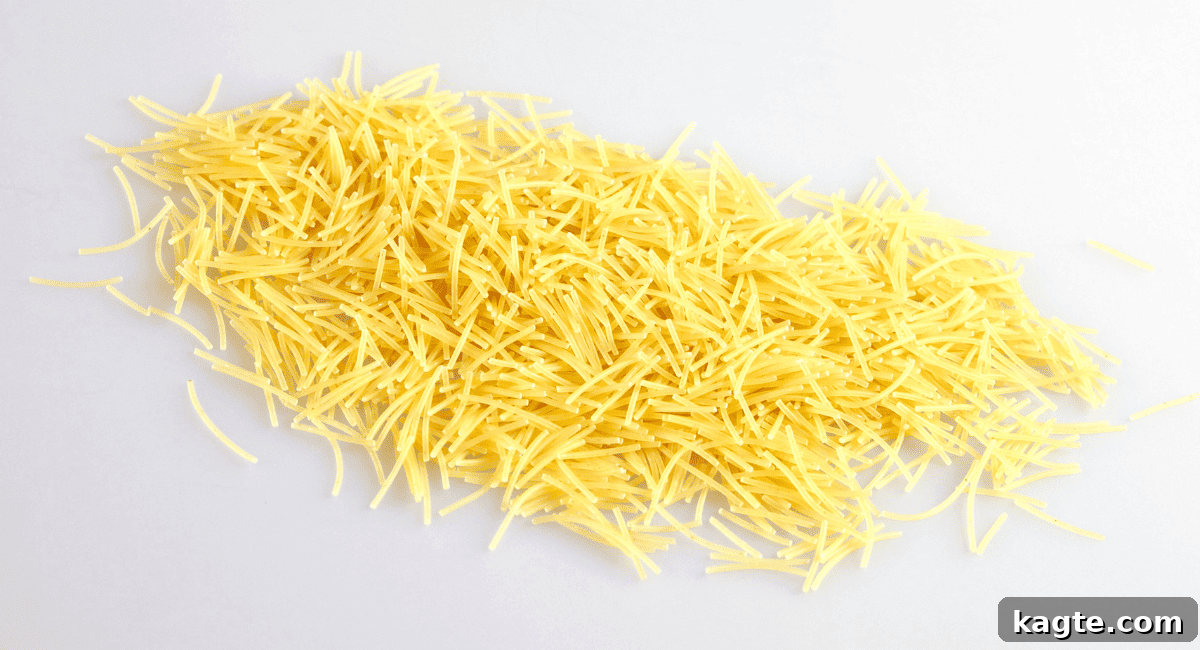
If you’re in a pinch and have no small pasta shapes on hand, broken spaghetti (or any other long, thin pasta like vermicelli or capellini) can be a surprisingly effective substitute for orzo. Simply break the dried spaghetti into small, 1-inch (2-3 cm) pieces before cooking. These smaller segments will mimic the general size and bite of orzo in soups, stews, and even improvised risottos. For an enhanced depth of flavor, you can toast the broken spaghetti pieces in a dry pan or a little olive oil before adding them to your dish, which will impart a delightful nutty aroma and taste, reminiscent of toasted orzo.
17. Ditalini
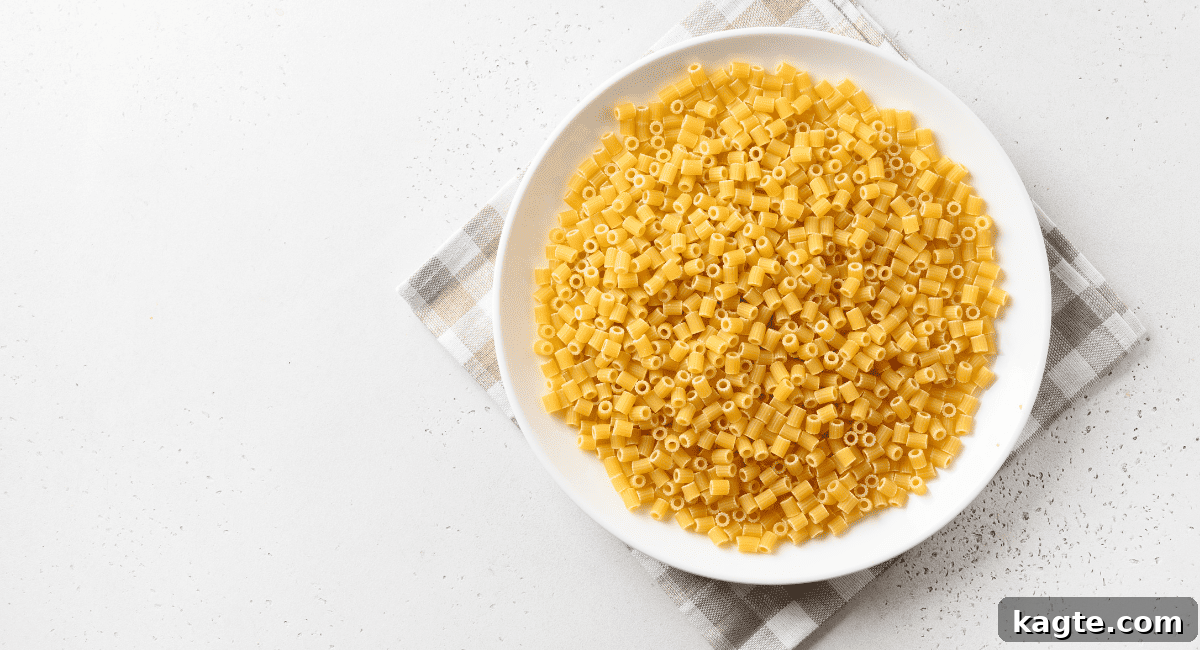
Ditalini, meaning “small thimbles,” is a miniature tube-shaped pasta made from durum wheat flour. Its small, hollow form and quick cooking time make it an excellent substitute for orzo, particularly in heartier dishes where you want a bit more substance. Ditalini is famously used in classic Italian-American comfort foods like pasta e fagioli, minestrone, and other thick soups and stews. It also works well in pasta salads, offering a similar texture and flavor profile to orzo but with a slightly more substantial bite due to its tubular shape. It’s a reliable and widely available pasta option.
18. Orecchiette
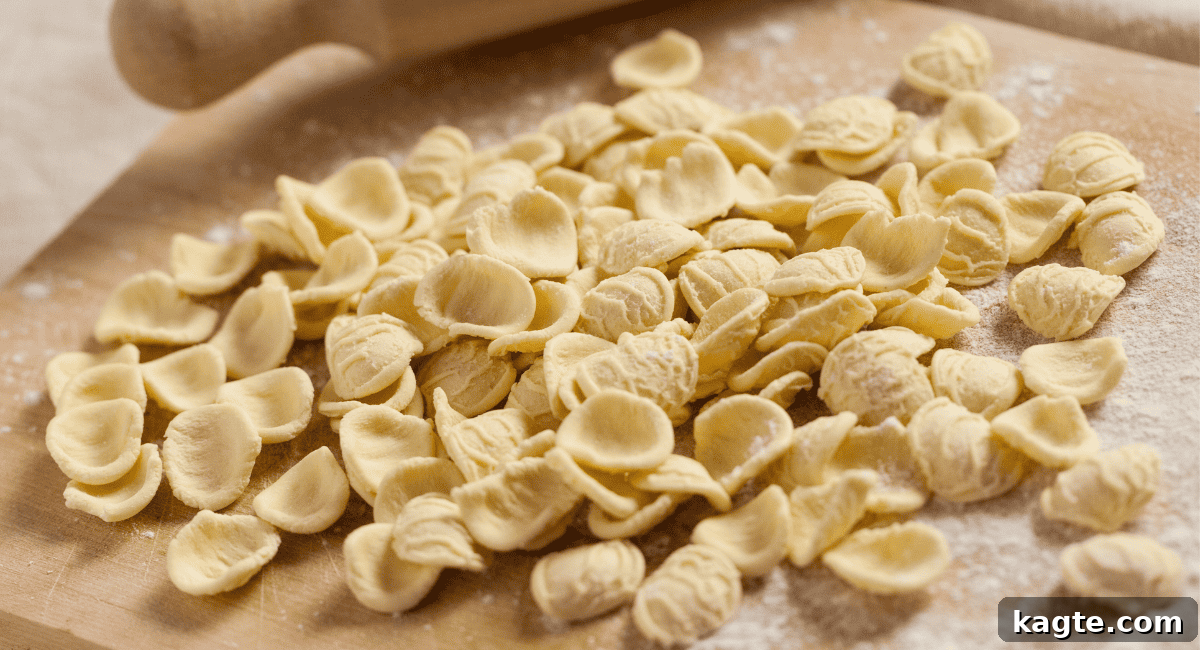
Orecchiette, meaning “little ears,” is a charming pasta shape originating from Puglia, Italy. These small, cup-shaped pasta pieces, typically made from semolina flour, are larger than orzo but share its ability to scoop up and hold sauces beautifully. While visually distinct, their chewy texture and relatively small size make them a surprisingly good substitute, especially in robust pasta salads, vegetable-rich dishes, or light brothy soups where you desire a more pronounced pasta presence. Orecchiette’s unique shape adds a delightful textural element that differs from orzo but is equally satisfying.
19. Tubettini
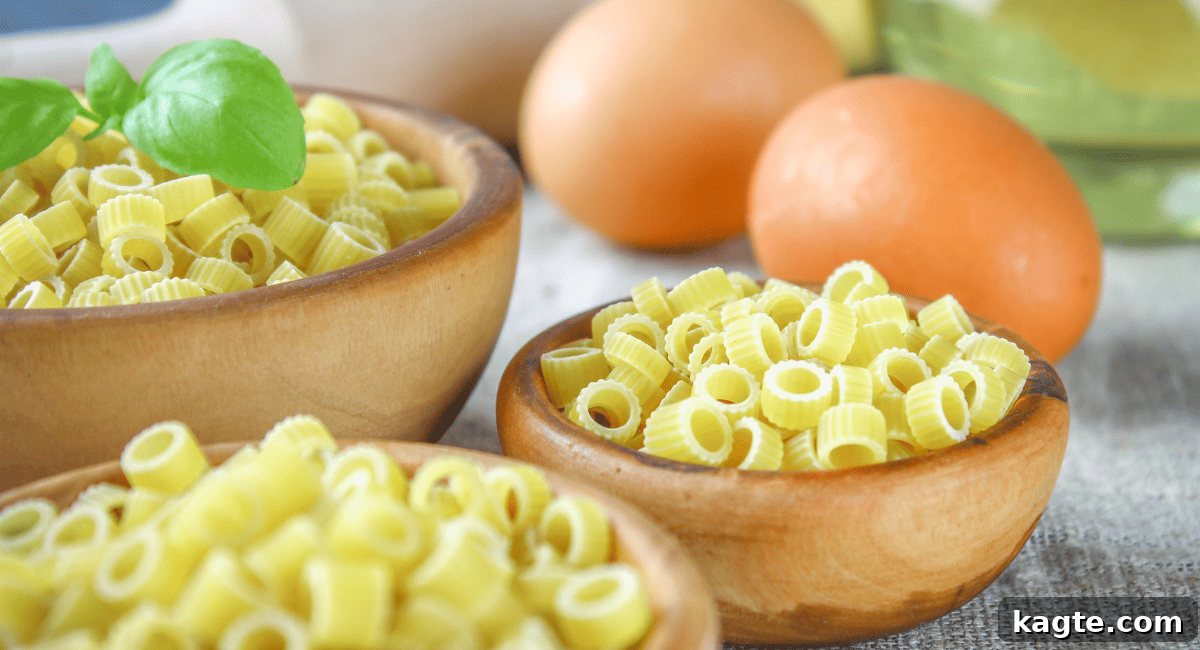
Tubettini, the smaller sibling of ditalini, are tiny, short tube-shaped pasta pieces made from semolina flour. Their minuscule size and rapid cooking time make them an ideal candidate for replacing orzo, particularly in soups and broths where you want a delicate yet satisfying pasta component. Tubettini blends seamlessly into liquid-based dishes, absorbing flavors and providing a familiar texture akin to orzo. They are perfect for adding body to light soups, enhancing the texture of minestrones, or even serving as a small, comforting side, offering a subtle chewiness that closely matches orzo’s appeal.
Nutrient-Rich Legume Options
For a plant-based, protein-packed, and gluten-free alternative, legumes can provide a hearty and nutritious substitute for orzo, bringing unique flavors and textures to your dishes.
20. Lentils
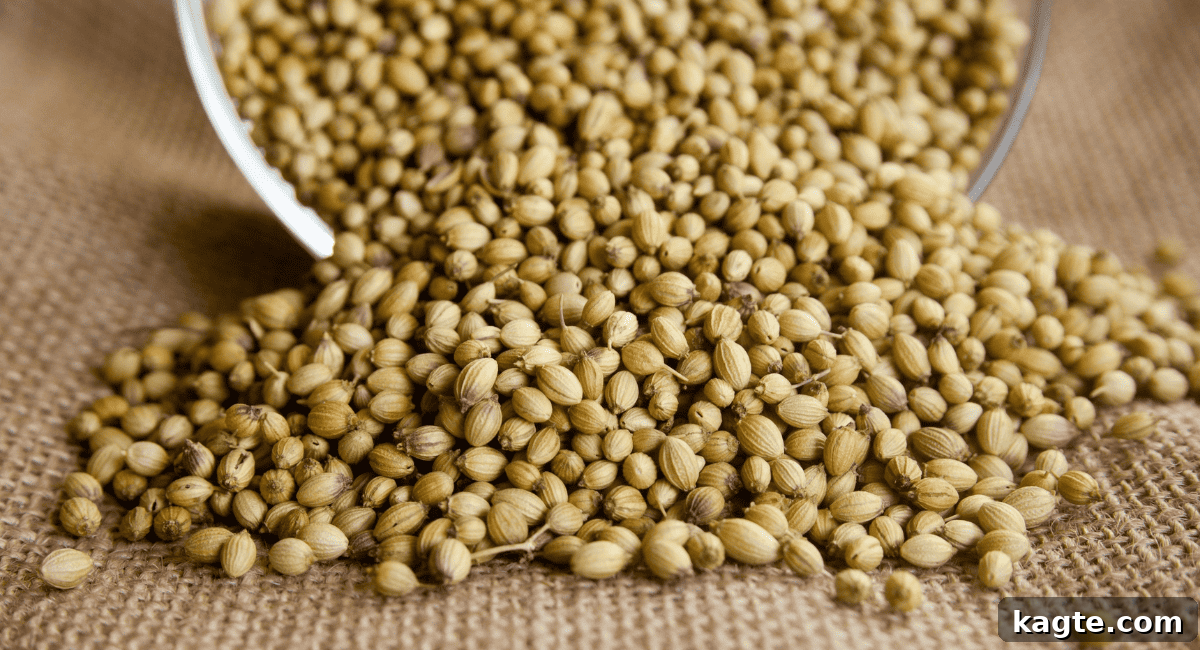
Cooked lentils, particularly smaller varieties like green or brown lentils, can be a surprisingly delightful and incredibly nutritious substitution for orzo. Their earthy taste and slightly firm, yet tender, texture work exceptionally well in hearty soups, stews, and robust casseroles, offering a substantial and protein-rich alternative. While their shape is rounder than orzo, their small size allows them to blend in seamlessly. Red lentils, which cook down to a creamy consistency, are fantastic for thickening soups, while green and brown lentils hold their shape better, providing a satisfying bite that enhances the overall texture of your dish. Lentils offer a powerful nutritional punch, making them an excellent choice for a wholesome and filling meal.
General Cooking Tips for Orzo Substitutes
- Check Cooking Times: Each substitute has a different cooking time. Always refer to package instructions or reliable recipes for the best results. Some grains like wheat berries require pre-soaking.
- Adjust Liquid Ratios: Grains and pasta absorb liquid differently. You may need to adjust the amount of broth or water in your recipe to achieve the desired consistency.
- Flavor Absorption: Smaller grains and pastas tend to absorb flavors more readily. Consider toasting grains like farro or bulgur lightly before cooking to enhance their nutty profiles.
- Texture Matters: Think about the desired texture of your final dish. Do you want something creamy like Arborio rice or something with a firm bite like farro?
- Dietary Needs: If cooking for specific dietary needs (gluten-free, low-carb), ensure your chosen substitute aligns with those requirements.
- Taste Test: Always taste your substitute during cooking to ensure it’s cooked to your preferred al dente or tender stage.
Frequently Asked Questions (FAQs)
Yes, absolutely! If you’re not specifically concerned about gluten-free options, any small pasta shape will be a fantastic and readily available substitute for orzo. Think pastina, acini di pepe, or even broken vermicelli.
While orzo closely resembles rice in appearance, its texture is distinctly that of pasta. When cooked al dente, it’s firm yet tender with a slight chew, whereas cooked rice typically has a softer, more starchy, or fluffy texture depending on the variety.
Yes, orzo is indeed a type of pasta. It’s classified as “pastina” (small pasta) and is specifically a thin, oval, rice-shaped pasta made from semolina flour, typically from durum wheat.
Not always. While some smaller pasta shapes like pastina or couscous cook very quickly, many grains such as farro, pearl barley, or wheat berries will require a longer cooking time. Always check the package instructions for your chosen substitute.
Excellent gluten-free options include quinoa, millet, cauliflower rice, and certain gluten-free pasta varieties (ensure they are small shapes). Lentils are also naturally gluten-free and make a nutritious alternative.
From the delicate texture of couscous and quinoa to the hearty chewiness of barley and lentils, each of these 20 substitutes brings its own unique qualities and benefits to the table. Don’t let a missing ingredient or dietary need deter your culinary creativity. Embrace the opportunity to experiment with these fantastic alternatives, discover new flavors, and broaden your cooking repertoire. Happy cooking, and enjoy your delicious journey!
Follow me on Pinterest, Facebook & Instagram.
Shop my Amazon Storefront!