
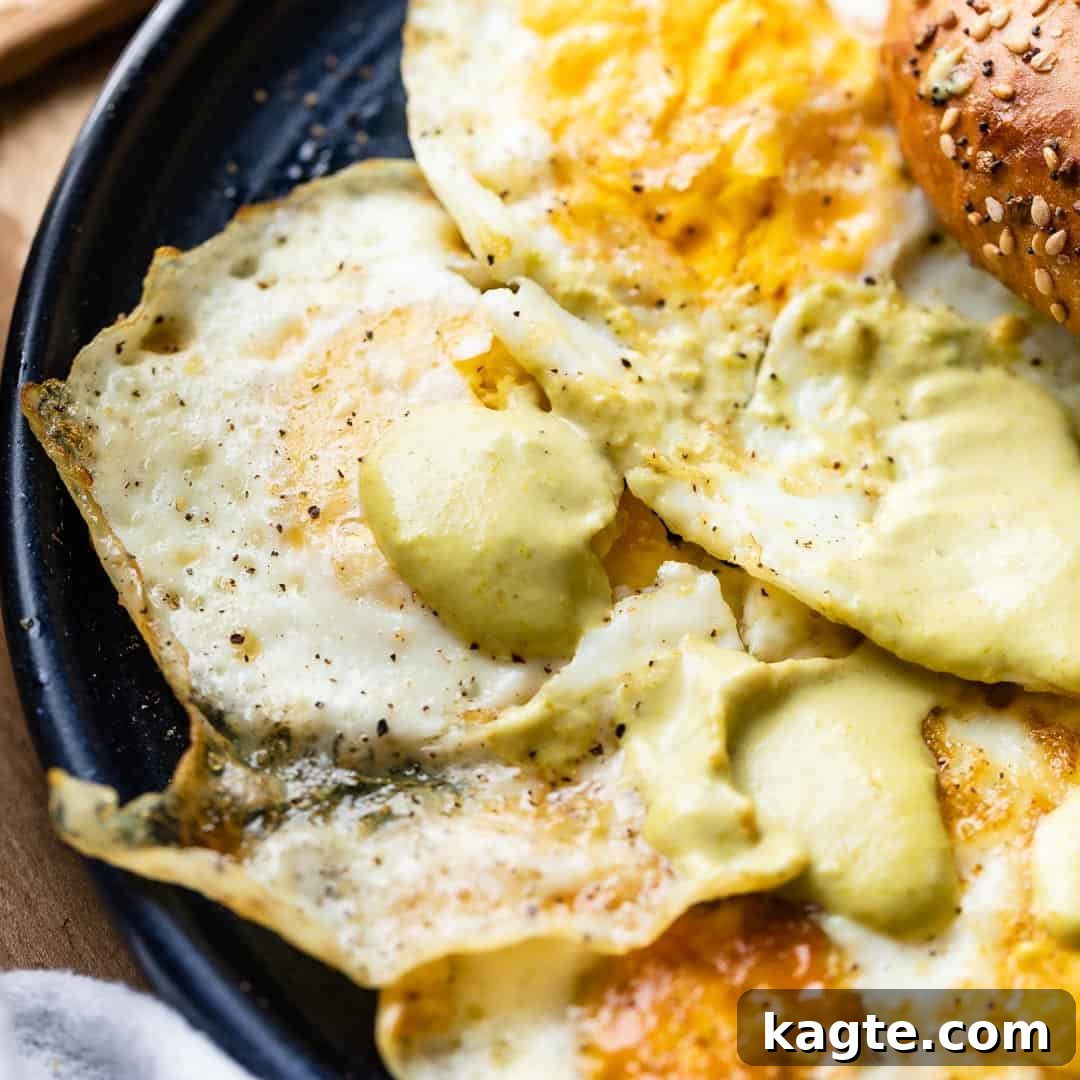
Over Hard Eggs are a breakfast staple for many, offering a satisfyingly firm yolk and fully cooked whites that make them perfect for any meal. Unlike their runny counterparts, these eggs are cooked through, providing a consistent texture that is ideal for sandwiches, toast, or enjoyed simply on their own. The secret to achieving perfectly firm yet tender over hard eggs lies in a low and slow cooking method with a touch of butter, preventing them from drying out and ensuring a rich flavor. This comprehensive guide will walk you through everything you need to know to master the art of cooking over hard eggs, from understanding their unique characteristics to serving them in creative ways.
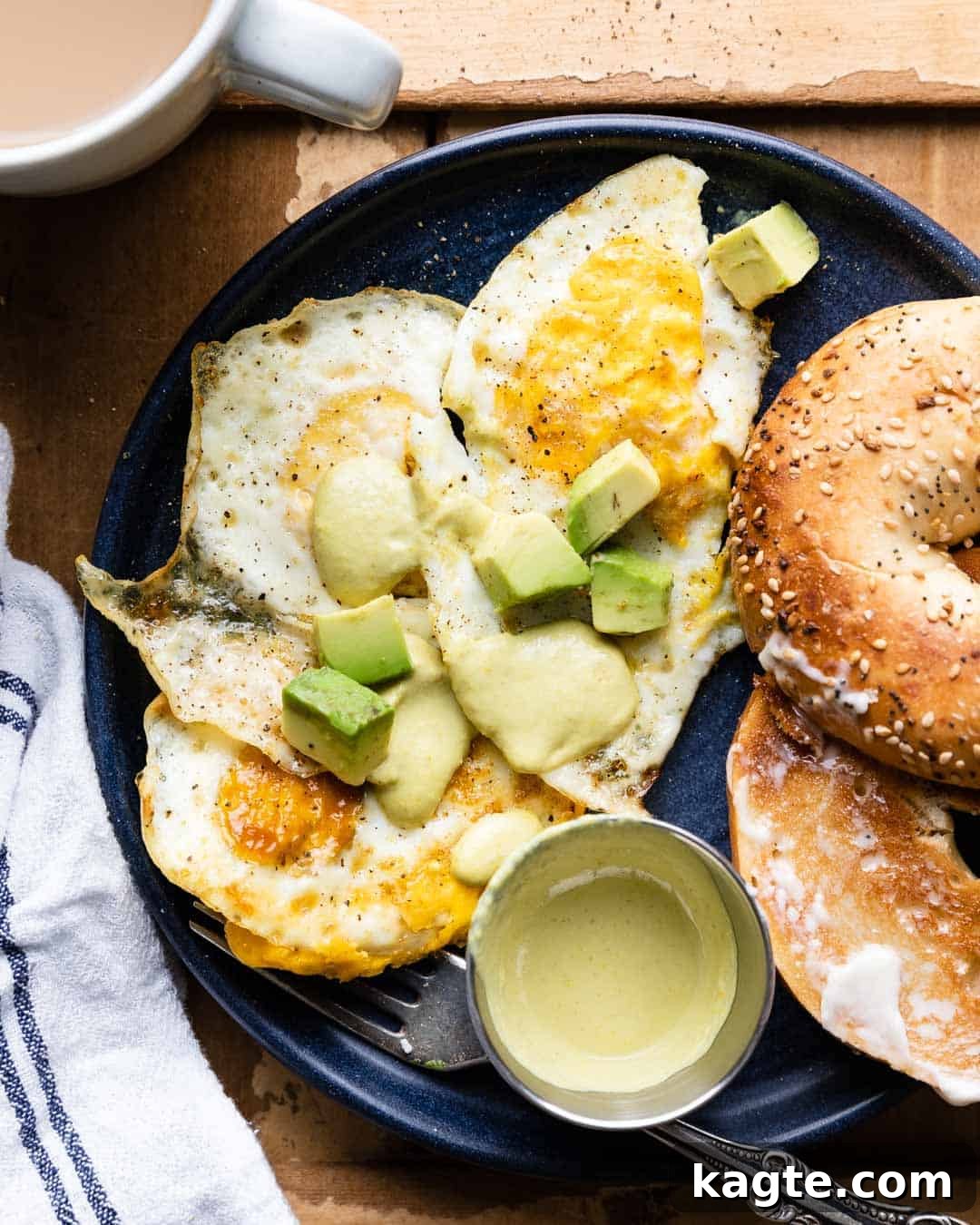
Cooking eggs over hard is not just a preference; it’s a culinary technique that delivers a uniquely satisfying experience. It’s often my go-to preparation method due to its simplicity and delicious outcome. This style is also a popular choice when ordering eggs at any diner or restaurant, indicating its widespread appeal.
If you’re looking to expand your breakfast repertoire beyond single servings, consider whipping up a larger dish. My Easy Egg and Sausage Casserole Recipe is an excellent option for feeding a crowd, combining eggs with savory sausage in a comforting bake. For those who appreciate quick and simple morning meals, my Microwave Baked Oats offer another fantastic and effortless breakfast solution.
Table of Contents
- What Exactly is an Over Hard Egg?
- Why You’ll Love This Easy Egg Recipe
- Essential Ingredients & Smart Substitutions
- Step-by-Step: How to Make Perfect Over Hard Eggs
- Creative Serving Suggestions for Over Hard Eggs
- Expert Tips & Delicious Variations
- Exploring Different Types of Fried Eggs
- Frequently Asked Questions (FAQs)
- Discover More Breakfast Recipes
- Over Hard Eggs Recipe Card
What Exactly is an Over Hard Egg?
An over hard egg is a type of fried egg where both the whites and the yolk are cooked completely through until firm. Imagine the texture of a hard-boiled egg yolk – that’s precisely what you’re aiming for with an over hard egg. This means there’s no runny or jammy center; the entire egg is solid. Typically prepared in a frying pan or on a griddle, these eggs are flipped to ensure even cooking on both sides, leading to a fully opaque white and a firm, cooked yolk. The name itself, “over hard,” directly refers to this desired firm consistency of the yolk after being cooked on both sides. This makes them a popular choice for those who dislike any liquid yolk, or for recipes where a solid egg is preferred, such as breakfast sandwiches or chopped salads.
Why You’ll Love This Easy Egg Recipe
- Simplicity at its Best: This incredibly simple method for perfectly cooked over hard eggs requires only two fundamental ingredients: fresh eggs and a touch of butter. It’s a testament to how delicious straightforward cooking can be. You likely already have everything you need in your kitchen, making it an accessible meal at any time.
- Kid-Friendly & Picky-Eater Approved: Fried eggs with a firm, fully cooked yolk are an absolute winner for children or anyone who has an aversion to runny yolks. The consistent texture ensures a pleasant eating experience for even the most discerning palates, making breakfast battles a thing of the past.
- Moist & Flavorful, Not Dry: Despite being cooked through, our slow cooking method combined with the rich flavor of salted butter ensures these eggs remain wonderfully moist and never dry. The butter not only prevents sticking but also infuses the egg with a delicate, savory taste that elevates its simple profile.
- Unbelievably Versatile: Over hard eggs are incredibly adaptable. They can be served as a high-protein centerpiece on their own, nestled perfectly into a hearty breakfast sandwich, or layered atop creamy avocado toast. Unlike eggs cooked over medium or easy, you won’t have to worry about the yolk spilling out, making them ideal for portability and mess-free enjoyment. The culinary possibilities are truly endless!
- A Wholesome & Satisfying Start: Eggs are a powerhouse of nutrition, generously packed with essential protein and healthy fats. Incorporating over hard eggs into your morning routine provides a truly satisfying and healthy breakfast that keeps you feeling full and energized throughout the day. They’re a smart choice for anyone looking for a nutritious and convenient meal.
Essential Ingredients & Smart Substitutions
Crafting the perfect over hard egg relies on just a few simple, high-quality ingredients. The beauty of this recipe lies in its minimal requirements, making it an accessible and quick meal any day of the week.
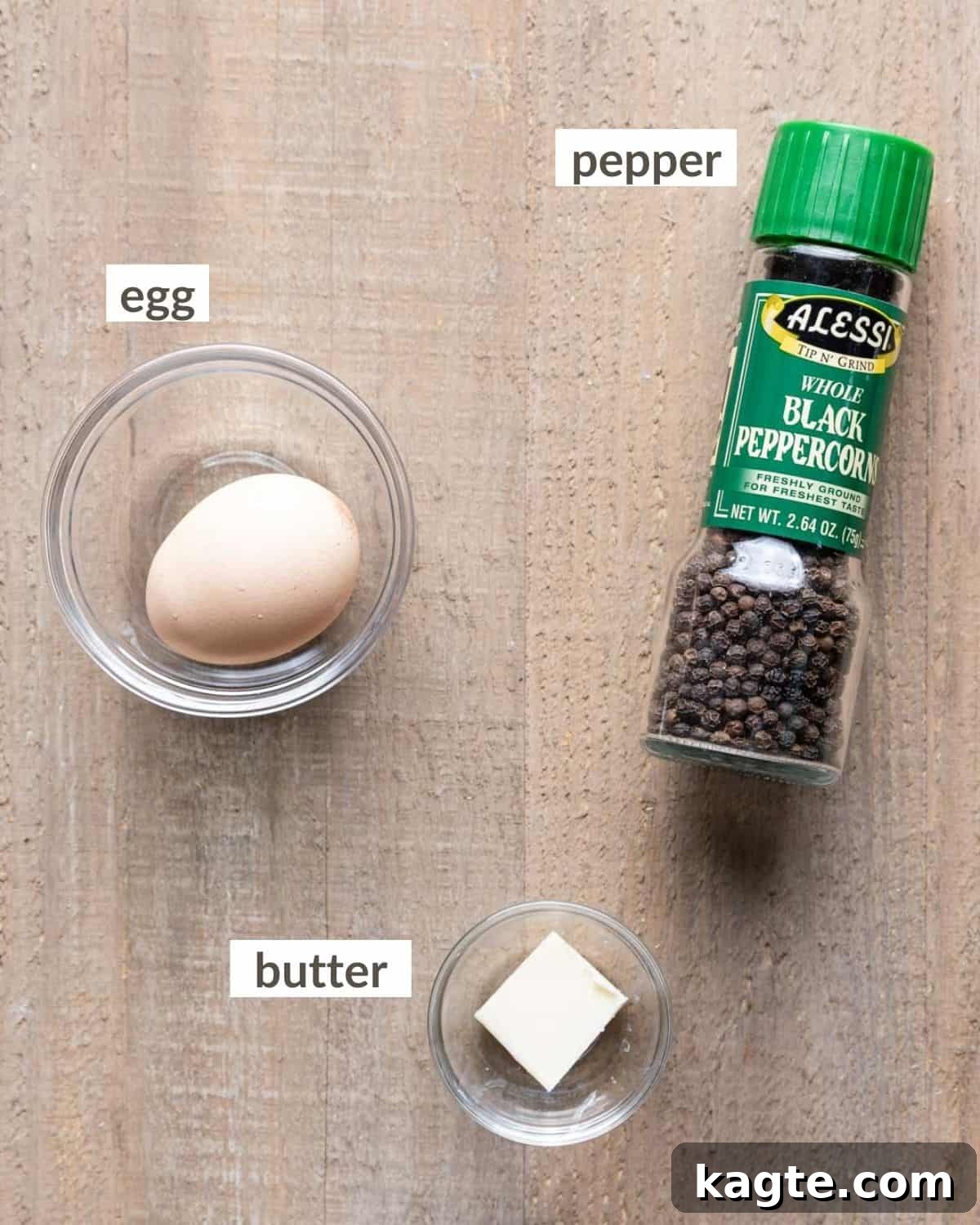
- Large Eggs: The star of our show! Opt for fresh, high-quality large eggs for the best flavor and texture. Farm-fresh eggs are ideal if you have access to them, but pasture-raised organic eggs from your local supermarket are also an excellent choice. Fresh eggs tend to have firmer whites that hold their shape better, resulting in a neater fried egg.
-
Salted Butter: Butter is crucial for both flavor and preventing the egg from sticking to the pan. Salted butter adds a subtle seasoning that complements the egg beautifully.
- Substitution Tip: If you only have unsalted butter, simply add a tiny pinch of salt (to taste) along with your pepper when seasoning the egg. For a different flavor profile, you can also use bacon grease, which imparts a wonderful smoky richness. Olive oil or avocado oil are healthier alternatives that also work well for frying.
- Optional Seasoning: Freshly Cracked Black Pepper: While salt is often present in salted butter, a grind of fresh black pepper adds a delightful aromatic kick. Feel free to explore other seasonings like a dash of paprika, a sprinkle of garlic powder, or a pinch of your favorite herb blend to customize the flavor.
For a complete list of ingredients and precise amounts, please refer to the recipe card below.
Step-by-Step: How to Make Perfect Over Hard Eggs
Overview of the Process
Mastering over hard eggs is straightforward once you understand the core steps. Here’s a quick summary:
- Melt butter over controlled heat.
- Carefully add the egg to the pan.
- Cook the first side until the whites are set.
- Gently flip the egg and cook the second side until the yolk is completely firm.
Detailed Step-by-Step Instructions
Follow these instructions for consistent, perfectly cooked over hard eggs every time:
Step 1: Prepare Your Pan and Butter. In a small nonstick frying pan, add your preferred amount of butter (typically 1 teaspoon per egg). Place the pan over medium heat and allow the butter to melt completely. Continue heating until the butter is gently foaming and has a slightly nutty aroma. This foaming indicates the butter is ready for the egg and will prevent sticking while adding flavor.
Step 2: Add the Egg and Season. Carefully crack a large egg directly into the hot, foamy butter. Immediately reduce the heat to medium-low. This crucial step is key to cooking the egg slowly and evenly, ensuring the yolk cooks through without burning the whites. Season the egg generously with freshly cracked black pepper. If you are using unsalted butter, now is the time to add a pinch of salt.
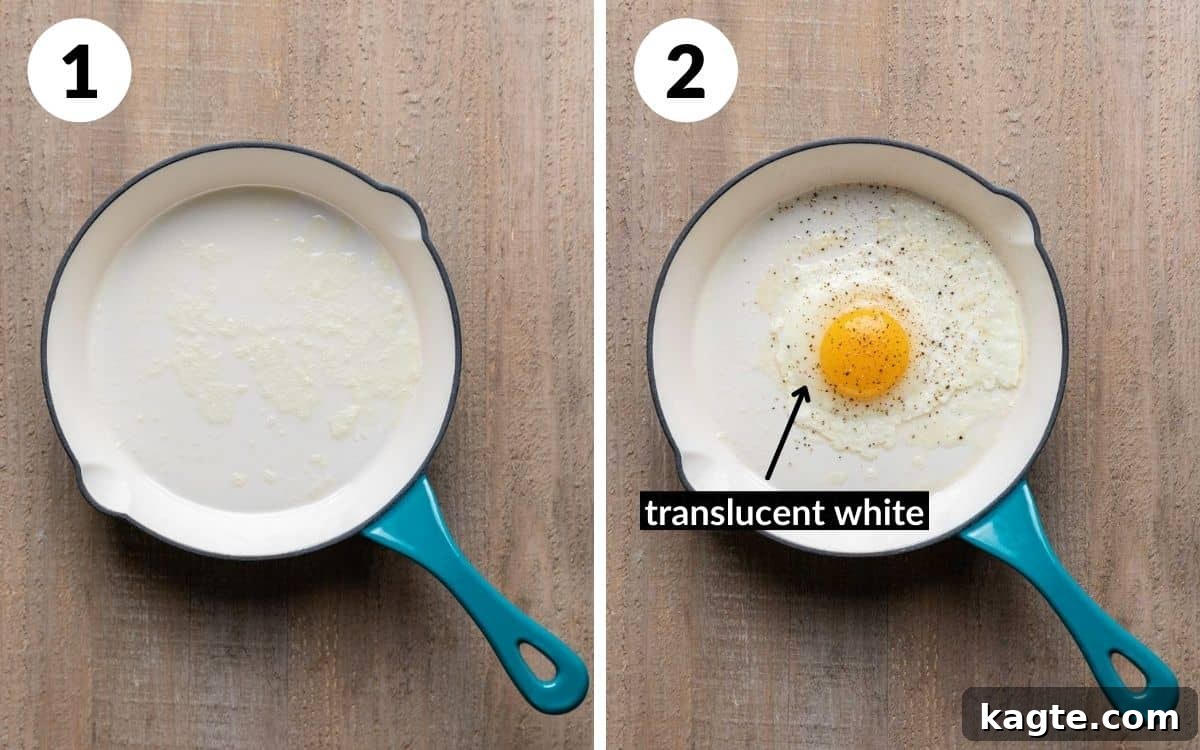
Step 3: Cook the First Side. Allow the egg to cook for approximately 2 to 2.5 minutes on the first side. During this time, the egg white should become entirely opaque and firm around the edges, with the yolk still appearing somewhat runny. If you prefer the yolk to be more distributed throughout the egg rather than remaining a distinct circle, gently use a spatula to break the yolk before flipping. This is an optional step based on personal preference.
Step 4: Flip and Finish Cooking. Once the whites are fully set and opaque, it’s time to flip. Use your spatula to carefully slide under the egg and gently turn it over. Cook for another 1.5 to 2 minutes on the second side. The exact cooking time will depend on your stove and pan, but the goal is for the yolk to feel completely firm when gently pressed with the spatula. As soon as the desired firmness is achieved, remove the egg from the heat immediately to prevent overcooking and rubbery whites.
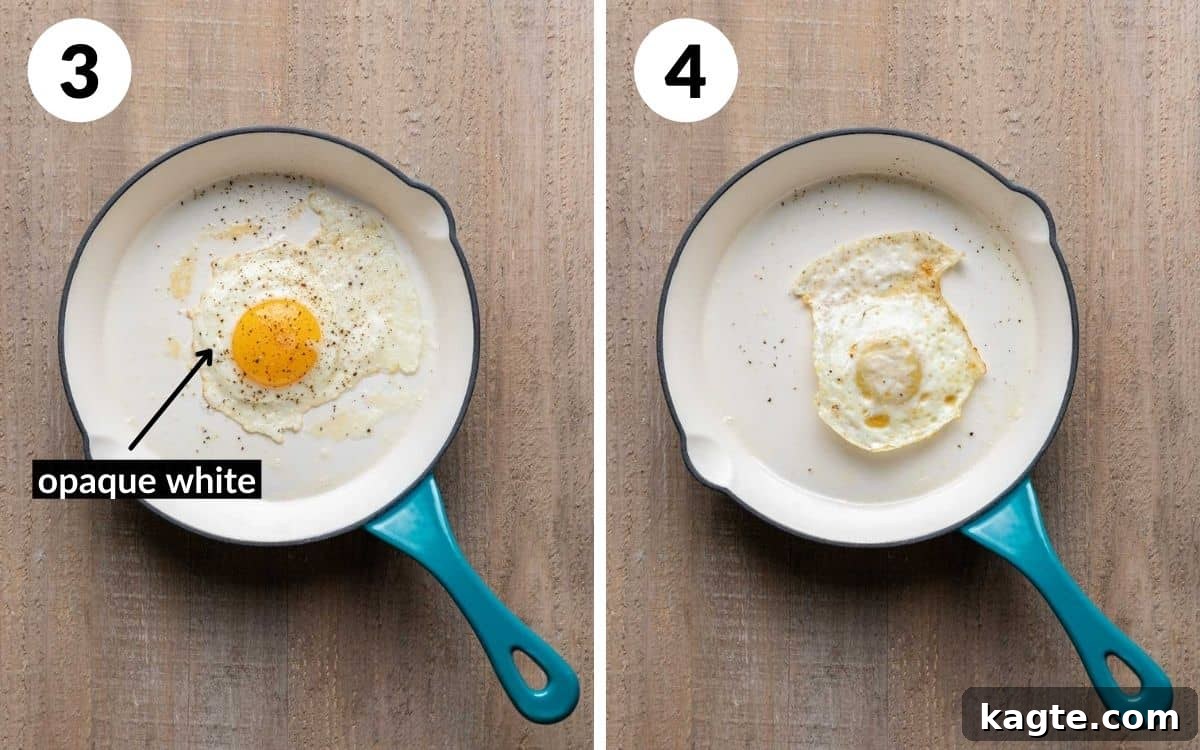
Expert Tip: Always wait until the egg white is completely firm and opaque before attempting to flip. Flipping too early can lead to a messy, broken egg.
Crucial Tip: As soon as your egg reaches the desired doneness, remove it from the hot pan immediately. The residual heat in the skillet can continue to cook the egg, potentially turning it rubbery or overly dry.
Creative Serving Suggestions for Over Hard Eggs
Over hard eggs are incredibly versatile and can elevate any meal of the day, not just breakfast. Their firm texture makes them an excellent addition to a variety of dishes. Here are some fantastic ways to enjoy them:
-
Classic Breakfast & Brunch Companions:
- Hearty Sides: Pair your over hard eggs with crispy Air Fryer Breakfast Potatoes or perfectly cooked meats. Try them alongside savory Instant Pot Bacon or lighter Oven Baked Turkey Bacon for a complete and satisfying meal.
- On Toast: A true timeless pairing! Serve them atop perfectly golden Oven Baked Toast. For an extra layer of flavor and texture, spread mashed avocado on your toast before adding the egg, creating a delightful avocado toast with a firm egg.
- Breakfast Sandwiches: The firm yolk of an over hard egg is absolutely ideal for breakfast sandwiches. Tuck it into a toasted bagel, English muffin, or croissant with cheese, bacon, sausage, or even a slice of tomato and lettuce for a portable and mess-free meal.
-
Beyond Breakfast: Lunch & Dinner Ideas:
- Salad Topper: Chop over hard eggs and add them to green salads for a boost of protein and creamy texture. They are a fantastic addition to Cobb salads, Caesar salads, or any garden salad.
- Grain Bowls & Buddha Bowls: Layer a chopped over hard egg onto your favorite grain bowl with roasted vegetables, healthy grains like quinoa or brown rice, and a drizzle of dressing for a wholesome and satisfying lunch or dinner.
- Open-Faced Sandwiches & Tartines: Beyond breakfast sandwiches, use over hard eggs for elegant open-faced sandwiches. Combine them with various spreads, smoked salmon, or fresh herbs.
- Side with Leftovers: Have some leftover roasted vegetables, rice, or pasta? An over hard egg can quickly transform them into a more complete and fulfilling meal.
- Flavorful Toppings: Don’t forget to enhance your eggs with a sprinkle of fresh chives, a dash of hot sauce for a kick, or a dusting of everything bagel seasoning for an extra layer of flavor.
Expert Tips & Delicious Variations
Achieving the perfect over hard egg is simple, but a few expert tips can elevate your results from good to consistently great. Plus, don’t be afraid to experiment with variations to suit your taste!
- Always Use Butter (or Bacon Grease) for Flavor & Nonstick Properties: While various oils can be used for frying, butter truly adds unparalleled flavor and ensures your egg doesn’t stick. The fat helps cook the egg evenly and provides a rich, satisfying taste. If you have bacon grease on hand, it’s an equally fantastic alternative that infuses the egg with a wonderful smoky depth.
- Invest in a Quality Nonstick Pan: A good nonstick frying pan is your best friend when cooking eggs. It guarantees easy flipping and prevents the egg from adhering, making cleanup a breeze. If you prefer cast iron, ensure it is very well-seasoned to achieve similar nonstick results. The right pan makes all the difference for a beautifully formed fried egg.
- Prioritize Fresh Eggs for Superior Results: The fresher the egg, the better the outcome. Fresh eggs tend to have thicker whites that hold their shape tightly around the yolk, resulting in a more aesthetically pleasing and structurally sound fried egg. Farm-fresh eggs are always a treat, but high-quality, pasture-raised organic eggs from the supermarket are an excellent readily available option.
- Season Strategically – Before Flipping: To ensure your seasonings adhere best and infuse flavor throughout the egg, sprinkle them immediately after cracking the egg into the pan, while the whites are still raw. This allows the salt, pepper, or any other spices to melt into the egg as it cooks, rather than just resting on the surface.
- Consider Breaking the Yolk (Optional Variation): If you prefer a more uniform texture where the yolk is distributed throughout the entire egg rather than concentrated in the center, gently break the yolk with your spatula before flipping. You can even slightly tilt the pan to encourage the yolk to spread out a bit. This technique is entirely optional but preferred by some for certain preparations like egg sandwiches.
- Patience is Key: Do Not Flip Too Early: Resist the urge to flip the egg prematurely. Wait until the egg white is completely opaque and firm around the edges and beneath the yolk. Since you’re aiming for an over hard egg with a fully cooked yolk, there’s less risk of overcooking the yolk, so take your time to ensure the first side is perfectly set.
- Remove Promptly from Heat: The moment your over hard egg reaches its desired firmness, transfer it directly from the pan to your plate. Even after turning off the heat, a hot skillet retains residual warmth that can continue to cook the egg, potentially leading to an overly dry or rubbery texture.
- Experiment with Extra Seasonings: Beyond the classic salt and pepper, eggs are a fantastic canvas for a wide array of spices. Some popular choices include everything bagel seasoning for a savory crunch, za’atar for an earthy Middle Eastern twist, Italian seasoning for aromatic herbs, or chili flakes for a subtle heat.
- Add a Cheesy Twist: For a delightful variation, sprinkle a small amount of shredded cheese (cheddar, mozzarella, or a Mexican blend work well) or place a slice of cheese on top of the egg immediately after flipping it. The residual heat will melt the cheese into a gooey, savory layer.
Exploring Different Types of Fried Eggs
Understanding the nuances between various fried egg preparations is key to ordering or cooking them just the way you like. Each style offers a distinct texture and experience, primarily differing in the doneness of the yolk and whether the egg is flipped.
- Sunny Side Up: Cooked only on one side with the yolk remaining completely runny and the whites fully set but not flipped. The yolk remains bright yellow and visible.
- Over Easy: The egg is flipped briefly, cooking the second side just long enough for the whites to set while the yolk remains very runny. The yolk is usually covered by a thin layer of cooked white.
- Over Medium: Flipped and cooked slightly longer than over easy. The center of the yolk is still runny, but the edges have begun to thicken and cook. The white is completely set.
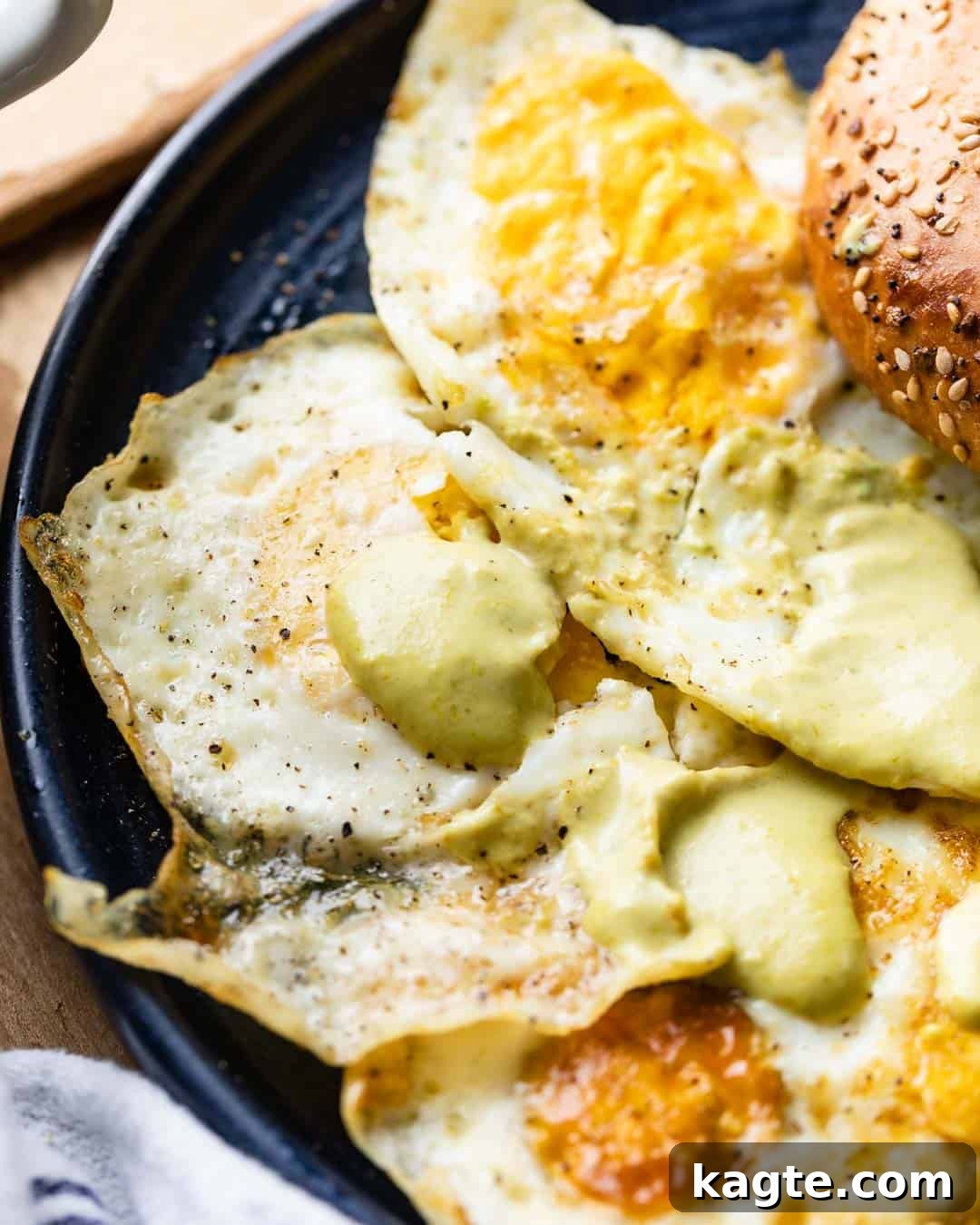
- Over Hard: As discussed in detail, this egg is flipped and cooked until the yolk is entirely firm and solid, similar to a hard-boiled egg yolk. The whites are also fully set and opaque. This is the most thoroughly cooked fried egg option.
Frequently Asked Questions (FAQs)
Here are answers to some common questions about cooking and enjoying over hard eggs:
The primary difference lies in the doneness of the yolk. An over easy egg is flipped and cooked very briefly, leaving the yolk completely runny and sometimes the whites still slightly moist around the yolk. An over hard egg, conversely, is cooked on both sides until both the yolk and the white are completely firm and opaque, with no runniness whatsoever.
While both butter and oil can be used for frying eggs, I personally prefer butter for the rich flavor it imparts. Salted butter adds a delightful savory note that complements the egg perfectly. However, if you prefer a neutral flavor or are looking for a dairy-free option, avocado oil or olive oil work very well. For a truly indulgent and flavorful experience, bacon grease is also an excellent choice for frying eggs.
Cooking an over hard egg typically takes about 4-5 minutes in total over medium-low heat. This usually breaks down to 2-2.5 minutes on the first side (until whites are set) and another 1.5-2 minutes after flipping (until the yolk is completely firm). Adjustments may be needed based on your pan, stove, and desired level of firmness.
While over hard eggs are best enjoyed fresh off the pan, you can certainly cook them in advance. Allow them to cool completely before storing them in an airtight container in the refrigerator for up to 2-3 days. Reheat gently in a nonstick pan over low heat or in a microwave for a short burst, though the texture might be slightly different than freshly cooked.
A nonstick frying pan is highly recommended for cooking over hard eggs, as it ensures easy flipping and prevents sticking. A well-seasoned cast iron skillet can also yield excellent results, providing even heat distribution and a slightly crisper edge. Choose a pan size appropriate for the number of eggs you’re cooking to avoid overcrowding.
Discover More Breakfast Recipes
Delicious Ideas for Your Morning Table
Fall
20 Sweet Pumpkin Recipes for Fall (From Breakfast to Dessert)
Breakfast
Blueberry Coffee Cake with Greek Yogurt & Streusel
Bread
Chocolate Chunk Banana Bread (Easy & Moist)
Side Dish
What To Serve With Quiche (20 Side Dishes)
Save
Over Hard Eggs
5 from 3 votes
Over Hard Eggs are the perfect choice for a hearty sandwich, a piece of crisp toast, or a satisfying meal on their own. This preparation style ensures the yolk is completely firm, mirroring the texture of a hard-boiled egg. The optimal technique for cooking these eggs involves a gentle, low-and-slow approach with a touch of butter, which is key to keeping them moist and preventing overcooking.
0
5
5
1 person
Equipment
-
Nonstick Frying Pan
-
Silicone Spatula Turner
Ingredients
- 1 teaspoon salted butter
- 1 large egg
Optional
- cracked pepper
Instructions
-
In a small frying pan, melt the butter over medium heat until the butter is foaming.
-
Add the egg. Turn the heat immediately down to medium-low. Season the egg with pepper (and salt if needed).
-
Cook for about 2 minutes. The yolk will still be runny, but the white should be opaque. (If you prefer to break the yolk, gently use a spatula to break it before flipping.)
-
Flip the egg. Cook for another 2 minutes or until the middle of the egg feels firm when pressed with a spatula. Remove from the heat immediately.
Did you make this recipe?
Leave a comment below!
Notes
- Salted Butter: For a twist, swap for unsalted butter and add a pinch of salt to taste. Bacon grease is also a fantastic alternative for added flavor.
- Season Before Flipping: Applying seasoning while the egg is still raw helps it adhere better. Add any desired spices immediately after cracking the egg into the pan.
- Breaking the Yolk: If you prefer the yolk to be evenly distributed, gently break it with a spatula before flipping. You can tilt the pan slightly to help spread the yolk. This step is optional but creates a consistent texture.
- Avoid Premature Flipping: Ensure the egg white is completely opaque and set before flipping. Since you’re aiming for a fully cooked yolk, there’s less risk of overcooking the yolk at this stage.
- Immediate Removal: To prevent overcooking and a rubbery texture, remove the egg from the pan as soon as it reaches your desired firmness. Residual heat in the pan can continue to cook it.
- Extra Seasoning: Elevate your over hard eggs beyond salt and pepper. Try a sprinkle of everything bagel seasoning, za’atar, Italian seasoning, or chili flakes for an extra kick.
- Add Cheese: For a delicious variation, add a slice of cheese or a sprinkle of shredded cheese to the egg right after flipping. The heat will melt it into a gooey, savory layer.
Nutrition
Calories: 107kcal
|
Carbohydrates: 1g
|
Protein: 6g
|
Fat: 9g
|
Saturated Fat: 4g
|
Polyunsaturated Fat: 1g
|
Monounsaturated Fat: 3g
|
Trans Fat: 1g
|
Cholesterol: 197mg
|
Sodium: 107mg
|
Sugar: 1g
Nutrition information is automatically calculated and should only be used as an approximation. Individual results may vary.