
Mushrooms, with their distinctive earthy aroma and umami-rich flavor, are a beloved ingredient in countless culinary traditions worldwide. They can add depth, a unique texture, and a satisfying richness to everything from hearty stews to delicate stir-fries. However, not everyone shares this appreciation. Whether it’s due to an allergy, a strong dislike for their taste or texture, or simply not having them on hand, there are many reasons why you might need a viable alternative.
Finding the perfect mushroom substitute involves more than just picking another vegetable. It’s about understanding what role mushrooms play in a dish. Are you looking to replicate their meaty texture, their deep umami flavor, or both? The best substitute will often depend on the specific recipe you’re preparing and the qualities of the mushroom you’re trying to replace. This comprehensive guide explores ten fantastic alternatives that promise to deliver similar sensory experiences, ensuring your dishes remain delicious and satisfying even without mushrooms.
Understanding Mushroom Characteristics: Taste and Texture
Before diving into substitutes, it’s helpful to break down what makes mushrooms unique. They are prized for two primary attributes: their unique flavor profile and their versatile texture.
- Umami Flavor: Mushrooms are a powerhouse of umami, often described as a savory, “meaty” taste. This deep, rich flavor can elevate a dish from good to extraordinary. Many substitutes aim to replicate this savory depth.
- Earthy Notes: Beyond umami, mushrooms often carry a distinct earthy undertone that grounds a dish and adds complexity.
- Textural Variety: From the firm, chewy bite of shiitake to the delicate softness of oyster mushrooms, their textures can range from meaty and substantial to tender and succulent when cooked.
When selecting a substitute, consider whether the primary goal is to match the taste, the texture, or a combination of both. Some alternatives excel in one area, while others offer a more balanced resemblance.
1. Tofu: The Versatile Texture Mimic
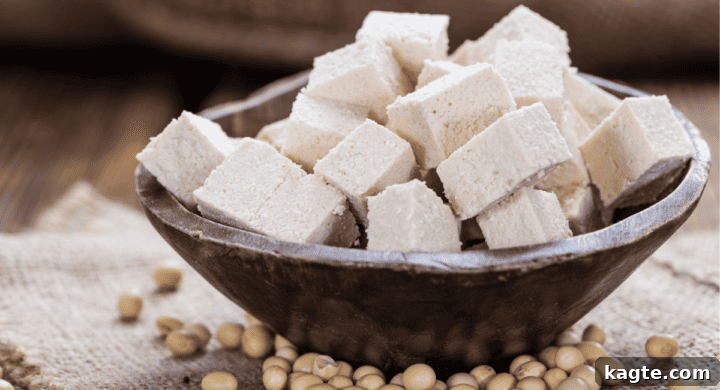
Tofu stands out as one of the most popular and effective mushroom substitutes, especially when aiming for a similar texture. Its neutral flavor makes it a culinary chameleon, readily absorbing the seasonings and sauces it’s cooked with, much like mushrooms. For the best results, opt for super-firm or extra-firm tofu, as these varieties hold their shape exceptionally well during cooking, preventing the crumbling that can occur with softer types. To achieve a truly mushroom-like texture, press the tofu to remove excess water before cubing or slicing it, then sauté, bake, or fry until golden and slightly chewy. Tofu is particularly excellent in stir-fries, curries, and scrambles where a tender yet firm bite is desired.
2. Carrots: Sweetness and Bulk for Soups and Stews
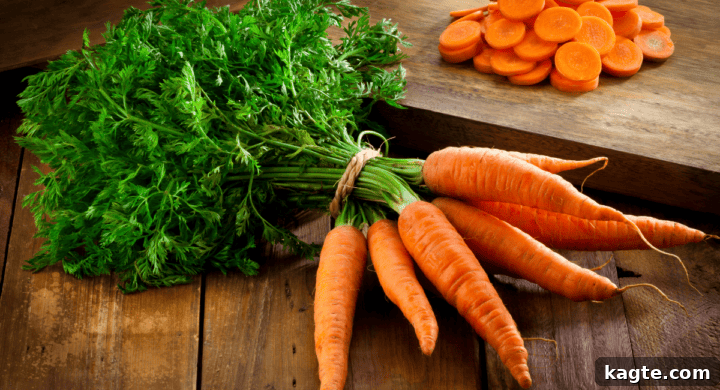
While carrots don’t offer the umami depth of mushrooms, they are a fantastic substitute for adding bulk, a pleasant sweetness, and a different kind of earthy flavor, especially in liquid-based dishes like soups, stews, and casseroles. Their firm texture holds up well to longer cooking times, and they contribute a vibrant color and a good source of vitamins. You can experiment with different varieties, from slender Nantes to wider Danvers, each offering a slightly different texture and sweetness level. For a closer textural resemblance to cooked mushrooms, consider dicing carrots finely or cutting them into small rounds. Roasting carrots can also bring out a deeper, more savory flavor, making them suitable for roasted vegetable medleys.
3. Potatoes: The Earthy Sponge
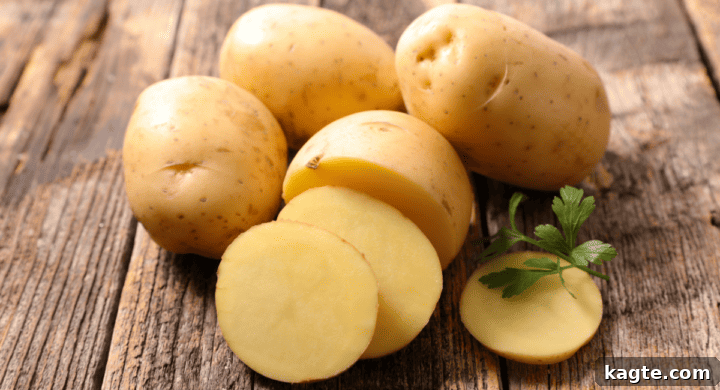
Potatoes, particularly when unpeeled, can offer a subtle earthy flavor reminiscent of mushrooms and an excellent ability to absorb the rich flavors of a dish. Their starchy texture becomes soft and satisfying when cooked, making them ideal for dishes where mushrooms typically soak up sauces, such as roasted vegetables, casseroles, or skillet meals. Choose varieties like Yukon Gold or red potatoes for a creamier texture. Cubing and roasting them until they develop a crisp exterior and tender interior can provide a delightful textural contrast. The skin also contributes to that desirable earthy note. Potatoes are naturally gluten-free and can add significant heartiness to a meal, making them a filling and versatile mushroom alternative.
4. Zucchini: The Flavor Absorber
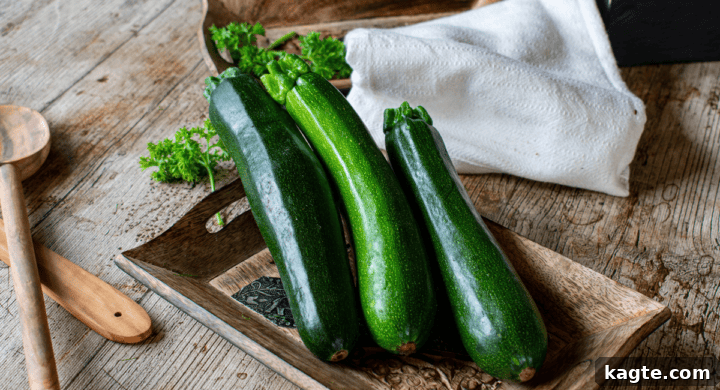
Zucchini shares a remarkable trait with mushrooms: its ability to readily take on the flavors of whatever it’s cooked with. When sautéed or grilled, zucchini develops a soft, tender texture that can be quite similar to cooked mushrooms. It’s a fantastic option for lighter dishes, providing volume and a subtle, fresh taste without overpowering other ingredients. To mimic mushrooms, slice or dice zucchini and cook it until it’s just tender-crisp, absorbing marinades or sauces. It works wonderfully in pasta dishes, stir-fries, and as a pizza topping. As a bonus, zucchini is low in calories and rich in vitamins, making it a healthy and hydrating choice.
5. Sun-Dried Tomatoes: Umami Powerhouse
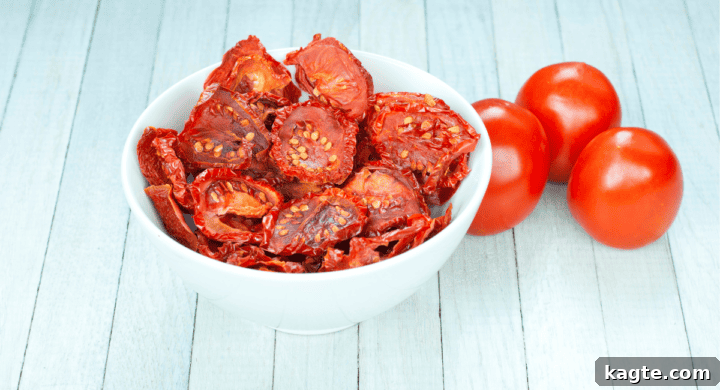
For those seeking a powerful burst of umami and a chewy texture, sun-dried tomatoes are an outstanding mushroom substitute. The drying process concentrates their natural sugars and savory compounds, resulting in an intensely flavorful ingredient that delivers a rich, slightly sweet, and tangy taste without the juicy acidity of fresh tomatoes. They bring a depth of flavor that can rival the earthiness of mushrooms, making them perfect for dishes like pasta sauces, pizzas, salads, and Mediterranean-inspired cuisine. For optimal texture and flavor, choose oil-packed sun-dried tomatoes; the oil can also be infused with herbs, adding another layer of complexity. Chop them finely and add them to your recipes for a concentrated savory punch.
6. Tempeh: The Hearty & Chewy Alternative
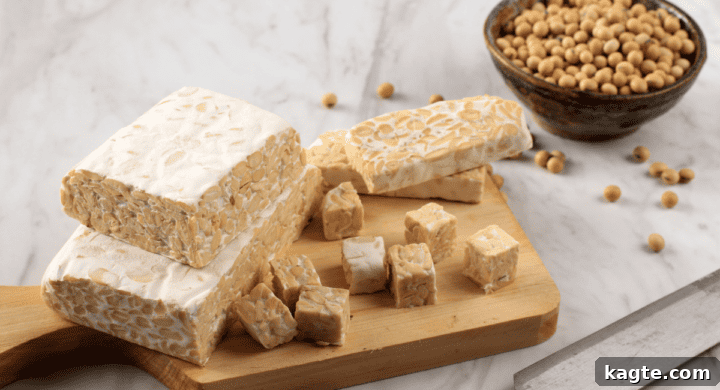
Tempeh, a fermented soybean product, is an excellent choice for a mushroom substitute, particularly when you need something with substantial texture and a naturally earthy flavor. Firmer and chewier than tofu, tempeh has a distinct nutty, savory taste that can add a wonderful depth to dishes. Its dense, fibrous texture makes it a hearty alternative to mushrooms in stir-fries, sandwiches, and even as a “meat” crumble. Unlike tofu, tempeh doesn’t crumble as easily and holds up well to various cooking methods like grilling, frying, or baking. While it might be too robust for delicate soups, it shines in more substantial meals where a “meaty” bite is desired. Marinating tempeh before cooking can further enhance its flavor absorption.
7. Chickpeas (Garbanzo Beans): Protein-Packed Earthiness
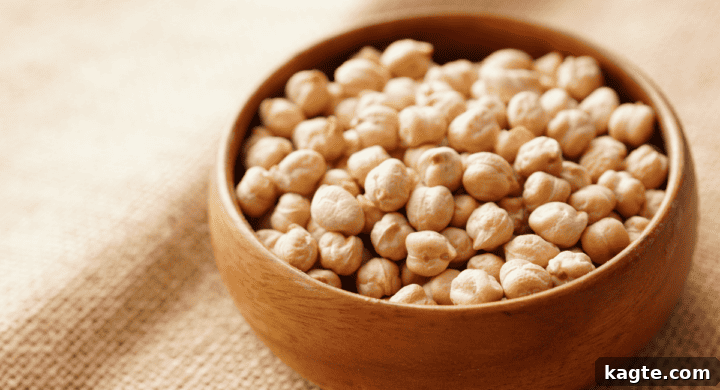
Chickpeas, also known as garbanzo beans, offer a delightful earthy and slightly nutty flavor profile that can surprisingly mimic the savory qualities of certain mushrooms. Beyond flavor, they add significant bulk and a pleasant, slightly firm texture to dishes, contributing to the satisfaction that mushrooms typically provide. Rich in protein and fiber, chickpeas are a highly nutritious substitute that works exceptionally well in stews, soups, curries, and casseroles. They can also be roasted until crispy for a delightful snack or added to salads for extra texture. Their ability to absorb spices and sauces makes them incredibly versatile, allowing them to blend seamlessly into a wide array of recipes where mushrooms might otherwise be used.
8. Olives: Salty, Savory, and Succulent

For those seeking a burst of savory, salty, and slightly briny flavor with a soft, yielding texture, olives make a compelling mushroom alternative. While their flavor is distinct, their earthy undertones and umami-like richness can substitute effectively for mushrooms in certain dishes, particularly Mediterranean-inspired cuisine. Black olives often have a milder, fruitier taste, while green olives offer a sharper, more piquant note. Both provide a pleasant “pop” and a savory depth. Be mindful of their saltiness and use them in moderation to avoid overpowering your dish. They are excellent in pasta sauces, pizzas, tapenades, and salads, where their unique character can beautifully complement other ingredients.
9. Artichoke Hearts: Tender and Tangy
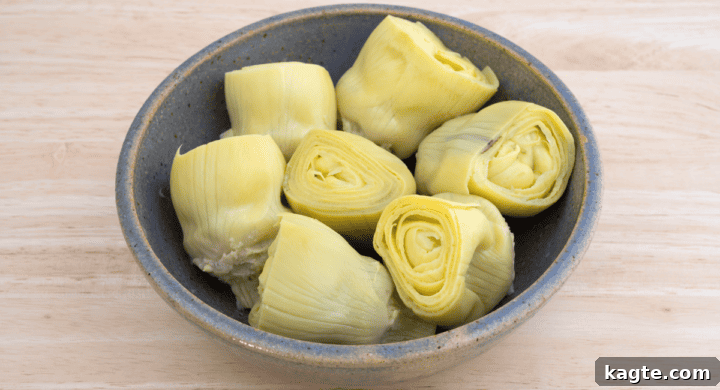
Artichoke hearts are often overlooked as a mushroom substitute, yet they possess a tender texture and a subtly earthy, slightly tangy flavor that integrates well into many dishes. Whether fresh, frozen, or canned (packed in water or oil), artichoke hearts bring a unique flavor profile and a satisfying chewiness that can stand in for mushrooms. They are particularly delightful in Italian-inspired dishes, salads, dips, and baked casseroles. Their fibrous texture adds substance, while their mild flavor complements a variety of spices and herbs. Rich in fiber and essential vitamins, artichoke hearts are not only a delicious alternative but also a nutritious addition to your meals.
10. Onions: The Flavor Foundation
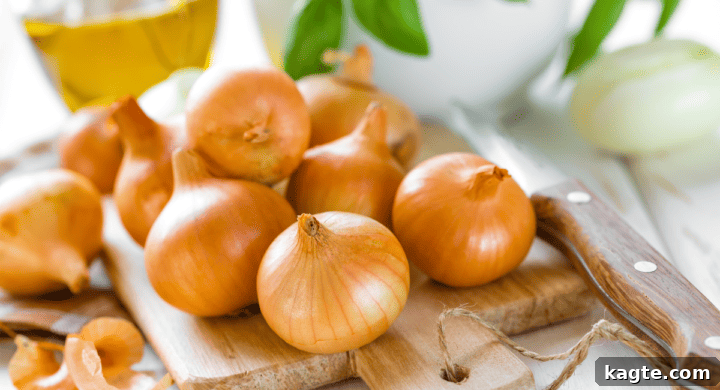
While fresh onions don’t directly mimic the texture of mushrooms, their incredible versatility and capacity to develop deep, savory flavors make them an outstanding substitute for contributing foundational taste to almost any dish. When caramelized slowly, onions transform into a sweet, rich, and umami-laden ingredient with a soft, melt-in-your-mouth texture that can surprisingly echo the cooked mushroom experience. Sautéed or grilled, they add a pungent, savory depth that is indispensable. Different types of onions—white, yellow, red, or shallots—offer varying degrees of sweetness and sharpness, allowing for tailored flavor profiles. Onions are excellent in long-cooked dishes like stews, roasts, and braises, as well as in stir-fries and pasta sauces, providing that essential savory base that mushrooms often deliver.
Frequently Asked Questions About Mushroom Substitutes
Dislike for mushrooms often stems from their unique earthy flavor, which some perceive as too strong or “dirt-like,” or their distinct texture, which can range from slimy to rubbery depending on the variety and cooking method. Allergies are also a less common but significant reason.
Mushrooms are primarily a low-carb food, offering some dietary fiber and a modest amount of plant-based protein. They are also virtually fat-free and contain various vitamins and minerals, making them a nutritious addition to any diet.
Mushrooms primarily contribute a rich umami (savory) flavor and a distinct earthy taste to dishes. They also add a unique, often meaty or tender, texture and can help to bulk up a meal, sometimes even replacing part of the meat content in recipes.
If you dislike fresh mushrooms but are open to their flavor, dried mushrooms (like dried shiitake or porcini) can be rehydrated and used. They often have an even more concentrated umami flavor than fresh mushrooms. However, if the dislike is flavor-based, this might not be the best solution.
Whether you’re dealing with an allergy, a strong preference, or simply an empty pantry, these mushroom substitutions offer a diverse array of options to ensure your recipes never fall flat. From texture-mimicking tofu to umami-packed sun-dried tomatoes and hearty chickpeas, there’s a perfect alternative for almost every dish. Experiment with these versatile ingredients to discover new flavor combinations and elevate your cooking without missing a beat. Don’t be afraid to mix and match; sometimes, the best substitute is a combination of ingredients to achieve both the desired flavor and texture. Happy cooking!
Follow me on Pinterest, Facebook & Instagram.
Shop my Amazon Storefront!