
The Best Asparagus Substitutes for Any Recipe: A Comprehensive Guide
Asparagus, with its distinctive earthy flavor and tender-crisp texture, is a beloved spring vegetable. However, sometimes it’s out of season, hard to find, or simply doesn’t fit your dietary preferences or recipe requirements. Perhaps you’re looking to explore new flavors, or maybe you’re cooking for someone who isn’t a fan of its unique taste. Whatever your reason, there’s no need to fret! The culinary world offers a rich bounty of vegetables that can beautifully stand in for asparagus, bringing their own unique characteristics to your dishes.
This comprehensive guide will explore the top 10 best asparagus substitutes, offering a diverse range of flavors and textures to suit almost any recipe. From the slender stalks of broccolini to the vibrant crunch of green beans, and the versatile charm of zucchini to the robust character of Brussels sprouts, you’ll find an ideal replacement that elevates your meals without sacrificing taste or quality. Get ready to expand your culinary horizons and discover your new favorite vegetable alternative!
Table of Contents
- Broccolini
- Green Beans
- Snow Peas
- Zucchini
- Artichoke Hearts
- Green Bell Peppers
- Fiddlehead Ferns
- Cabbage
- Brussels Sprouts
- Green Peas
- How To Choose The Right Substitute
- Frequently Asked Questions (FAQs)
Broccolini
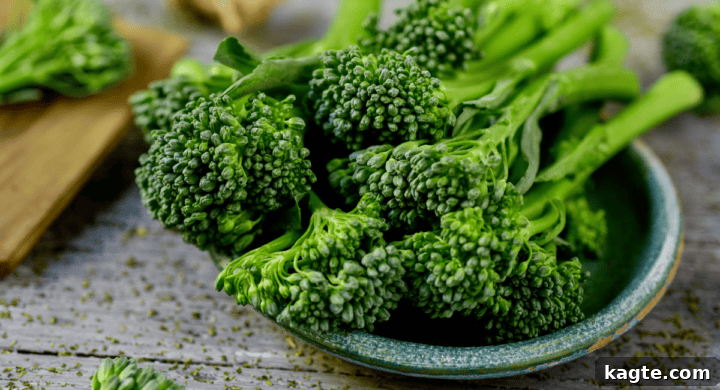
Broccolini stands out as one of the most natural and versatile substitutes for asparagus. Its long, slender stems and small, tender florets bear a striking visual resemblance to asparagus spears, making it an excellent choice when presentation matters. Flavor-wise, broccolini offers a mild, slightly sweet taste with subtle notes of broccoli and a hint of earthiness, similar to the delicate profile of asparagus. It cooks beautifully, retaining a tender-crisp texture that can mimic asparagus in various preparations. You can roast broccolini until the tips are slightly charred, steam it to a vibrant green, sauté it with garlic, or grill it for a smoky flavor. It’s perfect in salads, stir-fries, pasta dishes, or as a simple, elegant side vegetable, proving its adaptability in the kitchen.
Green Beans
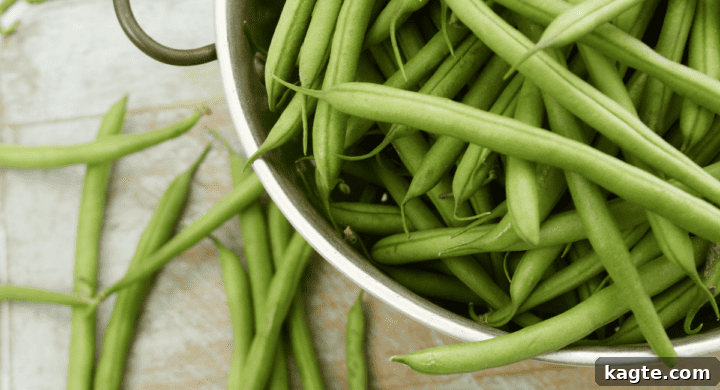
Green beans, also known as string beans, are a widely available and highly popular alternative to asparagus. While their texture is distinctly different—offering a satisfying snap rather than the tender-crisp bite of asparagus—their fresh, slightly sweet flavor makes them a fantastic replacement in many dishes. Green beans boast a vibrant green color and a versatile nature, capable of absorbing flavors from surrounding ingredients beautifully. They can be steamed, blanched, sautéed with butter and garlic, roasted until slightly tender, or even added raw to salads for extra crunch. They excel in classic casseroles, vibrant stir-fries, hearty soups, and as a simple, healthy side dish. Rich in vitamins C and K, and dietary fiber, green beans are not only delicious but also a nutritious addition to any meal.
Snow Peas
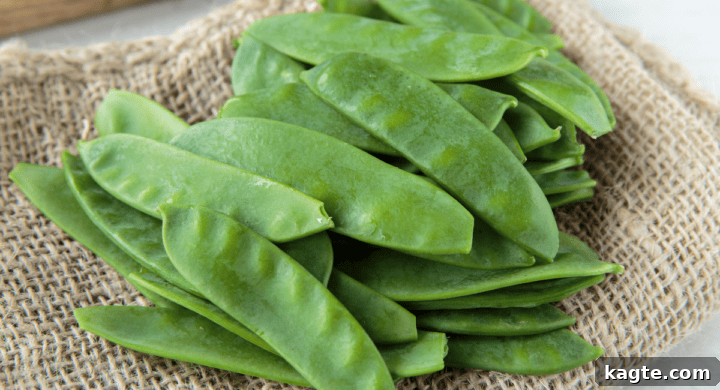
For those seeking a crisp and distinctly sweet substitute, snow peas are an excellent choice. These flat, edible-podded peas offer a delightful crunch and a naturally sweet flavor that can brighten up a variety of dishes. Unlike asparagus, snow peas are often enjoyed raw or very lightly cooked to preserve their signature texture and vibrant taste. They are particularly well-suited for Asian-inspired stir-fries, where their quick cooking time and crispness are highly valued. Beyond stir-fries, snow peas are a fantastic addition to fresh salads, providing a burst of sweetness and an appealing textural contrast. They can also be lightly steamed or blanched for a tender-crisp side. Their delicate appearance and refreshing taste make them a compelling alternative when you want a vegetable that brings both freshness and a pleasing snap to the table.
Zucchini
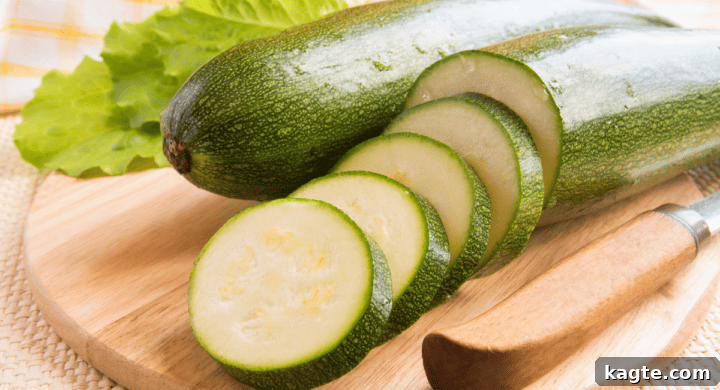
Zucchini, a member of the squash family, is an incredibly versatile vegetable with a mild, slightly sweet flavor that makes it an adaptable substitute for asparagus. Its tender flesh and ability to take on the flavors of accompanying ingredients allow it to seamlessly integrate into countless recipes. While its texture is softer and more watery than asparagus, zucchini can be prepared in ways that yield a satisfying result. It can be sliced into rounds or spears, grilled to perfection, roasted to bring out its sweetness, or sautéed until tender. Zucchini shines in pasta dishes, vegetable gratins, ratatouille, or as a healthy side dish simply seasoned with herbs. For a unique twist, you can even spiralize zucchini into “zoodles” to create a low-carb pasta alternative that cooks quickly and absorbs sauces beautifully, offering a fresh take on your meals.
Artichoke Hearts
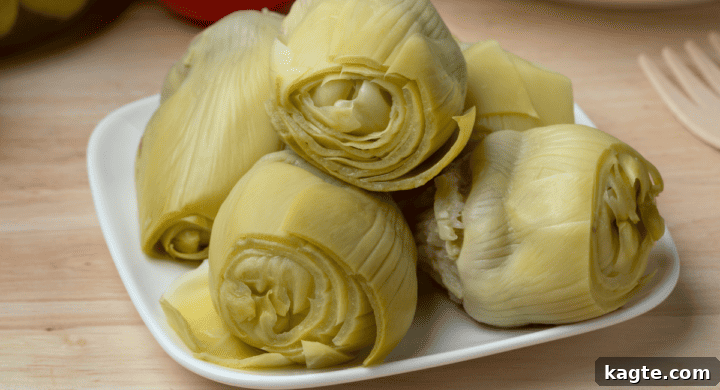
Artichoke hearts, whether fresh, canned, or jarred, offer a unique and sophisticated flavor profile that can make for an intriguing asparagus substitute. Known for their distinct tangy, slightly nutty, and subtly sweet taste, they bring a gourmet touch to any dish. While their texture is softer and more tender than asparagus, their robust flavor can add depth and complexity where asparagus might otherwise be used. Artichoke hearts are fantastic in Mediterranean-inspired dishes, salads, pasta sauces, pizzas, and dips. They can be marinated, grilled, or simply added to warm dishes to infuse them with their characteristic taste. Their ability to elevate simple ingredients makes them an excellent choice when you’re looking to introduce a more pronounced and distinctive flavor into your recipe while still maintaining a vegetable-focused approach.
Green Bell Peppers
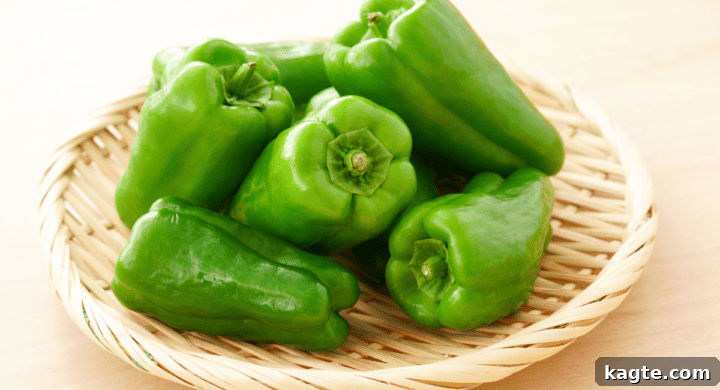
Green bell peppers, with their crisp texture and fresh, slightly bitter flavor, provide a wonderful crunch and vibrant color to a multitude of dishes. While their taste is more assertive and less earthy than asparagus, they offer a delightful crispness that can add an appealing textural contrast, especially when cooked lightly. Their versatility allows them to be incorporated into various cuisines and preparations. Green bell peppers excel in stir-fries, fajitas, chili, and as a raw, crunchy addition to salads and vegetable platters. They can be roasted to soften their texture and mellow their flavor, or sautéed to retain some of their signature crunch. Stuffed bell peppers are another classic dish where they truly shine. Rich in Vitamin C, green bell peppers are not only a flavorful substitute but also a healthy choice that contributes a refreshing zest to your meals.
Fiddlehead Ferns
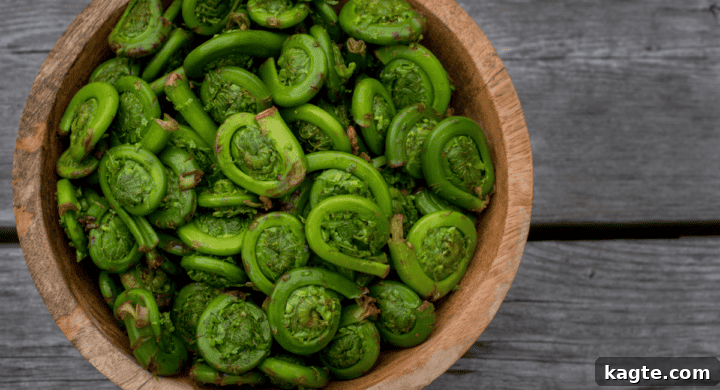
For the adventurous cook, fiddlehead ferns offer a truly unique and seasonal asparagus substitute that is surprisingly similar in flavor. These tightly coiled, young fern fronds have a distinctive grassy, slightly nutty, and subtly sweet taste, often described as a cross between asparagus, green beans, and spinach. Their tender-crisp texture, when properly cooked, also bears a resemblance to asparagus. Fiddlehead ferns are typically harvested in spring, making them a special seasonal treat. They require careful cleaning to remove any papery husks and a brief blanching or steaming before sautéing or adding to other dishes. Once prepared, they are a delightful addition to sautés, omelets, pasta dishes, or as a gourmet side vegetable. Exploring fiddlehead ferns can bring an exciting and earthy dimension to your cooking, offering a truly unique flavor experience.
Cabbage
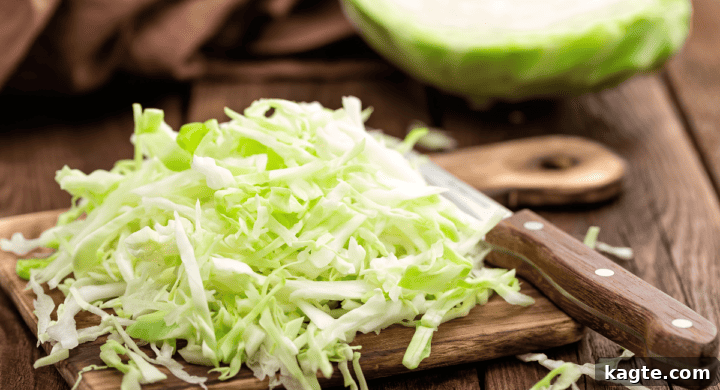
Cabbage, a humble yet incredibly versatile vegetable, can surprisingly act as an effective substitute for asparagus in certain contexts. Available in numerous varieties such as green, red, Napa, and Savoy, cabbage offers a mild, slightly peppery flavor and a firm, crunchy texture that softens beautifully upon cooking. While it doesn’t replicate the shape of asparagus, its ability to be shredded, sliced, or chopped allows it to adapt to various preparations. Cabbage can be sautéed, roasted, grilled, or even braised to develop a deeper, sweeter flavor. It works wonderfully in stir-fries, slaws, hearty soups, and as a base for wraps or tacos. Its robust texture holds up well to longer cooking times, making it suitable for stews and casseroles. Cabbage is also incredibly nutritious, packed with vitamins C and K, and fiber, offering a healthy and economical alternative.
Brussels Sprouts
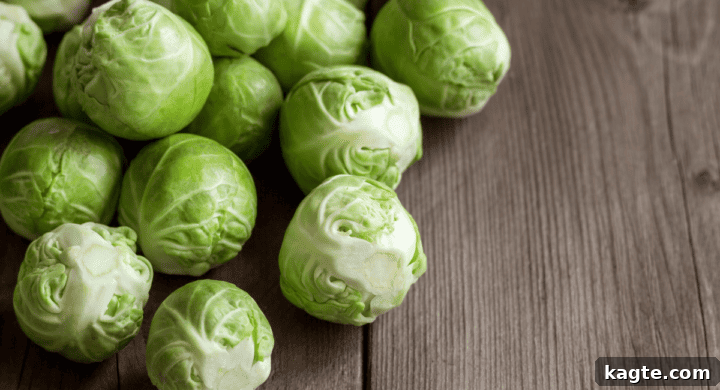
Brussels sprouts, with their compact size and robust, slightly bitter, and nutty flavor, offer a hearty and satisfying alternative to asparagus. While their taste is more pronounced than asparagus, they share a similar tender-crisp texture when properly cooked and can be prepared using many of the same methods. Roasting Brussels sprouts is particularly popular, as it brings out their natural sweetness and creates delicious caramelization on their outer leaves. They can also be halved and sautéed with bacon or garlic, steamed, or thinly shaved raw into salads for a peppery crunch. Brussels sprouts are excellent as a standalone side dish, tossed with pasta, or added to warm grain bowls. Rich in vitamins C and K, these miniature cabbages provide a nutritious and flavorful punch, making them a fantastic option for adding depth and texture to your meals.
Green Peas
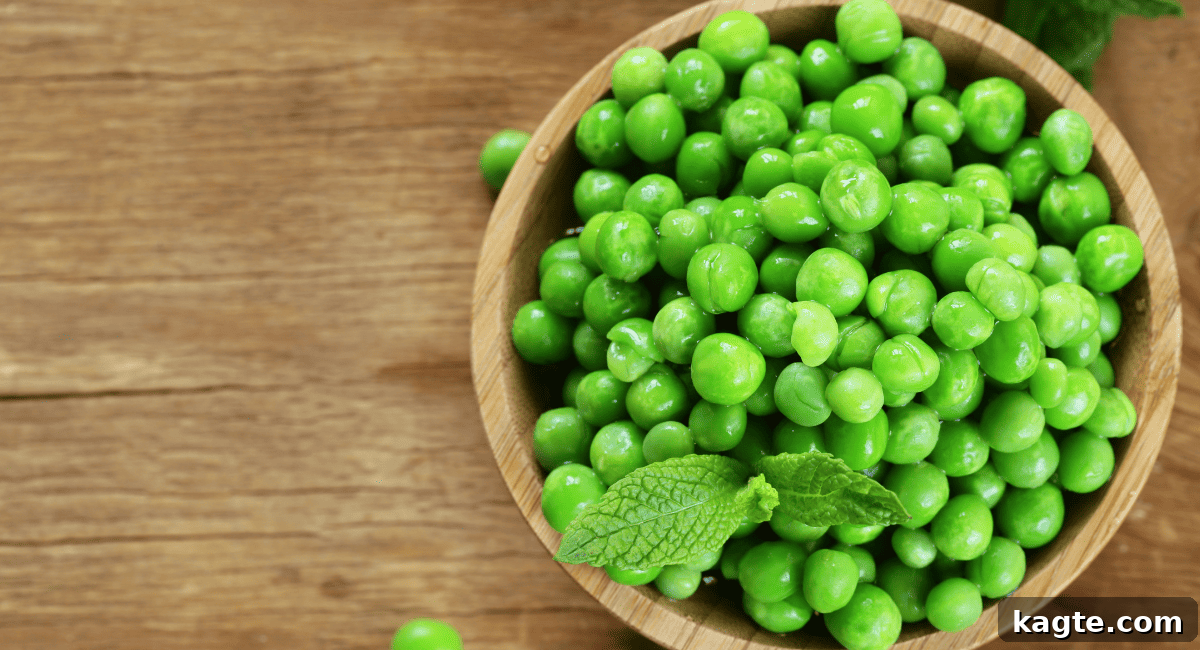
Green peas, small but mighty, are bursting with natural sweetness and a tender texture that makes them an unexpectedly delightful substitute for asparagus, especially when you need a touch of fresh, vibrant green in your dish. While they don’t offer the elongated shape of asparagus, their bright flavor and soft, slightly starchy consistency can complement a wide array of recipes. Green peas can be enjoyed fresh, frozen, or canned, making them incredibly convenient and accessible year-round. They cook very quickly, whether boiled, steamed, or sautéed, retaining their vibrant color and delicate taste. They are excellent in rice dishes like risotto, mixed into pasta, added to soups and stews for a pop of sweetness, or simply served as a quick and easy side dish. Packed with vitamins and fiber, green peas are a versatile and cheerful addition to your culinary repertoire.
How To Choose The Right Substitute
Selecting the perfect asparagus substitute depends largely on the specific dish you’re preparing and your desired outcome. Consider these key factors to ensure your chosen alternative truly enhances your meal:
- Flavor Profile: Does your recipe call for a delicate, earthy taste, or can it handle something with more sweetness, bitterness, or nuttiness? Match the substitute’s inherent flavor to the overall balance of your dish.
- Texture: Asparagus is known for its tender-crisp snap. Are you looking for a similar bite, or would a softer, firmer, or crunchier texture work better? Green beans offer a firmer crunch, while zucchini provides a softer alternative.
- Cooking Method: Think about how you intend to cook the vegetable. Will the substitute hold up to roasting, grilling, steaming, or stir-frying without becoming mushy or tough? Ensure its cooking properties align with your recipe’s demands.
- Appearance: If presentation is important, consider the visual aspect. Broccolini most closely resembles asparagus in shape, while other options like green peas or artichoke hearts offer different, but equally appealing, aesthetics.
- Availability & Seasonality: Choose what’s fresh and readily available in your local market. Seasonal vegetables often offer the best flavor and nutritional value.
By carefully considering these elements, you can confidently select an asparagus substitute that not only fits your needs but also brings a fresh and exciting dimension to your cooking.
Frequently Asked Questions (FAQs)
Asparagus has a unique flavor profile that is often described as earthy, slightly bitter, and subtly sweet, with a distinct grassy or even nutty undertone. Vegetables like broccolini and fiddlehead ferns come closest in flavor, offering a similar mild earthiness. Green beans and artichoke hearts also share some of these notes, though they have their own unique characteristics. The exact taste can vary based on freshness, cooking method, and the specific variety of asparagus.
It’s important to avoid consuming asparagus if it shows signs of spoilage. These indicators include a slimy or sticky texture on the stalks, a mushy or overly soft feel, particularly at the tips. A strong, foul, or sulfurous odor is another clear sign that asparagus has gone bad. Additionally, any visible mold or discoloration (beyond its natural green or purple hues) means it’s unsafe to eat. Always inspect your produce carefully to ensure freshness and prevent foodborne illness.
Absolutely! Many of the vegetables listed, such as green beans, green peas, and even some types of cabbage or broccolini, are readily available frozen. Frozen vegetables are picked at their peak freshness and flash-frozen, locking in nutrients and flavor. They are convenient and can be used directly in many recipes, especially stir-fries, soups, casseroles, or as a quick side dish, making them a fantastic pantry staple for when fresh produce isn’t an option.
Exploring these fantastic asparagus substitutes opens up a world of culinary possibilities. Each vegetable brings its own charm, flavor, and texture to your plate, proving that creativity in the kitchen knows no bounds. Don’t be afraid to experiment with different options to find what best suits your palate and recipe. Happy cooking!
Follow me on Pinterest, Facebook & Instagram.
Shop my Amazon Storefront!