
The Ultimate Guide to Avocado Oil Substitutes: Your Kitchen’s Best Alternatives
Avocado oil has soared in popularity, celebrated for its buttery flavor, remarkable versatility, and impressive nutritional profile. Rich in monounsaturated fats and boasting a high smoke point, it’s become a go-to for everything from high-heat cooking to delicate salad dressings. However, even the most dedicated home chefs might occasionally find themselves without this kitchen staple. Perhaps it’s out of stock at your local grocery store, a bit beyond your budget, or you simply want to explore other options. Whatever the reason, finding a suitable replacement is easier than you might think.
This comprehensive guide will walk you through the 10 best avocado oil substitutes, ensuring your recipes remain delicious and successful. We’ll delve into each alternative’s unique properties, including their flavor profiles, smoke points, and ideal applications, helping you make an informed choice that perfectly matches your culinary needs and brings its own distinct flair to your table.
Why Seek Avocado Oil Substitutes?
While avocado oil is a fantastic ingredient, there are several compelling reasons why you might need or want to explore alternatives. Understanding these can help you select the best substitute:
- Cost-Effectiveness: Avocado oil can be pricier than many other cooking oils, making it less accessible for some budgets.
- Availability: Depending on your location, avocado oil might not always be readily available or in stock.
- Flavor Experimentation: Sometimes, a recipe calls for a specific flavor profile that avocado oil’s neutral taste doesn’t provide, or you might wish to introduce new dimensions to your dishes.
- Dietary Preferences or Allergies: Although rare, some individuals may have sensitivities or allergies to avocado.
- Specific Cooking Needs: While avocado oil has a high smoke point, certain recipes might benefit from an oil with an even higher tolerance, or one that specifically enhances a dish’s texture or browning.
Factors to Consider When Choosing an Alternative
When selecting an avocado oil substitute, keep these critical factors in mind to ensure your recipe turns out just right:
- Smoke Point: This is the temperature at which an oil begins to burn and produce smoke, negatively impacting flavor and potentially creating harmful compounds. Avocado oil has a very high smoke point (around 520°F/271°C), making it ideal for high-heat cooking. If you’re frying or roasting, choose an oil with a similar high smoke point. For dressings or low-heat baking, this factor is less critical.
- Flavor Profile: Avocado oil is known for its mild, neutral flavor. If your recipe relies on this neutrality, opt for a substitute that won’t overpower other ingredients. If, however, a unique flavor would enhance the dish (e.g., nutty, tropical, herbaceous), a more distinct oil might be a fantastic choice.
- Intended Use: Consider how the oil will be used. Is it for deep-frying, sautéing, baking, or a cold application like a salad dressing or marinade? Each application has different requirements for oil properties.
- Nutritional Content: While not always the primary concern for a substitute, some oils offer beneficial monounsaturated or polyunsaturated fats, similar to avocado oil.
Table of Contents
- Almond Oil
- Vegetable Oil
- Canola Oil
- Coconut Oil
- Grapeseed Oil
- Hazelnut Oil
- Olive Oil
- Sesame Oil
- Sunflower Oil
- Walnut Oil
- FAQs About Avocado Oil & Substitutes
- More Cooking Resources
Almond Oil

Almond oil, particularly the refined variety, makes a delightful and healthy substitute for avocado oil in many applications. It boasts a mild, slightly sweet, and delicate nutty flavor that can add a sophisticated touch without overpowering your dish. With a smoke point of around 420°F (215°C), it’s suitable for baking, light sautéing, and medium-heat cooking. Where avocado oil provides neutrality, almond oil offers a gentle enhancement, making it ideal for salad dressings, dips, marinades, and drizzling over cooked vegetables or grain bowls. While its flavor profile is more pronounced than avocado oil, it’s subtle enough to complement a wide range of recipes, especially those that benefit from a hint of nuttiness, such as certain baked goods or Asian-inspired salads. However, remember its nut origin if cooking for those with allergies, and note it can be a bit more expensive than some other neutral oils.
Vegetable Oil

Vegetable oil, often a blend of oils like soybean, corn, or sunflower, is arguably one of the most universal and readily available cooking oils. Its most significant advantage as an avocado oil substitute is its almost entirely neutral flavor. This makes it an ideal, direct swap for avocado oil in recipes where you want the oil to act purely as a cooking medium without imparting any distinct taste. With a medium-high smoke point, typically ranging from 400-450°F (204-232°C) depending on the blend, vegetable oil is highly versatile for baking, frying, sautéing, and general cooking. It won’t interfere with the delicate flavors of your baked goods or the natural taste of your fried foods. While it might not offer the same beneficial monounsaturated fat profile as avocado oil, its affordability and widespread availability make it a practical and reliable pantry staple for any kitchen, ensuring your recipes achieve the desired texture and consistency.
Canola Oil

Canola oil is an excellent contender for an avocado oil substitute, particularly when a high smoke point and neutral flavor are paramount. Derived from the rapeseed plant, canola oil is renowned for its very mild taste, which means it won’t impact the overall flavor of your dishes. With a smoke point of approximately 400°F (204°C), it stands up well to various high-heat cooking methods, including frying, sautéing, and roasting, much like avocado oil. It’s also a popular choice for baking, where its lack of strong flavor allows other ingredients to shine. Nutritionally, canola oil contains both omega-3 and omega-6 fatty acids, making it a good option for those looking for a balanced oil. Its widespread availability and economical price point further solidify its position as a go-to kitchen staple and a reliable alternative when avocado oil is out of reach. Canola oil provides a consistent performance for nearly any culinary task.
Coconut Oil
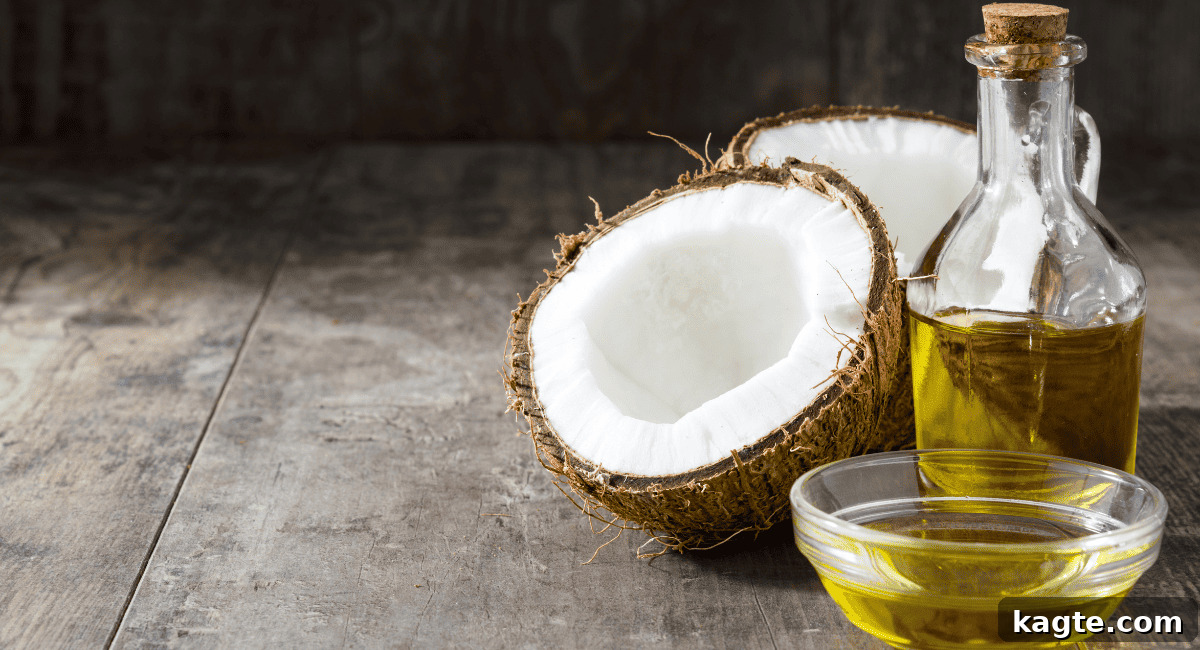
Coconut oil is a versatile substitute for avocado oil, but with a significant flavor caveat that makes it ideal for specific applications. Unrefined (virgin) coconut oil has a distinct, sweet, and tropical aroma and flavor, which can beautifully complement dishes like curries, baked goods, and certain stir-fries. Refined coconut oil, on the other hand, is much more neutral in taste, making it a better choice when you want the oil’s properties without the coconut flavor. Its smoke point varies: unrefined coconut oil is around 350°F (177°C), while refined can go up to 400°F (204°C). This means it’s generally not recommended for very high-heat cooking unless refined. Coconut oil’s solid state at room temperature also gives it a unique texture in baking, contributing to moist and tender results. Use it when you’re looking to introduce a subtle sweetness or tropical flair, particularly in desserts, smoothies, or certain Asian and vegan recipes, but be mindful that it will impart flavor unlike neutral avocado oil.
Grapeseed Oil

Grapeseed oil is an exceptional substitute for avocado oil, particularly when you need an oil that is light, mild, and has a high smoke point. Extracted from the seeds of grapes, this oil possesses an incredibly clean and neutral flavor, making it a fantastic choice for recipes where you want the natural taste of your ingredients to shine through without any interference from the oil itself. Its smoke point is impressively high, typically around 420°F (216°C), which positions it well for high-heat cooking methods such as frying, sautéing, and baking. Grapeseed oil is also favored for its thin consistency, making it an excellent base for salad dressings and marinades, where it emulsifies beautifully without adding weight. For those seeking a subtle touch and robust performance in heat-intensive cooking, grapeseed oil is a superior alternative that mirrors many of avocado oil’s most desirable qualities, offering a healthy fat profile primarily composed of polyunsaturated fats.
Hazelnut Oil
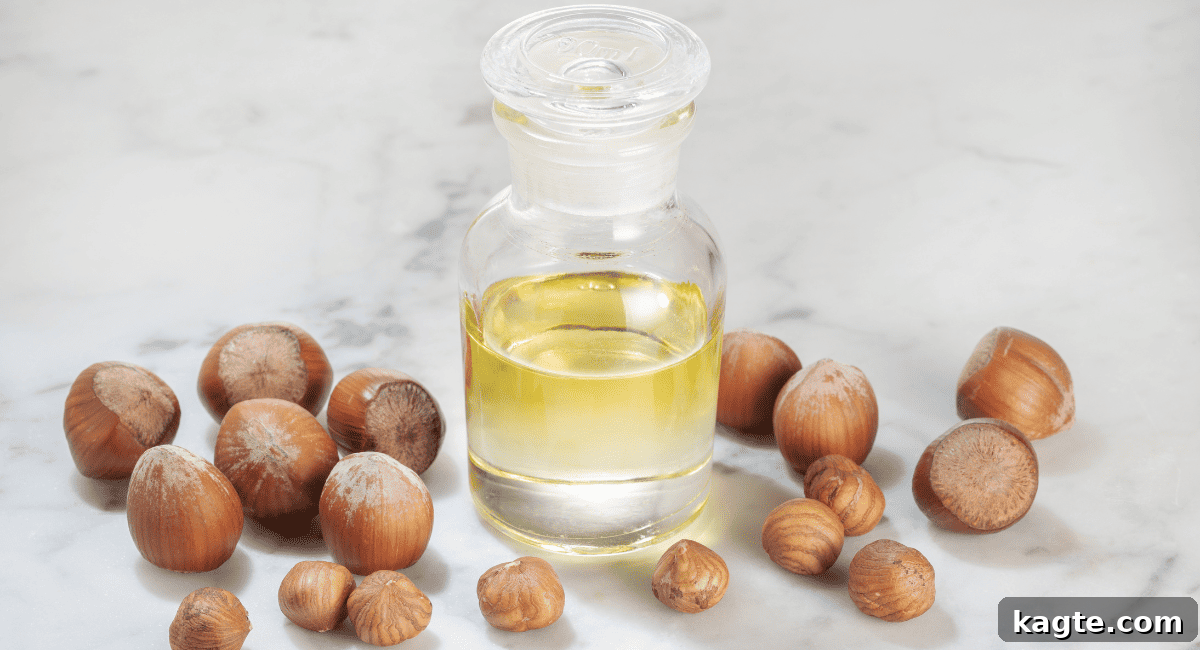
Hazelnut oil offers a distinctive and appealing flavor profile that can be a fantastic substitute for avocado oil when a rich, nutty essence is desired. Unlike the neutral taste of avocado oil, hazelnut oil imparts a noticeable, sweet, and aromatic nuttiness that pairs exceptionally well with both sweet and savory dishes. It’s particularly celebrated in European cuisines for enhancing baked goods, pastries, and chocolate desserts. With a medium smoke point of around 430°F (221°C), it can be used for light sautéing, but its true magic shines in cold applications like salad dressings, vinaigrettes, or as a finishing oil drizzled over roasted vegetables, pasta, or even soups. It adds a gourmet touch and depth of flavor that avocado oil cannot. While not suitable for every recipe due to its strong character, hazelnut oil is a versatile and luxurious alternative for occasions where you want to elevate the flavor profile with a sophisticated, rich nut essence, provided there are no nut allergies to consider.
Olive Oil
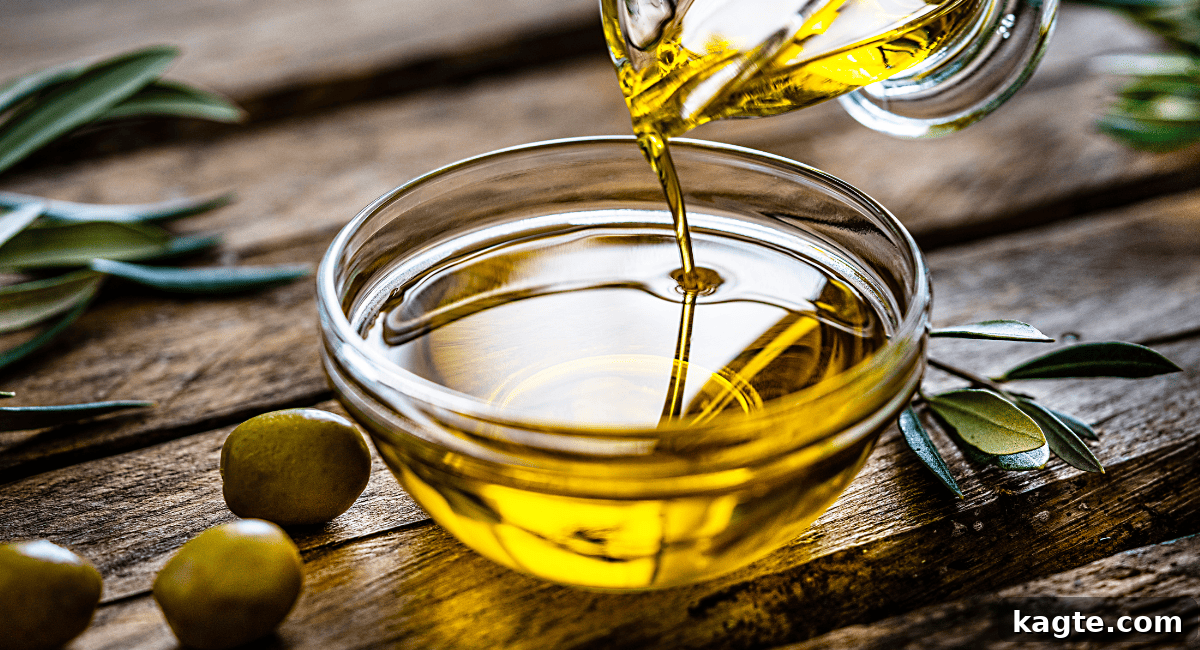
Olive oil, a cornerstone of Mediterranean cuisine, is an incredibly versatile and widely available substitute for avocado oil. Its suitability largely depends on the type of olive oil and its intended use. Extra Virgin Olive Oil (EVOO) has a distinct fruity, peppery, or grassy flavor and a lower smoke point (around 375°F/190°C), making it ideal for dressings, marinades, finishing dishes, and light sautéing where its flavor is welcomed. For higher-heat cooking like roasting or frying, a “light” or refined olive oil is a better choice, as it has a more neutral flavor and a higher smoke point (up to 470°F/243°C), more closely matching avocado oil’s utility. Both types are rich in monounsaturated fats, offering similar health benefits to avocado oil. When selecting olive oil as a substitute, consider the impact of its flavor on your recipe. For neutrality in baking or deep-frying, opt for refined olive oil. For flavorful dressings and everyday sautéing, EVOO is a superb and healthy choice that seamlessly steps in.
Sesame Oil
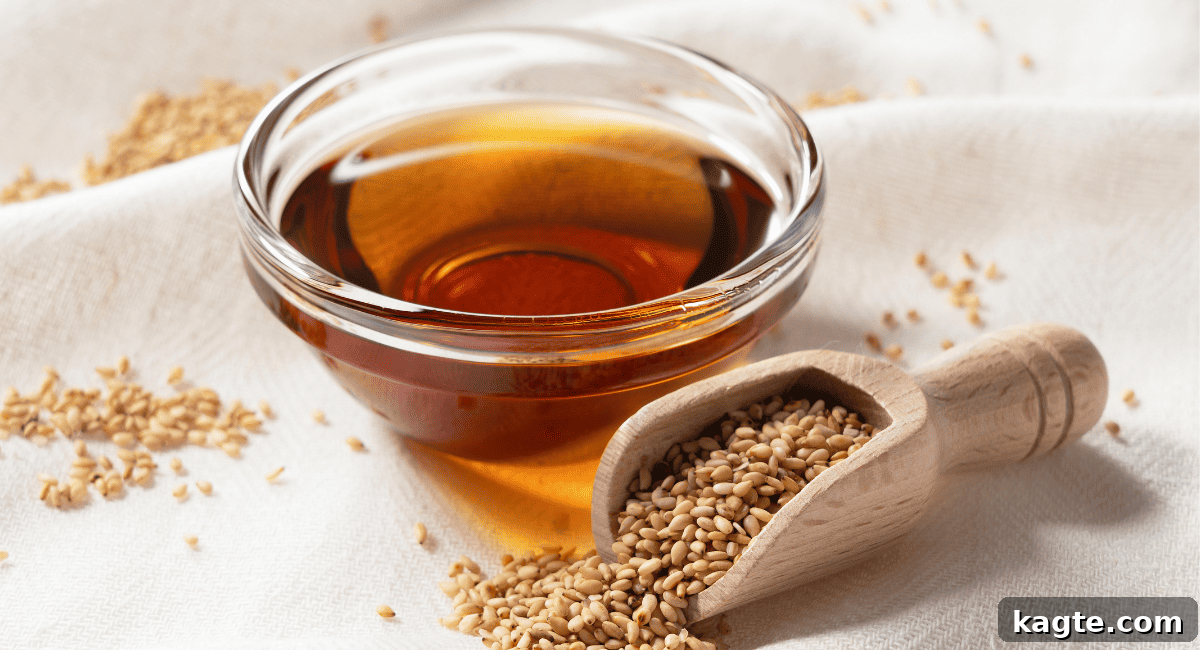
For an undeniable Asian-inspired twist or a rich, nutty depth, look no further than sesame oil. This potent oil is not a neutral substitute like avocado oil but rather a powerful flavor enhancer. Toasted sesame oil, with its deep amber color and robust, nutty aroma, is a staple in stir-fries, marinades, dressings, and dipping sauces, offering a characteristic warmth to dishes. It has a medium smoke point (around 350°F/177°C for toasted, 410°F/210°C for refined), making refined sesame oil suitable for light sautéing, but toasted sesame oil is best used as a finishing oil or in low-heat applications to preserve its delicate flavor. It’s important to use sesame oil sparingly due to its intense taste; a little goes a long way. This makes it an excellent choice when you intentionally want to shift or enhance the flavor profile of a dish, moving it towards an East Asian culinary theme. However, it is generally not recommended as a substitute in baking or other recipes where a neutral oil is crucial, such as cakes or breads, as its distinctive flavor would dominate.
Sunflower Oil

Sunflower oil is a fantastic all-purpose substitute for avocado oil, celebrated for its neutral flavor and high smoke point, making it exceptionally versatile in the kitchen. Refined sunflower oil boasts a smoke point of around 450°F (232°C), putting it in the same league as avocado oil for high-heat cooking methods such as deep-frying, pan-frying, and roasting. Its subtle taste ensures that it won’t interfere with the intended flavors of your dishes, making it perfect for baking, where a neutral oil is often preferred to allow other ingredients to shine. Beyond cooking, it also works well in salad dressings and marinades due to its light texture. Nutritionally, sunflower oil is a good source of Vitamin E and typically high in polyunsaturated fats. While unrefined varieties exist with lower smoke points and more distinct flavors, the refined version is the ideal stand-in for avocado oil, offering reliability, consistent performance, and a generally good value for a healthy cooking oil.
Walnut Oil
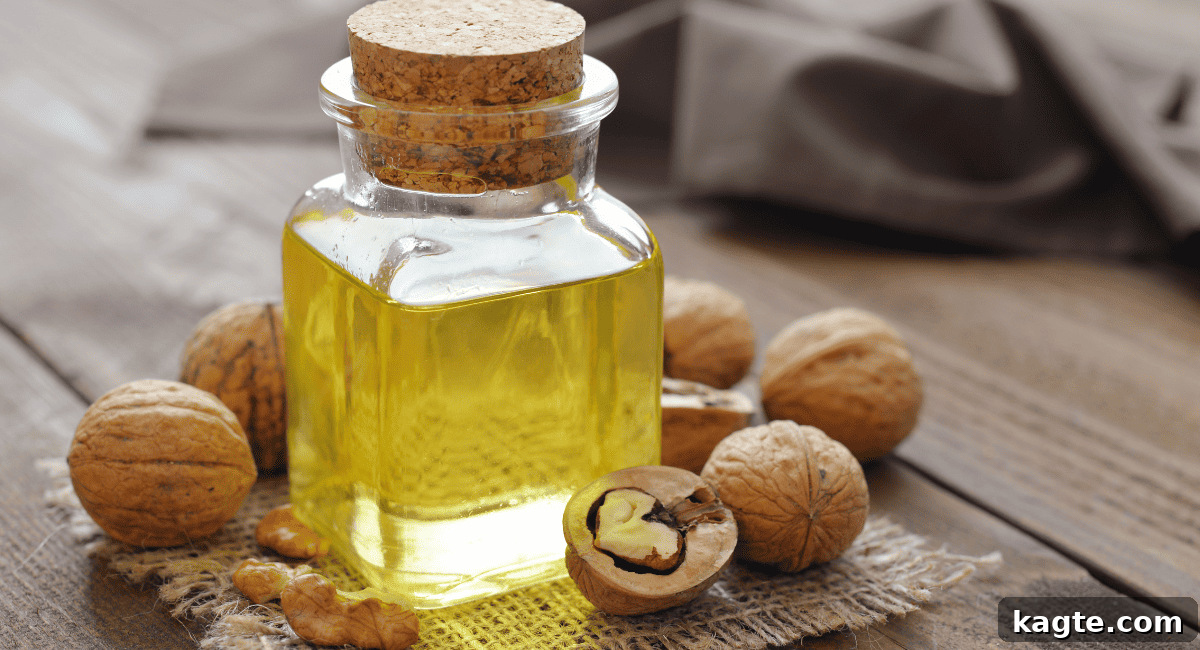
Walnut oil is a lesser-known culinary gem that deserves a spot in your kitchen, offering a distinctly rich, earthy, and robust nutty flavor. While it’s not a neutral substitute for avocado oil, it can be a delightful alternative when you want to infuse your dishes with a gourmet nut essence. Its smoke point is relatively low, around 320°F (160°C), meaning it’s best reserved for cold applications or finishing dishes rather than high-heat cooking. Walnut oil shines in salad dressings, vinaigrettes, and as a drizzle over roasted vegetables, pasta, or grilled fish. It also performs wonderfully in baking, especially in desserts like cakes, muffins, or breads where its deep flavor can complement ingredients like chocolate or fruit. Rich in omega-3 fatty acids, it also brings a nutritional boost. Similar to hazelnut oil, it offers a pronounced flavor that will significantly alter the taste of your recipe compared to neutral avocado oil, so use it intentionally when its unique, sophisticated character is desired. Always consider nut allergies when using walnut oil.
These substitutes offer diverse flavors and textures, empowering you to elevate your recipes even when avocado oil isn’t an option. Experiment with them to discover new favorites and broaden your culinary horizons. Happy cooking!
FAQs About Avocado Oil & Substitutes
Absolutely! Avocado oil can significantly enhance baked goods. Its mild flavor ensures it won’t interfere with your recipe’s intended taste, while its high monounsaturated fat content helps to retain moisture. This results in incredibly soft, tender, and moist cakes, muffins, and cookies that stay fresh longer. Its smooth texture also contributes to a delicate crumb, making it a fantastic choice for nearly any baking application where a liquid fat is required.
No, avocado oil generally does not need to be refrigerated, even if it’s raw or unrefined. In fact, refrigerating it can sometimes cause it to become cloudy or solidify, though this doesn’t harm its quality. The best way to store avocado oil is in a cool, dark place, away from direct sunlight and heat, such as a pantry or dark cupboard. This helps to maintain a consistent temperature and prevent oxidation, ensuring its freshness and extending its shelf life for optimal flavor and quality.
The primary difference lies in how they are processed and their resulting flavor, smoke point, and nutrient content. Unrefined oils (like Extra Virgin Olive Oil or virgin coconut oil) are minimally processed, often cold-pressed, retaining more of their natural flavor, aroma, and nutrients. They typically have lower smoke points. Refined oils (like light olive oil, refined canola, or refined sunflower oil) undergo more extensive processing, including filtration, bleaching, and deodorization. This process removes impurities, neutralizes strong flavors, and increases their smoke point, making them more suitable for high-heat cooking but often with fewer micronutrients and less distinctive flavor.
Yes, butter can be a suitable substitute for avocado oil in certain applications, especially baking or low-to-medium heat sautéing, usually in a 1:1 ratio. Butter will, however, impart a distinct rich, creamy flavor, which differs significantly from avocado oil’s neutrality. It also has a lower smoke point (around 302°F/150°C for unsalted butter) due to its milk solids, making it less ideal for high-heat frying. If using it in baking, it will contribute to a different texture and flavor profile. For dairy-free recipes, butter would obviously not be an option. Consider clarified butter (ghee) for a higher smoke point and buttery flavor without milk solids.
More Cooking Resources
You Might Also Like
Cooking Resources
The Best Substitutes for Rice Vinegar
Appetizers
Ways To Eat Spinach Dip (Hot or Cold)
Dessert
Ice Cream Sundae Toppings Bar (BEST Ideas)
Cooking Resources
Best 5 Substitutes for Parmesan Cheese (Pasta, Etc.)
Follow me on Pinterest, Facebook & Instagram.
Shop my Amazon Storefront!