

Orange juice is a beloved kitchen staple, celebrated for its vibrant flavor and incredible versatility across countless culinary creations. From lending a zesty kick to savory marinades and refreshing salad dressings to infusing baked goods with a subtle sweetness and bright citrus notes, it possesses a remarkable ability to elevate a dish to new heights. However, there are times when you might find yourself without this common ingredient—whether due to an unexpected shortage, specific dietary restrictions, allergies, or simply a desire to experiment with new flavor profiles. When these moments arise, knowing the right alternatives can be a true game-changer in the kitchen. This comprehensive guide will explore 12 excellent orange juice substitutes, providing you with practical solutions and creative ideas to ensure your cooking and baking projects always achieve delicious results, even without the staple citrus.

Table of Contents: Find Your Perfect Orange Juice Alternative
- Lemon Juice: The Zesty Citrus Alternative
- Lime Juice: For a Tangy, Aromatic Twist
- Pineapple Juice: A Sweet Tropical Swap
- Apple Juice: Mildly Sweet and Universally Appealing
- Grapefruit Juice: Balanced Sweetness and Bitterness
- Cranberry Juice: Tart, Fruity, and Deep
- Vinegar (White, Apple Cider, or Balsamic): Acidity Without the Fruit
- Buttermilk: Creamy Tang for Baking
- Yogurt: A Thick and Tangy Dairy Option
- Orange Extract: Concentrated Orange Flavor
- Orange Zest: Pure Citrus Aroma
- Carrot Juice: Sweetness with a Mellow Earthiness
- Expert Tips for Using Orange Juice Substitutes
- Frequently Asked Questions About Substitutes
- Expand Your Culinary Knowledge
Lemon Juice: The Zesty Citrus Alternative
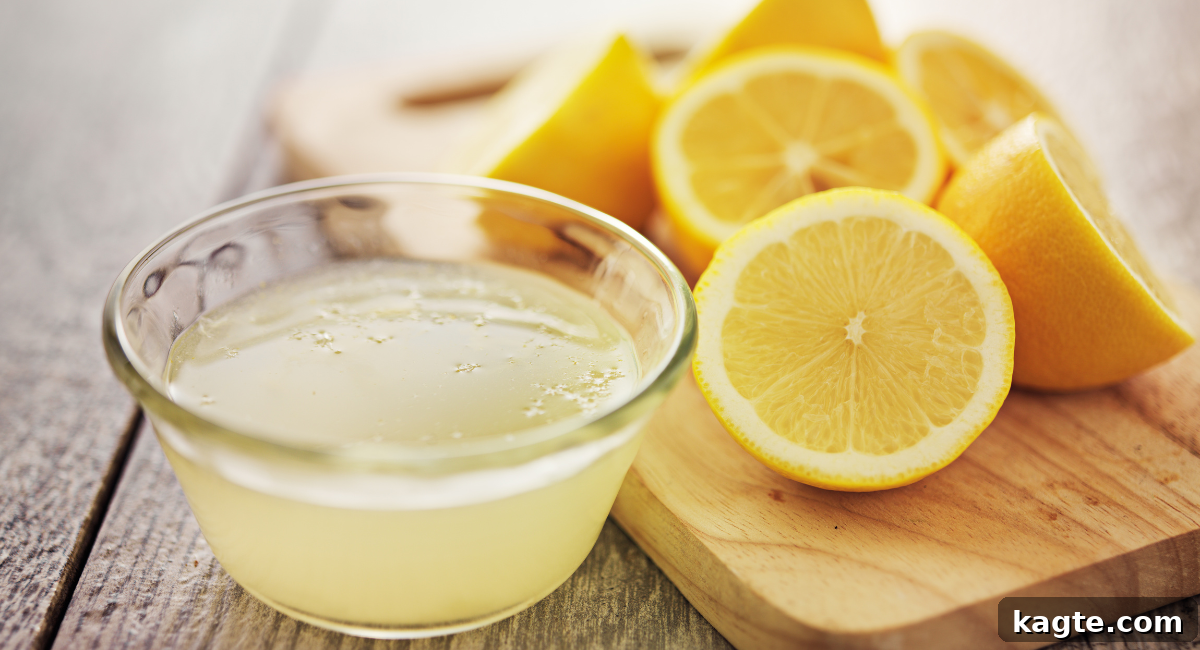
Lemon juice is an outstanding and widely available substitute for orange juice, particularly when the recipe calls for acidity and a vibrant citrus note. While orange juice often offers a balanced sweet-tart profile, lemon juice leans heavily towards a more pronounced tartness. Its higher acidity makes it ideal for cutting through rich flavors, tenderizing meats in marinades, or adding a refreshing brightness to a dish. When swapping lemon juice for orange juice, consider adding a touch of sweetener, such as a pinch of sugar, honey, or maple syrup, to help balance the tartness and better approximate the sweetness of orange juice, especially in baking applications.
Why Lemon Juice Works as an Orange Juice Substitute:
- Acidity Match: Lemon juice provides the essential acidic component often required in marinades, salad dressings, and certain baking reactions (like activating baking soda for leavening).
- Bright Flavor Profile: It imparts a fresh, clean, and zesty flavor that can be quite similar to the “bright” notes found in orange juice, enhancing the overall freshness of your dish.
- Versatility and Accessibility: Its widespread availability and familiar culinary applications make it one of the easiest and most reliable swaps.
Best Uses and Substitution Tips:
Lemon juice truly excels in applications where orange juice contributes acidity and a fresh, uplifting flavor rather than significant sweetness. It’s particularly effective in:
- Baking: For recipes requiring a citrus lift, such as glazes for cakes or cookies, or in batters where citrus acidity reacts with leavening agents. Start with half the amount of lemon juice and adjust to taste, adding a sweetener if needed.
- Marinades: Ideal for tenderizing various meats, including chicken, fish, and pork, while infusing them with a bright, tangy flavor. Use a 1:1 ratio, but be mindful of the increased tartness.
- Salad Dressings: It provides a classic, sharp base for vinaigrettes, offering a lovely contrast to oils and herbs and a refreshing zing.
- Sauces: Great for deglazing pans or finishing delicate pan sauces for poultry or seafood, adding a piquant and vibrant finish.
Substitution Ratio: Begin with a 1:1 ratio. However, be prepared to introduce a small amount of sugar or honey if the original recipe heavily relies on orange juice for sweetness. Taste and adjust carefully throughout the cooking process.
Lime Juice: For a Tangy, Aromatic Twist
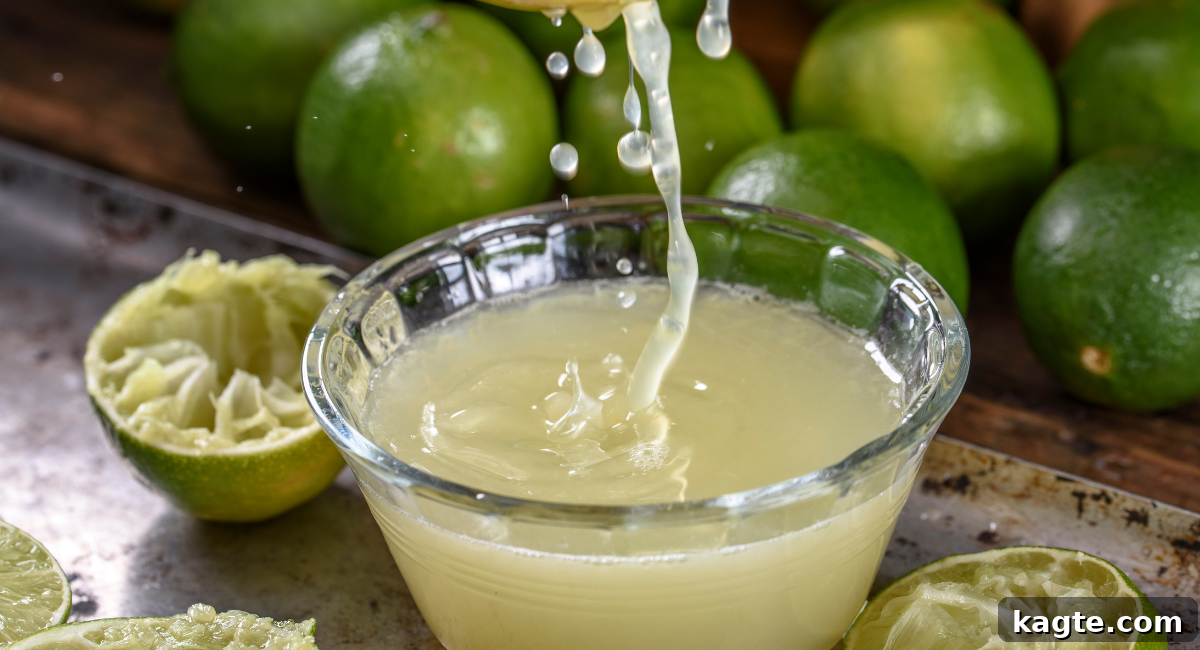
Following closely in the footsteps of lemon juice, lime juice is another fantastic citrus alternative that can readily step in for orange juice. It delivers a distinctly tangy and often aromatic flavor profile that is generally sharper and more intense than orange juice. While both share a refreshing citrusy essence, lime juice introduces a unique bright, sometimes slightly floral, and occasionally subtly bitter note. This distinct character can enhance certain dishes in surprising and delightful ways, making it particularly effective in recipes that benefit from a strong, invigorating citrus presence.
Why Lime Juice Works as an Orange Juice Substitute:
- High Acidity: Much like lemon juice, lime juice provides excellent acidity, crucial for balancing flavors in savory dishes and aiding in chemical reactions within baking.
- Distinct Flavor Profile: Its unique zest and tangy qualities can introduce an interesting depth and complexity, especially in savory dishes or specific dessert applications.
- Powerful Brightening Agent: Works exceptionally well to brighten and lift overall flavors, preventing dishes from tasting flat or one-dimensional.
Best Uses and Substitution Tips:
Lime juice excels where its distinct tang and aromatic qualities can truly shine through or complement existing flavors. Consider it for:
- Sauces: Particularly effective in Asian or Latin-inspired sauces where lime is often a cornerstone ingredient, or to finish a rich cream sauce with a refreshing, cutting tang.
- Ceviche: It’s an essential ingredient for the chemical “cooking” of seafood in acidic marinades, making it a natural and flavorful fit.
- Desserts: Think vibrant key lime pies, refreshing custards, or fruit salads where a tart, bright flavor is highly desired. It can also be incorporated into glazes for cakes or cookies.
- Marinades: Excellent for seafood, chicken, and even some red meats, imparting a vibrant, fresh, and slightly exotic flavor.
- Cocktails and Drinks: A natural and popular choice for refreshing beverages where orange juice might also be used, offering a different, equally appealing citrus note.
Substitution Ratio: Use a 1:1 ratio as an initial starting point, but always be mindful of its potent flavor. You might find it necessary to add a small amount of sugar if the original recipe relies heavily on orange juice’s sweetness. Taste frequently as you incorporate it, adjusting to achieve the desired balance.
Pineapple Juice: A Sweet Tropical Swap

For those instances when you require an orange juice substitute that delivers both noticeable sweetness and a gentle touch of acidity, pineapple juice emerges as a fantastic tropical contender. Its naturally sweet and slightly tangy profile makes it a highly suitable alternative, especially in recipes where a tropical or generally fruity undertone is not only welcome but can actually enhance the dish. While it lacks the distinct citrus note of orange juice, its vibrant and appealing flavor can beautifully complement a wide spectrum of dishes, ranging from savory marinades and stir-fries to delightful desserts and beverages.
Why Pineapple Juice Works as an Orange Juice Substitute:
- Dual Sweetness and Acidity: It offers a good balance of natural sugars and mild acidity, effectively mimicking some of orange juice’s core characteristics.
- Robust Fruity Profile: Provides a strong, vibrant fruity flavor, albeit tropical, that can serve as an excellent stand-in for the general fruitiness of orange juice.
- Natural Tenderizing Properties: Similar to orange juice, the natural enzymes (bromelain) present in pineapple juice can effectively help tenderize meats in marinades, making it a functional choice.
Best Uses and Substitution Tips:
Pineapple juice is remarkably versatile and can be employed effectively in a variety of culinary applications:
- Smoothies: A natural and delicious fit, adding both sweetness and a refreshing tropical zest to any blend.
- Marinades: Excellent for pork, chicken, and even some fish, imparting a delightful sweet and tangy glaze, particularly in Asian or Hawaiian-inspired culinary preparations.
- Cakes and Baked Goods: Can successfully replace orange juice in recipes for upside-down cakes, muffins, or fruit breads, contributing both essential moisture and a delightful tropical flavor.
- Glazes and Sauces: Perfect for crafting sweet and savory glazes for ham or roasted poultry, or as a flavorful base for various sweet and sour sauces.
- Drinks: Can be used as a primary component in fruit punches, vibrant cocktails, or refreshing mocktails.
Substitution Ratio: Generally, a direct 1:1 ratio works very well for pineapple juice. However, be mindful that pineapple juice can sometimes be sweeter than average orange juice, so you might consider slightly reducing other added sugars in your recipe to maintain balance. If used in a marinade, its strong tenderizing enzymes mean you should avoid marinating meats for excessively long periods to prevent a mushy texture.
Apple Juice: Mildly Sweet and Universally Appealing
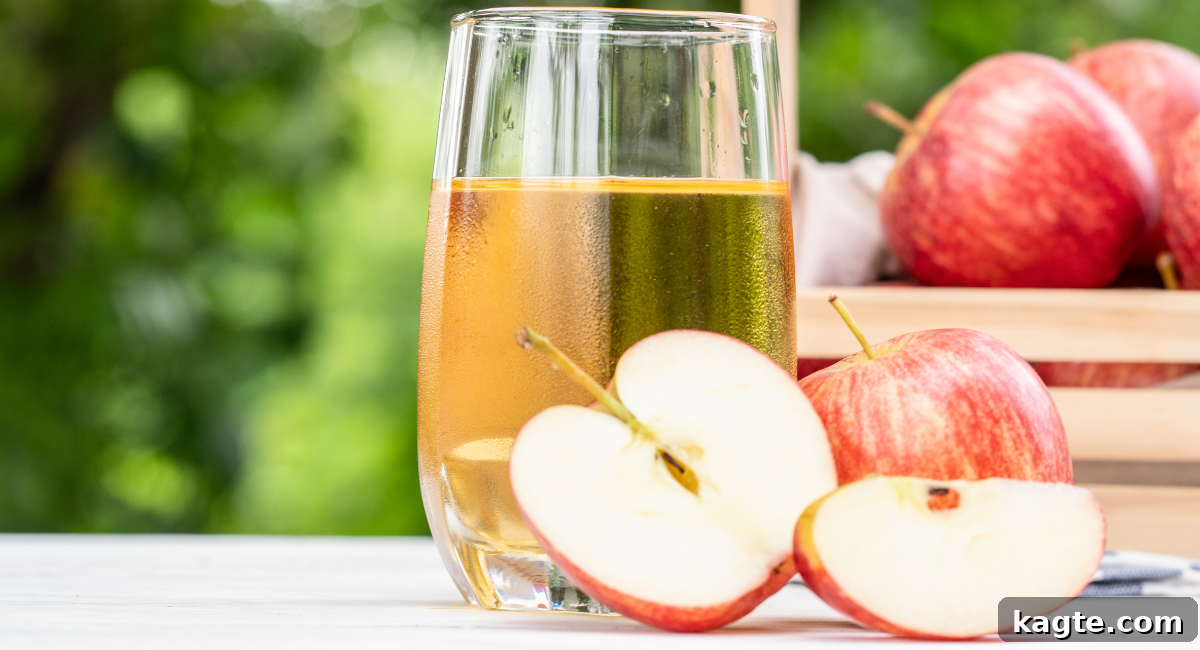
If your recipe calls for orange juice primarily for its liquid content, subtle sweetness, or general fruitiness rather than its pronounced citrus flavor, apple juice can be a surprisingly effective and versatile substitute. It offers a milder, inherently sweeter flavor profile that is unlikely to overpower other ingredients, making it an excellent choice when you need a neutral, fruit-based liquid that won’t drastically alter the dish’s core essence. For the best culinary results, always opt for unsweetened or natural apple juice to avoid introducing excessive or artificial sweetness.
Why Apple Juice Works as an Orange Juice Substitute:
- Mild Natural Sweetness: Provides a pleasant and natural sweetness without being overly aggressive, allowing the other primary flavors of your dish to shine through unhindered.
- Neutral Flavor Profile: Its subtle taste means it typically won’t drastically alter the overall flavor profile of your dish, especially if the orange juice’s original role was more for moisture and liquid volume.
- Excellent for Moisture and Liquid: Effectively adds necessary liquid and moisture, which is a crucial component in many baking recipes, sauces, and glazes, contributing to desirable texture and consistency.
Best Uses and Substitution Tips:
Apple juice is best utilized in scenarios where orange juice primarily serves as a background sweetness and a source of liquid and moisture. It is particularly well-suited for:
- Baking: A great and reliable swap for muffins, cakes, quick breads, and fruit tarts, as it contributes essential moisture and a delicate sweetness without introducing a strong or clashing citrus flavor.
- Sauces: Can be successfully used as a base for various sweet sauces, flavorful glazes, or even savory sauces for pork or chicken where a subtle, complementary fruit note is desired.
- Glazes: Provides a lovely natural shine and mild sweetness for pastries, roasted vegetables, or savory meats, enhancing their visual appeal and taste.
- Smoothies: Can effortlessly add a natural sweetness and necessary liquid without significantly altering the primary fruit flavors of your smoothie.
Substitution Ratio: A straightforward 1:1 ratio works wonderfully for apple juice. However, it’s important to remember that it naturally lacks the inherent acidity and specific citrus tang of orange juice. If those particular elements are crucial to your recipe’s success, you might consider adding a small squeeze of lemon or lime juice alongside the apple juice to achieve a more balanced flavor profile.
Grapefruit Juice: Balanced Sweetness and Bitterness
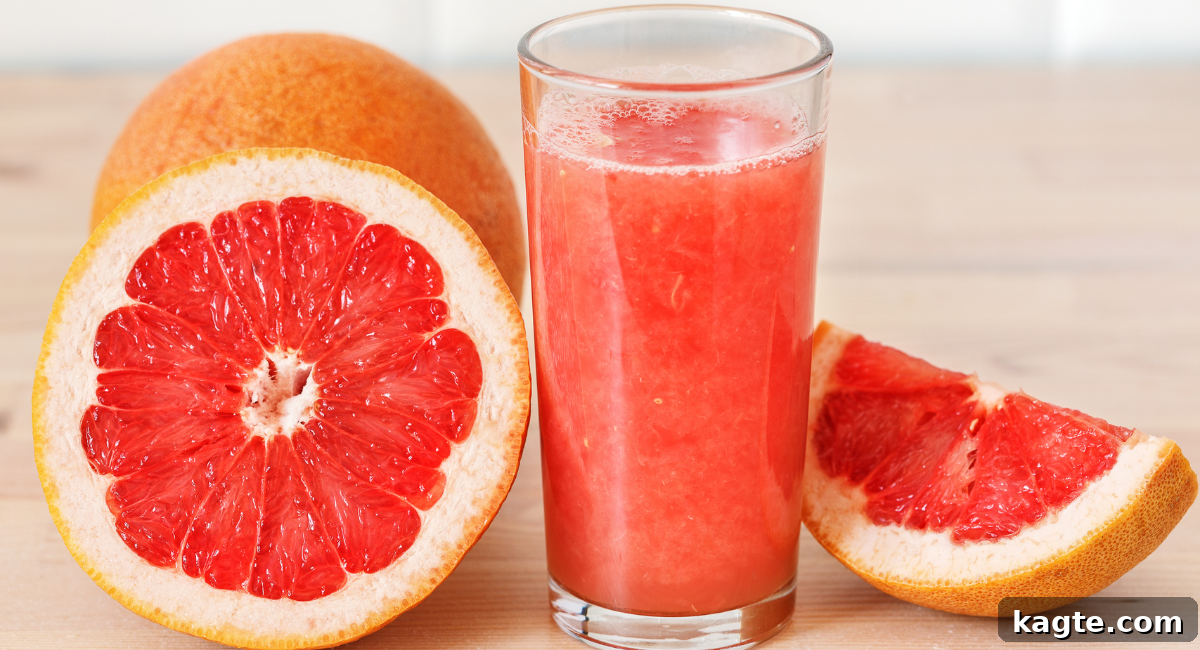
Grapefruit juice offers a distinct and intriguing alternative to orange juice, especially for those who appreciate a more complex and nuanced flavor profile. It masterfully strikes a unique balance between sweetness, tartness, and a subtle bitterness, often mirroring the depth and multifaceted characteristics found in some varieties of orange juice. Its vibrant and sophisticated flavor can introduce an elegant twist to dishes, making it an excellent choice when you want to incorporate a touch of intriguing citrus without necessarily mimicking orange juice exactly.
Why Grapefruit Juice Works as an Orange Juice Substitute:
- Complex Flavor Spectrum: Its captivating combination of sweet, tart, and bitter elements can provide a depth of flavor similar to orange juice, but with its own unique and refined character.
- Effective Acidity: Possesses sufficient acidity to function comparably to orange juice in marinades and dressings, contributing to tenderization and flavor balance.
- Refreshing Quality: Imparts a wonderfully refreshing and tangy quality to recipes, enhancing their overall appeal.
Best Uses and Substitution Tips:
Grapefruit juice truly shines in culinary applications where its unique complexity and sophisticated flavor profile can be fully appreciated:
- Salad Dressings: Creates bright, sophisticated, and memorable vinaigrettes, particularly complementing leafy greens, avocado, or various seafood salads.
- Marinades: Excellent for white fish, delicate chicken, or succulent shrimp, providing both effective tenderization and a distinctive, refreshing flavor.
- Cocktails and Mocktails: A natural and elegant fit for various beverages, adding a sophisticated citrus note that stands out.
- Sauces: Can be expertly reduced into a flavorful glaze for poultry or used as a base in delicate pan sauces for fish, imparting a unique tang.
Substitution Ratio: A straightforward 1:1 ratio can be used as a starting point. However, be mindful of its inherent bitterness and tartness. If your recipe relies heavily on the pure sweetness of orange juice, you might find it necessary to add a small amount of sugar, honey, or a sweeter juice to carefully balance the grapefruit’s more intense tartness and subtle bitter notes. Always taste and adjust incrementally.
Cranberry Juice: Tart, Fruity, and Deep

Cranberry juice is a vibrant and distinctively tangy substitute that can introduce a beautiful depth of flavor and a rich color to your dishes, making it a compelling alternative to orange juice. While it is generally significantly more tart than most varieties of orange juice, its pronounced fruity acidity makes it an effective stand-in, especially in recipes where a sharp, refreshing lift is highly desired. For the purest flavor and to avoid unwanted sweetness, always opt for 100% cranberry juice rather than cranberry juice cocktail, which frequently contains high amounts of added sugar and other less intense juices.
Why Cranberry Juice Works as an Orange Juice Substitute:
- Fruity Acidity: Provides a strong acidic component that performs similarly to orange juice in both marinades and various baking applications, contributing to tenderness and chemical reactions.
- Distinctive Flavor Profile: Its unique and intense tartness can introduce an interesting and complex layer of flavor that stands out in a dish.
- Appealing Color: Imparts a beautiful reddish-pink hue to your culinary creations, which can be visually desirable and enhance presentation in certain dishes.
Best Uses and Substitution Tips:
Cranberry juice is particularly effective and shines in the following culinary applications:
- Baking: Excellent when incorporated into muffins, quick breads, or even as a liquid component in fruit-based desserts where its tartness can expertly balance sweetness and add moisture.
- Sauces: Wonderful for creating flavorful glazes for roasted poultry (especially turkey or chicken), pork, or as a vibrant base for various sweet and sour sauces.
- Marinades: Works exceptionally well for tenderizing meats and imparting a fruity, tangy flavor to chicken, pork, or even richer game meats.
- Drinks: A highly popular mixer in both cocktails and mocktails, offering a refreshing, vibrant, and tangy base that is widely appreciated.
Substitution Ratio: Use a direct 1:1 ratio. Due to its naturally high tartness, you may find it necessary to add a bit more sugar, honey, or a sweeter liquid to achieve the desired flavor balance, particularly in recipes where orange juice’s inherent sweetness plays a crucial role. Always taste as you go and adjust incrementally to prevent over-tartness.
Vinegar (White, Apple Cider, or Balsamic): Acidity Without the Fruit

When the primary and most essential role of orange juice in a recipe is to provide acidity and a sour tang, various types of vinegar can serve as highly effective, non-fruit-based substitutes. While vinegars naturally lack the fruity sweetness inherent in orange juice, their high acetic acid content can effectively mimic the tartness and function as a potent tenderizer in marinades or a crucial brightener in sauces and dressings. The specific choice of vinegar will significantly impact the final flavor profile of your dish, so careful selection based on your culinary goal is advised.
Why Vinegar Works as an Orange Juice Substitute:
- Pure Acidity: Provides the necessary acidic component for effective marinades, sharp dressings, and to expertly balance rich or heavy flavors in a dish.
- Flavor Diversity: Different types of vinegars offer unique and distinct flavor complexities, ranging from sharp and pungent to mellow and subtly sweet, allowing for varied applications.
- Functional Replacement: Acts as an acid source, crucial in reactions with leavening agents in some baking applications, though without the fruity notes.
Best Uses and Substitution Tips:
The versatility of vinegar allows it to shine in specific applications:
- White Vinegar: Offers a clean, sharp, and straightforward acidity. Best suited for marinades (especially for chicken or pork), basic salad dressings, and recipes where you desire pure tang without additional complex flavor notes.
- Apple Cider Vinegar: Provides a milder, fruitier tartness with a subtle and pleasant apple undertone. Excellent for vinaigrettes, light glazes, and marinades where a gentler, more nuanced acidity is preferred.
- Balsamic Vinegar: Adds a rich, sweet, and complex acidity with deep, fruity notes. Ideal for darker sauces, rich glazes, reductions, and sophisticated dressings, particularly complementing beef or roasted vegetables. Be aware that it will significantly alter the color of your dish.
Substitution Ratio: Start with half the amount of vinegar compared to the orange juice called for in the recipe, and then taste and adjust. Vinegar is often considerably more potent than fruit juice. You may also need to add water or a neutral liquid to reach the required total liquid volume and a sweetener (like sugar or honey) if the original recipe relies on orange juice’s sweetness. For marinades, a 1:1 swap can work in terms of acidic contribution, but you might need to dilute with water or another liquid to match the overall volume. Remember that vinegar will not provide the characteristic fruity flavor notes of orange juice.
Buttermilk: Creamy Tang for Baking

While seemingly a significant departure from fruit juice, buttermilk can be an unexpectedly effective and highly valuable substitute for orange juice, particularly within the realm of baking. Its inherent acidity and thick, creamy texture make it invaluable for recipes that rely on orange juice for both moisture and a tangy flavor. Buttermilk readily reacts with leavening agents like baking soda, helping to create remarkably light, tender, and fluffy baked goods, much in the same way that acidic fruit juices contribute to structure and rise.
Why Buttermilk Works as an Orange Juice Substitute:
- Essential Acidity: Provides the necessary acid content to tenderize meats effectively or to activate baking soda, a common leavening agent, in various baked goods.
- Moisture and Texture: Adds a creamy liquid component that is crucial for achieving desirable texture, consistency, and a moist crumb in baked items.
- Distinct Tangy Flavor: Offers a unique and pleasant tang that can complement a wide array of dishes, especially those with savory profiles or traditional breakfast items.
Best Uses and Substitution Tips:
Buttermilk is a strong and reliable contender when orange juice is primarily used for its acidic properties and liquid volume, rather than its distinct citrus flavor. It’s especially effective in:
- Baking: Excellent in beloved recipes for pancakes, waffles, muffins, quick breads, and even as a key component in fried chicken batter, where its acidity and creaminess contribute to a tender crumb and wonderfully fluffy texture.
- Dressings: Can form the rich and tangy base of creamy salad dressings, providing a pleasant counterpoint to fresh greens.
- Marinades: Works wonders for tenderizing chicken or pork, imparting a mild tang and ensuring juicy, succulent results.
Substitution Ratio: Use a direct 1:1 ratio for liquid volume. It’s crucial to bear in mind that buttermilk possesses a much different flavor and texture profile than orange juice. It will introduce a creamy tanginess rather than a citrusy one. If the orange juice’s fruity flavor is an absolutely crucial element of the recipe, this might not be the best direct swap on its own, or you might need to combine it with orange zest or a few drops of orange extract for a more complete flavor profile.
Yogurt: A Thick and Tangy Dairy Option
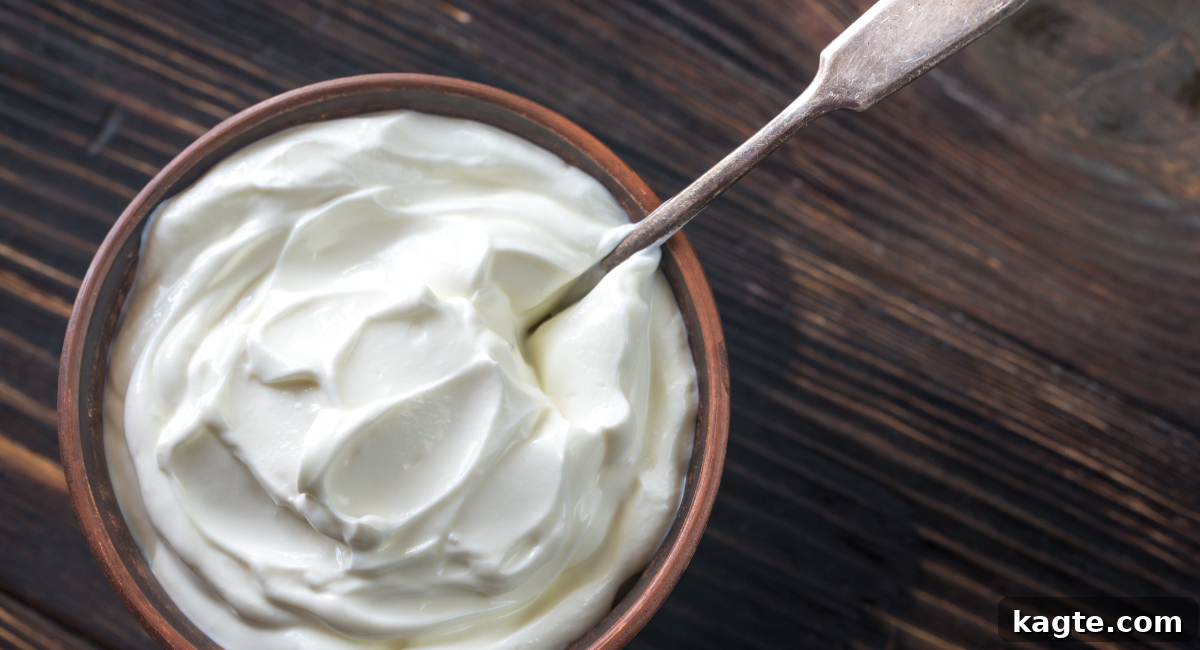
Similar to buttermilk, plain yogurt (especially thick Greek yogurt, often thinned slightly with a little water or milk) can be a clever and surprisingly effective substitute for orange juice. This is particularly true in recipes where the acidity, moisture, and desirable creamy texture are beneficial components. Yogurt provides a distinct tanginess that can effectively mimic some of the acidic notes found in orange juice, while its natural thickness adds a pleasing richness and body to dishes. To avoid unintended sweetness or clashing flavors, always opt for plain, unsweetened yogurt.
Why Yogurt Works as an Orange Juice Substitute:
- Natural Acidity: Naturally tangy, yogurt offers the crucial acidic component needed for many recipes, especially in baking where it can react with leavening agents like baking soda.
- Moisture and Enhanced Texture: Adds both essential liquid and a creamy, often thicker, texture, which can be highly desirable in certain dishes, contributing to richness and mouthfeel.
- Effective Tenderizing Agent: The acidity naturally present in yogurt is excellent for tenderizing various meats and poultry when used in marinades, helping to break down fibers and ensure juicy results.
Best Uses and Substitution Tips:
Yogurt is particularly suitable and performs exceptionally well in the following culinary contexts:
- Baking: A fantastic addition for muffins, cakes, and quick breads, where it contributes significant moisture and helps create a tender crumb. It can also actively activate baking soda for a desirable lift and airy texture.
- Marinades: Excellent for tenderizing chicken, lamb, or pork, infusing the meat with a mild, pleasant tangy flavor and contributing to overall juiciness.
- Sauces and Dips: Can serve as a versatile base for creamy, tangy sauces or dips, especially when a thicker, richer consistency is desired.
Substitution Ratio: If you are using particularly thick Greek yogurt, it’s advisable to thin it slightly with a little water or milk to match the consistency of orange juice before proceeding with a 1:1 ratio. Keep in mind that yogurt introduces a dairy-based tang and creamy mouthfeel, which is distinctly different from a fruity citrus flavor. For a closer approximation of orange flavor, consider adding a small amount of orange zest or a few drops of concentrated orange extract alongside the yogurt.
Orange Extract: Concentrated Orange Flavor
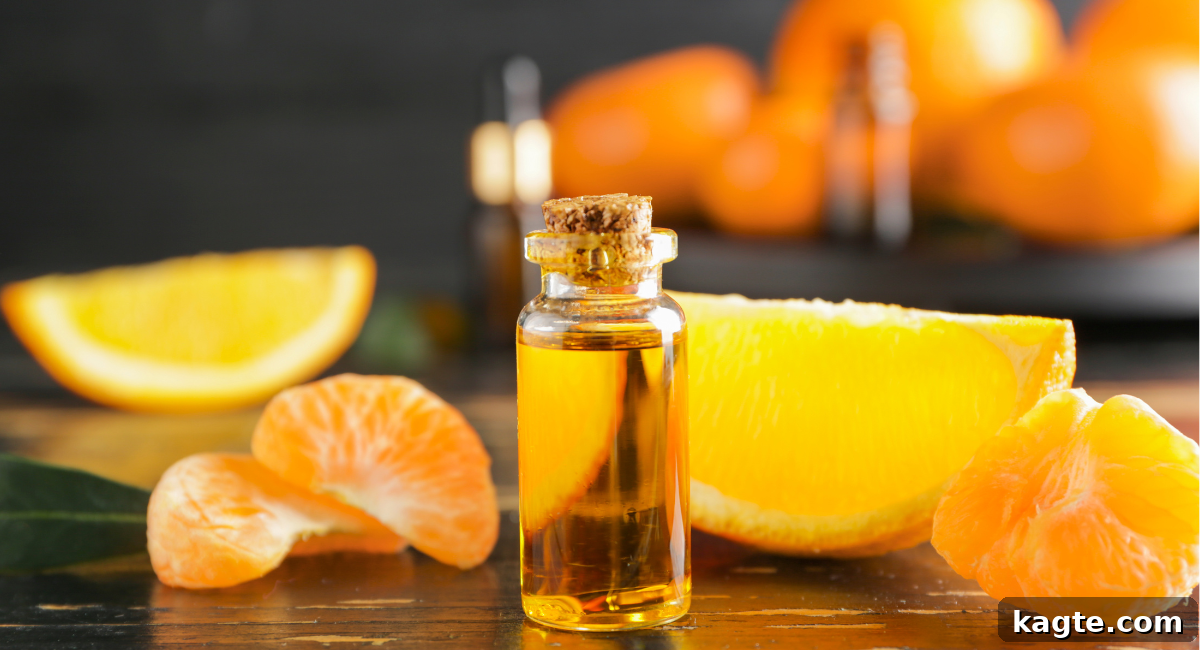
When your primary goal is to impart the distinctive and authentic flavor of orange without adding any significant liquid, orange extract is an incredibly invaluable substitute. This highly concentrated flavoring agent masterfully captures the very essence of orange in a potent form and can be an absolute lifesaver in recipes where the liquid volume is critical and cannot be easily altered without disrupting the delicate balance of the dish. Due to its remarkable potency, typically only a small amount of orange extract is needed to achieve a robust and authentic orange flavor.
Why Orange Extract Works as an Orange Juice Substitute:
- Intense Flavor Delivery: Delivers a powerful and authentic orange flavor in a highly concentrated form, ensuring a strong citrus presence even in small doses.
- Minimal Liquid Impact: This is its key advantage; it is ideal for recipes where adding extra liquid would severely disrupt the delicate balance of ingredients, such as in delicate batters, frostings, or confections.
- Pure Flavor: Offers a clean orange flavor without the additional acidity or sweetness of actual orange juice, allowing you to control those elements separately.
Best Uses and Substitution Tips:
Orange extract is best employed in culinary situations where orange flavor is paramount, but the liquid volume derived from orange juice is not. It often needs to be thoughtfully combined with another liquid to make up for the missing volume of orange juice.
- Baking: Perfect for cakes, cookies, muffins, glazes, and frostings, where it can add an authentic orange flavor without altering the crucial consistency of the batter or icing.
- Sauces: Can be used very sparingly in both sweet and savory sauces to significantly boost and enhance the orange notes.
- Drinks: A tiny drop can profoundly enhance the orange flavor in smoothies, cocktails, or even simple sparkling water without unduly diluting them.
Substitution Ratio: This is where careful adjustment and precision are key. As a general guideline, aim to use approximately ¼ to ½ teaspoon of concentrated orange extract for every tablespoon of orange juice. You will also critically need to replace the missing liquid volume with a neutral liquid such as water, milk, or a milder juice (like apple juice) that will not interfere with or overpower the intended orange flavor. Always begin with a very small amount and add more incrementally to taste, as extracts are inherently very strong and can quickly become overwhelming.
Orange Zest: Pure Citrus Aroma

Orange zest, which is simply the vibrantly colored outermost layer of an orange’s peel, is absolutely packed with concentrated essential oils that deliver an incredibly intense, authentic, and aromatic orange flavor. When the primary need in your recipe is for that distinctive citrus aroma and a robust taste, rather than the liquid volume or acidity of the juice, orange zest stands out as an exceptional and highly effective choice. It is particularly useful when you have the liquid component adequately covered by another substitute but still want to infuse your dish with that genuine and unmistakable orange essence.
Why Orange Zest Works as an Orange Juice Substitute:
- Concentrated Flavor Source: Contains the most flavorful and aromatic compounds of the orange, providing a strong, pure citrus punch that is highly impactful.
- No Added Liquid: This is a crucial advantage; it is perfect for recipes where consistency and liquid balance are paramount, and adding extra liquid would be detrimental to the final outcome.
- Freshness and Aroma: Imparts a bright, fresh, and wonderfully aromatic quality that often surpasses the less nuanced flavor profile of dry extracts.
Best Uses and Substitution Tips:
Orange zest is incredibly versatile and can be used to beautifully enhance the orange flavor in nearly any dish, both sweet and savory:
- Baking: Incorporate directly into cake batters, cookie doughs, muffins, quick breads, and glazes for a burst of fresh and vibrant orange flavor that lifts the entire dish.
- Marinades: Add generously to marinades for chicken, fish, or pork to infuse them with rich, aromatic citrus notes that penetrate deeply into the meat.
- Dressings: Stir into salad dressings, vinaigrettes, or creamy dips for a bright, refreshing lift and an added layer of complexity.
- Desserts: Sprinkle artfully over fruit salads, creamy custards, whipped cream, or chocolate desserts for an aromatic garnish and an extra dimension of flavor.
- Savory Dishes: Can expertly brighten up rich risottos, roasted vegetables, stews, or even complex sauces, adding a delicate citrus background.
Substitution Ratio: For every tablespoon of orange juice called for in a recipe, use approximately ½ to 1 teaspoon of fresh orange zest. It is vital to remember that zest does not contribute liquid or acidity. Therefore, you will need to combine it with another liquid substitute (such as water, milk, or a mild juice like apple juice) to match the original recipe’s requirements for moisture and volume. Always zest only the brightly colored outer layer of the orange, being careful to avoid the bitter white pith underneath.
Carrot Juice: Sweetness with a Mellow Earthiness
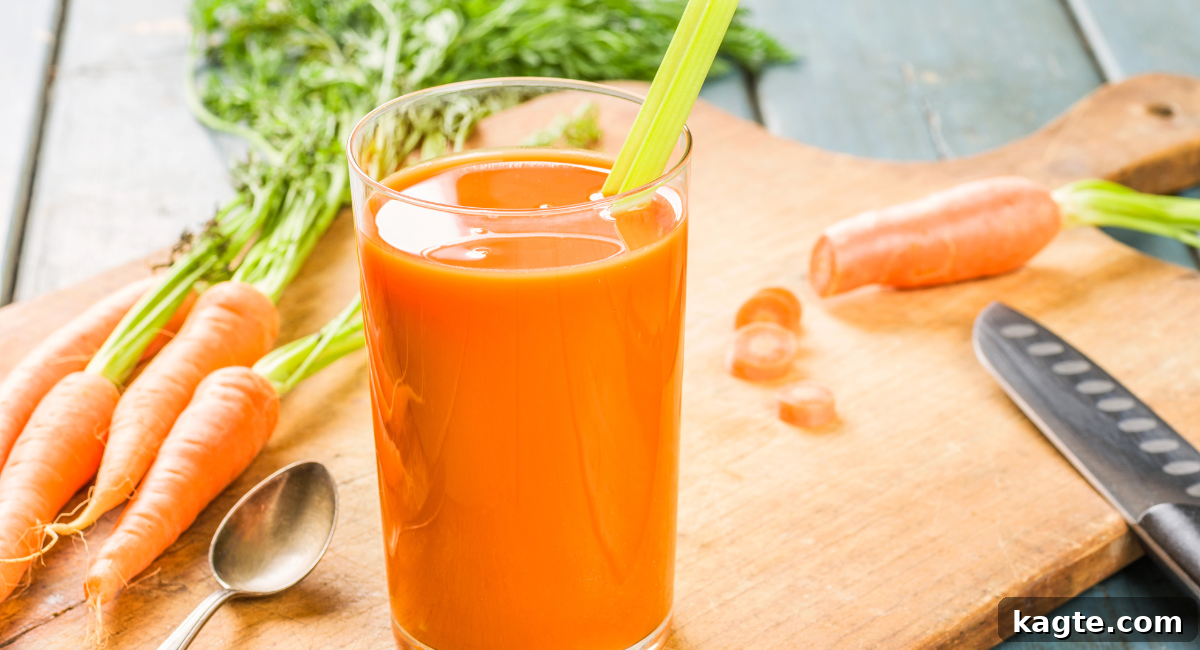
While certainly an unconventional choice, carrot juice can be a surprisingly effective and highly valuable substitute for orange juice, particularly when sweetness, liquid volume, and a mild, slightly earthy flavor are desired. It brings a natural, understated sweetness and a vibrant, appealing color that can beautifully enhance many dishes, especially those where a strong citrus punch isn’t the essential flavor component. It’s a fantastic option for adding a nutritious boost, subtle sweetness, and a lovely hue to your culinary creations.
Why Carrot Juice Works as an Orange Juice Substitute:
- Natural Sweetness: Offers a pleasant and inherent sweetness that can effectively replace some of the natural sugars found in orange juice.
- Provides Liquid Volume: Supplies the necessary liquid content crucial for maintaining the correct consistency and moisture in various recipes.
- Mellow Flavor Profile: Its mild, slightly earthy flavor won’t typically overpower other ingredients, making it a versatile and complementary addition to many dishes.
- Appealing Color: Imparts a beautiful and natural orange hue, visually similar to orange juice, which can be aesthetically pleasing in dishes.
Best Uses and Substitution Tips:
Carrot juice truly shines in culinary applications where orange juice contributes primarily sweetness and liquid, rather than a strong acidic or tart citrus profile:
- Baking: Excellent for muffins, cakes (especially carrot cake, which is a natural fit!), or quick breads where it adds essential moisture, a subtle, sweet flavor, and a lovely color.
- Smoothies: A fantastic and nutritious addition for natural sweetness and an extra dose of vitamins and minerals.
- Sauces: Can be successfully used in various savory sauces, glazes for chicken or pork, or even in soups and stews to add a touch of underlying sweetness and body.
- Drinks: Can serve as a wholesome and refreshing base for non-alcoholic cocktails, punches, or mixed juices.
Substitution Ratio: A direct 1:1 ratio is generally recommended for carrot juice. However, it’s important to remember that carrot juice inherently lacks the acidity and tartness of orange juice. If the recipe relies on these specific qualities for flavor balance or chemical reactions (e.g., with baking soda), you might need to add a small amount of lemon or lime juice to help balance the overall flavors. Also, be aware that its subtle earthy notes will impart a slightly different final taste, so ensure it complements the other ingredients in your dish.
Expert Tips for Using Orange Juice Substitutes: Master Your Swaps
Substituting ingredients successfully in cooking and baking often boils down to understanding the fundamental role of the original ingredient and then making thoughtful, informed adjustments. Here are some expert tips to help you confidently navigate using orange juice alternatives and achieve delicious results every time:
- Understand the Role of Orange Juice: Before selecting a substitute, take a moment to identify precisely why orange juice is included in the recipe. Is its primary function to provide:
- Acidity: To tenderize meat, balance excessive sweetness, or create a chemical reaction with leavening agents like baking soda?
- Sweetness: To add a fruity sugar component that contributes to the overall flavor?
- Liquid/Moisture: To hydrate dry ingredients, thin a sauce, or add necessary liquid volume?
- Flavor: For its distinct citrus taste and aroma, which is a key component of the dish’s profile?
- Color: To add a vibrant and appealing hue to the final product?
Knowing this crucial information will guide you directly to the most appropriate and effective substitute.
- Adjust Quantities Gradually: Be mindful that some substitutes can be significantly more potent, more acidic, or less sweet than orange juice. Always start by using slightly less than the called-for amount, especially for highly acidic options like lemon juice or concentrated extracts. It’s always easier to add more of an ingredient than it is to try and remove an overpowering flavor or too much liquid.
- Balance Flavors Thoughtfully: If you’re using a more acidic substitute (such as lemon juice or certain vinegars), actively consider adding a small touch of sugar, honey, agave syrup, or another sweetener to help restore some of the sweetness typically found in orange juice. Conversely, if you opt for a sweeter substitute (like pineapple or apple juice), you might need to slightly reduce other added sweeteners in the recipe or introduce a small splash of lemon or lime juice for a balancing tartness.
- Consider the Recipe’s Overall Flavor Profile: Always think about how the substitute’s unique and inherent flavor will interact and harmonize with the other ingredients already present in your dish. A tropical juice might be a fantastic complement in a marinade for chicken, but it might be less ideal or even clash in a delicate cream sauce or a specific type of dessert.
- Combine Substitutes for Best Results: Don’t be afraid to mix and match different alternatives! For instance, to create a more comprehensive orange juice alternative, you could combine a neutral liquid (like water or apple juice) for volume, fresh orange zest for intense flavor, and a tiny bit of lemon juice for the necessary acidity. This multi-pronged approach ensures both flavor and function are adequately addressed.
- Taste as You Go (Where Possible): For dishes like sauces, marinades, or salad dressings, make it a habit to taste and adjust the substitute incrementally as you add it. While this is more challenging in baking, you can often safely taste the batter or dough if it’s not raw meat or egg-heavy.
- Be Mindful of Color Changes: Be aware that some substitutes, such as vibrant cranberry juice or dark balsamic vinegar, will naturally impart their own distinct color to your dish. This might or might not be desirable depending on your aesthetic goals for the final presentation.
Frequently Asked Questions About Orange Juice Substitutes
Vinegar is an excellent and functional choice for marinades as it provides the essential acidity needed to tenderize meat and infuse it with flavor. Options like white vinegar offer pure tang, apple cider vinegar adds a milder, fruitier note, and rice vinegar is particularly great for Asian-inspired dishes. For a bright, distinct citrusy marinade, lemon or lime juice are also fantastic alternatives, often preferred for poultry and fish due to their refreshing qualities.
While milk can certainly provide liquid volume, it is generally not a direct or ideal substitute for orange juice in baking, especially if the recipe relies on orange juice for its inherent acidity (e.g., to react with baking soda for leavening) or its specific citrus flavor. However, if the orange juice is primarily included for moisture and general sweetness, and acidity isn’t a critical factor, you could potentially use milk. For a closer approximation, you might add a teaspoon of lemon juice or vinegar to the milk to curdle it into a “DIY buttermilk,” which would introduce some tang and help with leavening.
For recipes where the “orange” flavor is absolutely paramount, such as a vibrant orange chicken glaze or an orange-infused dessert, a thoughtful combination of substitutes works best. You could use a neutral liquid like chicken broth, vegetable broth, or even apple juice for the necessary liquid volume. Then, for concentrated flavor, add orange extract, along with some fresh orange zest for its aromatic oils. A touch of lemon or lime juice could effectively replicate the essential acidity needed to balance the dish. This multi-pronged approach ensures that both the flavor profile and functional aspects of orange juice are adequately addressed.
While orange-flavored soda does contain orange flavor, it is generally not recommended as a direct substitute for orange juice due to its exceedingly high sugar content, often artificial flavors, and carbonation. These elements can significantly and unpredictably alter the taste, texture, and consistency of your dish, especially in delicate baking recipes. If you are in a desperate situation for orange flavor and have absolutely no other options, use a very small amount and be prepared to make significant adjustments to other liquids and sweeteners in your recipe, understanding the inherent risks to the dish’s integrity.
With this comprehensive guide and diverse range of orange juice substitutes at your disposal, you are fully empowered to continue creating delicious, flavorful, and innovative dishes without ever being limited by an empty carton or specific dietary needs. Don’t hesitate to experiment with different combinations and ratios to discover the perfect blend that complements your unique recipes and personal culinary preferences. Happy cooking and creative exploration in your kitchen!
Expand Your Culinary Knowledge with More Cooking Resources
Discover More Essential Kitchen Hacks and Recipe Inspiration
Cooking Resources
The Best Substitutes for Rice Vinegar
Appetizers
Creative Ways To Eat Spinach Dip (Hot or Cold)
Dessert
Build Your Own Ice Cream Sundae Toppings Bar (BEST Ideas)
Cooking Resources
The 5 Best Substitutes for Parmesan Cheese (For Pasta, & More)
Follow for more culinary inspiration on Pinterest, Facebook & Instagram.
Shop my Amazon Storefront for recommended kitchen tools and ingredients!