
The Ultimate Guide to Canola Oil Substitutes for Baking: 10 Best Alternatives
Canola oil is a staple in many kitchens, especially when it comes to baking. Valued for its neutral flavor, versatility, and relatively high smoke point, it’s a go-to for adding essential moisture, improving texture, and enriching your favorite cakes, cookies, and pastries. However, there are times when you might find your pantry bare, have specific dietary needs, or simply wish to experiment with different flavor profiles and nutritional benefits. Whether you’re seeking a healthier option, a unique taste, or just a convenient replacement, knowing your alternatives is key.
This comprehensive guide dives into 10 excellent substitutes for canola oil in baking, each offering its own set of advantages. From mild and buttery to distinctly nutty or fruity, these oils can transform your baked goods in exciting ways. We’ll explore their unique characteristics, ideal baking applications, and how they can enhance your culinary creations.
Table of Contents
- Almond Oil
- Avocado Oil
- Coconut Oil
- Flaxseed Oil
- Grapeseed Oil
- Olive Oil
- Pumpkin Seed Oil
- Soybean Oil
- Sunflower Oil
- Walnut Oil
- General Baking Oil Substitution Tips
- Frequently Asked Questions (FAQs)
- More Cooking Resources
Almond Oil

Almond oil is a fantastic canola oil substitute for bakers looking to infuse their creations with a delicate, nutty essence. Unlike some stronger nut oils, almond oil offers a subtle, sweet almond aroma that beautifully complements a variety of baked goods, particularly those featuring nuts, chocolate, or fruit. Its rich, velvety texture contributes to a wonderfully moist and tender crumb in cakes, cookies, and pastries.
This oil is perfect for recipes where you want a hint of sophisticated flavor without overpowering other ingredients. Think delicate madeleines, financiers, fruit tarts, or even simple vanilla cakes that could benefit from an extra layer of aroma. Almond oil is also a good source of Vitamin E, an antioxidant. When substituting, use a 1:1 ratio. Opt for refined almond oil if you desire a milder flavor, or virgin almond oil for a more pronounced nutty note. Its moderate smoke point makes it suitable for most standard baking temperatures.
Avocado Oil
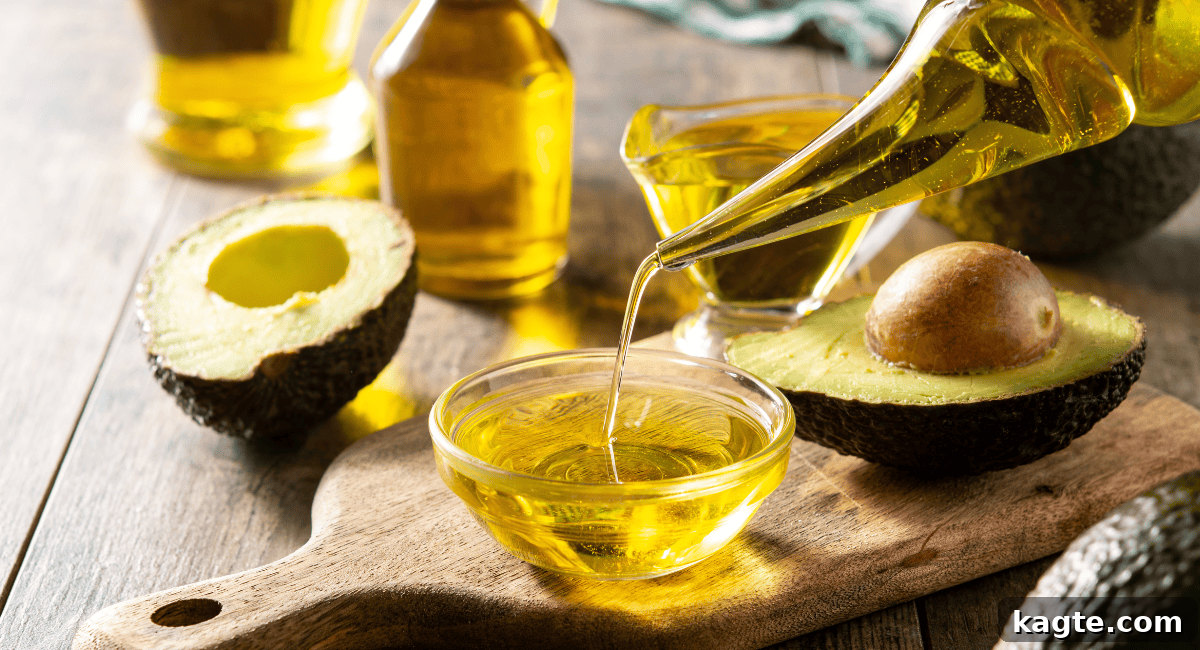
For those prioritizing health without compromising on texture and versatility, avocado oil stands out as an excellent canola oil alternative. It boasts an incredibly mild, almost neutral flavor, with a subtly buttery undertone that won’t interfere with the primary flavors of your baked goods. This makes it an ideal choice for a wide range of recipes, from light and airy cakes to dense and chewy cookies.
Avocado oil is renowned for its high content of monounsaturated fats, similar to olive oil, making it a heart-healthy option. What truly sets it apart is its exceptionally high smoke point, allowing it to perform beautifully in high-temperature baking without breaking down or developing off-flavors. It contributes a luxurious, creamy texture to cakes and a delightful richness to cookies and muffins. Use it as a direct 1:1 substitute for canola oil in virtually any recipe where a neutral oil is called for.
Coconut Oil
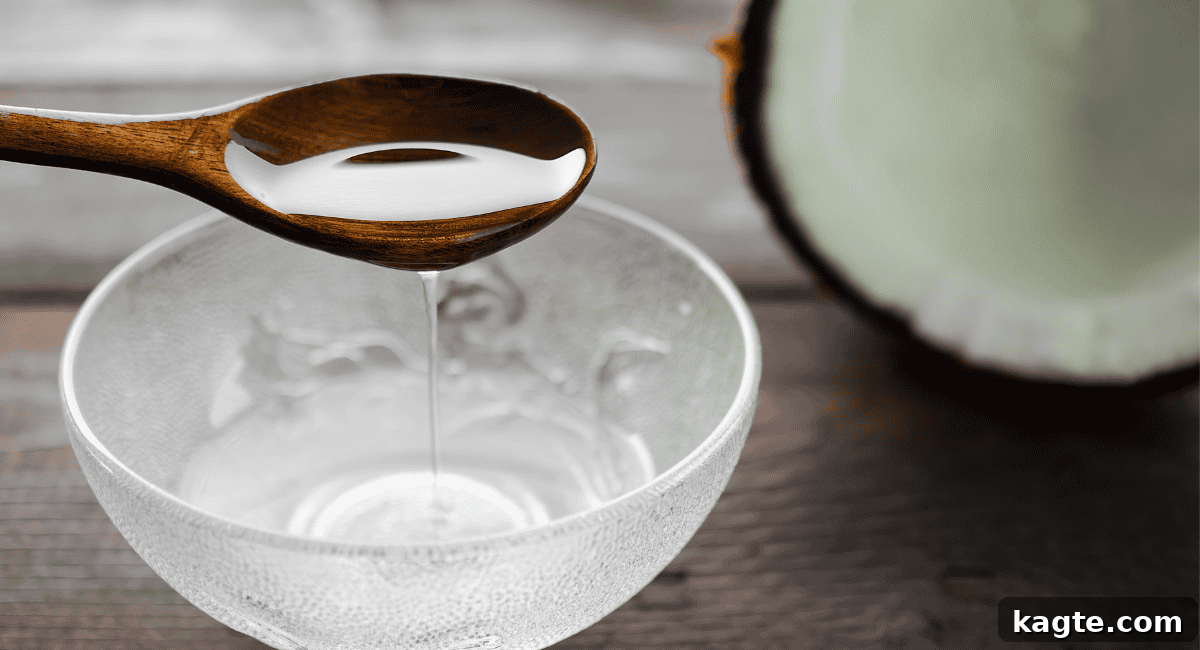
Coconut oil brings a distinct tropical flair to your baking, making it a popular and flavorful substitute for canola oil. It’s known for its unique aroma and flavor, which can range from mild to intense depending on whether you choose virgin (unrefined) or refined coconut oil. Virgin coconut oil will impart a noticeable coconut essence, perfect for tropical-inspired desserts, while refined coconut oil has a much milder, almost neutral taste, making it more versatile.
One of coconut oil’s unique properties is its solid state at room temperature, similar to butter. This characteristic can impact the texture of your baked goods, often resulting in a flakier crust or a denser, chewier cookie. When substituting, you can often use it in a 1:1 ratio. If a recipe calls for liquid oil, simply melt the coconut oil before incorporating it. It’s excellent in brownies, cookies, muffins, and quick breads, providing a wonderful moistness and a hint of exotic flavor. Coconut oil is also a good source of medium-chain triglycerides (MCTs).
Flaxseed Oil
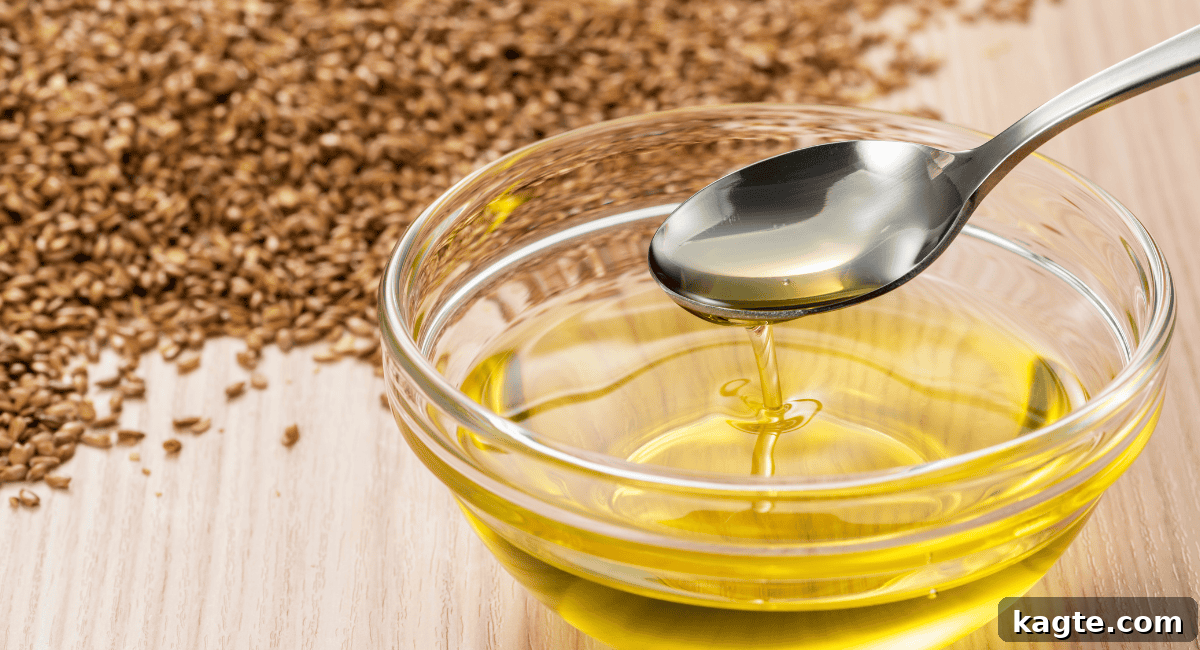
Flaxseed oil offers a healthy and flavorful alternative for canola oil, particularly appealing to those seeking an omega-3 boost in their diet. This oil has a distinct, slightly nutty, and earthy flavor that works wonderfully in specific types of baked goods. Its rich omega-3 fatty acid content makes it a nutritional powerhouse, but it also means it’s delicate and has a low smoke point.
Due to its heat sensitivity, flaxseed oil is best used in recipes that don’t require high-temperature baking, or in items where it can be incorporated after the primary cooking process. It shines in muffins, quick breads, pancakes, and certain cookies where the baking temperature is moderate or where its nutty flavor can truly be appreciated. It can also be added to no-bake desserts or as a drizzle for breads. When used in baking, it often contributes a tender crumb and a subtle chewiness. Substitute at a 1:1 ratio, but be mindful of the cooking temperature to preserve its nutritional benefits and prevent bitterness.
Grapeseed Oil
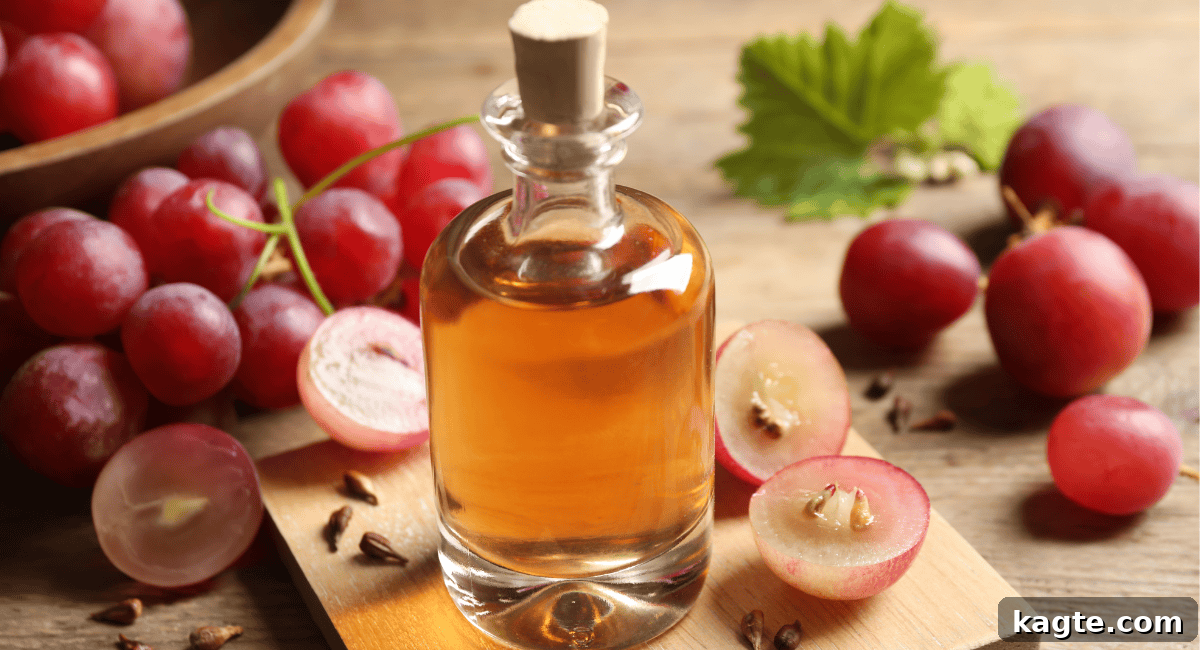
Grapeseed oil is a superb choice for bakers who need a truly neutral oil that won’t impact the delicate flavors of their creations. With its light body and virtually flavorless profile, it’s an ideal direct substitute for canola oil when you want the other ingredients to shine through without any oily interference. Its neutral taste makes it incredibly versatile, suitable for almost any baking application.
Beyond its neutrality, grapeseed oil boasts a high smoke point, making it exceptionally well-suited for recipes that bake at higher temperatures, ensuring your baked goods remain free from undesirable burnt notes. It contributes a very light and airy texture, perfect for delicate pastries, chiffon cakes, sponge cakes, and light muffins where a tender and moist crumb is desired. Rich in polyunsaturated fats and Vitamin E, it’s also a healthier alternative. Use it in a straightforward 1:1 substitution for canola oil for consistent results every time.
Olive Oil
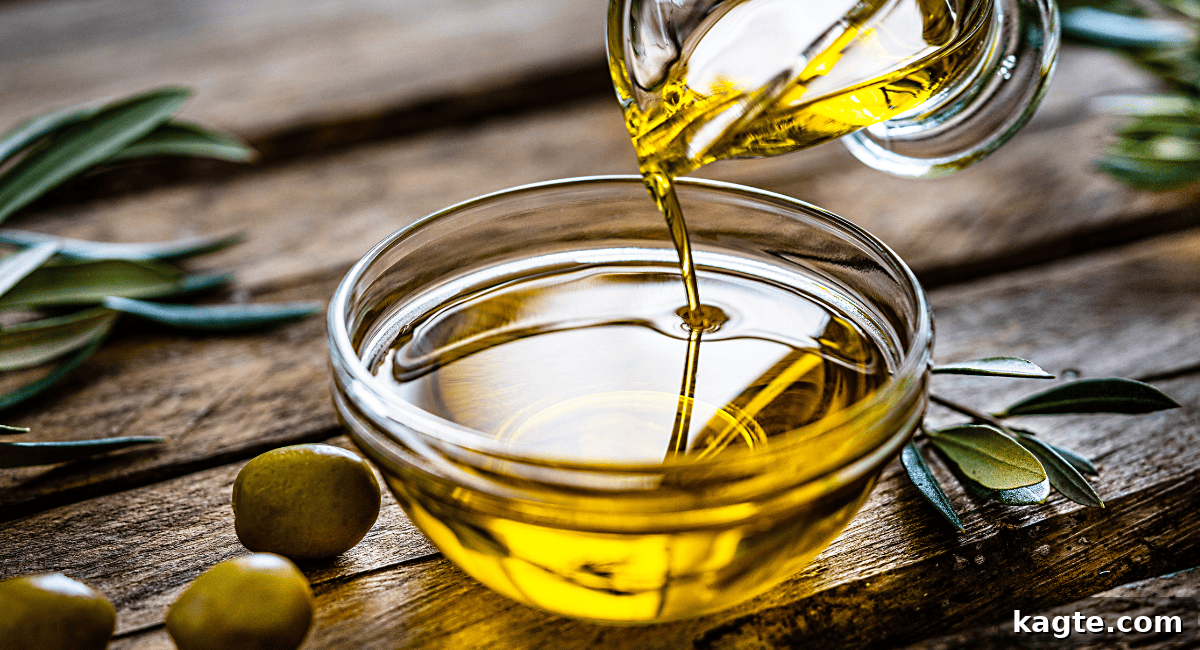
Olive oil, a Mediterranean pantry staple, might seem unconventional for baking, but it can add a surprising depth and richness to certain baked goods. Its flavor profile can vary significantly, from mild and buttery in light olive oil to robust, peppery, and fruity in extra virgin olive oil. The key is to choose the right type of olive oil for your recipe to achieve the desired effect.
Mild or light olive oil can be used as a more neutral substitute in a wider array of recipes, imparting a subtle richness. Extra virgin olive oil, with its more assertive flavor, excels in rustic breads, savory muffins, citrus-infused cakes (like lemon or orange olive oil cakes), or even chocolate desserts where its slight bitterness can complement the cocoa. It contributes a wonderfully moist crumb and a unique aroma that elevates the overall flavor experience. High in monounsaturated fats and antioxidants, olive oil is a healthier choice. Substitute 1:1, but consider starting with a slightly smaller amount (e.g., 7/8 cup olive oil for 1 cup canola oil) and adjust to taste, especially with strong-flavored extra virgin varieties.
Pumpkin Seed Oil
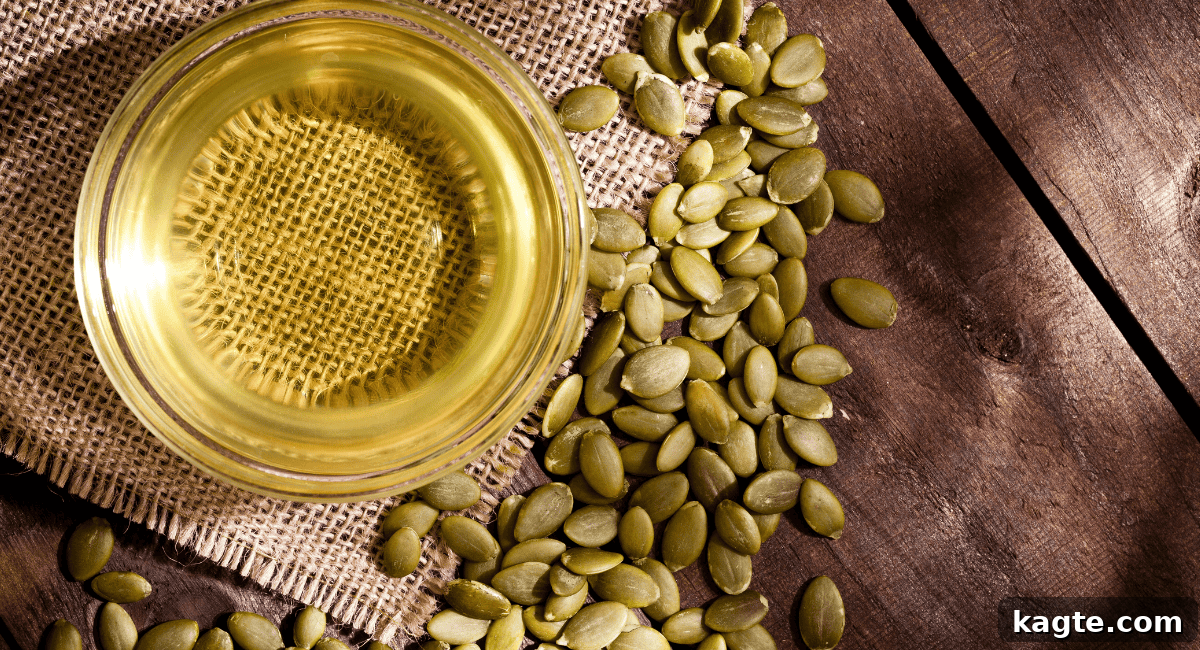
For adventurous bakers seeking a distinctive flavor, pumpkin seed oil offers a robust and intensely nutty profile. This deep green oil, often associated with Central European cuisine, brings a unique, earthy richness to baked goods that can truly set them apart. Its flavor is bold and pronounced, making it a specialty oil that pairs exceptionally well with specific ingredients and autumnal themes.
Pumpkin seed oil shines in recipes that feature warm spices like cinnamon, nutmeg, allspice, or cloves, as well as chocolate, maple, and squash. Imagine it in pumpkin muffins, spiced quick breads, chocolate cakes, or even a unique twist on a granola bar. While it has a lower smoke point, it can still be incorporated into baked goods, particularly those baked at moderate temperatures, or used as a finishing oil for flavor. Due to its strong flavor, you might consider using it in slightly smaller quantities or blending it with a more neutral oil if you prefer a subtle hint. It’s also rich in antioxidants and polyunsaturated fats. Use a 1:1 ratio, but be mindful of its potent taste.
Soybean Oil
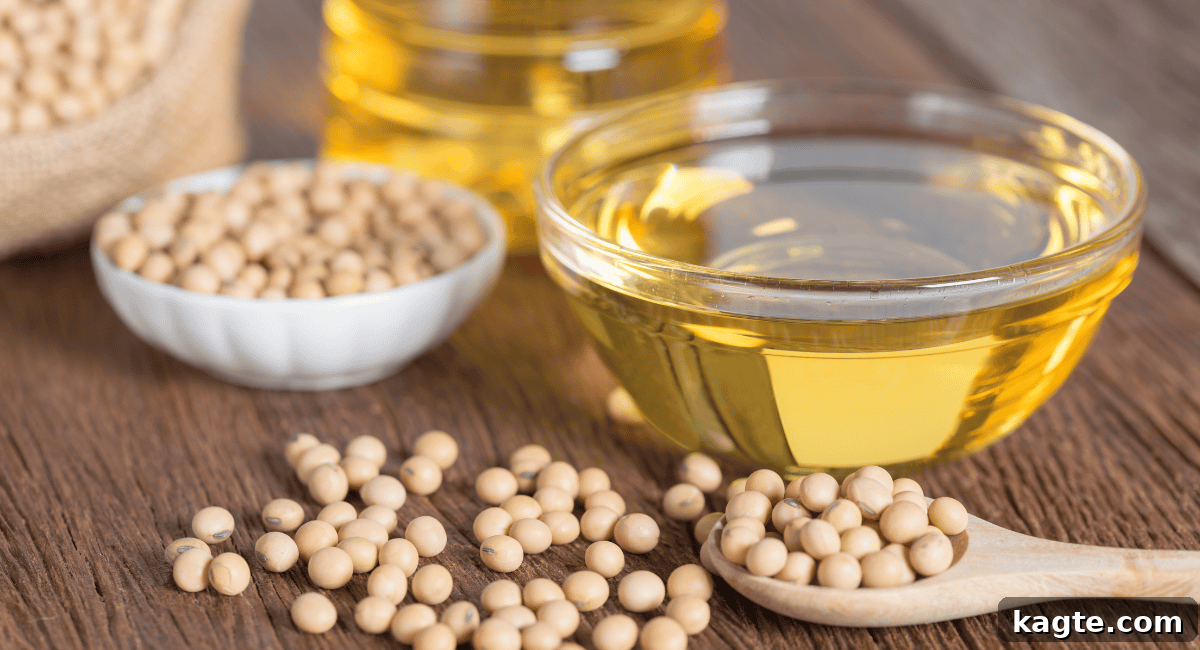
Soybean oil is an incredibly common and versatile oil, often found in commercial baked goods, making it an excellent and reliable substitute for canola oil. Its primary advantage in baking is its mild, almost imperceptible flavor, ensuring that it doesn’t compete with or alter the intended taste of your recipe. This neutrality makes it a true workhorse, suitable for a vast array of baked treats, from delicate cakes to robust cookies.
With a relatively high smoke point, soybean oil can handle typical baking temperatures without issues, contributing to a consistent and desirable outcome. It provides excellent moisture and helps achieve a tender crumb, much like canola oil. Being widely available and often cost-effective, it’s a practical choice for everyday baking. If you’re looking for a direct, no-fuss 1:1 replacement that mimics canola oil’s properties without adding any new flavor complexities, soybean oil is a dependable option.
Sunflower Oil

Sunflower oil is another superb neutral-flavored oil that serves as an excellent canola oil substitute in baking. Praised for its versatility and mild taste, it allows the natural flavors of your ingredients to shine through. Depending on the type, sunflower oil can be high in monounsaturated fats (high-oleic sunflower oil) or polyunsaturated fats (linoleic sunflower oil), both of which are considered healthy options.
One of sunflower oil’s key benefits is its high smoke point, making it suitable for a wide range of baking applications, including those requiring higher oven temperatures. It helps to create baked goods with a light, tender texture and effectively keeps them moist, much like canola oil. Furthermore, it’s a good source of Vitamin E, an essential antioxidant. Use sunflower oil in a straightforward 1:1 ratio for cakes, muffins, breads, and cookies when you need a reliable, neutral, and healthy oil that delivers consistent results.
Walnut Oil
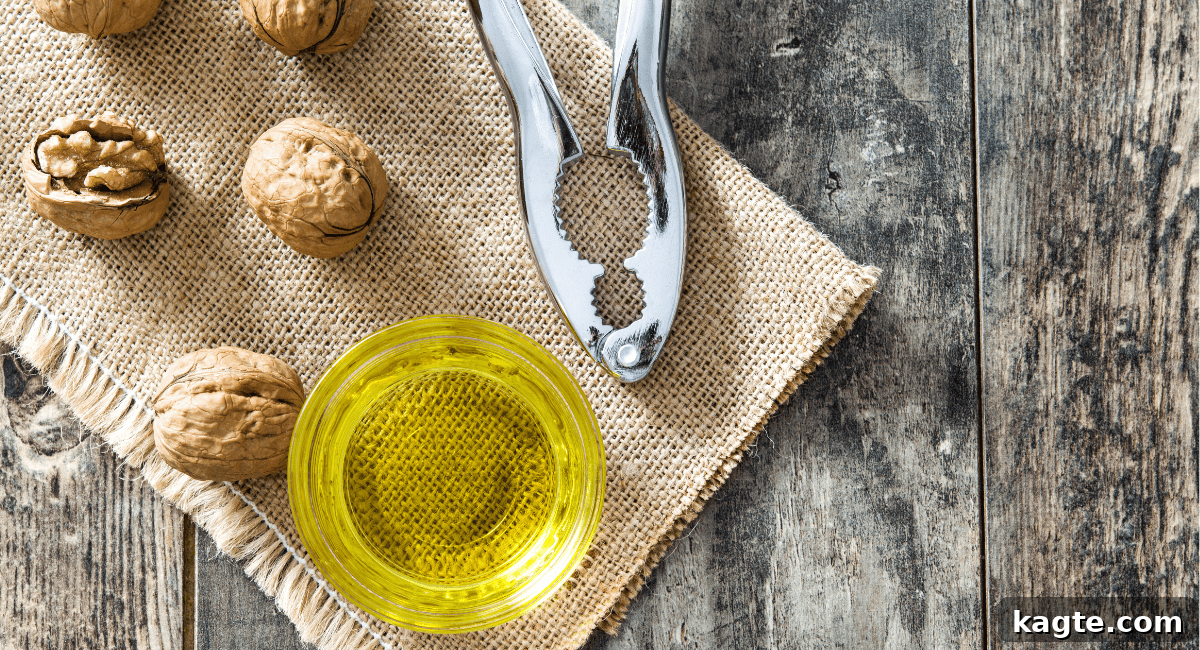
Walnut oil offers a rich, deep, and distinctly nutty flavor that can add a sophisticated touch to both sweet and savory baked goods. This intensely aromatic oil is extracted from walnuts and brings a luxurious depth that complements a variety of ingredients, particularly whole grains, fruits, and certain spices. It’s an excellent choice for bakers looking to introduce a gourmet touch and a memorable flavor profile.
Due to its pronounced flavor, walnut oil works best in recipes where its nuttiness can be celebrated. Consider incorporating it into carrot cakes, banana breads, whole grain muffins, apple crumbles, or even chocolate brownies for an added layer of complexity. It also performs wonderfully in salad dressings and drizzles. Walnut oil has a lower smoke point compared to neutral oils, so it’s ideally suited for baking at moderate temperatures or as a finishing oil. When substituting for canola oil, use a 1:1 ratio, but be mindful of its strong flavor and adjust if you prefer a more subtle effect. It’s also a good source of omega-3 fatty acids, though these can be diminished by high heat.
General Baking Oil Substitution Tips
When swapping oils in your favorite baking recipes, a little knowledge goes a long way. Here are some essential tips to ensure your substitutions yield delicious results:
- Consider Flavor Profile: The most crucial factor. Does the oil’s inherent flavor (e.g., coconut, olive, walnut) complement or clash with the other ingredients in your recipe? Choose neutral oils like grapeseed or soybean for delicate flavors, and more flavorful oils for robust dishes.
- Smoke Point Matters: This is the temperature at which an oil begins to burn and produce smoke, which can lead to off-flavors and undesirable chemicals. For high-temperature baking (e.g., above 375°F or 190°C), opt for oils with high smoke points like avocado, grapeseed, or refined sunflower oil. For lower temperature baking or no-bake items, oils with lower smoke points like flaxseed or walnut oil are fine.
- Texture Impact: Most liquid oils substitute 1:1 in terms of volume. However, oils that are solid at room temperature (like coconut oil) can affect the texture of your baked goods. If a recipe calls for liquid oil, ensure your solid oil is melted first. Solid fats tend to create flakier, denser, or chewier results, so be prepared for a slight variation.
- Nutritional Considerations: If you’re baking for health, prioritize oils rich in monounsaturated fats (like avocado or olive oil) or omega-3s (like flaxseed oil). Always be aware of potential allergens when using nut-based oils.
- Start Small: If you’re experimenting with a strongly flavored oil, consider using a slightly smaller amount initially or blending it with a more neutral oil to achieve a balanced taste.
Various oils with unique flavors and nutritional benefits can be used for baking instead of relying solely on canola oil. By understanding the characteristics of each alternative, you can confidently choose the best oil to enhance your recipes, meet dietary needs, or simply add an exciting new dimension to your baked goods. I hope this guide helps you find your next perfect substitute for canola oil in baking!
Frequently Asked Questions (FAQs)
What is the healthiest oil for baking a cake?
The “healthiest” oil often depends on your specific dietary goals. Oils rich in monounsaturated fats, like avocado oil and some types of olive oil, are generally considered very healthy. Sunflower oil (especially high-oleic varieties) and flaxseed oil (for its omega-3s in low-heat applications) are also excellent choices. These oils provide beneficial fats and often come with other nutrients like Vitamin E, contributing to overall well-being while maintaining the quality of your baked goods.
Why use canola oil in baking?
Canola oil is popular in baking primarily because of its very mild, neutral flavor that doesn’t interfere with other ingredients. It also has a relatively high smoke point, making it suitable for most baking temperatures, and it’s widely available and cost-effective. These properties ensure consistent moisture and texture without altering the intended taste of your baked goods, making it a reliable choice for a broad range of recipes.
Can I use melted butter instead of oil in baking?
Yes, you can often substitute melted butter for oil in baking, generally at a 1:1 ratio. However, there are a few considerations. Butter contains about 20% water and milk solids, whereas oil is 100% fat. This difference can slightly affect the texture of your final product, potentially making it a little less tender or moist than with oil. Butter also solidifies when cooled, which can change the texture of stored baked goods. Additionally, butter imparts a distinct dairy flavor, which might not be desirable in all recipes.
How do I adjust for oils that are solid at room temperature, like coconut oil?
When substituting a liquid oil with an oil that’s solid at room temperature (like coconut oil), always melt the solid oil first to ensure accurate measurement and proper incorporation into your batter. Measure the oil after it’s melted. Keep in mind that a solid fat can alter the final texture of your baked good, often making it denser, chewier, or flakier, especially if the recipe is designed for a liquid oil. This can be a desired effect for certain recipes, such as brownies or pie crusts.
More Cooking Resources
Explore More Culinary Alternatives
Cooking Resources
The Best Substitutes for Rice Vinegar
Appetizers
Ways To Eat Spinach Dip (Hot or Cold)
Dessert
Ice Cream Sundae Toppings Bar (BEST Ideas)
Cooking Resources
Best 5 Substitutes for Parmesan Cheese (Pasta, Etc.)
Follow me on Pinterest, Facebook & Instagram.
Shop my Amazon Storefront!