

Mastering Asian Cuisine: 8 Essential Substitutes for Shaoxing Wine
Shaoxing wine, a revered fermented rice wine originating from Shaoxing, China, is an indispensable ingredient in countless authentic Asian recipes. Its distinctive character, marked by a rich, complex, and subtly sweet yet savory flavor profile, along with a unique aromatic depth, elevates dishes from simple stir-fries to elaborate braises and marinades. For many culinary enthusiasts, it’s a pantry cornerstone, imparting an unparalleled umami and a signature fragrance that defines much of Chinese cooking.
However, the quest for genuine Shaoxing wine can sometimes be challenging, particularly for those living outside areas with readily accessible Asian markets. This common hurdle often leaves home cooks searching for viable alternatives that can deliver a similar depth and authenticity to their culinary creations. While no substitute can perfectly replicate the nuanced complexity of true Shaoxing wine, several excellent alternatives can effectively mimic its key attributes, ensuring your dishes don’t miss a beat.
Understanding the core elements that Shaoxing wine contributes – its alcohol content, delicate sweetness, savory notes, and aromatic qualities – is crucial when selecting a substitute. Whether you’re facing an empty bottle, seeking a non-alcoholic option, or simply exploring new flavors, this curated list of eight best substitutes will guide you. Each alternative offers a unique way to capture the essence of Shaoxing wine, allowing you to continue crafting delicious Asian-inspired meals with confidence and creativity.

Table of Contents
- Dry Sherry
- Mirin
- Sake
- Dry White Wine
- Rice Vinegar with a Splash of Apple Juice
- Chicken or Vegetable Broth with a Splash of Vinegar
- Balsamic Vinegar
- Gin or Vodka with a Splash of Rice Vinegar
- FAQs About Shaoxing Wine Substitutes
1. Dry Sherry
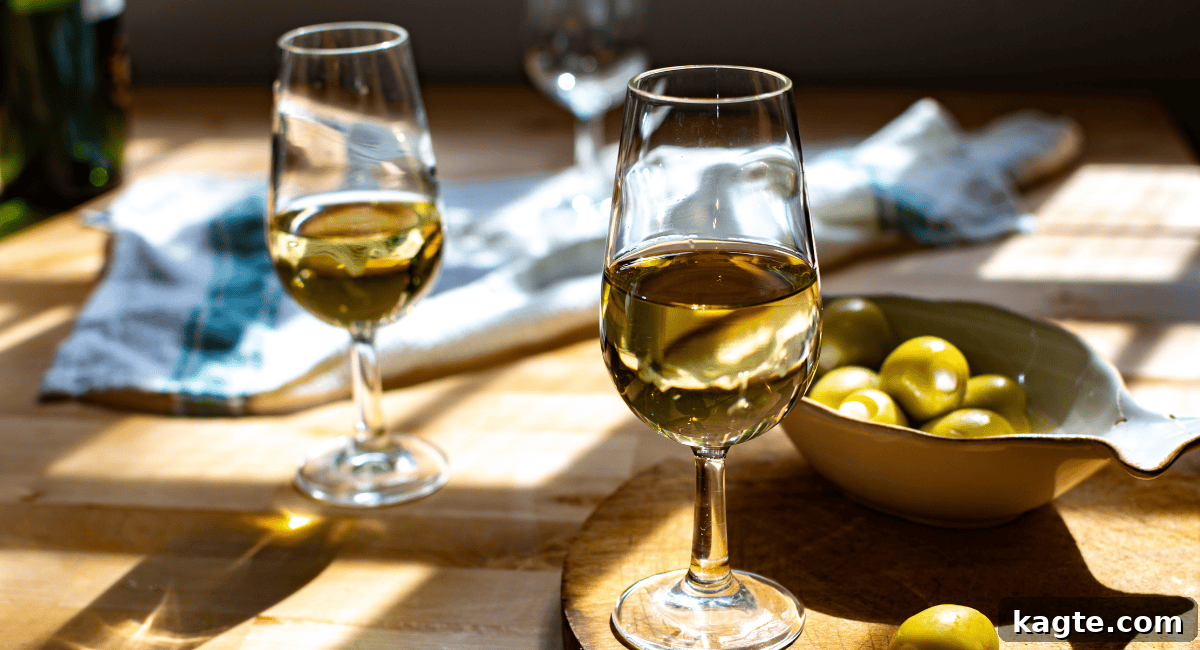
Often hailed as the ultimate stand-in for Shaoxing wine, dry sherry stands out due to its remarkably similar flavor profile and aromatic qualities. This fortified wine from Spain boasts an amber hue that closely matches Shaoxing wine, making it visually appropriate for many dishes. More importantly, its taste encompasses a slightly nutty, savory, and subtly sweet complexity that effectively mimics the rich depth Shaoxing wine brings to Asian cuisine. The alcohol content is also comparable, ensuring that the cooking process benefits from similar flavor development.
When incorporating dry sherry into your recipes, a straightforward 1:1 substitution ratio is generally recommended. This means if your recipe calls for two tablespoons of Shaoxing wine, you can use two tablespoons of dry sherry. It performs exceptionally well in a wide range of applications, from marinating meats like chicken or pork, where it helps tenderize and infuse flavor, to adding a robust base for stir-fries, sauces, and braised dishes. Fino or Manzanilla sherry are particularly good choices, as they are dry and possess the least sweet characteristics, aligning more closely with the savory notes of Shaoxing wine. Avoid cream or sweet sherries, as their sugary intensity would alter the intended balance of most Asian recipes.
2. Mirin
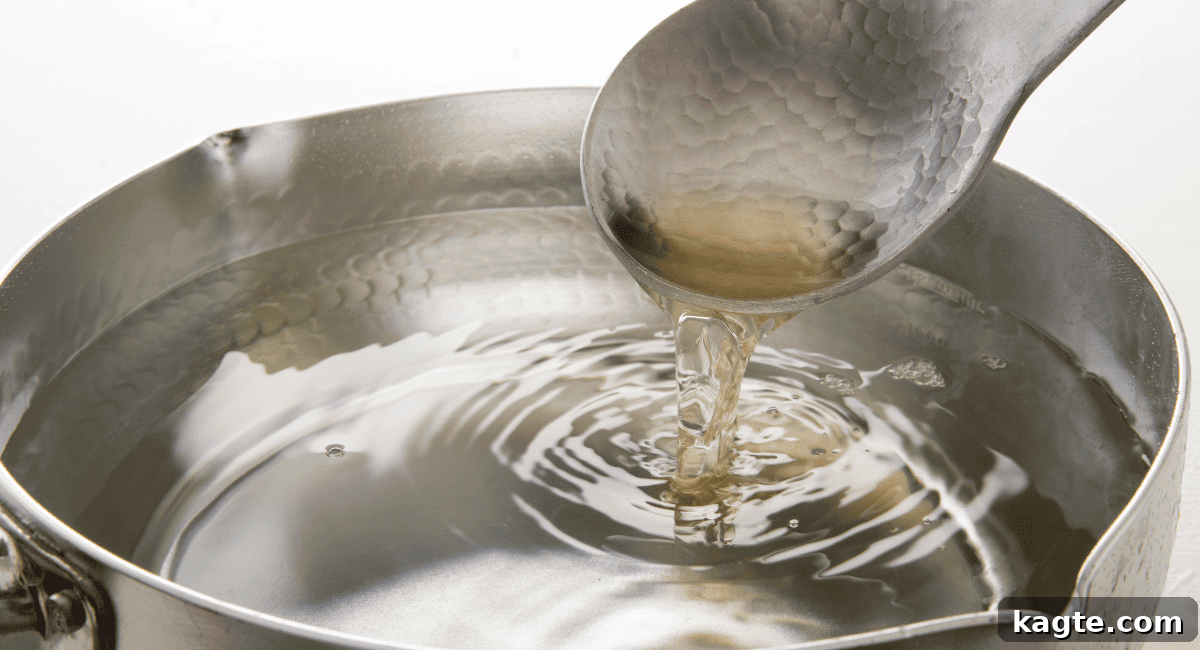
Mirin, a beloved Japanese sweet rice wine, serves as another fantastic substitute, particularly for its ability to impart a beautiful gloss and a subtle sweetness to dishes. While it leans sweeter and typically has a lower alcohol content than Shaoxing wine, its fermentative depth and mild acidity can still provide a similar foundation of flavor, especially in applications where a touch of sweetness is welcome. Mirin is a staple in Japanese cooking, frequently used in glazes, marinades for teriyaki, and dipping sauces, indicating its versatility and flavor-enhancing properties.
When using mirin as a Shaoxing wine substitute, a 1:1 ratio is a good starting point. However, due to its inherent sweetness, it’s crucial to adjust other sweetening agents in your recipe. If your dish already includes sugar, consider reducing it or omitting it entirely to prevent the overall flavor from becoming overly sweet. Mirin’s lower alcohol content means it might not offer the exact same pungency, but its ability to tenderize meats and contribute to a rich, umami-laden sauce makes it an excellent choice. Look for “hon mirin” (true mirin) for the best quality, as mirin-fu (mirin-like seasoning) often contains added sugars and less alcohol.
3. Sake
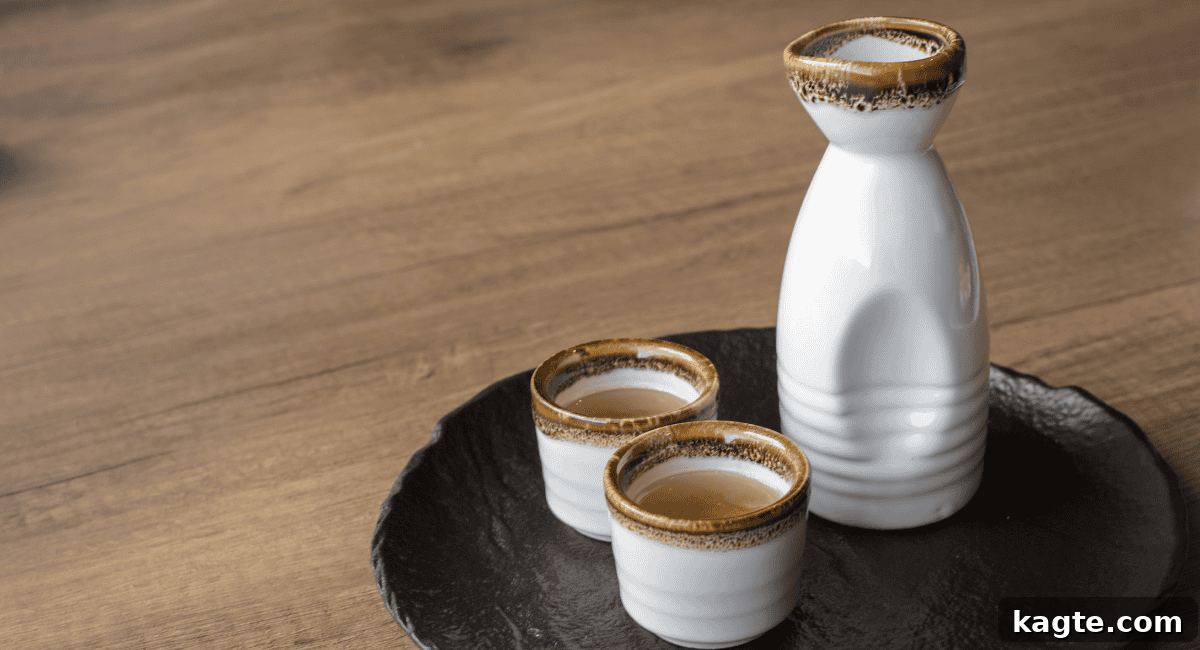
Sake, another esteemed Japanese rice wine, offers a clean and distinct flavor profile that can act as a reliable stand-in for Shaoxing wine in various recipes. While it generally presents a lighter, less complex character compared to the nutty and savory notes of Shaoxing wine, its mild sweetness and inherent umami can still contribute significant depth to your cooking. Sake’s primary role in Japanese cuisine often involves tenderizing meats, masking strong odors from fish or game, and enhancing the overall flavor of broths and sauces, functions that align well with Shaoxing wine’s uses.
For substitution, a 1:1 ratio of sake to Shaoxing wine typically works well. To draw closer to Shaoxing wine’s profile, it’s highly recommended to opt for “cooking sake” (ryorishu) if available. Cooking sake usually contains added salt, which imparts a saltier, more savory taste that more closely approximates the briny undertones often found in Shaoxing cooking wines. If using regular drinking sake, you might consider adding a tiny pinch of salt to your dish to compensate. Sake is particularly effective in marinades for seafood and chicken, as well as in light stir-fries and simmering liquids where its clean taste can shine without overpowering other ingredients.
4. Dry White Wine
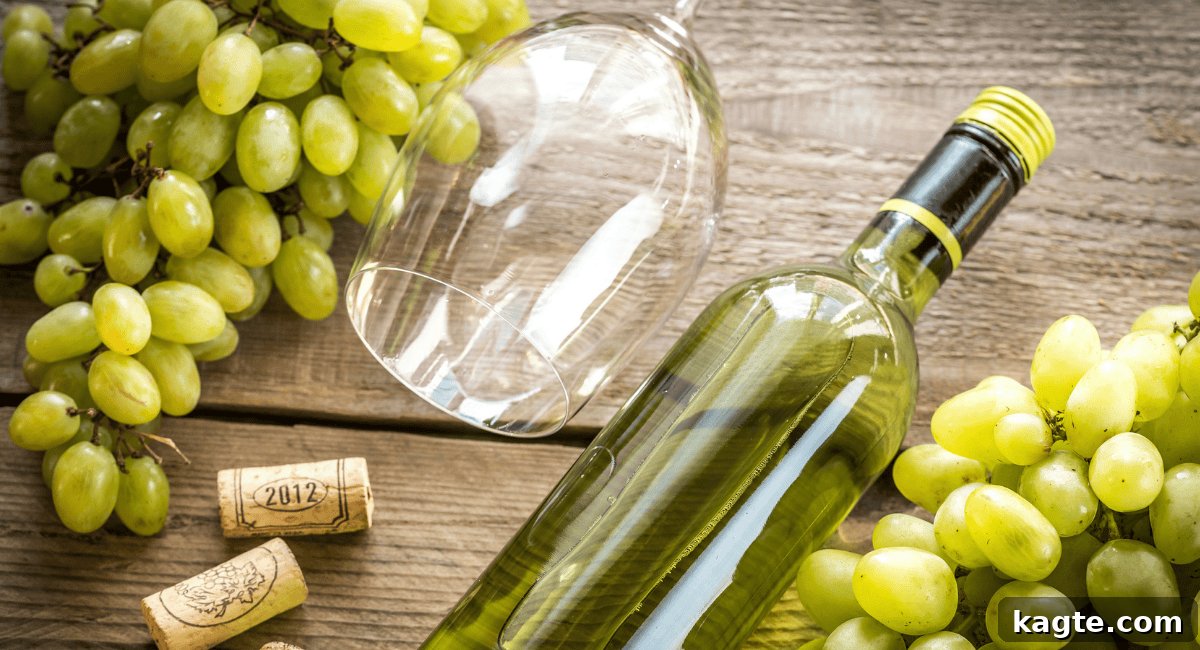
When Shaoxing wine and other Asian cooking wines are out of reach, a dry white wine can step in as a surprisingly effective substitute, especially in recipes that call for a smaller quantity. Its inherent acidity and often fruity, crisp flavor profile can contribute a layer of complexity and a pleasant tang to dishes, mimicking some of the brighter notes found in Shaoxing wine. Varieties like Sauvignon Blanc, Pinot Grigio, or unoaked Chardonnay are ideal choices due to their dry nature and minimal sweetness, ensuring they don’t overpower the delicate balance of Asian flavors.
Use dry white wine in a 1:1 ratio as you would Shaoxing wine. To further enhance its suitability, consider adding a few drops of soy sauce to introduce the necessary savory and umami depth that Shaoxing wine is known for. A tiny pinch of sugar can also help round out the flavor, bringing it closer to the subtle sweetness of Chinese rice wine. This combination is particularly useful in marinades, stir-fry sauces, and braises, where the alcohol helps to carry flavors and the acidity brightens the dish. Always choose a wine you’d enjoy drinking, as its quality will directly impact the flavor of your food.
5. Rice Vinegar with a Splash of Apple Juice
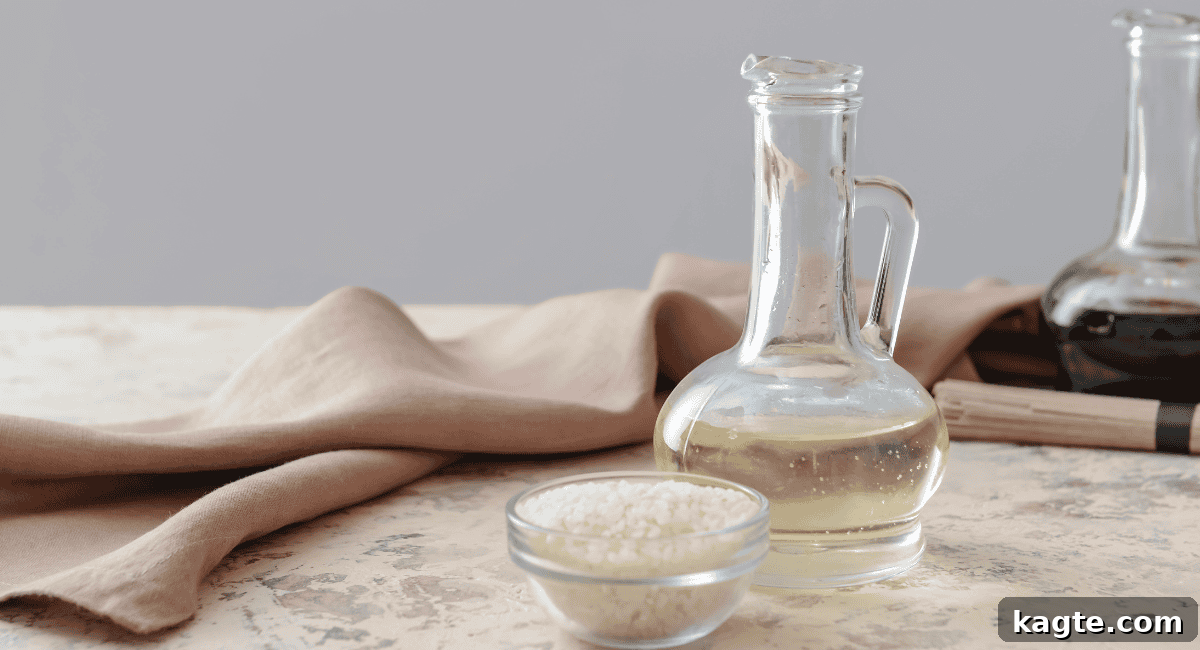
For those seeking a non-alcoholic alternative that still captures the unique balance of Shaoxing wine, a clever combination of rice vinegar and apple juice offers an excellent solution. This duo works by replicating the essential components of Shaoxing wine: the rice vinegar provides the necessary tang and acidity, while the apple juice introduces a touch of fruitiness and a delicate sweetness, mirroring the nuanced flavor profile. The result is a vibrant, flavorful liquid that can add brightness and depth to a variety of Asian dishes without the alcohol content.
To prepare this substitute, a general guideline is to mix three parts rice vinegar with one part apple juice. For instance, if your recipe calls for four tablespoons of Shaoxing wine, you would use three tablespoons of rice vinegar and one tablespoon of apple juice. This blend can then be used in a 1:1 ratio as a direct replacement. It’s particularly effective in marinades, salad dressings, and light stir-fries where the bright acidity and subtle sweetness can truly shine. Ensure you use plain, unsweetened apple juice to avoid introducing excessive sugar. This combination is a fantastic option for families, individuals with dietary restrictions, or anyone preferring to avoid alcohol in their cooking.
6. Chicken or Vegetable Broth with a Splash of Vinegar
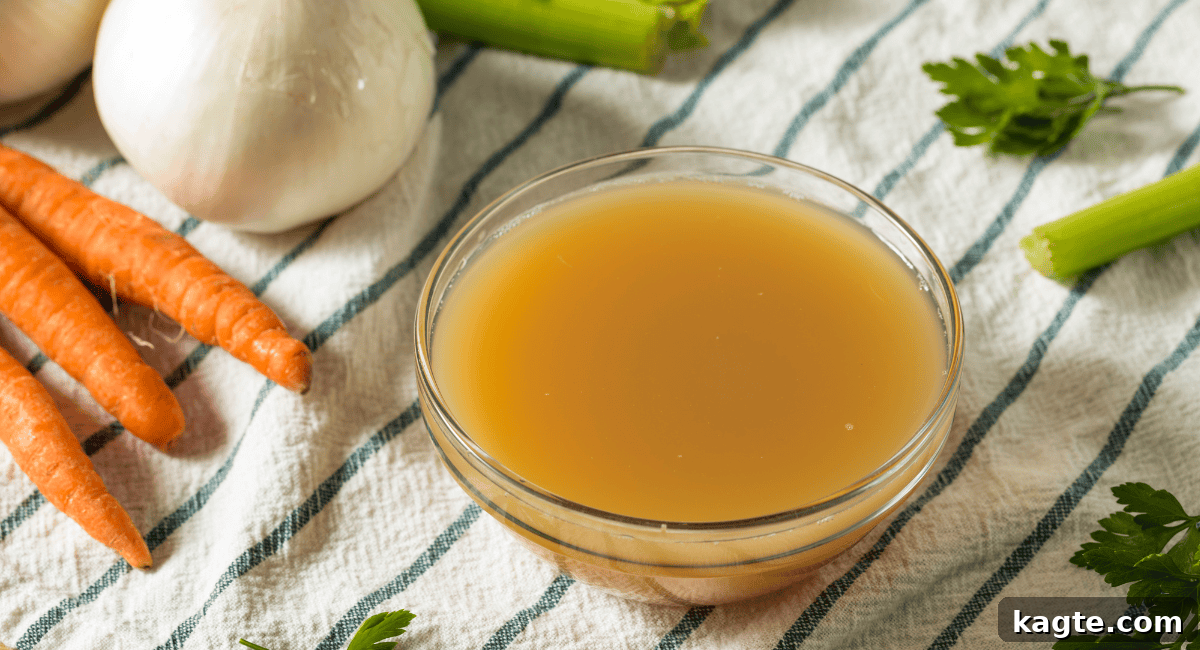
Another excellent non-alcoholic alternative, particularly suited for adding a savory base with a hint of acidity, is a combination of chicken or vegetable broth with a splash of vinegar. This substitute leverages the inherent umami of broth to replace the savory depth of Shaoxing wine, while the vinegar introduces the necessary tang and brightness. This blend is especially useful in dishes where the liquid component is significant, such as braises, stews, or simmering sauces, providing a comforting and familiar flavor without altering the alcohol content of the dish.
When preparing this substitute, use a good quality chicken or vegetable broth as your base. To every cup of broth, add approximately one to two teaspoons of rice vinegar or white vinegar, adjusting the amount to your personal taste preference and the acidity required for your specific recipe. This mixture can then be used in a 1:1 ratio for Shaoxing wine. The broth provides a rich, savory foundation, while the vinegar cuts through any richness and adds a vibrant lift, mimicking the complex interplay of flavors in Shaoxing wine. It’s a versatile option that ensures your dishes retain their depth and zest, making it a reliable choice for any non-alcoholic cooking needs.
7. Balsamic Vinegar
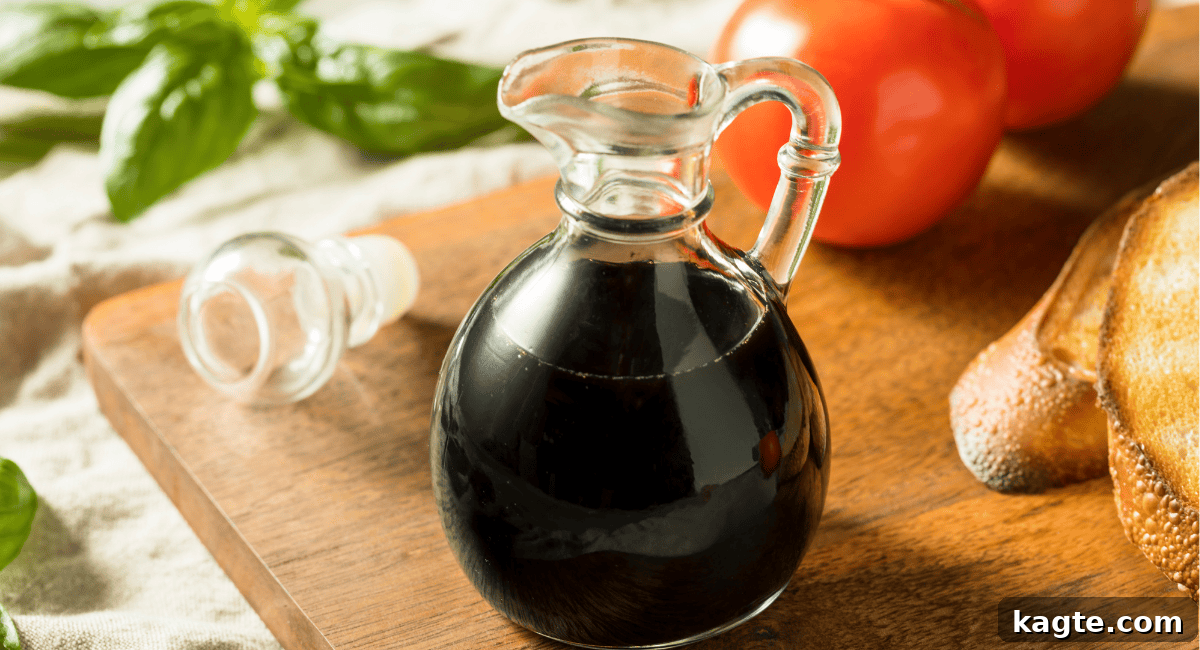
Balsamic vinegar, renowned for its deep, complex, and slightly sweet flavor profile, can serve as an intriguing and surprisingly effective substitute for Shaoxing wine, particularly when seeking to replicate its profound depth and hint of sweetness. Originating from Italy, traditional balsamic vinegar undergoes a lengthy aging process, resulting in a rich, syrupy liquid with notes of caramel, fig, and molasses. While its flavor is distinct from Shaoxing wine, its intensity and layered characteristics can contribute a similar gravitas to certain Asian dishes, especially those with robust flavors.
Due to its potency and often pronounced sweetness and acidity, balsamic vinegar should be used with caution and always diluted. A good approach is to dilute balsamic vinegar with an equal part of water (a 1:1 ratio of balsamic to water) before using it as a substitute for Shaoxing wine. For example, if your recipe calls for two tablespoons of Shaoxing wine, you would use one tablespoon of balsamic vinegar mixed with one tablespoon of water. This dilution helps to temper its strong flavor and prevent it from overpowering your dish. It works best in marinades for red meats, hearty braises, and darker sauces where its robust character can blend harmoniously without being too dominant. Experiment sparingly to find the right balance for your recipe.
8. Gin or Vodka with a Splash of Rice Vinegar
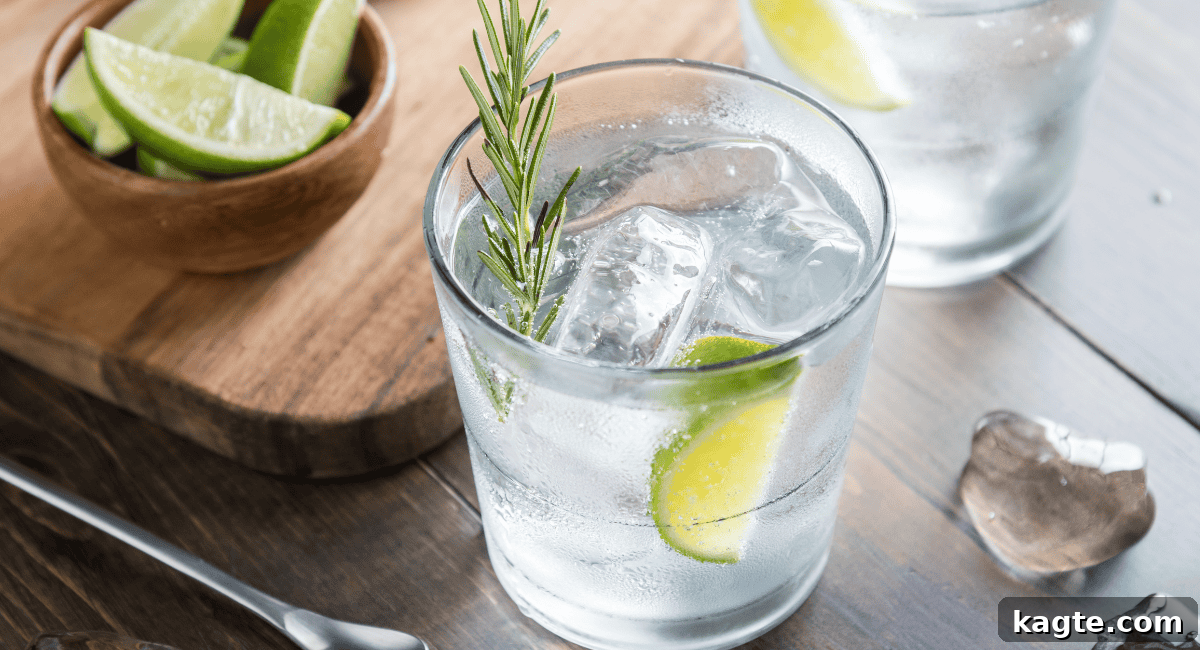
For culinary situations where the alcohol content and a neutral base are important, gin or vodka, combined with a touch of rice vinegar, can act as an inventive last-resort substitute for Shaoxing wine. This combination primarily delivers the alcoholic component necessary for carrying flavors and the slight acidity that brightens many dishes. While neither gin nor vodka offers the inherent complex flavor of Shaoxing wine, they provide a clean alcoholic canvas that can be infused with other elements to mimic the desired effect, especially in longer cooking processes where alcohol evaporates.
Gin, with its botanical notes (particularly juniper), can add an interesting aromatic dimension, which might be suitable for certain recipes but should be used carefully to avoid overwhelming the dish. Vodka, being largely flavorless, is often a safer choice as it contributes only the alcohol. To use this substitute, mix gin or vodka with a small amount of rice vinegar – a common starting point is one teaspoon of rice vinegar for every two tablespoons of spirit, but adjust to your taste. This blend can then be used in a 1:1 ratio as a substitute. This combination is most effective in marinades for meats, where the alcohol helps tenderize, and in cooking sauces that undergo sufficient heating to allow the alcohol to cook off, leaving behind a subtle depth and acidity rather than a strong alcoholic flavor.
FAQs About Shaoxing Wine Substitutes
Shaoxing wine is renowned for its complex and distinctive flavor profile. It has a mild, clear to amber hue and a rich, aromatic smell. The taste is a harmonious blend of slightly sweet, savory, and briny notes, often with undertones of caramel, nuts, and a deep umami character. Its complexity adds incredible depth to Chinese cuisine, making it an indispensable ingredient for marinades, stir-fries, and braises.
Yes, like most alcoholic beverages and cooking ingredients, Shaoxing wine can go bad, though it has a relatively long shelf life. An unopened bottle can last for several years when stored in a cool, dark pantry. Once opened, its quality will gradually diminish. It typically remains good for about 6 months to 1 year if stored properly in a cool, dark place away from direct sunlight and heat. Refrigeration can extend its life even further. Signs of spoilage include a significant change in color (becoming much darker or cloudy), a strong sour or off-putting odor, or the presence of mold or sediment not previously there. While it won’t necessarily make you sick if consumed past its prime, its flavor contribution to dishes will be significantly impaired.
Yes, Shaoxing wine is alcoholic. As a fermented rice wine, it typically has an alcohol content ranging from 16% to 18% ABV (Alcohol by Volume). While it’s primarily used for cooking, the alcohol content contributes significantly to its flavor profile, acting as a solvent for other flavors and helping to tenderize meats. Much of the alcohol evaporates during the cooking process, leaving behind its distinctive taste.
Shaoxing wine can typically be found in several places. The most reliable source is usually an Asian grocery store or supermarket, where it’s often located in the cooking wine or condiments aisle. Many larger mainstream supermarkets also carry it in their international foods section. Alternatively, you can purchase Shaoxing wine online through various e-commerce platforms and specialty food retailers. Look for bottles labeled “Shaoxing Cooking Wine” or “Shaoxing Huadiao Wine.”
For a non-alcoholic substitute, the most effective options are a combination of rice vinegar with a splash of apple juice, or chicken/vegetable broth with a splash of vinegar. The rice vinegar and apple juice blend offers both acidity and a touch of sweetness, mimicking the wine’s brightness. The broth and vinegar combination provides a savory base with a similar acidic lift, making it excellent for braises and sauces. Both aim to replicate the functional and flavor contributions of Shaoxing wine without the alcohol.
While Shaoxing wine is a type of rice wine, not all rice wines are suitable substitutes. Many “regular” rice wines, particularly those intended for drinking, can be too sweet or lack the depth and savory complexity of Shaoxing cooking wine. Additionally, Shaoxing cooking wines often contain added salt, which contributes to their unique flavor and prevents them from being taxed as alcoholic beverages for drinking. If you use a regular unsalted rice wine, you might need to adjust the salt content in your recipe. It’s best to stick to specific cooking rice wines or the listed substitutes for optimal results.
Embark on a culinary adventure by experimenting with these diverse Shaoxing wine substitutes. Each option brings its own unique character to the table, allowing you to adapt and innovate in the kitchen while maintaining the delicious essence of Asian cuisine. Don’t let the absence of one ingredient deter your cooking creativity; instead, use these alternatives as a stepping stone to explore new flavors and techniques. Happy cooking, and may your dishes always be infused with rich, authentic tastes!
Follow me on Pinterest, Facebook & Instagram.
Shop my Amazon Storefront!