

The Ultimate Guide to Rice Vinegar Substitutes: Keep Your Flavors Balanced
Rice vinegar is a staple in many kitchens, especially for those who love Asian cuisine. Esteemed for its signature mild acidity and subtle hint of sweetness, it typically boasts an acidity level ranging from 4% to 5%. This makes it considerably gentler than other vinegars like harsh distilled white vinegar, ensuring its flavor enhances dishes without overwhelming them. From zesty salad dressings and savory marinades to the perfectly seasoned sushi rice and crisp homemade pickles, rice vinegar delivers a unique balance that is hard to replicate. However, there are times when you might find yourself without this key ingredient, or perhaps you’re seeking a specific flavor twist. When searching for effective substitutes for rice vinegar, the primary goal is always to mimic this delicate balance of mild tartness and a touch of sweetness, ensuring your culinary creations remain delicious and authentic.

Table of Contents
- Top Rice Vinegar Substitutes
- How to Choose the Best Substitute for Your Dish
- Frequently Asked Questions About Rice Vinegar
- More Culinary Resources
Rice vinegar plays an integral role in many of my favorite recipes, contributing that essential acidic brightness and balanced sweetness. Here are a few dishes where its presence truly shines, offering a glimpse into its versatility:
- Sticky Asian Pork Ribs: The tender ribs literally melt in your mouth, with rice vinegar helping to tenderize and balance the rich, sweet glaze.
- Spicy Peanut Noodles with Chicken: A quick and flavorful weeknight dinner, where rice vinegar cuts through the richness of the peanut sauce, adding a vibrant tang.
- Brown Sugar Garlic Pork Chops: Each bite bursts with flavor thanks to a deliciously spicy, sweet, and tangy marinade that relies on rice vinegar for its depth.
- Chicken & Green Bean Stir Fry: This satisfying meal achieves a perfect balance of savory and bright flavors, largely due to the vinegar’s contribution.
- Hawaiian Chicken Tacos with Pineapple Salsa: I adore the contrast of savory protein with the fruit-based salsa, where rice vinegar adds a crucial element of brightness to the marinade or dressing.
Top Rice Vinegar Substitutes
Finding the perfect replacement for rice vinegar can elevate your cooking even when you’re missing the original. Each substitute offers unique characteristics, but with a little adjustment, they can closely mimic the desired mild tang and sweetness. Here’s a detailed look at the best options:
1. White Wine Vinegar + Sugar
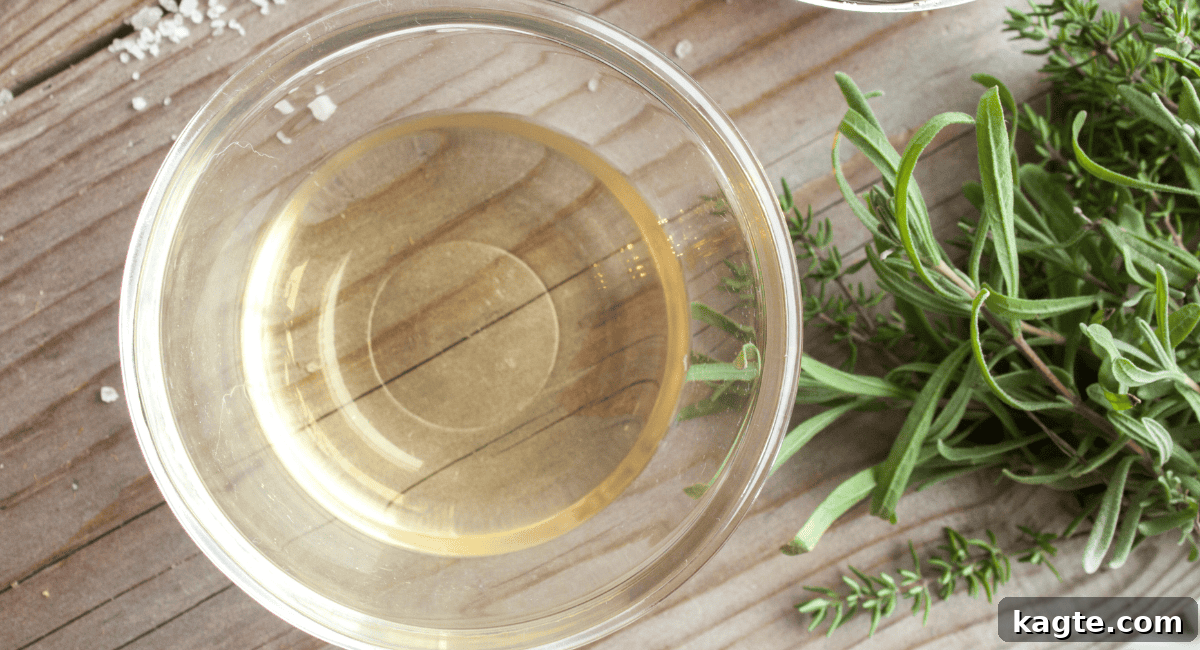
Ratio: 1 cup white wine vinegar + 1-2 tsp sugar
White wine vinegar is an excellent go-to substitute due to its relatively mild and crisp flavor profile, which is lighter than many other vinegars. While it doesn’t possess the inherent sweetness of rice vinegar, adding a touch of sugar effectively mimics that crucial balance. Its delicate nature makes it particularly suitable for vinaigrettes, light marinades, or in dishes where a subtle tang is desired without overpowering other ingredients. Ensure the sugar is fully dissolved by stirring vigorously or gently heating the mixture before use. This combination is versatile and works well in many applications where rice vinegar is called for, especially in non-Asian recipes or when a slightly more pronounced, fruity acidity is welcome.
2. Apple Cider Vinegar + Sugar
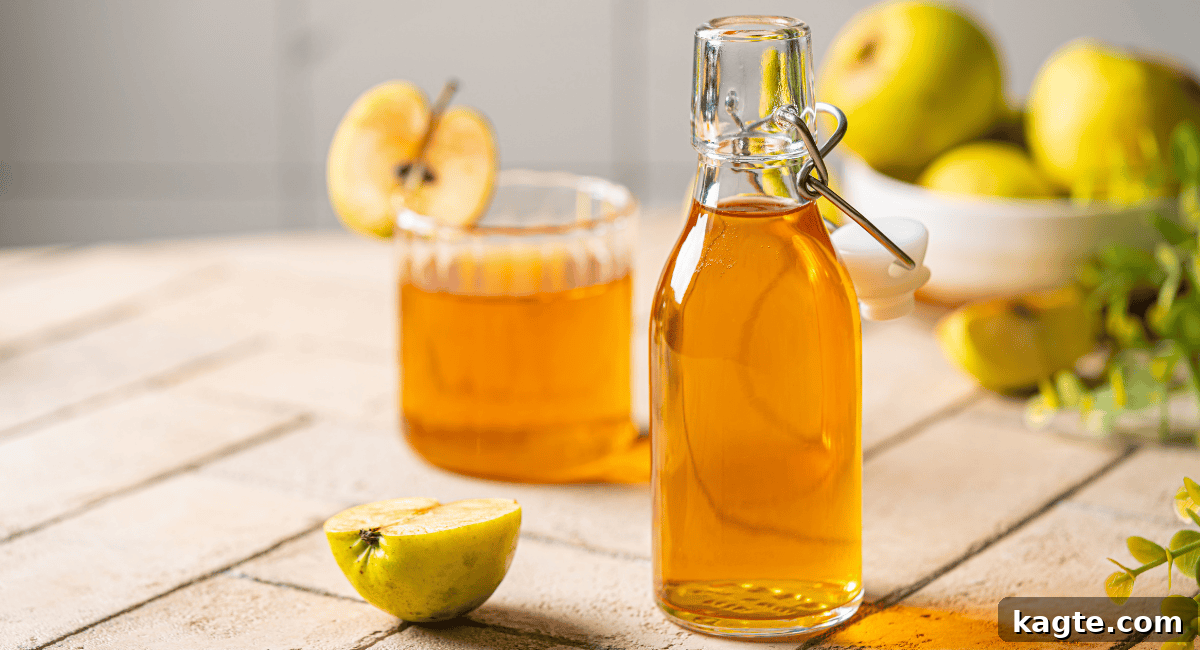
Ratio: 1 cup apple cider vinegar + 1-2 tsp sugar
Apple cider vinegar (ACV) brings a distinctive fruity and slightly tangy flavor to the table. Its robust character can add a lovely depth to certain dishes, making it a fantastic substitute when you want a more complex flavor profile. Just like white wine vinegar, ACV lacks the sweetness found in rice vinegar, so incorporating a teaspoon or two of sugar is essential to achieve a similar balance. This substitute shines in applications such as coleslaw dressings, homemade pickles, and various sauces where its fruitiness can complement the other ingredients. Be mindful that its flavor is stronger and more distinct than rice vinegar, so start with a slightly smaller amount and adjust to taste to ensure it doesn’t dominate your dish.
3. Champagne Vinegar
Ratio: 1:1 swap
For those seeking a high-quality, direct substitute that requires minimal adjustment, champagne vinegar is an excellent choice. Made from fermented champagne, it offers a beautifully light, delicate, and subtly floral acidity that closely mirrors the mildness of rice vinegar. Its refined flavor profile makes it one of the closest standalone substitutes, often allowing for a straightforward 1:1 swap in most recipes without the need for added sugar, depending on your desired sweetness level. Champagne vinegar is particularly well-suited for delicate salad dressings, sophisticated sauces, and marinades where you want a clean, bright acidity that won’t overshadow other ingredients. Its premium nature means it might be a bit pricier, but its superior flavor often justifies the cost.
4. White Distilled Vinegar + Sugar
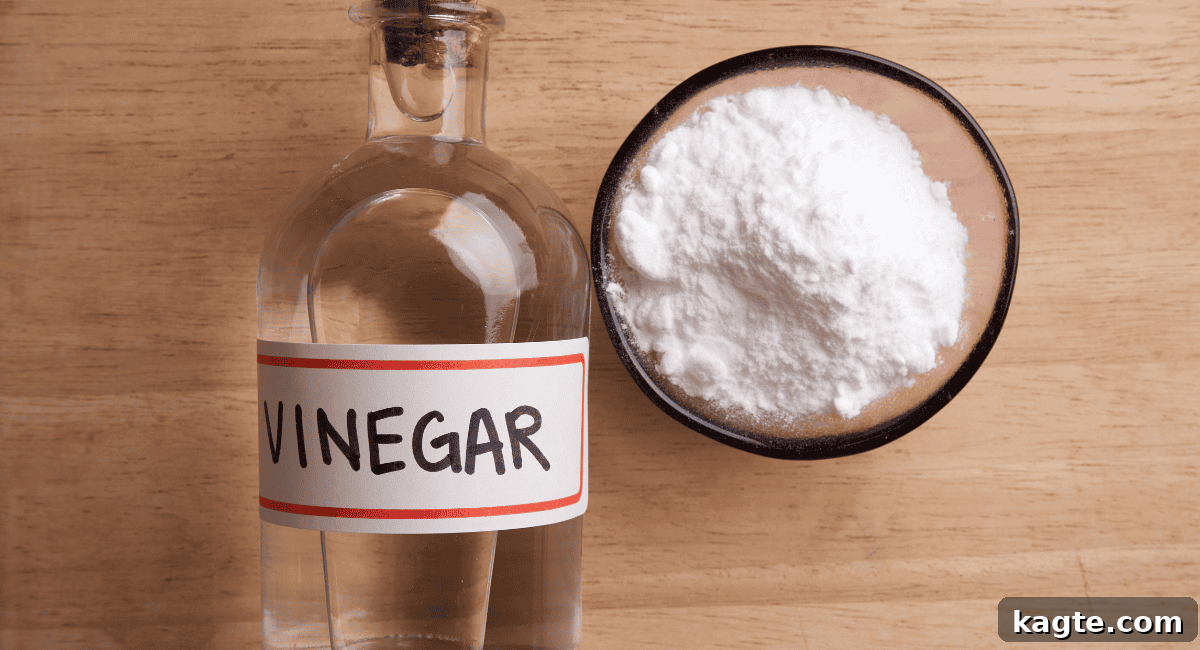
Ratio: 1 cup vinegar + 2 tsp sugar (or to taste)
White distilled vinegar is known for its strong, sharp acidity and neutral flavor, making it a powerful contender for a rice vinegar substitute—but one that requires careful handling. Its higher acidity means you’ll need to dilute it slightly or, more importantly, add a generous amount of sugar to soften its bite and introduce the necessary sweetness. The suggested ratio of 2 teaspoons of sugar per cup of vinegar is a good starting point, but always taste and adjust. This combination is highly effective for applications like pickling, robust marinades, or seasoning vegetables where its strong acidity can be put to good use without overwhelming the dish. Due to its intensity, it’s generally not recommended for delicate sauces or sushi rice unless heavily diluted and sweetened.
5. Lemon or Lime Juice + Water
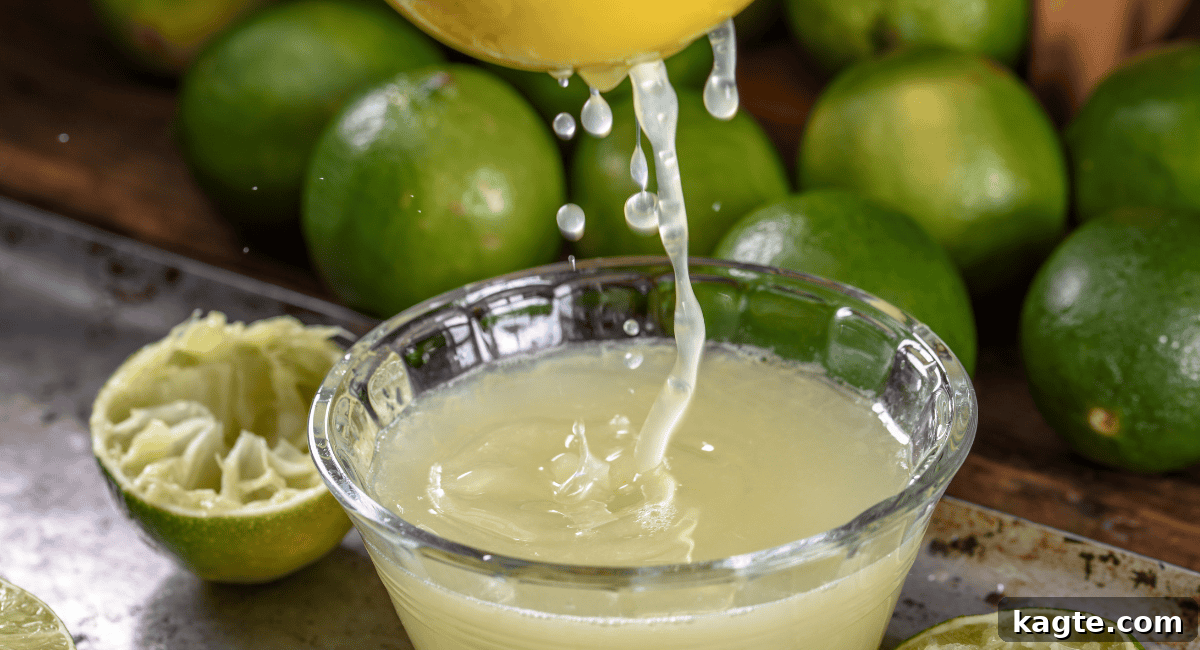
Ratio: 2 tbsp juice + 2 tbsp water (adjust as needed; a pinch of sugar can also be added)
When you’re truly in a pinch and need to introduce acidity, fresh lemon or lime juice can be a surprisingly effective stand-in. While they introduce a distinct citrus flavor that rice vinegar doesn’t have, they offer a bright, tangy counterpoint that can work beautifully in many dishes. Because citrus juices are quite potent, it’s often best to dilute them with an equal part of water to reduce their intensity and bring them closer to the mild acidity of rice vinegar. A small pinch of sugar can also be added to round out the flavor and add a touch of sweetness. This substitute is ideal in dressings, marinades, and some sauces, especially those where a refreshing, fruity note would be a welcome addition rather than a distraction. Avoid using it where a neutral or traditional Asian flavor profile is paramount.
6. Mirin (Japanese Sweet Rice Wine)
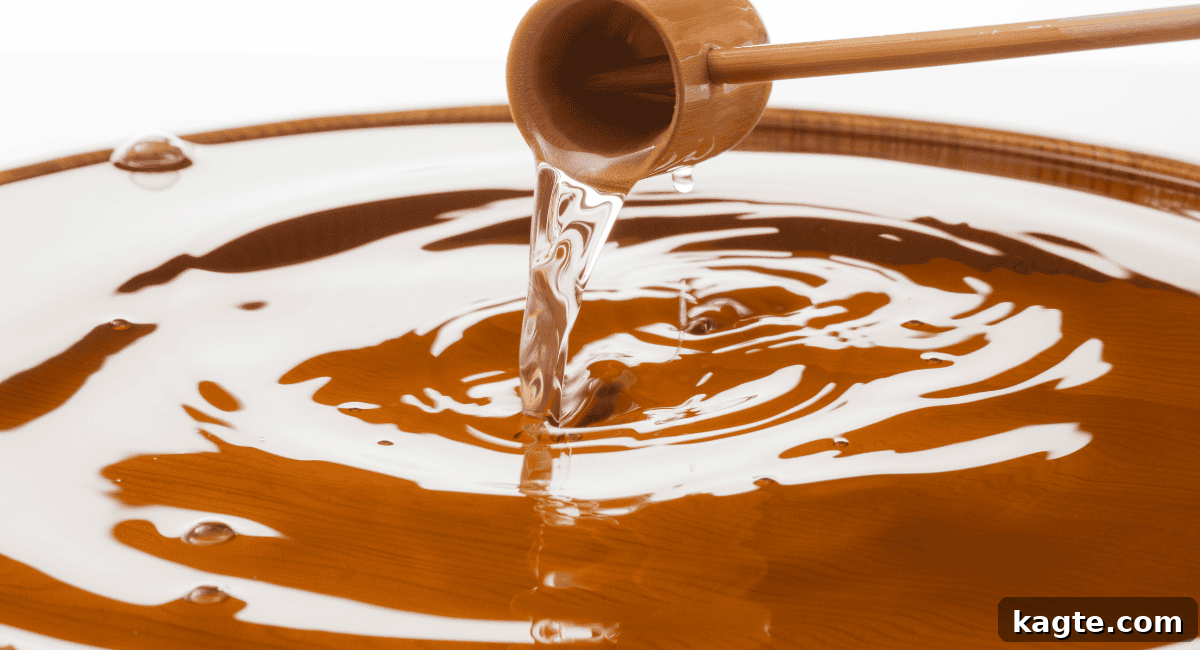
Ratio: 1:1 swap for sweetness (optional splash of extra vinegar for acidity)
Mirin is a sweet Japanese rice wine that is a fantastic addition to Asian cooking, especially when you need to replace the sweetness and a touch of the umami found in rice vinegar. However, it’s crucial to understand that mirin is a wine, not a vinegar, meaning it lacks the acidity. Therefore, while it can be used as a 1:1 swap for the sweet component, you will almost certainly need to add a small splash of another mild vinegar (like white wine vinegar or even a diluted white distilled vinegar) to introduce the necessary tang. Mirin is particularly excellent in dishes like teriyaki sauce, stir-fries, and glazes, where its natural sweetness and ability to add a beautiful sheen are highly valued. Be sure to use authentic mirin, not mirin-style seasoning, which often contains added sugars and salts.
How to Choose the Best Substitute for Your Dish
Selecting the ideal rice vinegar substitute depends heavily on the specific dish you’re preparing and the desired flavor outcome. Consider these guidelines to make the best choice:
- For Delicate Salad Dressings or Vinaigrettes: The goal here is a light, crisp acidity that doesn’t overpower fresh greens. Go with champagne vinegar for a direct, elegant swap, or white wine vinegar + sugar for a slightly more robust but still balanced option. Their subtle flavors blend seamlessly.
- For Pickles, Slaws, or Quick Pickling: These dishes benefit from a vinegar with a bit more character. Apple cider vinegar + sugar is excellent, adding a delightful fruitiness that enhances vegetables. White distilled vinegar + sugar works too, offering a sharper tang ideal for preserving, just remember to balance its intensity with enough sweetness.
- For Asian-Style Sauces, Marinades, or Glazes: Authenticity and depth of flavor are key. Mirin is an outstanding choice for its natural sweetness and umami; just be sure to toss in a splash of a mild vinegar if you need more tang and acidity, as mirin alone is not acidic. For a primary acidic component, white wine vinegar + sugar can also work well.
- For Sushi Rice: This is one of the most challenging substitutions. The mildness and specific sweetness of seasoned rice vinegar are critical. Your best bet is typically champagne vinegar with a precise amount of sugar and a tiny pinch of salt, or a carefully balanced mixture of white wine vinegar + sugar (and salt). The goal is subtlety, so avoid anything too strong.
- For a Quick Fix at Home (When Nothing Else is Around): Sometimes you just need some acidity. Lime juice or lemon juice diluted with water (and perhaps a tiny bit of sugar) works in a pinch for dressings or marinades where a citrusy note won’t clash with the overall flavor profile.
- General Tip: Always start with a slightly smaller amount of the substitute than what the recipe calls for, especially if it’s a stronger vinegar. Taste and adjust incrementally to achieve your desired balance of sweet and sour.
Frequently Asked Questions About Rice Vinegar
Making your own rice vinegar is a fascinating process, though it requires patience and a specific starter. All you’ll typically need is about 2 cups of cooked white rice, 1 to 2 ounces of ‘Mother of Vinegar’ (a symbiotic culture of bacteria and yeast that facilitates fermentation, similar to a kombucha scoby), and approximately 34 ounces (about 4.25 cups) of water. To begin, combine your cooked white rice and any leftover cooking water in a clean, airtight glass or stoneware bottle or jar. Add the ‘Mother of Vinegar’ to the rice mixture, then top the container off with the water, ensuring there’s some headspace. Seal the container and store it in a cool, dark place for several weeks to months, checking periodically for the development of the vinegar flavor and aroma. The longer it ferments, the stronger the vinegar will become.
The uniqueness of rice vinegar lies primarily in its mildness and subtle sweetness. Unlike stronger vinegars such as pure distilled white vinegar or those made from grape-based wines (like red wine vinegar) or malt, rice vinegar undergoes a gentler fermentation process from rice. The result is a less acidic, more mellow flavor that seamlessly integrates into dishes without overpowering other ingredients. This characteristic makes it a versatile and subtle addition to a wide range of recipes, from delicate salad dressings and refreshing pickles to flavorful marinades and light drizzles over sautéed vegetables. Its ability to add brightness and depth without a harsh bite is what sets it apart and makes it indispensable in Asian cuisine.
Yes, you can use regular white distilled vinegar as a substitute for rice vinegar, but it requires careful adjustment. White distilled vinegar is significantly more acidic and lacks the inherent sweetness of rice vinegar. To compensate, you’ll need to dilute it slightly with water (e.g., 1 part water to 3 parts vinegar) and add sugar to taste (starting with 1-2 teaspoons per cup of vinegar). This combination helps to mimic the milder, sweeter profile of rice vinegar. It’s best suited for marinades, pickling, or recipes where the vinegar’s primary role is to add acidity and a strong flavor isn’t detrimental. For delicate dishes or sushi rice, it’s generally not the preferred option due to its sharp taste, even when modified.
The key difference between seasoned and unseasoned rice vinegar lies in their additives. Unseasoned rice vinegar is pure fermented rice vinegar, offering a clean, mild, and slightly sweet flavor. Seasoned rice vinegar, on the other hand, has added sugar and salt, and sometimes other flavorings like MSG. It’s specifically prepared to be ready-to-use for sushi rice, salad dressings, and certain sauces, where the sweet-salty-tangy balance is desired. If a recipe calls for unseasoned rice vinegar and you only have seasoned, you might need to reduce the amount of added sugar and salt in your recipe. Conversely, if a recipe calls for seasoned rice vinegar and you only have unseasoned, you’ll need to add a pinch of sugar and salt to achieve a similar flavor profile.
Whether you’re whipping up a vibrant stir-fry, a refreshing salad dressing, or preparing a batch of quick pickles, running out of rice vinegar doesn’t have to derail your culinary plans. With this comprehensive guide, you now have a wealth of easy and flavorful substitutes to choose from. By understanding the unique balance of mild acidity and subtle sweetness that rice vinegar provides, and how to achieve it with alternative ingredients, you can confidently keep your recipes on track without sacrificing taste or quality. Keep this list handy the next time you find yourself in a pinch, and continue to explore the exciting world of flavors!
More Culinary Resources
Discover More Cooking Tips & Tricks
Cooking Resources
The Best Substitutes for Rice Vinegar
Appetizers
Delicious Ways To Eat Spinach Dip (Hot or Cold)
Dessert
Create Your Own Ice Cream Sundae Toppings Bar (BEST Ideas)
Cooking Resources
The 5 Best Substitutes for Parmesan Cheese (Pasta & More)
Follow me on Pinterest, Facebook & Instagram.
Shop my Amazon Storefront!