
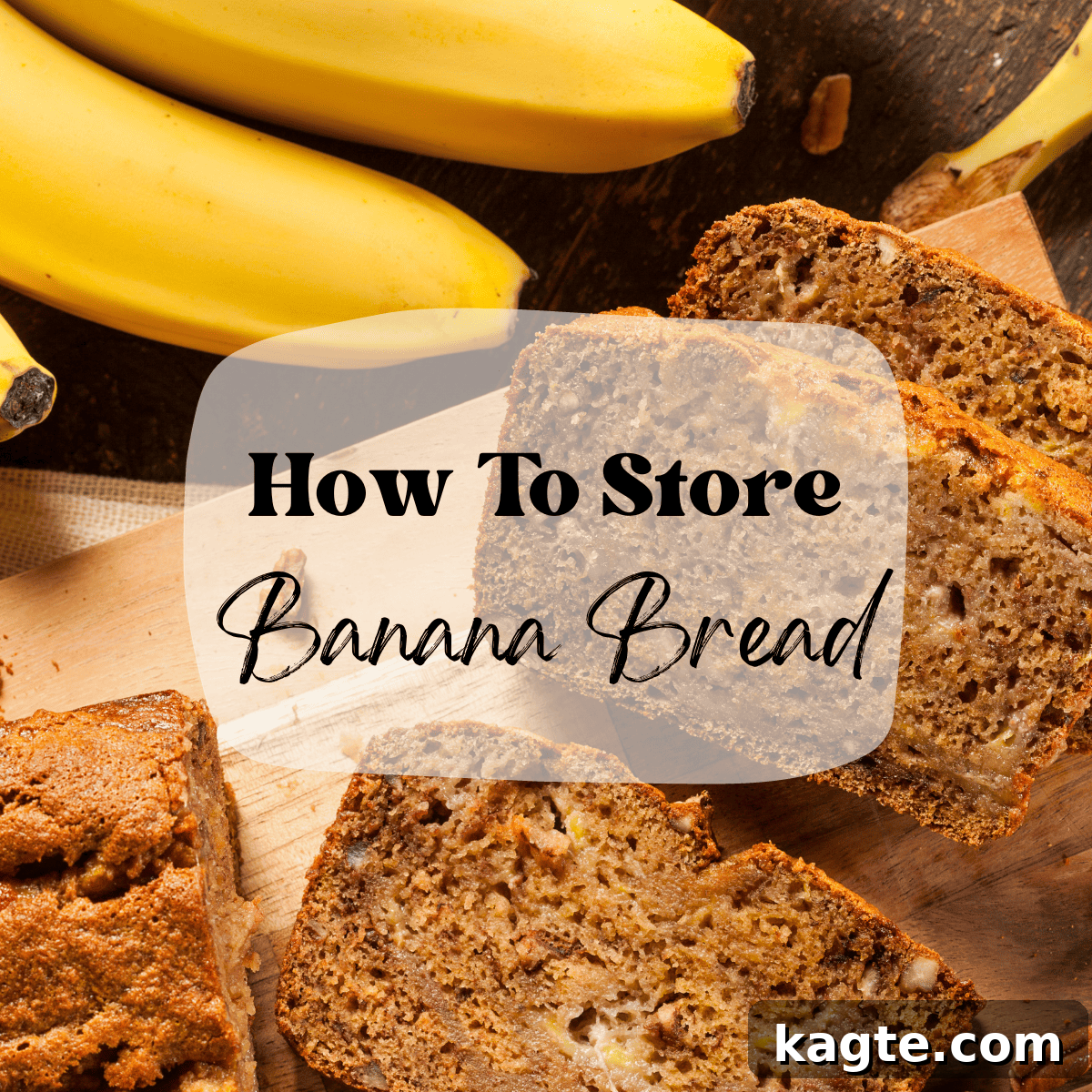
Ah, banana bread! That comforting, fragrant loaf that brings joy to breakfast tables, coffee breaks, and snack times around the globe. Whether you’re a seasoned baker who whips up a batch from scratch or you prefer the convenience of a delicious store-bought variety, there’s no denying the irresistible appeal of this moist, sweet treat. But amidst the delight of enjoying a freshly baked slice, a common question often arises: “How long does banana bread last?” Just like any other delectable baked good, banana bread has a finite window of freshness before its texture and flavor begin to diminish, or worse, it starts to spoil. Understanding the best practices for storage is key to extending its shelf life, ensuring every crumb remains as delightful as the first. This comprehensive guide will walk you through everything you need to know about proper banana bread storage, from cooling techniques to freezing methods, helping you preserve its wonderful taste and texture for as long as possible.
Table of Contents
- Best Way to Store Banana Bread
- Proper Storage Techniques for Banana Bread
- How to Freeze Banana Bread for Long-Term Enjoyment
- How to Know if Your Banana Bread Has Spoiled
- Tips for Maximizing Banana Bread Freshness
- FAQs About Banana Bread Storage
Best Way to Store Banana Bread
Determining the optimal storage method for your banana bread largely depends on how quickly you plan to devour it. While it’s tempting to leave a fresh loaf on the counter, strategic storage can significantly impact its longevity and taste.
Room Temperature vs. Refrigeration: A Detailed Look
For immediate consumption within a couple of days, room temperature storage is often preferred by many enthusiasts. The reason? It helps maintain the bread’s soft, moist texture and preserves its comforting aroma and flavor profile without the risk of drying out that can sometimes occur in the fridge. A freshly baked banana bread loaf can typically be stored at room temperature for approximately 2-3 days. To ensure it stays fresh during this period, it’s crucial to wrap it tightly to prevent air exposure, which can lead to staleness.
However, if your goal is to extend the shelf life of your banana bread beyond a few days, refrigeration becomes your best ally. When properly stored in the refrigerator, banana bread can remain fresh and enjoyable for up to a week. The cooler temperatures dramatically slow down the growth of mold and bacteria, delaying the spoilage process. The caveat with refrigeration, however, is that the cold air can sometimes cause the bread to dry out faster or absorb unwanted odors from other foods in the fridge. To counteract this, always ensure your banana bread is impeccably wrapped to create a protective barrier against moisture loss and odor absorption.
Proper Storage Techniques for Banana Bread
Mastering the art of banana bread storage involves a few simple yet critical steps. Following these guidelines will ensure your loaf stays delicious, moist, and safe to eat for longer.
- Cooling Down Completely: The Foundational Step
This is perhaps the most overlooked yet vital step in banana bread preservation. After your banana bread emerges golden-brown and fragrant from the oven, resist the urge to wrap it immediately. Instead, allow it to cool completely within its baking pan on a wire rack for about 10-15 minutes. Then, carefully remove the loaf from the pan and let it finish cooling on the wire rack. This crucial cooling period allows steam to escape and prevents condensation from forming inside your storage container. Wrapping warm bread traps moisture, which can quickly lead to a soggy texture and, more importantly, create an ideal environment for mold growth. Ensure the bread is entirely at room temperature before moving on to the next step—this can take several hours depending on the loaf’s size. - Wrap It Right: The Barrier Against Air and Moisture
Once your banana bread has cooled completely, the next step is to create an effective barrier against air and moisture. There are several excellent options for wrapping:- Plastic Wrap: Tightly wrap the entire loaf or individual slices in several layers of plastic wrap. Press out as much air as possible to create a snug seal.
- Aluminum Foil: A good alternative to plastic wrap, especially if you’re concerned about potential freezer burn later. Wrap the bread tightly in heavy-duty aluminum foil, ensuring no gaps.
- Beeswax Wraps: For an eco-friendly option, beeswax wraps can provide a decent seal, though they might not be as airtight as plastic wrap for very long-term storage.
The key here is to minimize air exposure, as air is the enemy of freshness, contributing to staleness and drying.
- Utilize an Airtight Container: The Final Layer of Protection
For enhanced protection, especially for longer-term storage at room temperature or in the refrigerator, place your well-wrapped banana bread inside an airtight container. This extra layer of defense provides several benefits:- It physically protects the bread from being crushed.
- It further reduces air exposure.
- In the refrigerator, it acts as a barrier against absorbing strong odors from other foods.
Glass containers, plastic food storage containers with sealing lids, or even large resealable freezer bags work wonderfully.
- Storing Sliced Banana Bread: If you prefer to portion your banana bread, slice the cooled loaf and wrap individual slices or small groups of slices. This method is excellent for grab-and-go snacks and makes thawing individual portions much easier if freezing. Place the wrapped slices back into an airtight container.
How to Freeze Banana Bread for Long-Term Enjoyment
Freezing is an excellent method for preserving banana bread for extended periods, allowing you to enjoy homemade goodness weeks or even months down the line. It’s particularly useful if you bake in large batches or want to have a quick treat on hand for unexpected guests.
- Preparation for Freezing: Ensure the banana bread is completely cool. You can freeze it whole, in halves, or pre-sliced. Pre-slicing is often recommended as it allows you to thaw only what you need.
- Double-Wrapping is Key: To prevent freezer burn, which can dehydrate the bread and affect its flavor and texture, a double-wrapping method is best. First, wrap the banana bread (whole or slices) tightly in plastic wrap, ensuring no air pockets. Then, add a second layer of protection using heavy-duty aluminum foil or place the plastic-wrapped bread into a freezer-safe bag. Press out any excess air from the bag before sealing.
- Label and Date: Always label your frozen banana bread with the date it was frozen. This helps you keep track of its freshness and ensures you consume it within its optimal freezer life.
- Freezer Storage Duration: Properly wrapped and stored, frozen banana bread can maintain its quality for up to three months. While it might still be safe to eat beyond this period, its texture and flavor may start to degrade.
- Thawing Your Frozen Loaf: When you’re ready to indulge, there are a few thawing options:
- Refrigerator Thawing: This is the gentlest method. Simply transfer the wrapped banana bread from the freezer to the refrigerator and let it thaw overnight (6-8 hours for a whole loaf, less for slices).
- Room Temperature Thawing: For quicker thawing, you can leave the wrapped banana bread on your counter at room temperature for a few hours. Slices will thaw faster than a whole loaf.
- Quick Thawing/Reheating: Individual slices can be gently reheated in a microwave for 15-30 seconds or in a toaster oven at a low temperature until warm and soft. For a whole loaf, you can warm it in a preheated oven (around 300°F / 150°C) for 10-15 minutes, still wrapped in foil to prevent drying, once largely thawed.
Always ensure the bread is fully thawed before consuming for the best taste and texture.
How to Know if Your Banana Bread Has Spoiled
Even with the best storage practices, banana bread, like all perishable foods, will eventually spoil. It’s important to know the signs of spoilage to ensure your safety and avoid consuming something that could cause illness. When in doubt, it’s always best to err on the side of caution and discard the bread.
- Mold: The Obvious Culprit
The most unequivocal sign that your banana bread has gone bad is the presence of mold. Mold can appear as fuzzy spots in various colors – green, black, white, or even blue. While you might only see a small patch, mold often has deep roots that penetrate the food, so it’s not safe to simply cut off the visible part. If you see any mold, discard the entire loaf immediately. - Off Smell: A Warning Sign for Your Nose
Fresh banana bread has a delightful, sweet, and comforting aroma. As it spoils, this pleasant scent will be replaced by an unpleasant one. An off-smell might be sour, yeasty, alcoholic, or simply rancid. Trust your nose; if something smells wrong, it likely is. - Dryness or Hardness: A Sign of Age, Not Always Spoilage
As banana bread ages, especially if not perfectly sealed, it tends to lose moisture and dry out. It might become crumbly, hard around the edges, or feel dense. While dry banana bread isn’t necessarily spoiled and might still be safe to eat (perhaps toasted or rehydrated), its quality and enjoyment factor are significantly diminished. However, excessive dryness combined with other signs could indicate spoilage. - Excessive Moisture or Sogginess: A Precursor to Mold
Paradoxically, banana bread can also become excessively moist or soggy if stored incorrectly, particularly if wrapped while still warm or exposed to high humidity. This over-moist environment is a breeding ground for mold and bacteria, accelerating spoilage. If your bread feels unusually wet or slimy to the touch, it’s a strong indicator that it’s past its prime. - Off Taste: The Final Confirmation
If you’ve overlooked the visual and olfactory cues and take a bite of spoiled banana bread, your taste buds will likely confirm the issue. A sour, bitter, or otherwise unpleasant flavor is a definitive sign of spoilage. Do not continue to eat it.
Tips for Maximizing Banana Bread Freshness
Beyond proper storage, certain choices during baking and handling can also contribute to a longer-lasting, more delicious banana bread.
- Use Very Ripe Bananas: Not only do extra ripe, spotty bananas provide the best flavor and sweetness, but their high moisture content helps keep the bread moist for longer.
- Don’t Overbake: Overbaking can lead to dry bread from the start, making it go stale faster. Bake until a toothpick inserted into the center comes out with moist crumbs, not wet batter.
- Add Oil or Applesauce: Recipes that incorporate oil or applesauce instead of (or in addition to) butter often result in a moister bread that stays fresh longer because these fats are liquid at room temperature and contribute to a softer crumb.
- Store in a Cool, Dark Place (Room Temperature): If storing at room temperature, keep your banana bread away from direct sunlight, heat sources (like ovens or stovetops), or humid areas. These conditions can accelerate spoilage. A pantry or a cool corner of your kitchen is ideal.
- Consider a Glaze or Frosting: While adding extra sweetness, a protective glaze or a thin layer of cream cheese frosting can also help seal in moisture, though it might then necessitate refrigeration for the frosting’s sake.
FAQs About Banana Bread Storage
Generally, yes, if it’s left out for just one night and your kitchen isn’t excessively hot or humid. Freshly baked banana bread can typically be left on the counter, well-wrapped, for 1-2 days without issue. If your kitchen is warm or if you plan to keep it for longer than a day, it’s safer to either refrigerate it or ensure it’s in an airtight container at room temperature.
It’s crucial to let banana bread cool completely before wrapping. This means allowing it to cool in the pan on a wire rack for about 10-15 minutes, then removing it from the pan and letting it cool entirely on the wire rack. This process can take anywhere from 1 to 3 hours, depending on the size and density of your loaf. Wrapping warm bread traps steam, leading to sogginess and potential mold growth.
Not necessarily, but it depends on how long you want to keep it. For consumption within 1-2 days, room temperature storage in an airtight container or tightly wrapped is perfectly fine and often preferred for texture. However, if you want to extend its shelf life to a week or if your kitchen is warm/humid, refrigeration is recommended. Always ensure it’s well-wrapped to prevent drying out or absorbing odors.
When properly wrapped and stored in an airtight container, banana bread can last up to a week in the refrigerator. The cooler temperature slows down the spoilage process significantly, making it an excellent option for preserving your loaf for longer periods than room temperature storage.
Yes, storing banana bread in a cool, dark pantry is a suitable option for room temperature storage. Ensure it’s tightly wrapped in plastic wrap or aluminum foil and placed in an airtight container to protect it from air, moisture, and potential pests. This method is ideal for enjoying your banana bread within 1-3 days.
Follow me on Pinterest, Facebook & Instagram for more delicious recipes and tips!
Shop my Amazon Storefront for my favorite kitchen essentials!