
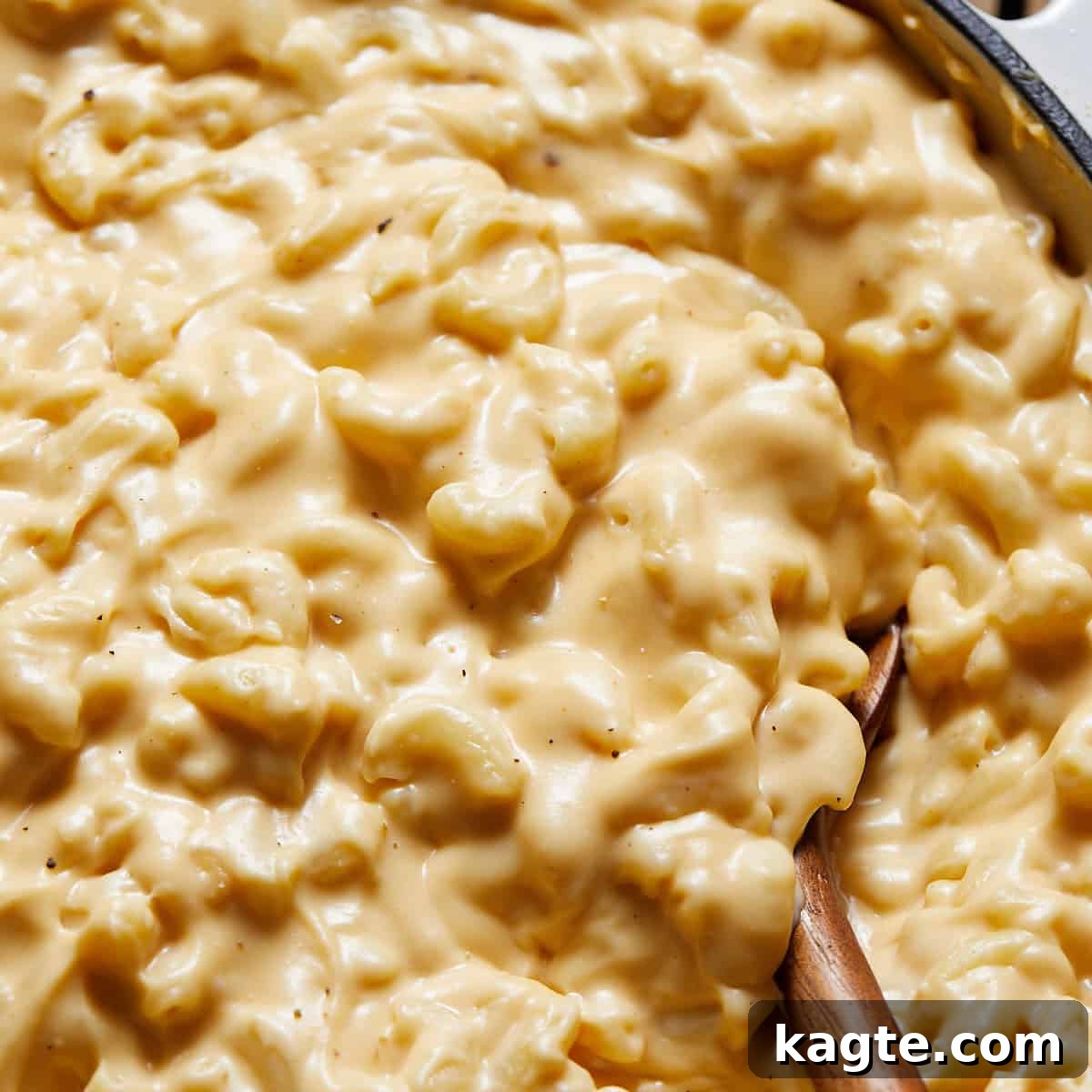
Craving the ultimate comfort food? Nothing beats the rich, creamy goodness of a truly remarkable Homemade Mac and Cheese Sauce. Forget those bland, store-bought mixes; crafting your own sauce from scratch elevates mac and cheese to an entirely new level. This easy-to-follow recipe is your secret weapon for creating a velvety, deeply flavorful, and endlessly customizable cheese sauce that will become a staple in your kitchen. Whether you’re a fan of classic stovetop mac and cheese or prefer a golden, baked casserole, this sauce forms the perfect foundation for a truly unforgettable meal.
Our signature recipe stands out by featuring a luxurious blend of three distinct cheeses, ensuring a complex flavor profile and an irresistible gooey texture. The magic begins with a perfectly executed roux, a simple combination of butter and flour that acts as the thickening agent, guaranteeing a smooth sauce that never separates. This isn’t just a recipe; it’s a guide to mastering the art of the perfect cheese sauce, making you the undisputed champion of comfort food in your home.
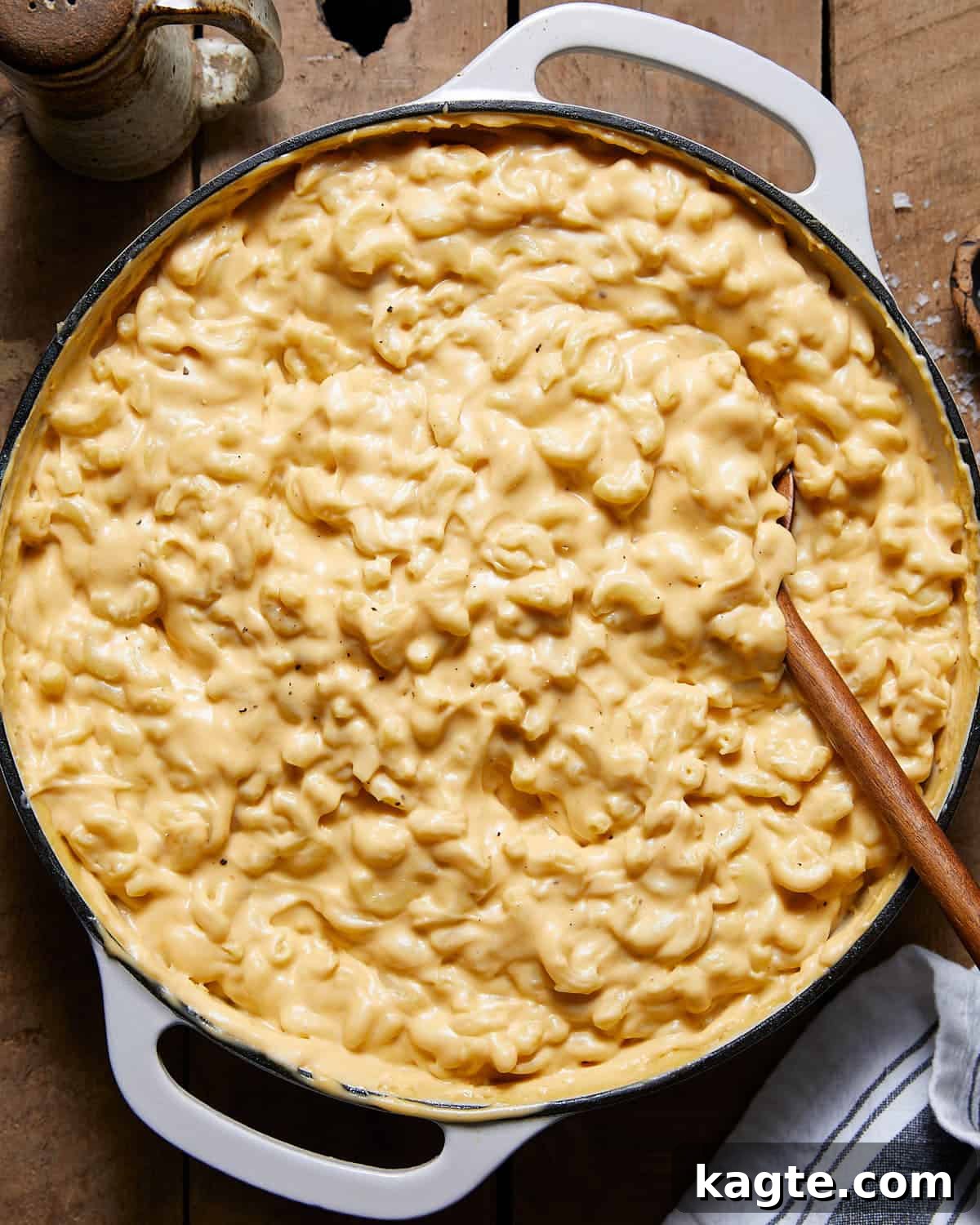
This versatile cheese sauce isn’t just for macaroni. It’s an adaptable culinary cornerstone that can transform a myriad of dishes. Its rich, cheesy base makes it an ideal starting point for countless culinary creations beyond the traditional pasta dish. Discover how a few simple ingredients can unlock a world of creamy, delicious possibilities.
If you’re exploring alternative mac and cheese methods, don’t miss our Simple Mac & Cheese Recipe without Flour, a fantastic one-pot wonder ready in under 15 minutes. For those who love specialty flavors, try our Panera Broccoli Cheddar Mac & Cheese or the sophisticated French Onion Mac and Cheese, both flour-free and easily prepared in an Instant Pot. Embracing the versatility of a bechamel sauce, similar to the base of this cheese sauce, our Italian Lasagna Recipe offers another deeply satisfying cheesy experience. And for more indulgent pasta dishes, be sure to check out our extra Cheesy Baked Spaghetti Recipe or the rich Baked White Cheddar Mac and Cheese recipe.
Table of Contents
- Why You’ll Love This Homemade Cheese Sauce
- Understanding the Roux: The Foundation of Flavor
- Ingredient Notes & Smart Substitutions
- How to Make the Best Homemade Mac and Cheese Sauce
- Creative Serving Suggestions for Your Cheese Sauce
- Expert Tips & Delicious Variations
- Frequently Asked Questions (FAQs)
- More Creamy Sauce Recipes to Explore
- BEST Homemade Mac and Cheese Sauce Recipe
Why You’ll Love This Homemade Cheese Sauce
This isn’t just another mac and cheese sauce recipe; it’s the recipe that will change the way you think about comfort food. Here’s why this particular homemade cheese sauce stands head and shoulders above the rest:
- Unparalleled Flavor & Creaminess: This sauce delivers more than just cheesiness. It boasts a complex flavor profile thanks to carefully selected spices and a hint of hot sauce, which adds a subtle tang without making it spicy. The combination of evaporated milk and regular milk lends an incredible richness and a smooth, velvety texture without the need for heavy cream.
- Perfectly Thickened with a Roux: The inclusion of a simple roux is crucial. This classic French technique ensures your sauce is consistently thick and silky, preventing any separation or graininess that can sometimes plague homemade cheese sauces. It’s the secret to a stable and luxurious base.
- A Symphony of Three Cheeses: While customizable, our recommended blend of three distinct cheeses (Swiss, sharp cheddar, and Gruyère) creates a harmonious balance of melt-ability, pungency, and creamy depth. This thoughtful combination elevates the flavor beyond a single-cheese sauce.
- Remarkably Versatile: This sauce is designed to excel in any application. Whether you prefer the simplicity of a stovetop mac and cheese or the comforting, golden crust of an old-fashioned baked version, this sauce performs beautifully. It maintains its creamy integrity and robust flavor regardless of your preparation method.
- Beyond Macaroni: Don’t limit this incredible sauce to just pasta! Its rich and adaptable nature makes it perfect for drizzling over vegetables, serving as a dip, or incorporating into various other dishes. It’s a true all-rounder in the kitchen.
Understanding the Roux: The Foundation of Flavor
At the heart of many classic sauces, including our exceptional mac and cheese sauce, lies the humble yet powerful roux. A roux (pronounced “roo”) is a fundamental thickening agent in French cuisine, traditionally made by cooking equal parts fat and flour together. The fat can vary, with butter being the most common choice for bechamel-based sauces like ours, but oil or even lard can also be used.
The process involves whisking the chosen fat and flour together in a pan over heat until a smooth paste forms. This paste is then cooked further, usually for just a minute or two for a white roux, which is ideal for light-colored sauces. The cooking process is vital, as it removes the raw flour taste, allowing the sauce to develop a clean, rich flavor. Once the roux is ready, liquid – in this case, milk – is gradually added while continuously whisking to create a smooth, lump-free base known as a bechamel sauce. This bechamel then becomes the perfect canvas for melting in a generous amount of cheese, forming the creamy, dreamy foundation for our irresistible mac and cheese sauce.
Ingredient Notes & Smart Substitutions
Creating the best homemade mac and cheese sauce starts with quality ingredients. Here’s a deeper look at what you’ll need and how you can adapt the recipe to your preferences:
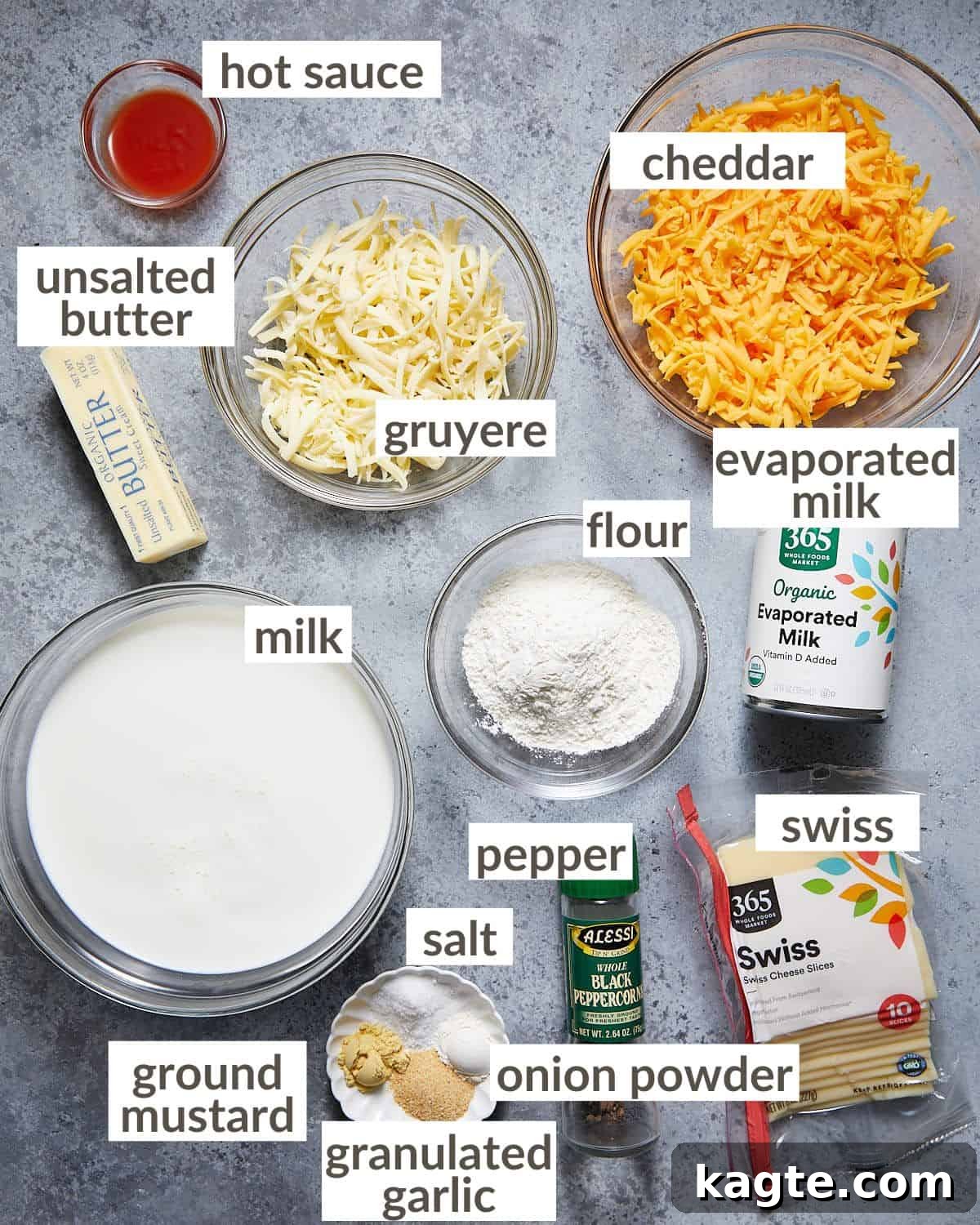
- Evaporated Milk: This ingredient is a game-changer for homemade cheese sauce. Evaporated milk has a richer, slightly caramelized flavor and significantly less water content than regular milk, resulting in a thicker, more luxurious sauce. While I highly recommend it for its unique contribution to richness, you can substitute it with an equal amount of half-and-half if absolutely necessary. Using only regular milk might yield a slightly thinner sauce.
- Milk: Any variety of regular dairy milk will work well here, from skim to 2% or whole milk. The fat content will slightly affect the richness, but the sauce will still be delicious. I’ve personally tested this recipe with both skim and 2% milk with excellent results. However, for the best texture and flavor, I do not recommend using non-dairy milks, as their composition can lead to an undesirable consistency or flavor when mixed with cheese.
- Cheese: The heart of any great mac and cheese sauce! This recipe calls for a generous 20 ounces (approximately 5 cups) of cheese. The beauty of this recipe is its adaptability to your cheese preferences. My preferred combination for optimal flavor and melt is Swiss, sharp cheddar, and Gruyère. Swiss cheese adds a beautiful creaminess, sharp cheddar brings that classic tangy “mac and cheese” flavor, and Gruyère introduces a nutty, savory depth that is truly irresistible. Other excellent choices include Parmesan for a salty bite, Colby Jack for a milder, creamier melt, American cheese for an ultra-smooth texture, smoked Gouda for a unique smoky note, sharp white cheddar for a more sophisticated tang, or Pepper Jack for a gentle kick of spice. Feel free to experiment with your favorite melting cheeses!
- Hot Pepper Sauce: Don’t be deterred by the name! A dash of hot pepper sauce, like Tabasco or Frank’s RedHot, doesn’t make the sauce spicy in this context. Instead, it acts as a subtle flavor enhancer, adding a touch of acidity and complexity that brightens the overall taste of the cheese. It provides a nuanced tang that truly rounds out the sauce. While highly recommended for that extra “something,” it can be omitted if you prefer.
- Pasta: The amount of pasta you use can be adjusted based on your desired level of sauciness. For a lavishly saucy baked mac and cheese, especially one intended for a crunchy breadcrumb topping, 16 ounces of elbow macaroni is ideal, as baked pasta tends to absorb more liquid. For a stovetop version, you might prefer a slightly lighter coating, using up to 16-20 ounces. Remember to reserve some of the starchy pasta water before draining; this liquid gold can be used to thin out the sauce if it becomes too thick, adding both moisture and flavor.
For a complete list of ingredients with precise measurements, please refer to the recipe card below.
How to Make the Best Homemade Mac and Cheese Sauce
Quick Overview
Making this creamy mac and cheese sauce is simpler than you might think. Here’s a brief look at the steps involved:
- Prepare the foundational roux.
- Gradually add milk to thicken the sauce.
- Stir in spices for enhanced flavor and complexity.
- Slowly incorporate the cheeses until perfectly melted and smooth.
- Combine with cooked pasta and serve immediately for optimal enjoyment!
Step by Step Instructions for a Velvety Cheese Sauce
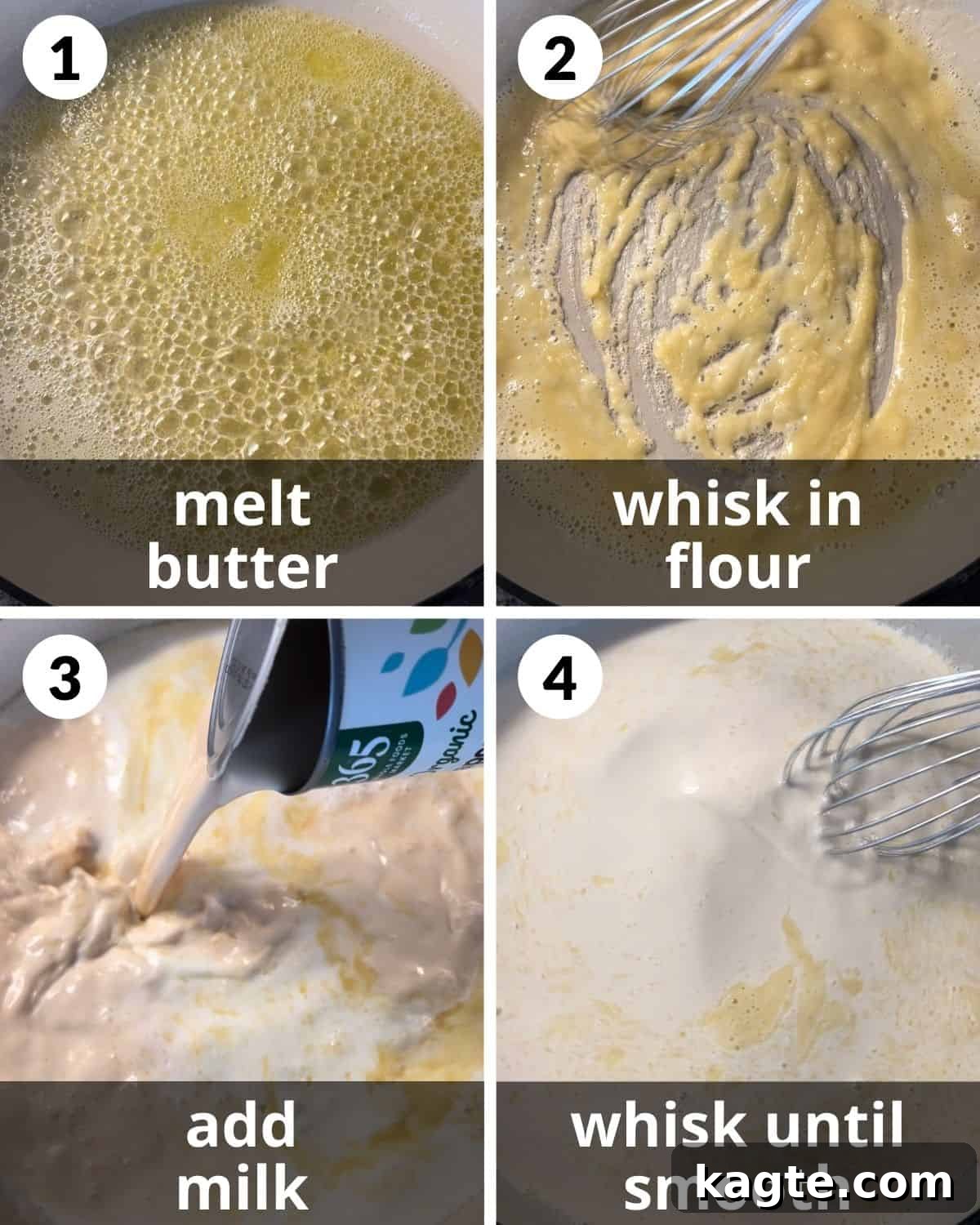
Pro Tip: Cook the roux for 1-2 minutes to eliminate any raw flour taste, which ensures a smoother, more refined sauce flavor.
Step 1: Begin by melting the unsalted butter in a large, heavy-bottomed pan or Dutch oven over medium heat. Ensure the butter is fully melted and slightly shimmering, but not browning.
Step 2: Once the butter is melted, sprinkle in the all-purpose flour. Whisk continuously for 1-2 minutes, cooking the flour to create a smooth, pale roux. This step is crucial for both thickening and removing the raw flour taste.
Step 3: Gradually pour in the evaporated milk and regular milk into the roux, whisking constantly to prevent lumps from forming. Start with a small amount of milk to create a thick paste, then slowly add the rest.
Step 4: Continue whisking vigorously until the flour has completely dissolved and the mixture is smooth and lump-free. The sauce will begin to gently thicken as it heats.
Consistency Check: The sauce should be just thick enough to lightly coat the back of a spoon. It will continue to thicken significantly once the cheese is added.
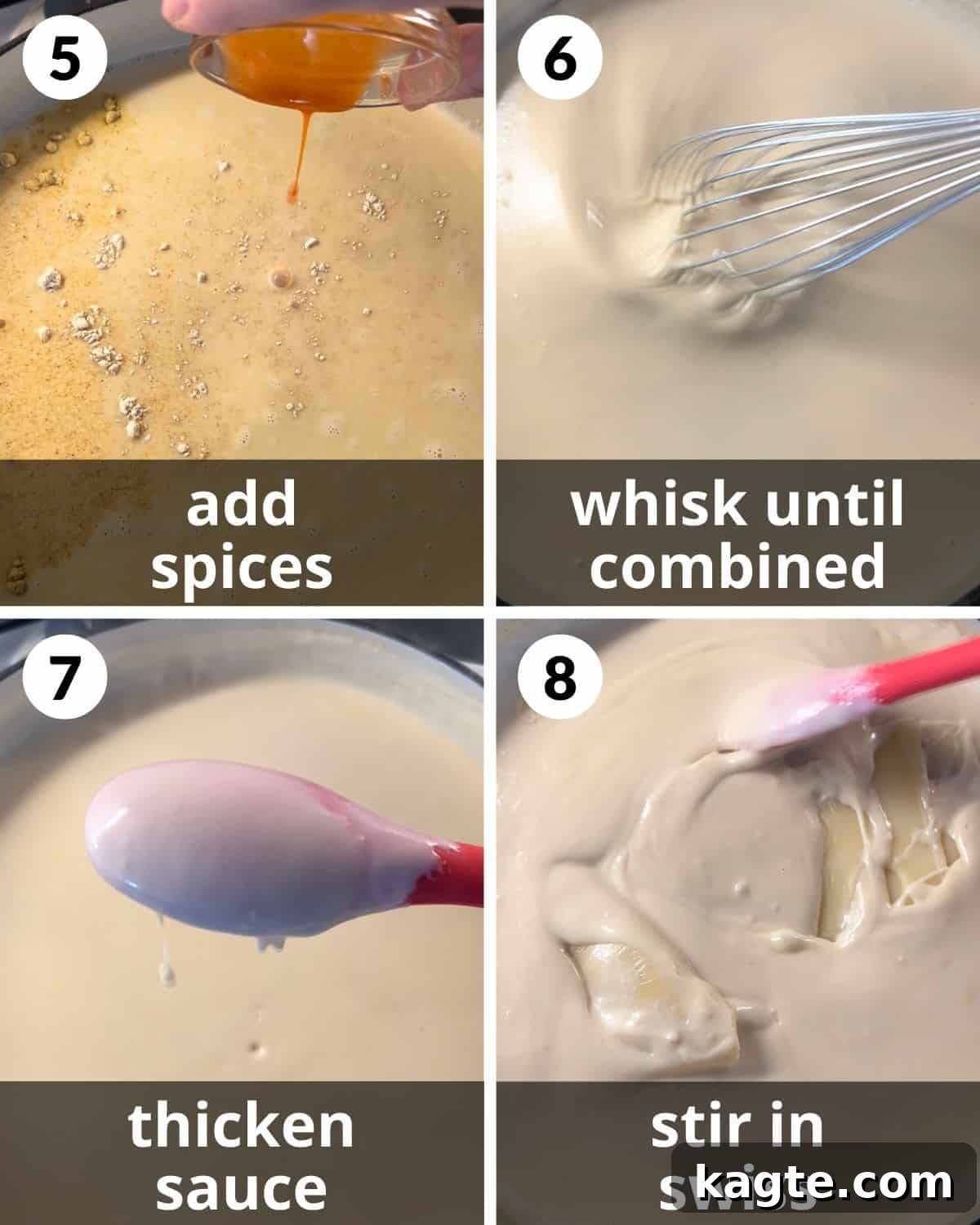
Step 5: Add the hot pepper sauce, granulated garlic, onion powder, ground mustard, salt, and fresh cracked black pepper to the milk mixture. These spices enhance the cheese flavor without overpowering it.
Step 6: Whisk thoroughly until all the spices are fully combined and evenly distributed throughout the sauce base. Ensure there are no clumps of seasoning.
Step 7: Continue to gently stir and simmer the sauce over medium-low heat. Avoid bringing it to a rolling boil. Simmer until the sauce thickens enough to coat the back of a spoon, which typically takes about 4 minutes. Remember, it will continue to thicken as the cheese melts in.
Step 8: Reduce the heat to low. Add the shredded Swiss cheese to the warm sauce. Stir continuously with a spoon or whisk until the Swiss cheese is completely melted and incorporated, creating a smooth, glossy consistency.
Important: To prevent the cheese from becoming stringy or greasy, be sure not to overheat or boil the homemade mac and cheese sauce once the cheese has been added.
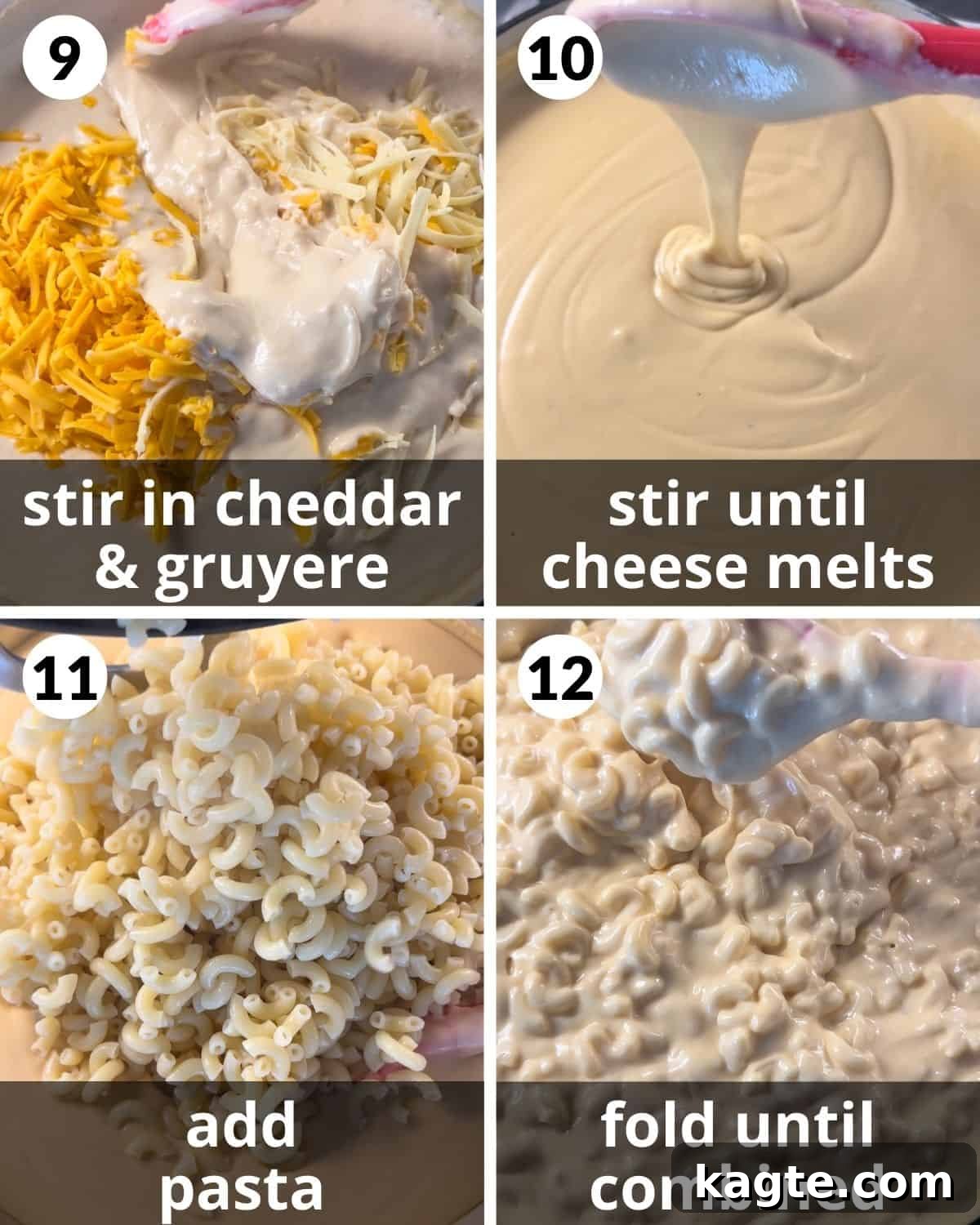
Step 9: Now, add the shredded sharp cheddar and Gruyère cheeses to the sauce. Continue stirring gently.
Step 10: Keep stirring until all the cheddar and Gruyère cheeses have fully melted and are smoothly integrated into the sauce. At this point, your sauce should be wonderfully creamy and perfectly smooth. Taste and adjust seasoning if needed.
Step 11: Gently add your freshly cooked and drained pasta to the glorious cheese sauce. Ensure the pasta is still warm, as this helps it absorb the sauce better.
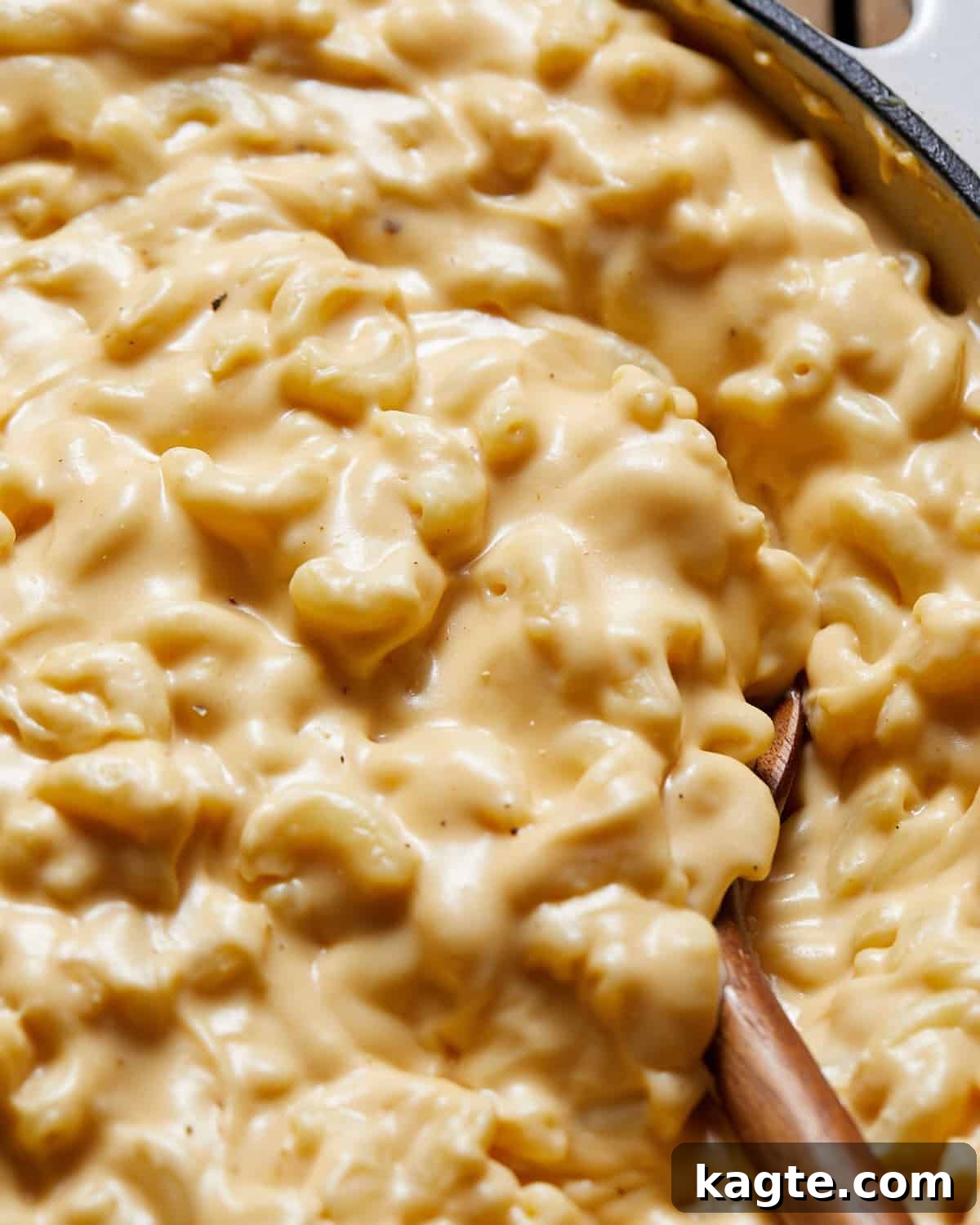
Step 12: Carefully fold the pasta into the sauce until every piece is generously coated. Serve your delicious homemade mac and cheese warm! Note that the sauce will continue to thicken slightly as it cools.
Creative Serving Suggestions for Your Cheese Sauce
While this homemade cheese sauce is undeniably perfect for macaroni, its rich, savory profile and velvety texture make it an incredibly versatile addition to a wide array of other dishes. Unleash your culinary creativity and try these delightful serving ideas:
- Elevate Burgers and Sandwiches: Drizzle a generous amount of warm cheese sauce over your favorite burgers for an instant upgrade. It’s fantastic on our Air Fryer Frozen Burgers, or even on a classic grilled cheese sandwich to make it extra decadent.
- Loaded Baked Potatoes: Transform a simple baked potato into a hearty meal by loading it with this creamy cheese sauce, along with your favorite toppings like bacon bits, chives, or sour cream. It’s a match made in heaven, especially with Steakhouse Oven Baked Potatoes.
- Irresistible Fries and Nachos: Use it as a gourmet dip for crispy french fries, whether homemade or our easy Air Fryer Frozen French Fries. It also makes an exceptional topping for nachos, creating a super satisfying snack or appetizer.
- Cheese Fondue Fun: This sauce is robust enough to serve as a fantastic cheese fondue! Gather your favorite dippables like crusty bread cubes, apple slices, steamed broccoli florets, or raw carrot sticks for a fun and interactive dining experience.
- Vegetable Enhancer: Turn ordinary vegetables into extraordinary side dishes. Pour the warm cheese sauce over steamed asparagus, roasted Brussels sprouts, cauliflower, or broccoli for a rich and comforting touch.
- Savory Casseroles: Incorporate this sauce into various casseroles for added creaminess and flavor, such as chicken and rice casserole, or a vegetable gratin.
Expert Tips & Delicious Variations
Achieving the perfect homemade mac and cheese sauce is all about technique and a few key considerations. Here are some expert tips to ensure your sauce is always a triumph, along with ideas for delicious variations:
- Invest in Quality Cheese: The flavor of your sauce is directly tied to the quality of your cheese. For exceptional results, choose good quality brands. For cheddar, I highly recommend Cracker Barrel, Kerrygold, Tillamook, or Cabot. When selecting Swiss, a reliable store brand is often sufficient for creaminess. Any aged Gruyère will contribute a wonderful nutty, tangy complexity that truly elevates the sauce.
- Shred Your Own Cheese for Superior Melt: This is a non-negotiable tip for the best cheese sauce. Pre-shredded cheeses often contain anti-caking agents like cellulose or potato starch to prevent clumping in the bag. While convenient, these additives can hinder smooth melting, leading to a grainy or less creamy sauce. Blocks of cheese or sliced cheese, which you shred yourself, melt much more seamlessly and taste significantly better.
- Whisk Vigorously and Constantly: When combining the roux with the milk, continuous and vigorous whisking is paramount. This action ensures that the flour fully dissolves and disperses into the milk, preventing lumps and creating a perfectly smooth bechamel base, which is critical for a silky cheese sauce.
- Don’t Skip the Seasoning: Cheese alone is not enough to create a truly great mac and cheese sauce. The spices – granulated garlic, onion powder, ground mustard, salt, pepper, and that crucial dash of hot sauce – are essential for adding depth, balancing richness, and brightening the overall flavor profile. They transform a simple cheese sauce into something extraordinary.
- Mind the Heat – Do Not Overheat: This is perhaps the most important tip. Once you’ve added the cheese, keep the heat on low and avoid bringing the sauce to a boil. High heat can cause the cheese to separate, become oily, or develop a stringy, rubbery texture. The sauce will continue to thicken as the cheese melts and further as it cools. If your sauce does become too thick, or if you accidentally overheat it, don’t despair! You can often rescue it by gradually whisking in a little extra milk, cream, or even pasta water until it reaches your desired consistency.
- Adjust Pasta Quantity to Your Preference: The amount of pasta you use can drastically change the sauciness of your mac and cheese. Pictured in this recipe is 16 ounces of elbow macaroni, which results in a luxuriously saucy dish – perfect for a baked mac and cheese (where pasta absorbs more liquid) or for keeping warm in a slow cooker. If you prefer a lighter coating of sauce for a stovetop preparation, consider using slightly more pasta (up to 20 ounces) and incorporating a splash of reserved pasta water to achieve the ideal consistency.
Frequently Asked Questions (FAQs)
The base of a traditional mac and cheese sauce is typically a bechamel sauce, which is one of the five mother sauces in French cuisine. A bechamel is made by first creating a roux—a cooked mixture of equal parts fat (like butter) and flour. Milk is then gradually whisked into this roux to create a thick, smooth white sauce. Finally, cheese is melted into this bechamel base to create the creamy, flavorful mac and cheese sauce we all know and love.
Achieving creamy homemade mac and cheese relies on several factors. Using a proper roux to thicken the sauce is key, as it prevents separation and ensures a smooth consistency. The choice of liquids, specifically evaporated milk and regular milk, contributes significant richness and creaminess without needing heavy cream. Additionally, selecting cheeses that melt well, like Swiss, cheddar, and Gruyère, is vital. If your mac and cheese sauce ever appears dry or too thick after preparation, you can easily revive its creaminess by stirring in a bit of reserved pasta water, warm milk, or even a splash of chicken broth until it reaches your desired consistency.
The “best” cheese for mac and cheese often comes down to personal preference, but a blend of different cheeses usually yields the most complex and satisfying flavor. I highly recommend a combination of Swiss, sharp cheddar, and Gruyère. Swiss cheese melts incredibly smoothly and adds a lovely creaminess. Sharp cheddar provides that quintessential tangy, robust flavor profile that many associate with classic mac and cheese. Gruyère introduces a sophisticated nutty and savory depth, making the sauce truly stand out. Other excellent choices include Colby Jack, American, smoked Gouda, Parmesan, and Pepper Jack, each offering a unique character to your sauce.
More Creamy Sauce Recipes to Explore
Discover More Delicious Sauces
Appetizers
Homemade Caramelized French Onion Dip
Sauce
Creamy Balsamic Vinaigrette Dressing
Sauce
Homemade Pineapple Teriyaki Sauce Recipe
Sauce
Homemade Greek Yogurt Ranch Dressing
If you give this amazing homemade mac and cheese sauce recipe a try, please take a moment to leave a star rating in the recipe card below or share your thoughts in the comments section! Your feedback is invaluable and always appreciated. For more delicious recipes and cooking inspiration, be sure to follow us on Pinterest, Facebook, and Instagram.
Save
BEST Homemade Mac and Cheese Sauce
★
★
★
★
10
15
25
16 people
Equipment
-
6 Quart Dutch Oven
-
Nonstick pan/pot
-
Stirring Spoon
-
Box Grater
Ingredients
- 1 stick (1/2 cup) unsalted butter
- 1/2 cup + 1 Tablespoon all purpose flour
- 12 ounces 1 1/2 cups evaporated milk*
- 3 1/2 cups milk*
- 1 Tablespoon hot pepper sauce*
- 2 teaspoons granulated garlic
- 1 teaspoon onion powder
- 1 teaspoon ground mustard
- 1 teaspoon salt more to taste
- fresh cracked black pepper
- 8 ounces swiss cheese*
- 8 ounces mild or sharp cheddar cheese shredded
- 4 ounces gruyere shredded
- 16 – 20 ounces pasta for serving*
Instructions
-
Over medium heat, in a large pan, melt the butter.
-
Whisk in the flour and cook for 1-2 minutes.
-
Add in evaporated milk and regular milk.
-
Whisk until the flour dissolves.
-
Add hot sauce, garlic, onion, mustard powder, salt, and pepper.
-
Whisk until spices are combined.
-
Continue stirring and simmering the sauce (not boiling) until it thickens enough to coat the back of a spoon (about 4 minutes). It will continue to thicken when you add the cheese.
-
Stir in the swiss cheese until melted.
-
Add the cheddar and gruyere.
-
Stir until melted. The sauce should be smooth.
-
Add the cooked pasta to the sauce.
-
Fold until combined. The sauce will continue to thicken as it cools.
Did you make this recipe?
Leave a comment below!
Notes
- Evaporated Milk: Evaporated milk provides a richer flavor and less water content than regular milk. If you need a substitute, half-and-half can be used, though the texture may vary slightly.
- Milk: Any type of dairy milk (skim, 2%, whole) works. Avoid non-dairy milks as they may affect the sauce’s texture and flavor negatively.
- Cheese: For a superb flavor and melt, I recommend a blend of Swiss, cheddar, and Gruyère. You’ll need about 20 ounces (5 cups) total. Experiment with other melting cheeses like Parmesan, Colby Jack, American, smoked Gouda, or Pepper Jack to customize your sauce.
- Hot Pepper Sauce: This ingredient adds depth and tang rather than heat. It’s highly recommended but can be omitted if preferred.
- Pasta: Adjust the pasta amount (16-20 ounces) based on how saucy you like your mac and cheese. For baked versions, 16 ounces is ideal as it absorbs more sauce. Always reserve some pasta water to thin the sauce if it becomes too thick.
- Shred Your Own Cheese: Pre-shredded cheeses often contain anti-caking agents that prevent smooth melting. For the best, creamiest sauce, always shred cheese from blocks.
- Control Heat Carefully: Avoid boiling the bechamel sauce once cheese is added, as high heat can cause separation or a stringy texture. Simmer gently. If the sauce becomes too thick, gradually whisk in a little milk or pasta water to thin it.
- Pasta to Sauce Ratio: 16 ounces of elbow macaroni creates a very saucy dish, perfect for baking or keeping warm. For a lighter coating (especially for stovetop mac), use more pasta and a splash of pasta water as needed.
Nutrition
Carbohydrates: 13g |
Protein: 14g |
Fat: 21g |
Saturated Fat: 12g |
Polyunsaturated Fat: 1g |
Monounsaturated Fat: 5g |
Trans Fat: 0.2g |
Cholesterol: 63mg |
Sodium: 515mg |
Fiber: 1g |
Sugar: 6g
Nutrition information is automatically calculated, so should only be used as an approximation.