

Dijon mustard, with its distinctively sharp, tangy, and subtly spicy flavor, is a cherished condiment in kitchens worldwide. Originating from Dijon, France, this versatile mustard is made from brown or black mustard seeds, white wine (or wine vinegar), and sometimes other spices, contributing to its unique pungent kick. It’s an indispensable ingredient in vinaigrettes, marinades, sauces, sandwiches, and as a flavorful rub for meats. However, there are times when you might find yourself without a jar in your pantry, have dietary restrictions, or simply prefer an alternative. Whatever your reason, you don’t have to let the absence of Dijon derail your culinary plans. This comprehensive guide explores ten of the best substitutes for Dijon mustard, ensuring your dishes retain their amazing flavor and depth. From common pantry staples to more adventurous options, you’ll discover the perfect replacement to keep your recipes delicious and vibrant.

Table of Contents
- General Tips for Substituting Dijon Mustard
- Yellow Mustard
- Curry Paste
- Honey Mustard
- Horseradish
- Mayonnaise & Mustard Blend
- Spicy Brown Mustard
- Stone Ground Mustard
- Tahini
- Wasabi
- Whole-grain Mustard
- Frequently Asked Questions (FAQs)
- More Cooking Resources
General Tips for Substituting Dijon Mustard
Before diving into specific substitutes, it’s helpful to keep a few general guidelines in mind to ensure successful culinary improvisation:
- Understand Dijon’s Role: Consider why Dijon mustard is in your recipe. Is it for its sharp, tangy flavor? Its emulsifying properties in dressings? Its pungent kick in a marinade? Or perhaps its ability to cut through richness? Identifying its primary role will help you choose the best alternative.
- Start Small and Taste: When using a substitute, especially one with a very different flavor profile or intensity, begin with a smaller amount than the recipe calls for. Add more gradually, tasting as you go, until you achieve the desired flavor balance.
- Adjust for Acidity: Many Dijon substitutes lack its signature tartness. If your chosen alternative is milder, consider adding a splash of white wine vinegar, apple cider vinegar, or lemon juice to mimic Dijon’s acidic punch.
- Consider Texture: Dijon mustard has a smooth, creamy consistency. If your substitute has a different texture (like whole-grain mustard or a thick paste), be mindful of how it might affect the final dish.
Yellow Mustard
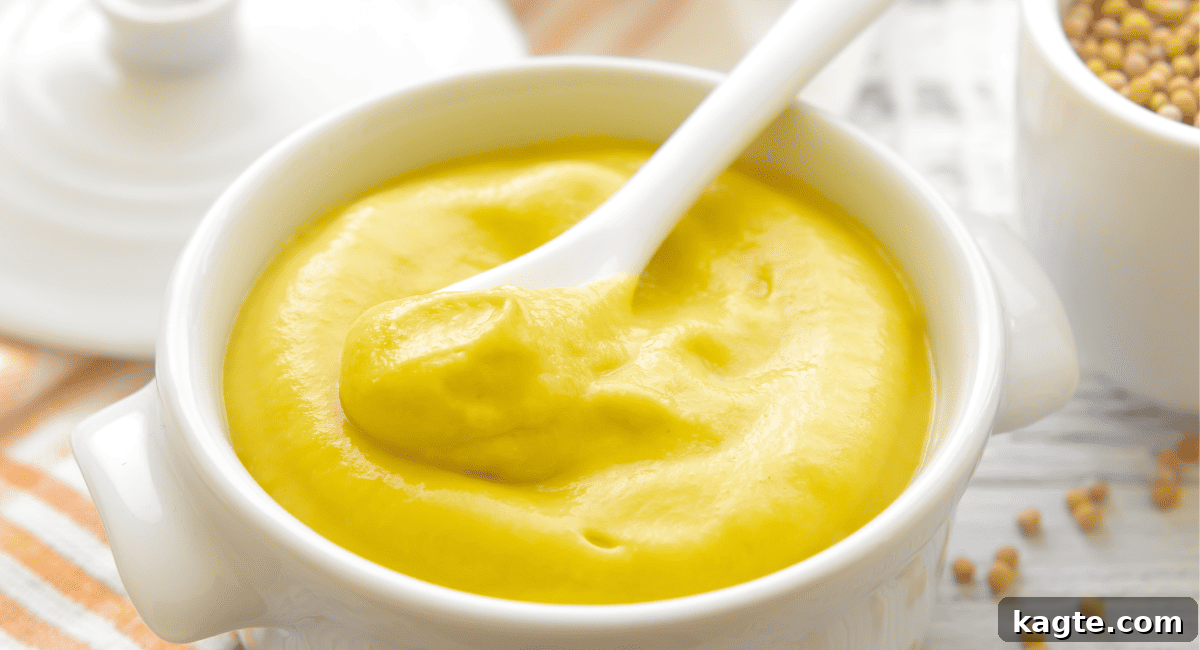
A true kitchen staple, classic yellow mustard is arguably the most common and accessible substitute for Dijon. While it might not possess the sophisticated depth of flavor found in Dijon, its familiar tangy and slightly spicy profile makes it a viable stand-in for many recipes. Yellow mustard is typically milder, made with white vinegar, mustard seed, turmeric (giving it its signature color), and other spices. It’s perfect for applications where Dijon serves primarily as a tangy enhancer, such as in sandwich spreads, salad dressings, or even in sauces for hot dogs and burgers. For a closer match to Dijon’s sharpness, you might want to add a small dash of white wine vinegar or a pinch of dry mustard powder to your yellow mustard. Generally, you can substitute yellow mustard for Dijon in a 1:1 ratio, adjusting to your taste preference.
Curry Paste
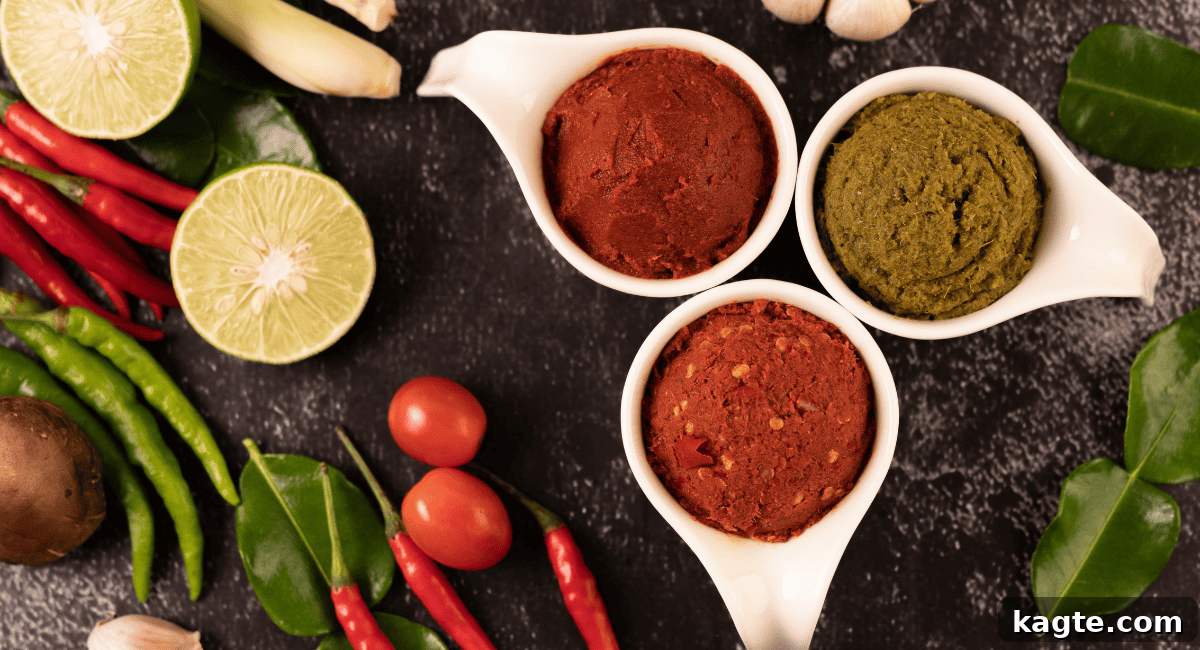
When your recipe calls for Dijon mustard but also benefits from a hint of exotic spice and complex aromatics, curry paste can be an intriguing and flavorful substitute. Available in various types like red, green, or yellow, curry paste offers a rich tapestry of flavors, typically including ingredients such as chilies, lemongrass, galangal, cumin, and coriander. While it won’t replicate Dijon’s distinct mustardy tang, its pungency and spicy kick can provide a similar vibrant lift to dishes. It works exceptionally well in marinades for poultry or fish, stews, creamy sauces, or even vegetable curries where a deep, spicy base is desired. Start with a small amount, perhaps half a teaspoon, and gradually increase to suit your taste, as the intensity can vary greatly between different curry pastes. Consider balancing its richness with a squeeze of lime juice if the recipe also requires acidity.
Honey Mustard
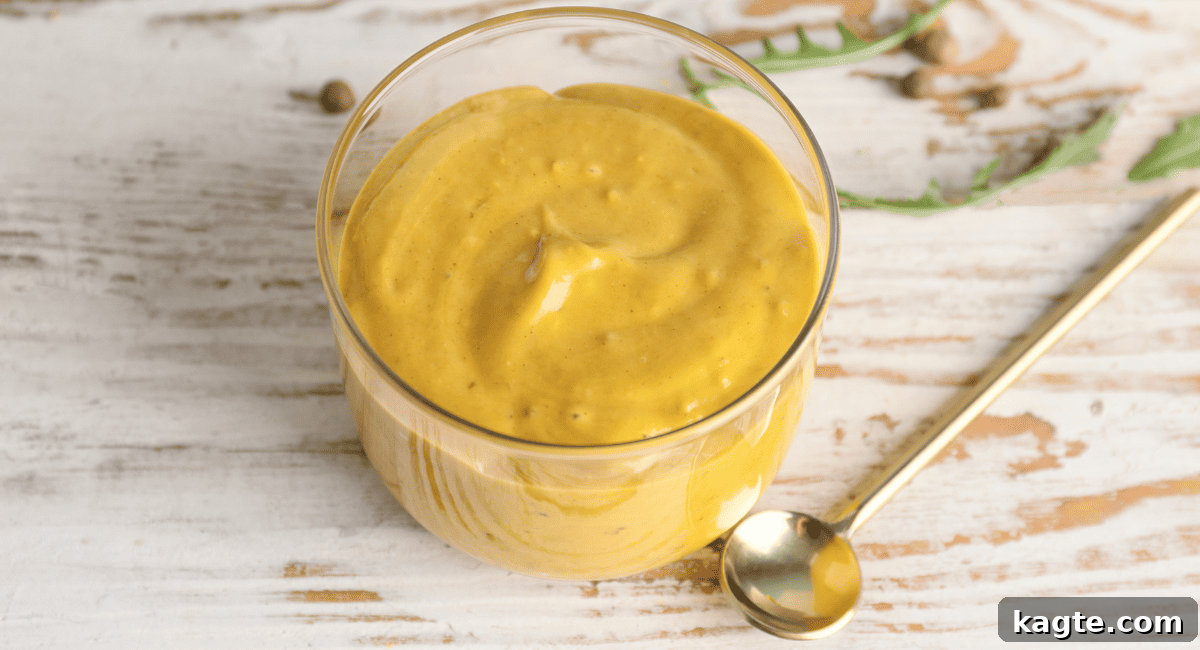
If your recipe could benefit from a touch of sweetness alongside the familiar mustard tang, honey mustard is an excellent alternative to Dijon. This popular condiment combines the zestiness of mustard with the delicate sweetness of honey, creating a harmonious balance that is both comforting and flavorful. It typically uses yellow mustard as its base, resulting in a milder spice profile than Dijon, but the honey adds a beautiful glaze and a less aggressive tang. Honey mustard shines in applications like salad dressings, glazes for chicken or pork, and as a dipping sauce for appetizers. It’s particularly good in recipes where a slightly sweeter finish is welcome. You can generally substitute honey mustard for Dijon in a 1:1 ratio, but be mindful of the added sweetness, which might require slight adjustments to other ingredients in your recipe. If you only have regular mustard and honey, you can easily make your own blend at home.
Horseradish
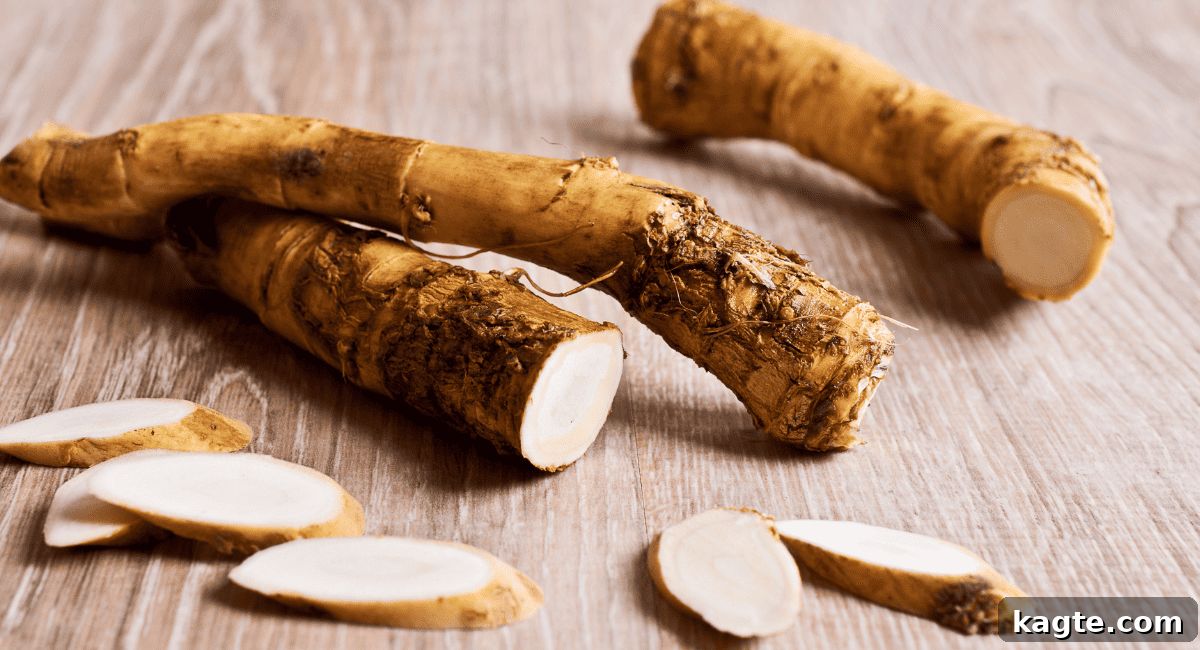
For those who love a serious kick and a bold, pungent flavor, horseradish makes a fantastic and surprisingly effective substitute for Dijon mustard. Known for its intense heat that clears the sinuses, horseradish offers a similar spicy, sharp, and biting quality that Dijon provides, though its flavor profile is distinctly different, lacking the earthy mustard notes. Prepared horseradish, usually found in a jar, has a creamy texture that blends well into various dishes. It excels in applications where Dijon is used to add a fiery punch, such as in creamy sauces, dips, cocktail sauces, or as a condiment for roast beef and other meat dishes. Due to its potent flavor, it’s crucial to use horseradish sparingly. Start with a quarter or half the amount of Dijon called for and adjust to your desired spice level. You might also want to add a touch of vinegar or lemon juice to replicate Dijon’s acidity.
Mayonnaise & Mustard Blend
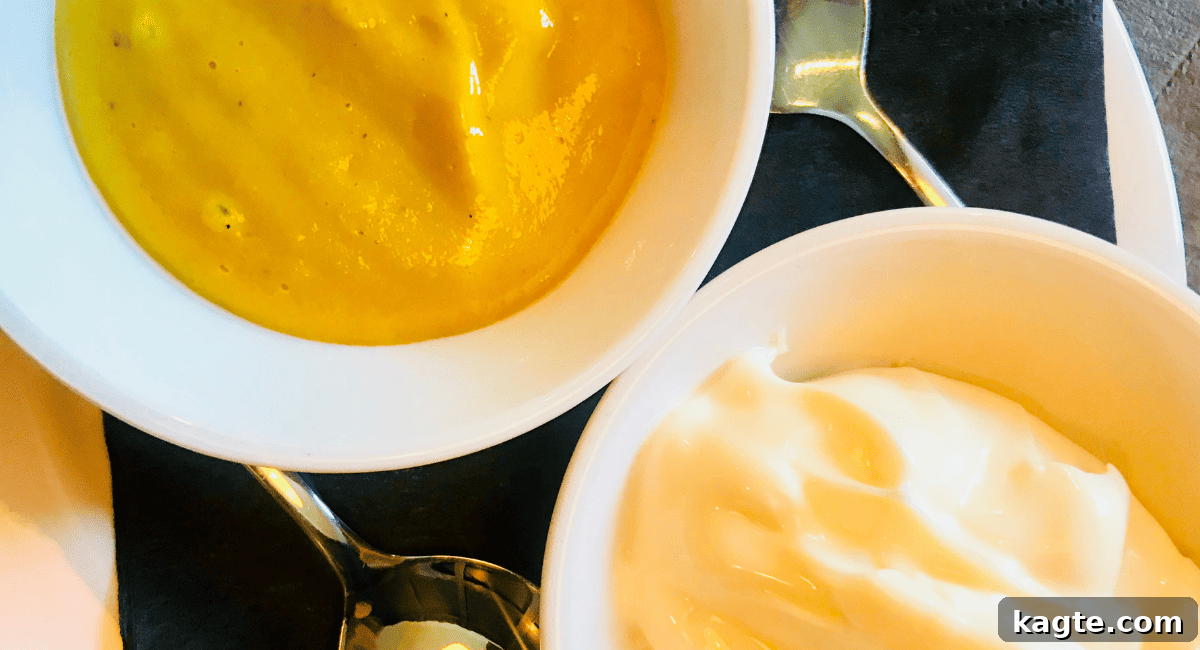
If you’re looking to create a creamy and tangy mixture that closely mimics the texture and a significant portion of the flavor profile of Dijon, combining mayonnaise with a touch of yellow or spicy brown mustard is an excellent DIY solution. This blend provides a rich, emulsified base from the mayonnaise, while the mustard contributes the necessary tang and a hint of spice. The beauty of this substitute lies in its customizability: you can adjust the ratio of mayo to mustard to achieve your desired level of creaminess and tanginess. A common starting point is a 2:1 ratio of mayonnaise to mustard, but feel free to experiment. This blend is particularly effective in sandwich spreads, potato salads, coleslaws, or as a base for creamy salad dressings where Dijon’s emulsifying properties are valued. The mayonnaise also helps to mellow out the mustard’s sharpness, creating a balanced and versatile condiment.
Spicy Brown Mustard
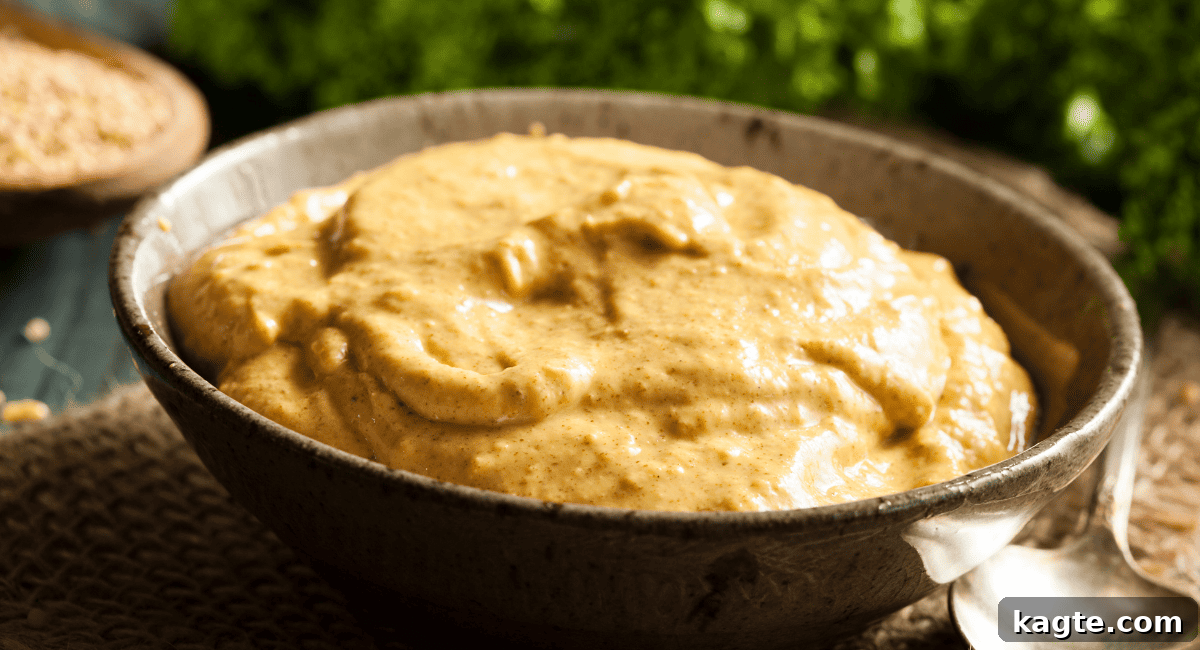
For those who appreciate a robust flavor with a bit more heat than standard yellow mustard, spicy brown mustard is an excellent, readily available substitute for Dijon. Made from brown mustard seeds that are only partially ground, it boasts a coarser texture than creamy Dijon and a more pungent, earthy, and distinctly spicier flavor profile. The vinegar used in its preparation, often a combination of white vinegar and sometimes beer or wine, contributes to its sharp taste. Spicy brown mustard is perfect for enhancing sandwiches, adding depth to marinades for meats like pork or beef, and stirring into stews or glazes. Its more assertive character means it can stand up to strong flavors in your cooking. You can typically substitute spicy brown mustard for Dijon in a 1:1 ratio, but be mindful of its enhanced heat and coarser texture, which might add a rustic element to your dish. It delivers a satisfying warmth without being overwhelmingly hot.
Stone Ground Mustard
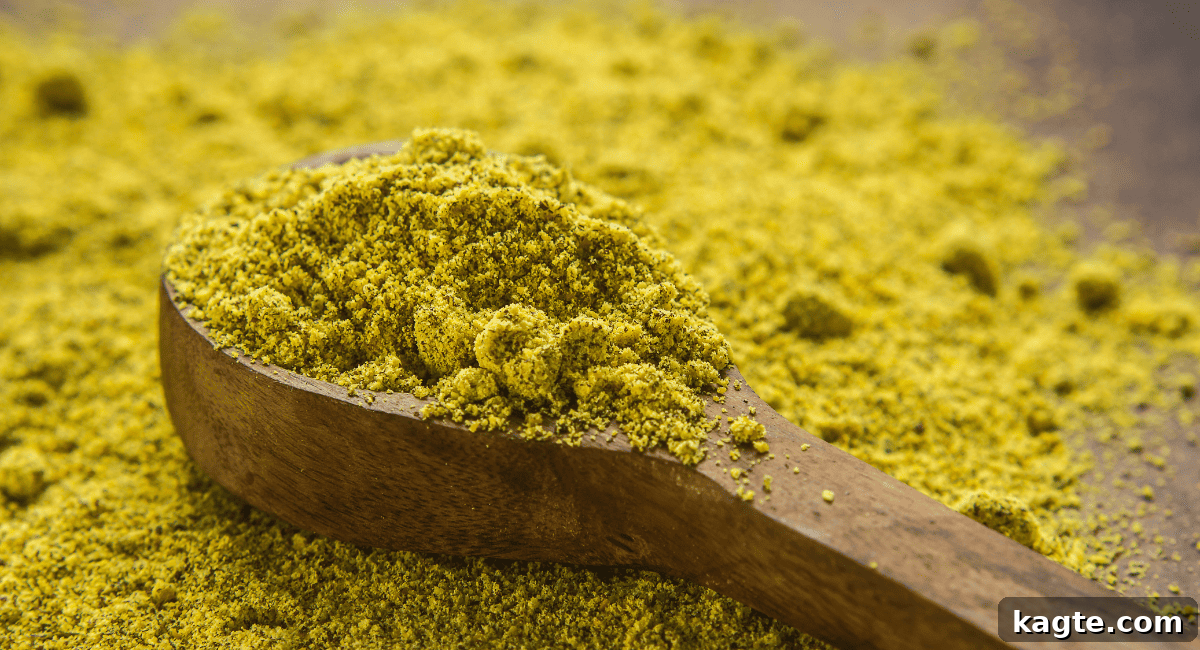
Stone ground mustard is another fantastic option when Dijon is unavailable, offering a rich, earthy flavor and a distinct coarse texture. Unlike the finely ground seeds in Dijon, stone ground mustard features visible, partially crushed mustard seeds, which contribute to its rustic appeal and milder yet robust flavor. It typically has less acidity and pungency than Dijon, making it a smoother and less aggressive choice. This makes it an excellent choice for recipes where Dijon is used as a condiment, like on a charcuterie board or in sandwiches, or as a glaze for roasted meats. Its texture adds visual interest and a pleasant chewiness that can elevate simple dishes. When substituting, use a 1:1 ratio, but you might consider adding a small amount of white wine vinegar or lemon juice if the recipe truly relies on Dijon’s sharper tang. Stone ground mustard is also a great option if you prefer a less intense mustard flavor.
Tahini
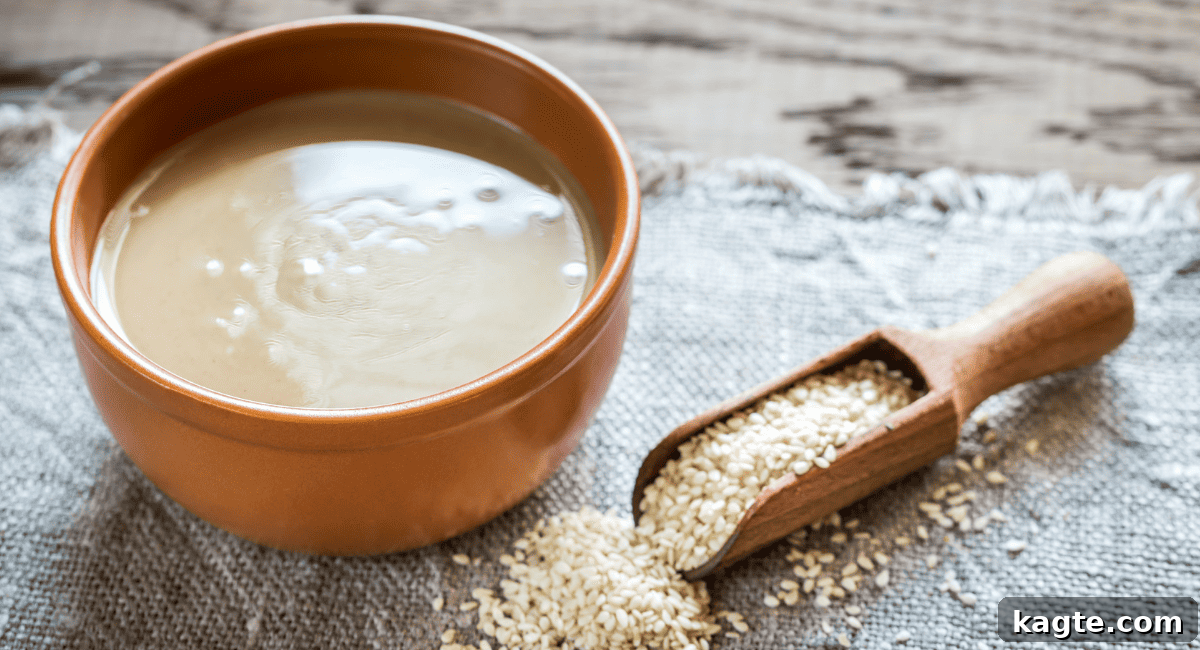
For a unique twist, particularly in vegan or Mediterranean-inspired cooking, tahini can serve as an interesting and effective substitute for Dijon mustard, especially when its emulsifying properties and creamy consistency are key. Tahini, a paste made from ground sesame seeds, offers a distinctive nutty, earthy flavor with a slight bitterness. While it doesn’t replicate Dijon’s sharp tang or spicy kick, its rich, thick texture makes it an excellent base for salad dressings and dips, providing a similar mouthfeel and ability to bind ingredients. To mimic Dijon’s acidity, it’s almost essential to blend tahini with a good squeeze of fresh lemon juice and a touch of salt. You might also add a small amount of garlic powder for an extra layer of flavor. Start with a smaller quantity than Dijon, perhaps half, and gradually add more, along with lemon juice, until you achieve the desired balance. It’s a fantastic option for creating creamy, dairy-free dressings or flavorful hummus variations.
Wasabi
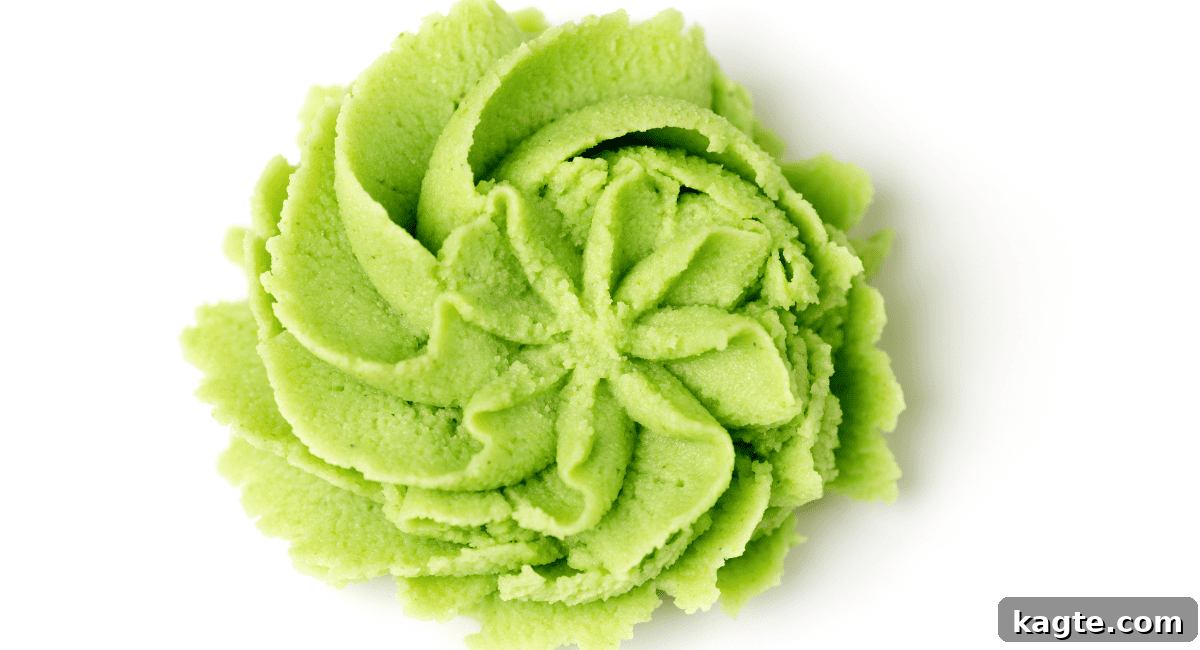
If the primary reason your recipe calls for Dijon is to impart a strong, pungent heat, then wasabi paste is an incredibly potent and effective substitute. Known for its intensely spicy and pungent flavor, wasabi delivers a quick, sharp burst of heat that primarily affects the nasal passages, similar to horseradish or a very strong mustard, but with a unique, slightly vegetal undertone. While it lacks Dijon’s complex acidity and savory depth, its powerful kick can certainly awaken a dish. Wasabi is particularly suitable for applications where Dijon acts as a sharp flavor enhancer, such as in marinades for fish or chicken, creamy sauces for an adventurous twist, or as a spread on sandwiches for an instant fiery sensation. Due to its extreme potency, it is absolutely crucial to use wasabi in very small quantities – far less than the amount of Dijon called for. Start with a tiny dab and increase incrementally until you reach your desired spice level. You may also want to add a dash of vinegar to balance its heat with some acidity.
Whole-grain Mustard
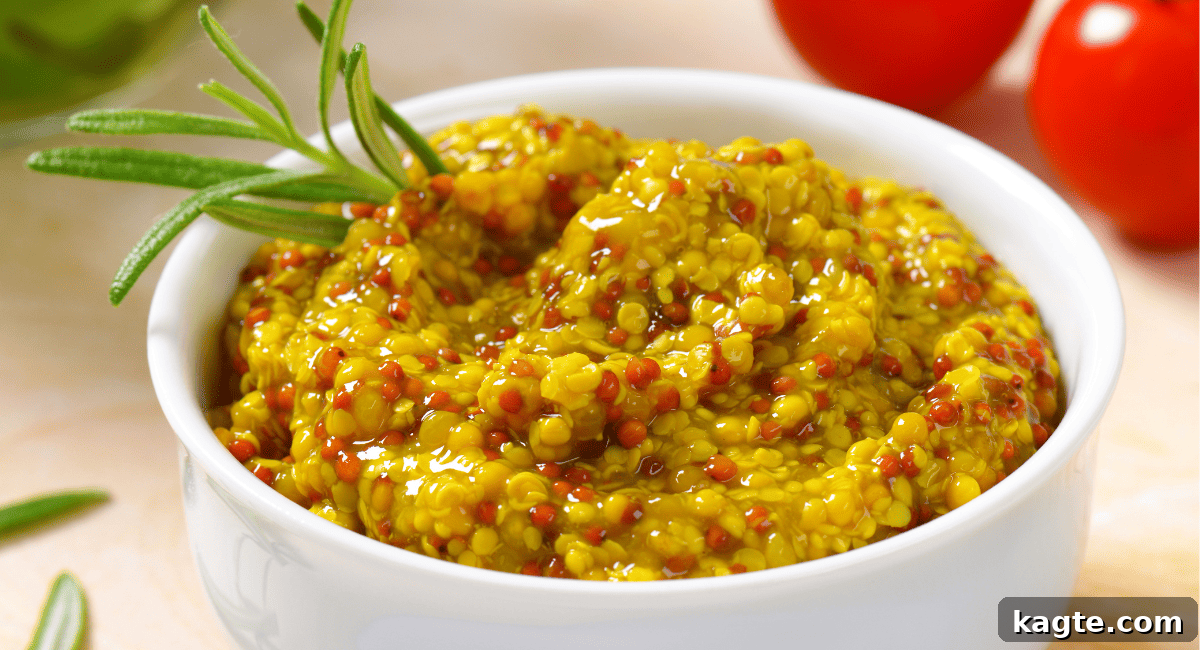
Whole-grain mustard is perhaps the closest relative to Dijon mustard in terms of complexity and flavor profile, making it a superb and versatile substitute. Like Dijon, it is made from mustard seeds and often includes white wine or vinegar, but the key difference is that the mustard seeds are left whole or coarsely crushed, giving it a distinctive textured appearance. This provides a milder initial kick compared to classic smooth Dijon, but with a deeper, more rustic, and complex flavor that develops beautifully. Whole-grain mustard works exceptionally well in virtually any recipe calling for Dijon, especially in salad dressings, robust marinades for meats like pork or lamb, and as a hearty spread on sandwiches or charcuterie boards. It brings a pleasant pop of texture and a less aggressive, yet still tangy and spicy, flavor. You can substitute whole-grain mustard for Dijon in a 1:1 ratio, embracing the textural difference as an enhancement to your dish.
The culinary world is full of possibilities, and a missing ingredient should never halt your creativity. Whether you lean on the familiar tang of yellow mustard, the bold kick of horseradish, or the rustic charm of whole-grain mustard, these substitutes offer fantastic ways to keep your recipes flavorful and exciting. Don’t hesitate to experiment and discover which alternatives best suit your taste and specific dish. Happy cooking!
Frequently Asked Questions (FAQs)
The primary difference lies in their ingredients and preparation. Dijon mustard is traditionally made with brown or black mustard seeds, white wine (or white wine vinegar), water, and salt, sometimes with other spices like turmeric. This gives it a sharp, pungent, and slightly complex flavor profile. Regular yellow mustard, on the other hand, is typically made with white mustard seeds, vinegar, water, salt, and a significant amount of turmeric, which gives it its characteristic bright yellow color and milder, tangier taste. Dijon tends to be more sophisticated and spicier, while yellow mustard is a classic, mellow condiment.
While both are mustards, their tastes are distinct. Dijon mustard has a more pungent, spicier, and often more acidic flavor than the milder, vinegary taste of yellow mustard. The sharpness and complexity of Dijon make it a preferred choice for vinaigrettes, sophisticated sandwich spreads, homemade sauces, creamy dips, or blended into mayonnaise for a gourmet touch. Yellow mustard is less intense, often described as tangy and slightly sweet, making it a common accompaniment for hot dogs and burgers.
Yes, you can make a version of Dijon mustard at home, though replicating the exact traditional flavor can be challenging without specific ingredients. Basic homemade Dijon-style mustard usually involves soaking brown mustard seeds (whole or ground) in white wine or white wine vinegar, then blending them with salt and other spices like allspice or cloves. The mixture is typically allowed to ferment slightly before serving. While it might not be identical to store-bought Dijon, it can be a delicious and rewarding DIY project.
Most pure Dijon mustards are naturally gluten-free, as their traditional ingredients (mustard seeds, white wine/vinegar, salt, water) do not contain gluten. However, it’s always important to check the label, as some brands may include additives, thickeners, or flavorings that could contain gluten. Cross-contamination during processing can also be a concern for individuals with severe gluten sensitivities or celiac disease. When in doubt, look for certified gluten-free labels.
Dijon mustard is incredibly versatile. It’s a core ingredient in classic French vinaigrettes, where its emulsifying properties help bind oil and vinegar. It’s also excellent in marinades for meats (especially pork and chicken), giving them a sharp, savory crust. Creamy sauces, such as béchamel or hollandaise, often incorporate Dijon for an added layer of flavor and to cut through richness. It’s also a fantastic spread for gourmet sandwiches, wraps, and a crucial component in dishes like deviled eggs, potato salad, and many hearty stews.
More Cooking Resources
Discover More Culinary Tips
Cooking Resources
The Best Substitutes for Rice Vinegar
Appetizers
Ways To Eat Spinach Dip (Hot or Cold)
Dessert
Ice Cream Sundae Toppings Bar (BEST Ideas)
Cooking Resources
Best 5 Substitutes for Parmesan Cheese (Pasta, Etc.)
Follow me on Pinterest, Facebook & Instagram.
Shop my Amazon Storefront!
Sign up for my weekly newsletter to get delicious recipes and cooking tips straight to your inbox!