

The 10 Best Feta Cheese Substitutes for Every Dish and Diet
Feta cheese is renowned for its distinct tangy, salty flavor and crumbly texture, making it a beloved ingredient in countless culinary creations, from vibrant Greek salads to savory pasta dishes and appetizers. But what happens when your fridge is unexpectedly bare, or you’re catering to dietary restrictions like dairy-free or vegan preferences? Don’t let a feta shortage or dietary need derail your meal plans! Finding the perfect substitute can elevate your dishes in unexpected ways, introducing new flavors and textures while still achieving that desired Mediterranean flair.
Whether you’re looking for a dairy alternative, a milder flavor profile, or simply an exciting new ingredient to experiment with, this comprehensive guide has you covered. We’ll explore ten fantastic feta cheese substitutes, each bringing its unique characteristics to the table, ensuring you can always enjoy delicious, adaptable meals without compromise. Get ready to discover your next favorite cheese alternative!

Table of Contents
- Halloumi
- Ricotta Cheese
- Cottage Cheese
- Goat Cheese (Chèvre)
- Queso Fresco
- Parmesan Cheese
- Paneer
- Tofu Feta (Vegan)
- Almond Cheese (Dairy-Free)
- Cashew Cheese (Dairy-Free)
- Frequently Asked Questions About Feta Substitutes
- More Culinary Resources
1. Halloumi: The Grilling Wonder
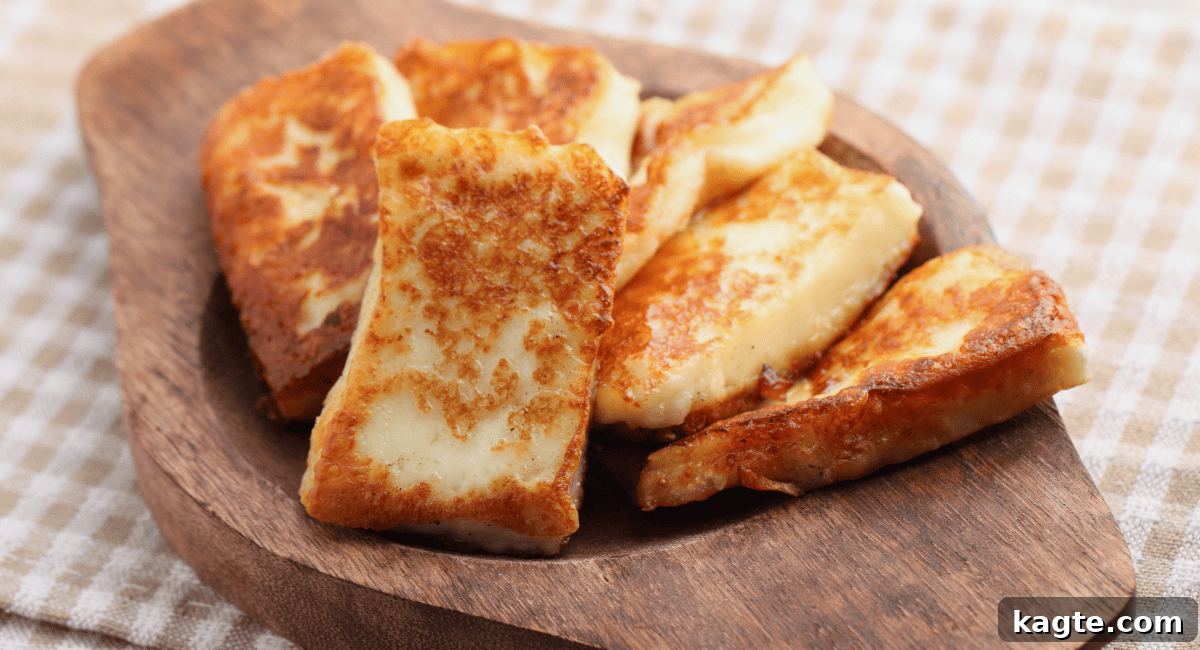
Hailing from Cyprus, Halloumi is a semi-hard, unripened brined cheese traditionally made from a mixture of goat’s and sheep’s milk, though cow’s milk halloumi is also common. What sets halloumi apart is its impressively high melting point, making it ideal for grilling, frying, or baking without losing its shape. When cooked, it develops a delicious golden crust while retaining a unique chewy, “squeaky” texture and a pleasant salty flavor.
While feta crumbles and adds a sharp tang, halloumi offers a more robust, savory experience with a satisfying bite. It’s an excellent substitute for feta in warm salads, wraps, sandwiches, or even as a standalone appetizer. Simply slice and grill or pan-fry until golden brown, then serve alongside fresh vegetables, in a pita with hummus, or as a hearty addition to Mediterranean-inspired bowls. Its firm texture and inherent saltiness make it a fantastic alternative when you want a cheese that truly stands up to heat and provides a textural contrast.
2. Ricotta Cheese: Creamy and Mild
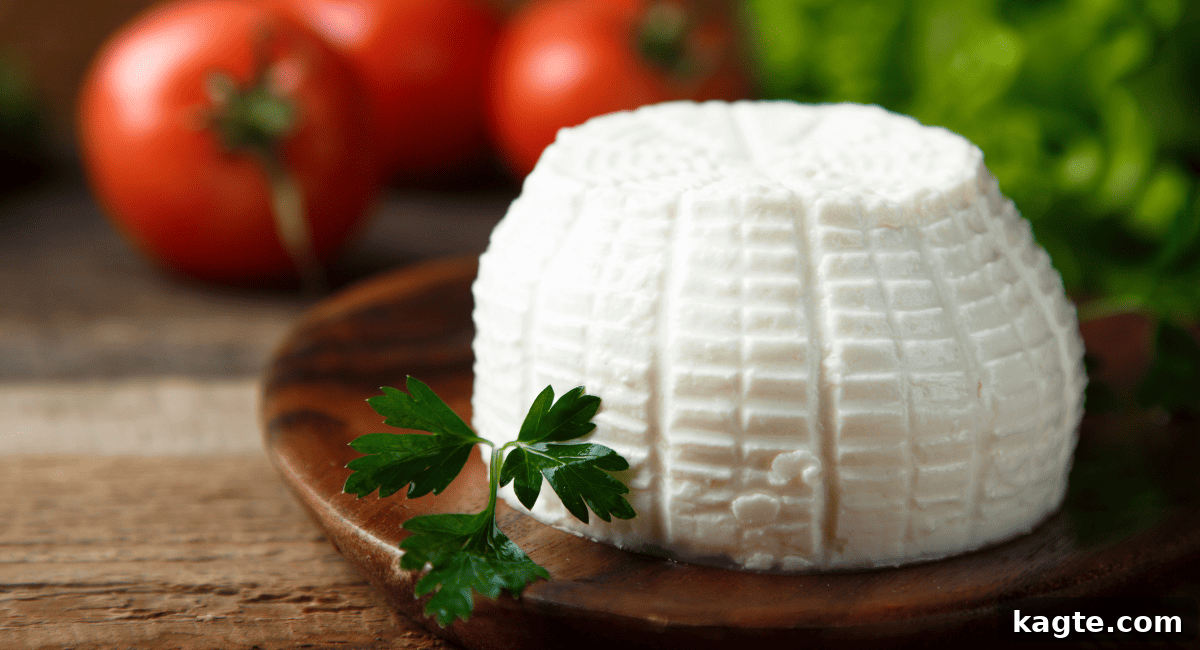
Ricotta, a soft Italian whey cheese, offers a creamy, slightly grainy texture and a wonderfully mild, sweet flavor. Unlike feta’s bold saltiness and tang, ricotta is much lower in sodium and significantly higher in moisture. This makes it a perfect stand-in when you need a gentle, creamy element rather than a sharp, salty punch.
To use ricotta as a feta substitute, consider its applications carefully. It works beautifully in pasta salads, lasagna, stuffed shells, spanakopita (for a creamier filling), bruschetta, and various cheesy pasta dishes where its soft texture can meld seamlessly. For a flavor profile closer to feta, you can easily enhance ricotta by stirring in a pinch of salt, a squeeze of fresh lemon juice, and finely chopped fresh herbs like dill or parsley. This simple trick adds that much-needed tangy and herbaceous note, transforming it into a more compelling feta alternative, especially in dishes where it’s mixed rather than crumbled.
3. Cottage Cheese: Light and Versatile
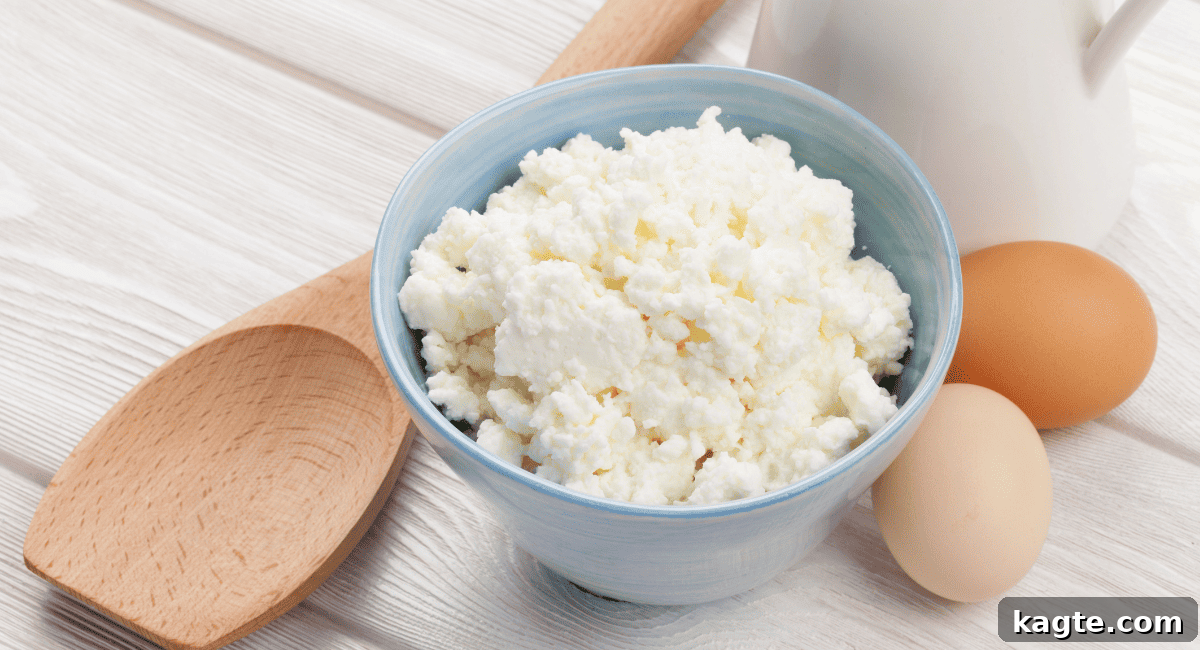
Often overlooked, cottage cheese is a versatile and healthy option, especially if you’re seeking a lower-fat, higher-protein alternative to feta. Its characteristic curds and mild, fresh flavor differ significantly from feta’s sharpness. However, its creamy texture and ability to absorb flavors make it a surprisingly effective substitute in certain contexts.
While it won’t replicate feta’s crumbly texture or intense tang directly, cottage cheese can be an excellent base for dips, spreads, or even as a creamy filling in dishes like stuffed peppers or baked potatoes. To mimic feta’s essence, try combining cottage cheese with a touch of olive oil, lemon juice or red wine vinegar, minced garlic, dried oregano, and a generous pinch of salt. For a smoother consistency, you can even blend it briefly. This concoction can be crumbled over salads, used in wraps, or served as a creamy side, offering a lighter yet satisfying alternative that adds richness without the strong bite of feta.
4. Goat Cheese (Chèvre): Tangy and Earthy
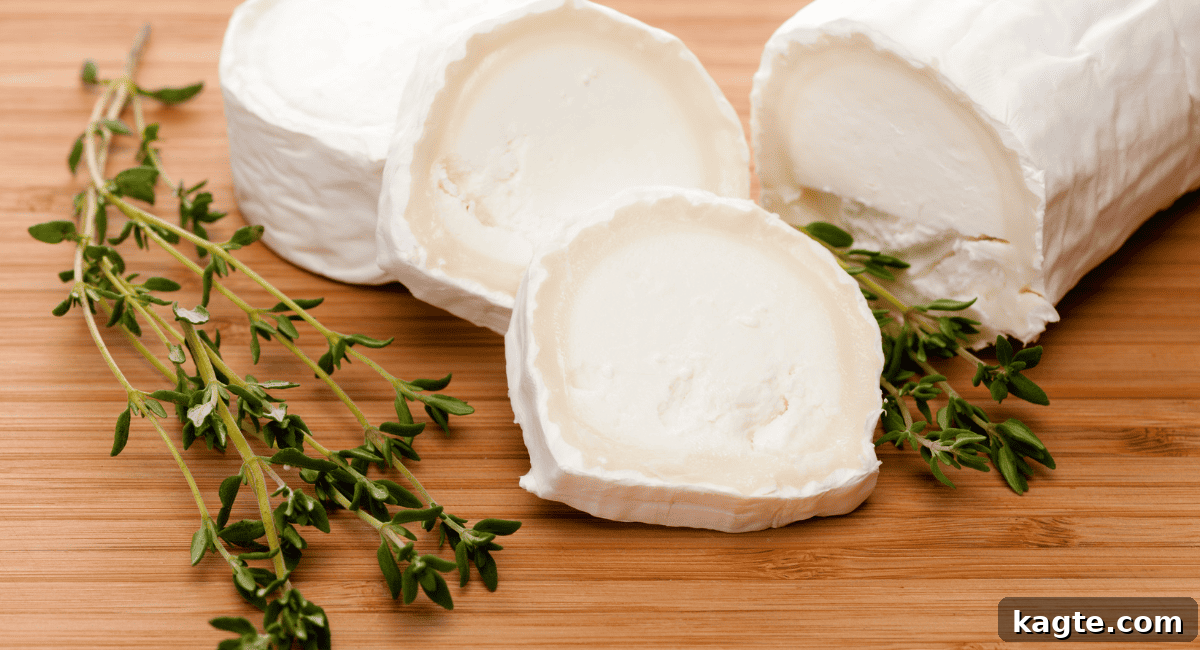
Goat cheese, also known as chèvre (French for goat), is arguably one of the best and most flavorful substitutes for feta due to its similar tangy profile and crumbly nature. It shares feta’s refreshing tartness but often comes with a distinct earthy, sometimes slightly “goaty” flavor that many find incredibly appealing. Its texture varies from soft and spreadable logs to firmer, aged varieties that can be easily crumbled.
Goat cheese crumbles beautifully over salads, pizzas, pasta, roasted vegetables, and tarts, much like feta. The tanginess pairs exceptionally well with fresh herbs, honey, fruits (especially figs and berries), and balsamic glazes, creating sophisticated flavor combinations. If you find feta a bit too salty, goat cheese can be a milder yet equally flavorful alternative, offering a gourmet touch to your dishes. Its versatility means it can be used in almost any recipe calling for crumbled feta, providing a delightful and nuanced flavor experience.
5. Queso Fresco: Mexican Freshness
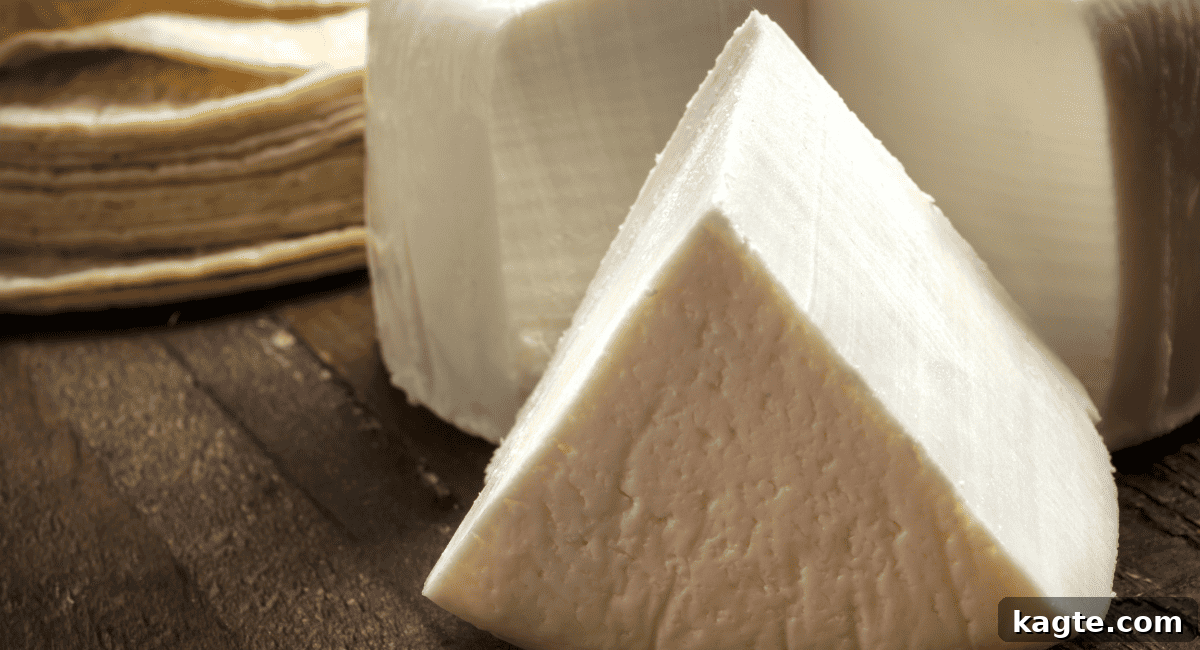
Hailing from Mexico, Queso Fresco translates to “fresh cheese,” and it lives up to its name. This soft, white, unaged cheese is characterized by a mild, fresh, and slightly salty flavor with a pleasant tang, making it an excellent and frequently overlooked substitute for feta cheese. Its crumbly texture is very similar to feta, though it’s typically less salty and less pungent.
Queso Fresco is exceptionally versatile. It holds its shape well when heated, softening without fully melting, which is a desirable quality similar to feta. It’s perfect for sprinkling generously over tacos, enchiladas, burritos, salads, and soups, adding a refreshing contrast to spicy or savory dishes. Its mildness allows other flavors to shine through, making it a wonderful finishing cheese that brightens any meal. If you enjoy the textural aspect of feta but prefer a less intense flavor, Queso Fresco is a superb choice that adds an authentic, fresh touch to a wide range of recipes, particularly those with a Latin American influence.
6. Parmesan Cheese: Salty and Umami-Rich
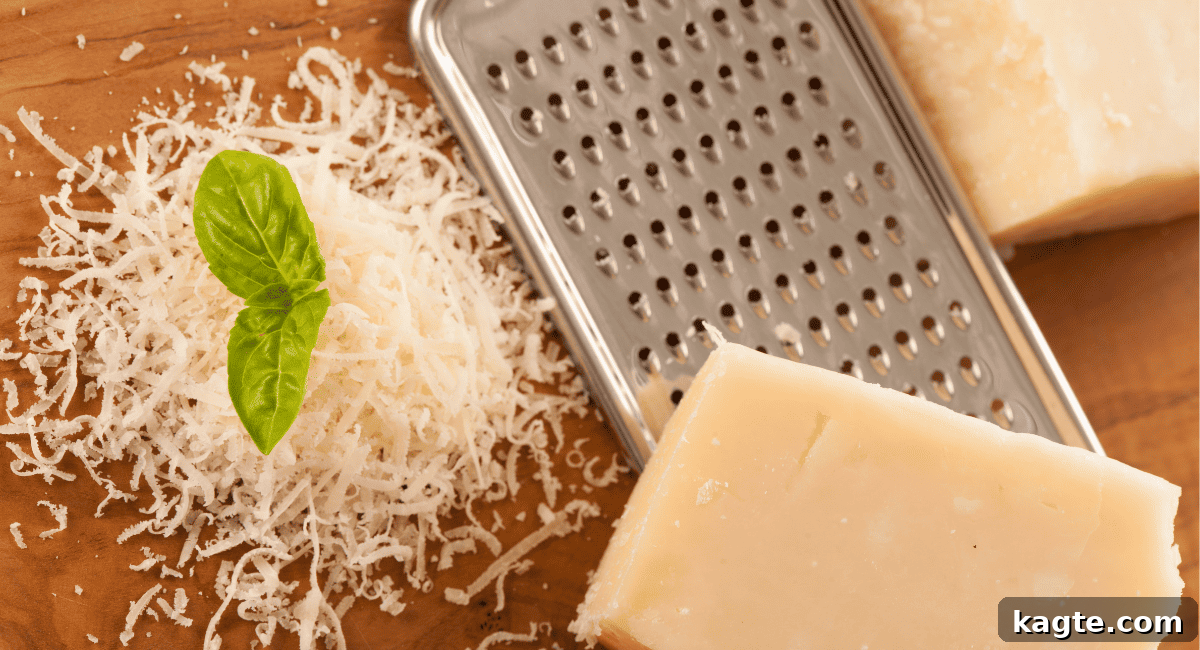
Parmesan cheese, a hard, granular Italian cheese, might seem like an unconventional substitute for crumbly feta, but its intense salty, tangy, and nutty flavor profile makes it a surprisingly effective alternative in many dishes. While its texture is much firmer and more crystalline than feta, it offers a comparable savory depth and a distinct umami kick that can truly enhance your recipes.
When using Parmesan as a feta substitute, consider how you’ll incorporate it. Instead of large crumbles, finely grated or shaved Parmesan works best. It adds a similar burst of salty flavor to pasta, pizzas, salads, and soups. It’s particularly effective in cooked dishes where its flavor can infuse throughout, or as a garnish where a sharp, salty counterpoint is desired. For the best flavor, bring Parmesan to room temperature before serving. While it won’t replicate feta’s soft crumble, its robust flavor makes it an excellent choice for adding a sophisticated, salty punch to your meals, especially in Mediterranean-inspired or Italian-fusion cuisine.
7. Paneer: Firm and Flavor-Absorbing
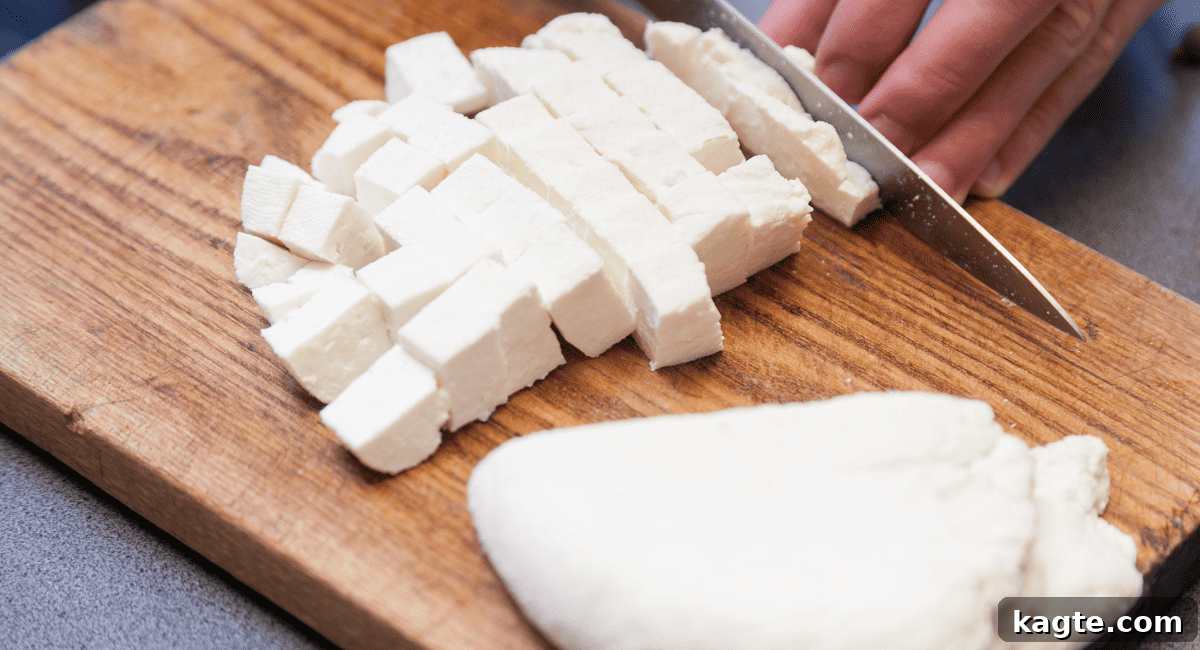
Paneer, a fresh, non-melting cheese popular in Indian and South Asian cuisine, offers a mild, milky taste and a firm, somewhat spongy texture. While it lacks the characteristic tanginess and saltiness of feta, its ability to hold its shape when cooked and readily absorb flavors makes it a unique and valuable substitute, especially if you’re looking for a cheese that adds substance and protein.
Unlike feta, paneer doesn’t crumble easily, but it can be cubed or sliced and then fried, grilled, or added directly to curries, stir-fries, and grilled skewers. Its mild flavor acts as a blank canvas, allowing it to take on the spices and sauces of your dish. To make paneer a more “feta-like” substitute, consider marinating it in a mixture of lemon juice, olive oil, salt, and herbs like oregano and mint before cooking. This will infuse it with a Mediterranean zest that can stand in for feta’s classic profile, adding a creamy richness and satisfying chewiness to your meals without overpowering other ingredients.
8. Tofu Feta (Vegan): The Plant-Based Game-Changer
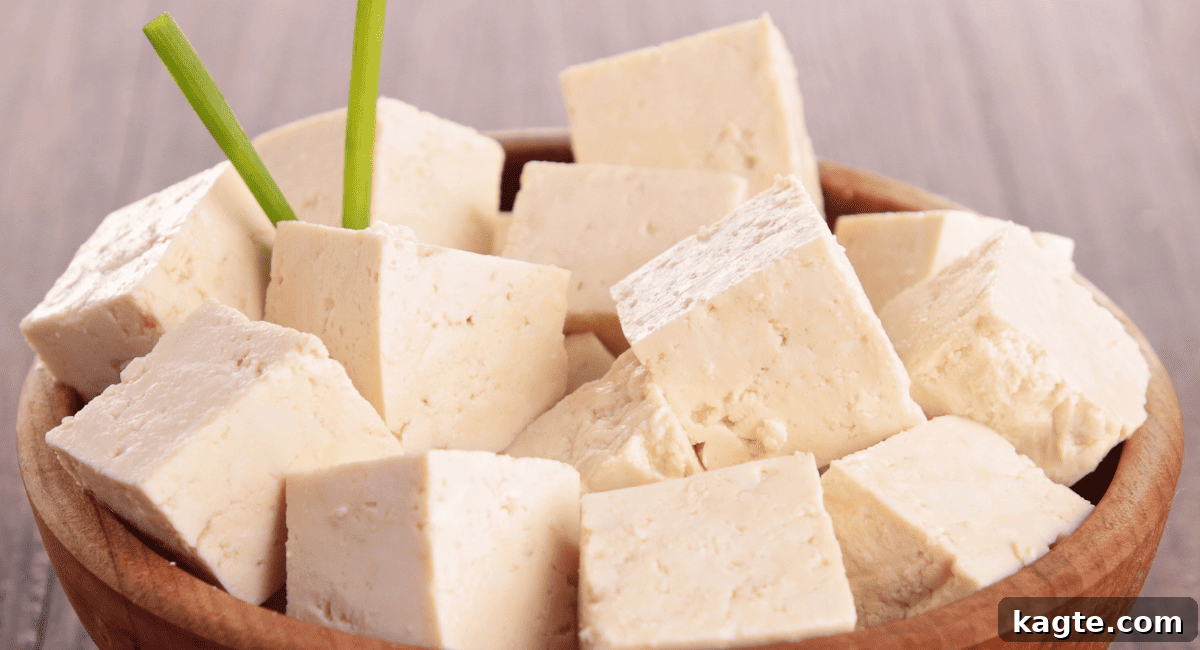
For those following a vegan or dairy-free diet, tofu feta is an absolute game-changer. This ingenious plant-based alternative brilliantly mimics the tangy taste and crumbly texture of traditional feta using firm or extra-firm tofu as its base. It’s not just a substitute; it’s a culinary marvel that opens up a world of possibilities for plant-based Mediterranean dishes.
Creating tofu feta involves pressing the tofu to remove excess water, then marinating it in a flavorful brine. Key ingredients often include olive oil for richness, lemon juice or apple cider vinegar for tang, minced garlic for depth, dried oregano and other Mediterranean herbs for authenticity, and nutritional yeast for a cheesy, umami boost. A touch of salt is essential to replicate feta’s signature brininess. Once marinated, the tofu can be crumbled, cubed, or sliced and used just like conventional feta—in salads, wraps, grain bowls, on pizzas, or as a delightful topping for avocado toast. It offers a satisfying texture and a tangy, savory flavor that will impress even the most discerning palate, proving that going dairy-free doesn’t mean sacrificing flavor.
9. Almond Cheese (Dairy-Free): Nutty and Versatile
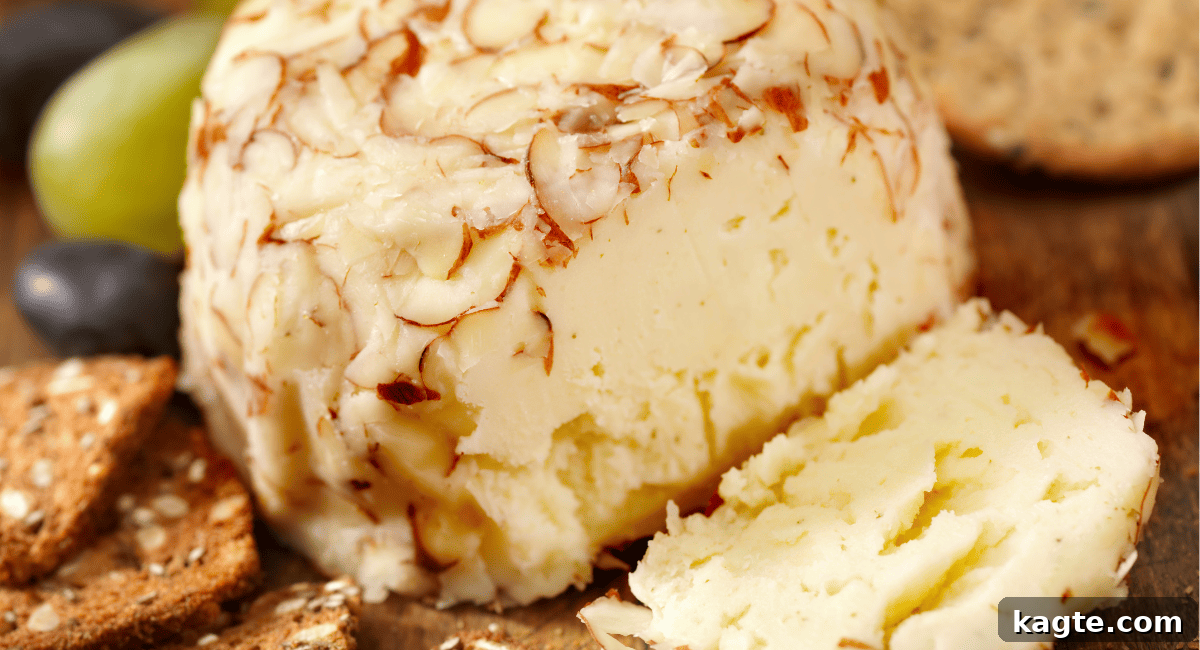
When seeking a truly dairy-free and lactose-free feta cheese alternative, almond cheese emerges as a fantastic option. Made from blanched almonds, this plant-based cheese can be crafted to achieve various textures, from soft and spreadable to firm and sliceable, depending on the preparation. Its inherent nutty flavor offers a delightful complexity that works well in many dishes.
Commercially available almond cheeses often come in block or crumble form and are specifically formulated to have a tangy, salty profile reminiscent of feta. If making it at home, blanched almonds are typically blended with ingredients like lemon juice, apple cider vinegar, salt, nutritional yeast, and sometimes a probiotic to develop a fermented, cheesy flavor. Almond cheese can be crumbled over salads, melted on pizza, layered in wraps, or used in sandwiches, providing a creamy, tangy, and satisfying experience without any dairy. However, it’s crucial to remember that almond cheese is a nut-based product, so individuals with nut allergies should definitely steer clear and opt for other alternatives like tofu feta or seed-based cheeses.
10. Cashew Cheese (Dairy-Free): Creamy and Rich
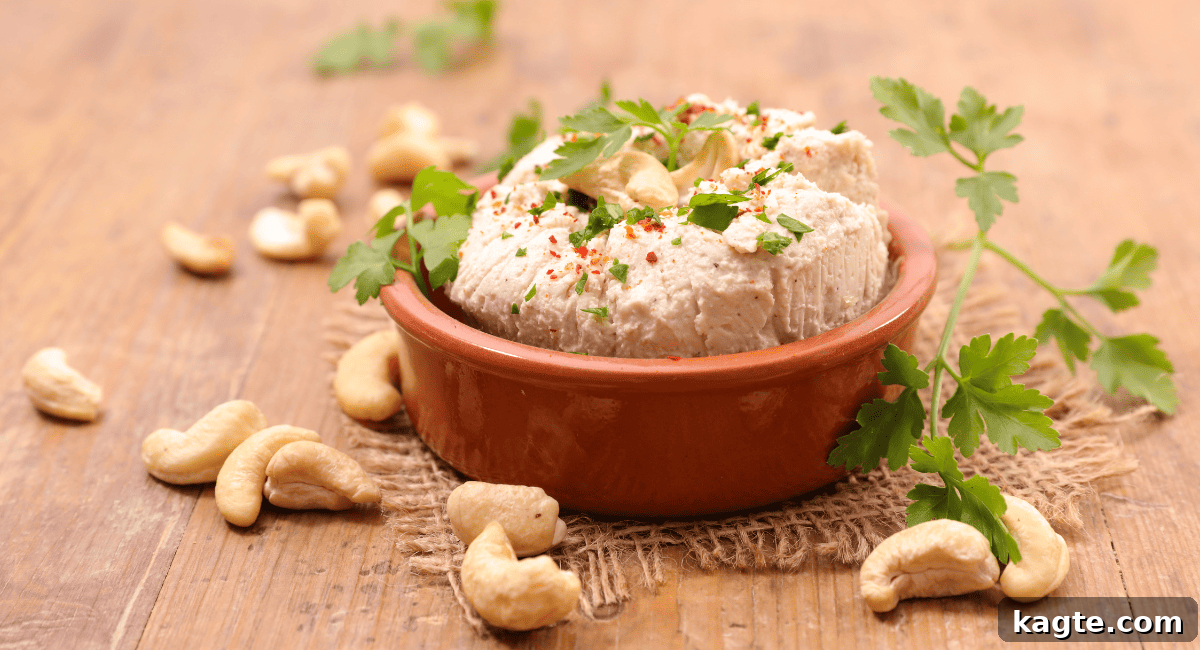
Another incredible dairy-free and vegan alternative, cashew cheese, has gained immense popularity for its rich, creamy texture and ability to mimic a wide range of dairy cheeses, including a convincing feta substitute. Cashews are naturally buttery and mild, providing an excellent base for creating a smooth, luxurious cheese that can be flavored to perfection.
To make cashew feta, raw cashews are typically soaked until softened, then blended with lemon juice or apple cider vinegar for tang, nutritional yeast for a cheesy flavor, garlic powder for depth, and salt for brininess. The result is a creamy, tangy cheese that can be molded, spread, or even crumbled once chilled. Its versatility is remarkable: use it as a creamy spread for crackers or sandwiches, a tangy dip for veggies, or even as a flavorful stuffing for olives or mushrooms. With its rich mouthfeel and adaptable flavor, cashew cheese provides a wonderfully satisfying and wholesome alternative to feta for anyone seeking plant-based options, adding a gourmet touch to any dish it graces.
Whether you’re exploring dairy-free options, looking for a unique flavor twist, or simply in a pinch without your favorite block of feta, this guide offers a diverse range of substitutes to suit every palate and dietary need. Don’t be afraid to experiment! Each alternative brings its own character to the table, inviting you to discover new culinary favorites and enhance your recipes in exciting ways. Happy cooking!
Frequently Asked Questions About Feta Substitutes
While Greek feta is the most widely known, often made from sheep’s milk or a blend with goat’s milk, other delicious varieties include Bulgarian feta (typically saltier and creamier) and French feta (often milder and firmer, sometimes made with cow’s milk).
It’s a good idea to rinse feta that’s packed in brine just before serving. This helps to remove any excess salt from the surface, allowing the cheese’s natural tangy flavor to shine through without being overwhelmingly salty.
Tofu Feta is widely considered the best dairy-free alternative for a Greek salad. When properly marinated with olive oil, lemon juice, herbs, and salt, it perfectly mimics both the tangy flavor and crumbly texture of traditional feta, making your salad indistinguishable from its dairy counterpart.
Most of these substitutes are versatile for both hot and cold dishes. Halloumi and Paneer are exceptional for cooking as they hold their shape beautifully. Ricotta and Cottage Cheese blend well into cooked sauces or fillings. Goat cheese, Queso Fresco, Parmesan, Tofu Feta, and nut-based cheeses are excellent for both raw applications (salads, garnishes) and can often be gently heated or baked into dishes, adding flavor without melting completely (Queso Fresco) or turning into liquid (nut cheeses typically soften).
When substituting, consider the original role of feta in the recipe: was it for saltiness, tang, creaminess, or a specific texture? If using a milder cheese like ricotta or paneer, you might need to add a pinch more salt, a squeeze of lemon juice, or a dash of vinegar to boost the tang. For a softer cheese like cottage cheese, draining it well or blending it might be necessary. Taste as you go, and don’t be afraid to adjust seasonings to achieve the desired balance.
More Culinary Resources to Explore
You Might Also Like
Cooking Resources
The Best Substitutes for Rice Vinegar
Appetizers
Ways To Eat Spinach Dip (Hot or Cold)
Dessert
Ice Cream Sundae Toppings Bar (BEST Ideas)
Cooking Resources
Best 5 Substitutes for Parmesan Cheese (Pasta, Etc.)
Follow me on Pinterest, Facebook & Instagram.
Shop my Amazon Storefront!