
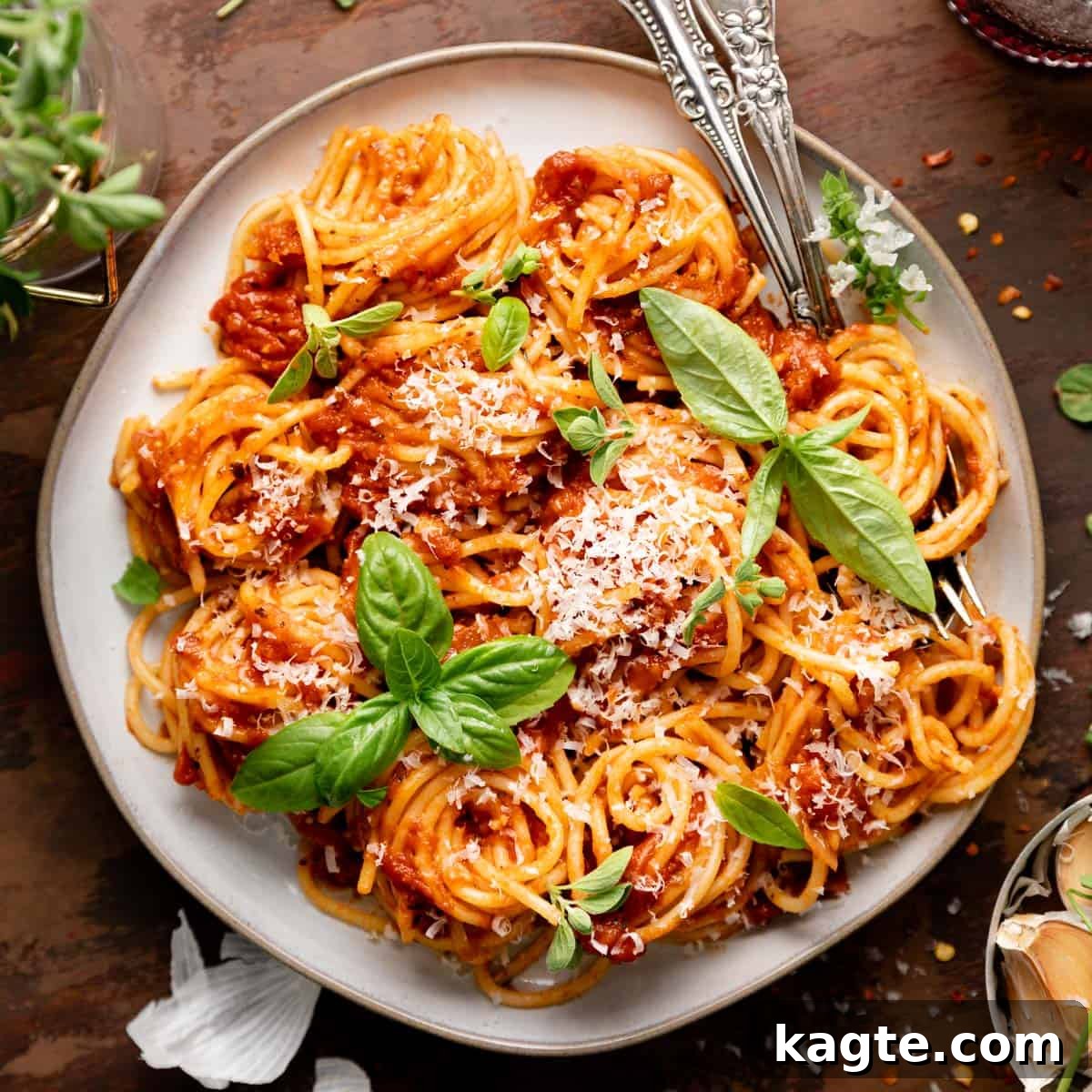
There’s nothing quite like a rich, slow-simmered homemade marinara sauce to elevate your favorite Italian dishes. This **Hearty Marinara Sauce** recipe isn’t just a sauce; it’s a versatile culinary staple designed for easy batch preparation and freezing, ensuring you always have authentic, delicious flavor on hand. Crafted from a foundation of humble, high-quality ingredients, this sauce truly comes alive with robust flavors that speak to the soul of Italian cooking. Imagine the sweet, vibrant burst of whole San Marzano tomatoes, mingling with aromatic garlic, fragrant herbs, a touch of red wine, and the unexpected depth of a parmesan rind. This irresistible combination creates a sauce that’s perfect on pasta, an essential component in comforting casseroles, a savory dipping companion, or simply the star of your next family meal. Prepare to transform your kitchen into an Italian trattoria with this deeply satisfying and endlessly adaptable marinara.
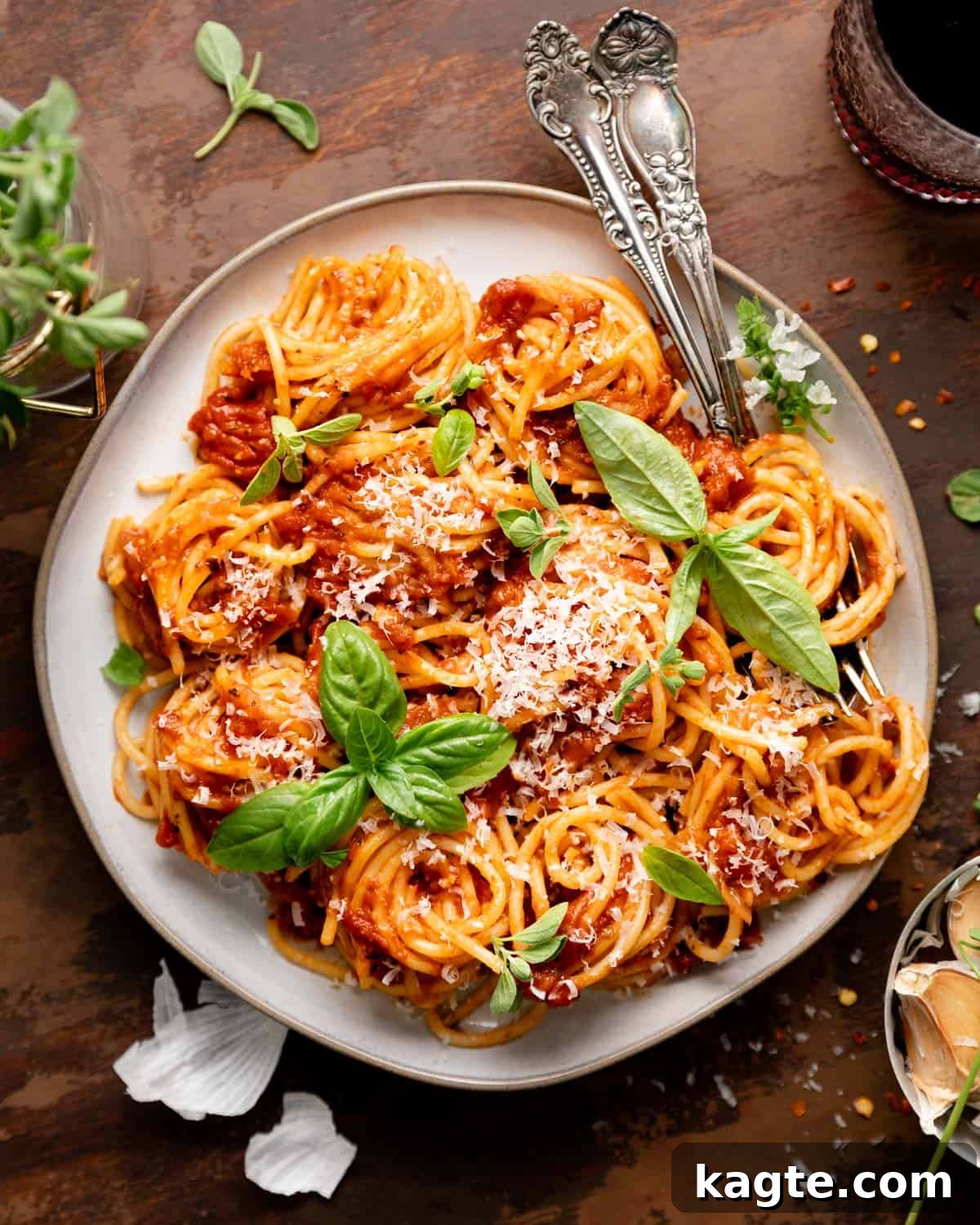
Enhance your pasta nights with other delightful homemade sauces. For a truly luxurious experience, try the best sauce for lobster ravioli. And for a comforting classic, use this hearty marinara to create my Easy Cheesy Baked Spaghetti.
Table of Contents
- Introduction to Homemade Marinara
- Why This Marinara Shines
- Essential Ingredients & Notes
- Step-by-Step Cooking Guide
- Make Ahead & Storage Tips
- Expert Cooking Advice
- Understanding Your Sauce
- Creative Variations
- Common Questions Answered
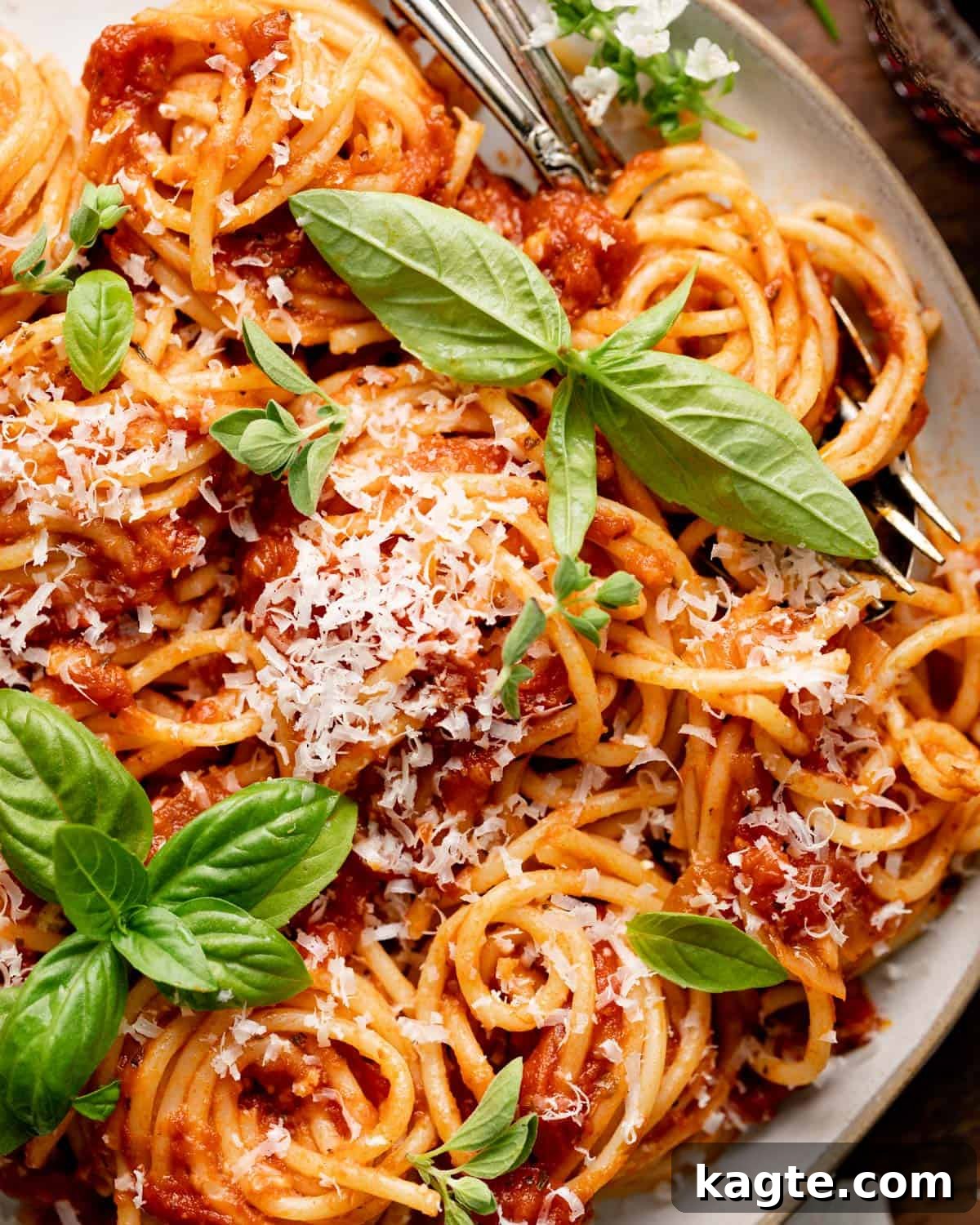
- Versatile Uses for Marinara
- Related Culinary Adventures
- Hearty Marinara Sauce Recipe
Introduction to Homemade Marinara
Making marinara sauce from scratch is a rewarding experience that elevates any home-cooked meal. This particular recipe for Hearty Marinara Sauce isn’t just about mixing ingredients; it’s about a slow, deliberate simmer that allows flavors to meld and deepen, resulting in a sauce far superior to anything you can buy in a jar. We focus on simplicity and quality, proving that extraordinary taste doesn’t require complex techniques or obscure ingredients. From the moment the aromatics hit the pan, your kitchen will fill with an inviting fragrance, promising a meal that’s both comforting and gourmet. This sauce is designed to be your culinary backbone, a dependable staple that can transform simple weeknight dinners into memorable feasts.
Why This Marinara Shines
This Hearty Marinara Sauce stands out for several compelling reasons, making it a must-have in your recipe repertoire:
-
Effortlessly Simple: Despite its rich flavor, this marinara is incredibly easy to prepare. With straightforward steps, even novice cooks can achieve remarkable results, building confidence in the kitchen.
-
Freezer and Batch Prep Friendly: Its robust nature makes it ideal for preparing large batches and freezing for later use. This not only saves time on busy days but also ensures you always have a gourmet base for countless meals.
-
Rich in Aromatics: Generous amounts of fresh garlic and sweet onion form the flavorful foundation, sautéed until fragrant to release their full potential, contributing to the sauce’s complex depth.
-
Perfectly Balanced Sweetness: A touch of sugar is added not to make the sauce sweet, but to perfectly balance the natural acidity of the tomatoes. This subtle addition rounds out the flavors, creating a harmonious and well-rounded taste profile.
-
Incredibly Versatile: This marinara is a true chameleon in the kitchen. It’s fantastic with all types of pasta, transforms everyday casseroles into something special, makes a delicious spread for sandwiches, and serves as an excellent dipping sauce.
-
Crafted with Premium Tomatoes: The secret to its vibrant flavor lies in the use of high-quality San Marzano tomatoes. These plum tomatoes are celebrated for their rich, less acidic profile, providing the perfect base for an authentic Italian sauce.
-
Economical and Superior: Making your own marinara is not only more satisfying but also often less expensive than purchasing comparable quality store-bought sauces. Plus, you control all the ingredients, ensuring a healthier option.
-
Enhanced Flavor Boosters: A splash of red wine adds a layer of sophisticated depth, while a parmesan rind, slowly dissolving as the sauce simmers, infuses it with an umami richness that makes it truly irresistible.
Essential Ingredients & Notes
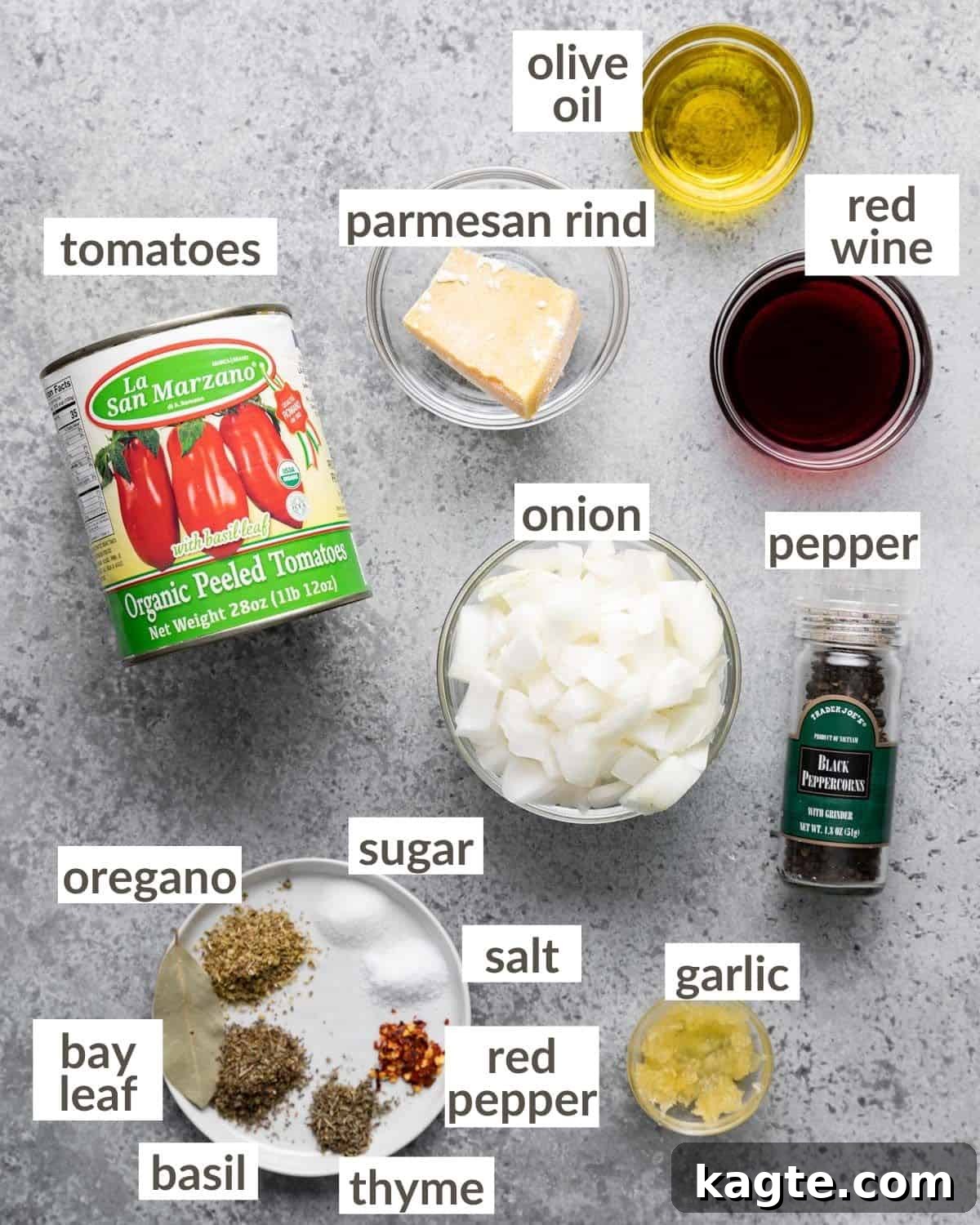
The beauty of this marinara lies in its reliance on a few key, high-quality ingredients. Here’s what you’ll need and some specific notes to ensure the best results:
-
Red Wine: A dry red wine like a Cabernet Sauvignon or Merlot adds a wonderful depth and complexity to the sauce, helping to deglaze the pan and incorporate rich flavors. However, if you prefer to cook without alcohol, you can simply omit it or substitute with an equal amount of vegetable broth. The sauce will still be delicious!
-
Parmesan Rind: This might seem like an unusual addition, but a parmesan rind is a secret weapon for adding an incredible depth of umami and cheesy richness to your sauce. You can often find these in the specialty cheese section of your grocery store, sometimes in a designated bin with smaller pieces of cheese and rinds. If not available separately, purchase a wedge of high-quality Parmesan Reggiano and simply cut off the rind. Be sure to remove it before serving!
-
Sugar: The amount of sugar is crucial for balancing the natural acidity of the tomatoes. Depending on the sweetness of your tomatoes and your personal preference, you may want to adjust this amount. Start with the recommended quantity and taste as the sauce simmers, adding more if you find it too tart. It’s not meant to make the sauce sweet, but to enhance and round out all the other flavors.
-
San Marzano Whole Peeled Tomatoes: This is arguably the most important ingredient. San Marzano tomatoes, specifically those grown in the Agro Sarnese-Nocerino region of Italy, are renowned for their sweet flavor, low acidity, and thick flesh. Using whole peeled tomatoes allows you to crush them by hand or with the back of a spoon during simmering, giving you a beautiful, rustic texture. Look for cans labeled “D.O.P.” for authentic quality.
-
Fresh Garlic and Onion: These aromatics are the soul of the sauce. Finely dicing the onion and pressing or mincing the garlic ensures their flavors are fully released and distributed throughout the sauce without large chunks dominating. Sautéing them slowly until translucent and fragrant builds a crucial flavor base.
-
Dried Herbs (Oregano, Basil, Thyme): Using dried herbs here is perfect as they release their flavors over a long simmer. Good quality dried herbs will infuse the sauce with classic Italian notes. If you wish to use fresh herbs, add them towards the end of the cooking process to preserve their brightness.
-
Red Pepper Flakes: These add a subtle warmth and a gentle kick that enhances the overall flavor profile without making the sauce overtly spicy. It’s a classic Italian addition that adds depth.
Step-by-Step Cooking Guide
Overview
- Sauté onions and garlic in olive oil until aromatic.
- Deglaze with red wine, then add tomatoes, parmesan rind, bay leaf, and sugar.
- Slowly simmer to develop rich, deep flavors.
Detailed Instructions
Step 1: Build the Flavor Base. In a medium saucepan or Dutch oven, heat the olive oil over medium heat. Add the diced onions and sauté gently for 8-10 minutes, stirring occasionally, until they are very soft, translucent, and just beginning to turn golden. This slow sautéing is crucial for developing a sweet, foundational flavor for your sauce.
Step 2: Infuse with Aromatics and Spices. Add the pressed or minced garlic along with dried oregano, dried basil, dried thyme, red pepper flakes, salt, and freshly cracked black pepper. Sauté for another 1-2 minutes, stirring constantly, until the spices are wonderfully fragrant. Be careful not to burn the garlic, as this can make it bitter.
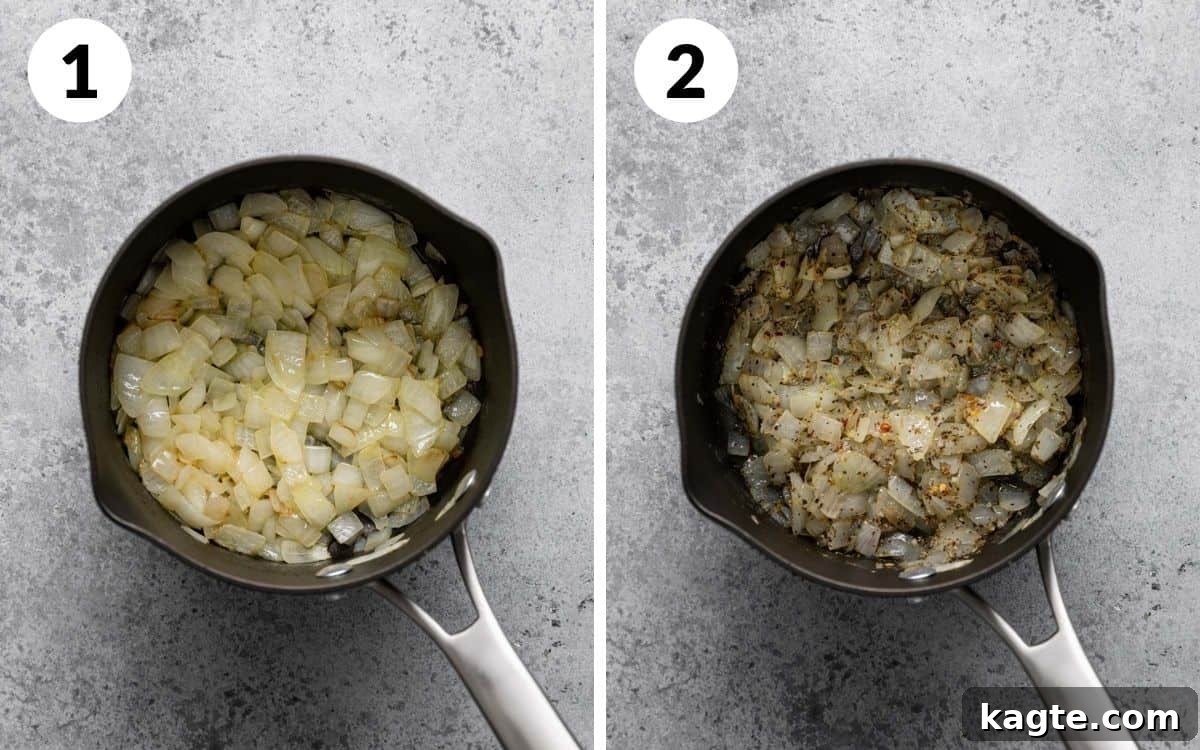
Tip: If you desire an extremely soft, almost melting onion texture, you can extend the initial sautéing time by a few more minutes on low heat. Patience here truly pays off in flavor.
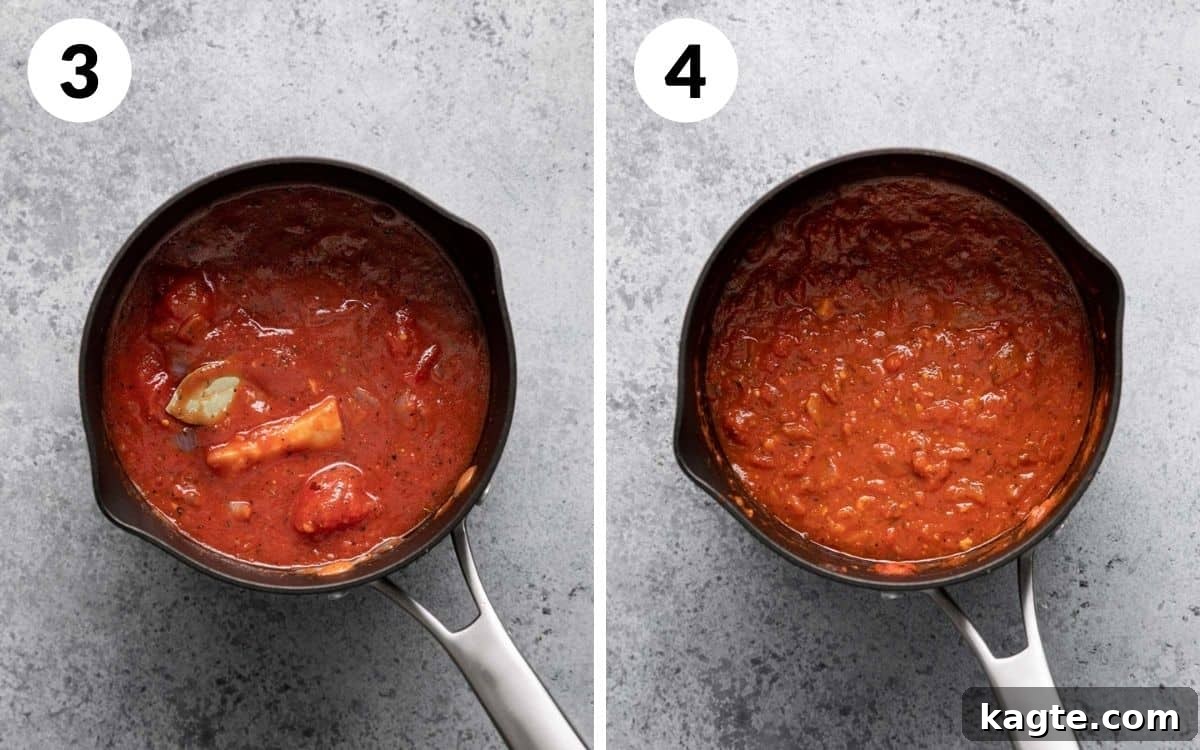
Step 3: Deglaze and Combine Key Ingredients. Pour in the red wine to deglaze the pan, scraping up any browned bits from the bottom. Simmer for 1-2 minutes, allowing the alcohol to cook off and the wine to reduce slightly. Next, add the whole San Marzano peeled tomatoes (crushing them with your hands as you add them for a rustic texture), the parmesan rind, bay leaf, and sugar.
Step 4: The Slow Simmer for Deep Flavor. Bring the sauce to a gentle simmer, then reduce the heat to low, cover the saucepan, and let it cook for at least 45 minutes, or for up to 2 hours. The longer the sauce simmers, the more complex and developed its flavors will become. Stir occasionally to prevent sticking and use the back of your spoon to further break up the whole tomatoes to your desired consistency. Before serving, remember to remove and discard the bay leaf and parmesan rind.
Tip: Flavor truly deepens with time. If your schedule allows, a longer simmer (up to 2 hours) on very low heat will yield a more intensely flavored and cohesive sauce. Just keep an eye on the liquid level and stir to prevent scorching.
Tip: For those who prefer a velvety smooth marinara without any chunks, simply blend the sauce after removing the bay leaf and parmesan rind. An immersion blender works wonders directly in the pot, or transfer carefully to a regular blender.
Make Ahead & Storage Tips
One of the greatest advantages of this Hearty Marinara Sauce is its excellent make-ahead and storage capabilities. Preparing a larger batch means you can enjoy delicious, homemade flavor with minimal effort throughout the week or even months!
-
Refrigeration: This sauce can be prepared up to 4 days in advance and stored in the refrigerator. This is incredibly convenient if you’re planning a meal that incorporates marinara as an ingredient, such as lasagna or baked ziti, allowing you to split the cooking process over two days. Always store it in an airtight container or a clean glass jar to maintain freshness and prevent flavor absorption from other foods in your fridge.
-
Freezing for Batch Prep: Batch prepping and freezing this sauce is highly recommended. You can easily double or triple the recipe to create a freezer stash. Having homemade tomato sauce readily available means you’re always just a step away from a flavorful meal, making weeknight cooking a breeze and helping you avoid less healthy, store-bought alternatives.
-
Freezing Process: First, ensure the sauce cools completely to room temperature before transferring it to the refrigerator for a thorough chill. Once fully chilled, portion the sauce into freezer-safe containers, heavy-duty freezer plastic bags, or even ice cube trays for smaller servings. Label with the date. Properly stored, the sauce will last beautifully in the freezer for up to 3 months.
-
Thawing Instructions: The safest and most recommended way to thaw frozen marinara is overnight in the refrigerator. Alternatively, for a quicker thaw, you can carefully place the frozen sauce directly into a saucepan over medium-low heat, stirring frequently until it thaws and warms through. Avoid thawing food at room temperature, as this can encourage bacterial growth and compromise food safety.
Expert Cooking Advice
Achieving a truly exceptional marinara sauce goes beyond just following the steps; it involves understanding a few key principles:
-
Prioritize High-Quality Tomatoes: The foundation of any great marinara is the tomato. We cannot stress enough the importance of using whole San Marzano tomatoes. These plum tomatoes are renowned for their vibrant, naturally sweet flavor profile and lower acidity, making them superior for sauces. They break down beautifully during simmering, offering a desirable rustic texture and intense tomato taste that canned diced tomatoes simply cannot match. Investing in good quality tomatoes will significantly impact the final flavor of your sauce.
-
Embrace the Slow Cook: Patience is a virtue when it comes to marinara. While the sauce is delicious after 45 minutes, its flavors truly blossom and deepen with extended simmering. Allowing the sauce to cook slowly over a low heat for 2 to 3 hours gives the ingredients ample time to meld and concentrate. This prolonged, gentle heat develops a richer, more complex taste and a silkier texture. Just remember to keep the heat low to prevent scorching and stir occasionally to ensure even cooking.
-
Taste and Adjust Seasoning: Throughout the cooking process, especially during the simmer, take moments to taste your sauce. Tomatoes can vary in acidity and sweetness, so adjust the salt, pepper, and sugar as needed. A pinch more sugar can balance tartness, while a dash of salt can brighten all the flavors. Don’t be afraid to trust your palate.
-
Consider Your Equipment: A heavy-bottomed saucepan or a Dutch oven is ideal for simmering sauces. Its even heat distribution prevents hot spots and minimizes the risk of scorching, allowing for that essential long, slow cook without constant supervision.
Understanding Your Sauce
Here are a few important notes about the characteristics of this Hearty Marinara Sauce and how to adapt it to your preferences:
-
Naturally Chunky Texture: This particular recipe yields a hearty sauce with delightful pieces of tender onion and broken-down tomato. Many prefer this rustic texture, as it adds substance and a homemade feel to dishes. If you are aiming for a silky-smooth marinara, simply use an immersion blender directly in the pot, or transfer the sauce to a regular blender and process until it reaches your desired consistency after the simmering is complete and the bay leaf and rind have been removed.
-
The Role of Red Pepper Flakes: Don’t be concerned that the addition of red pepper flakes will make your marinara overwhelmingly spicy. In this recipe, the amount used is primarily to add a subtle layer of warmth and a touch of depth to the sauce’s overall flavor profile. It acts as a counterpoint to the sweetness of the tomatoes and enhances the savory notes, rather than delivering a strong heat. If you enjoy a spicier sauce, you can easily increase the quantity, but remember to taste as you go!
-
Fresh vs. Dried Herbs: While this recipe calls for dried herbs (which are excellent for long simmers as their flavor deepens), you can certainly incorporate fresh herbs. If using fresh basil or oregano, consider adding them in the last 15-20 minutes of simmering to preserve their bright, fresh notes. A combination of both dried for depth and fresh for brightness can be truly delightful.
Creative Variations
This Hearty Marinara Sauce is a fantastic base, but don’t hesitate to get creative and customize it to your taste. Here are some delicious variations:
-
For a Creamy Indulgence: Transform this marinara into a rich, creamy tomato sauce by stirring in about 1/2 cup of heavy cream or a full-fat Greek yogurt during the last 5-10 minutes of simmering. The cream will add a luxurious texture and mellow out the acidity even further, creating a luscious sauce perfect for pastas or chicken dishes.
-
For a Spicy Kick: If you love heat, feel free to double or even triple the amount of red pepper flakes. For an even more intense spice, consider adding a pinch of cayenne pepper. Remember to taste as you gradually add more heat to ensure it aligns with your preference and doesn’t overpower the other flavors.
-
For a More Herbaceous Flavor: Boost the aromatic profile by stirring in 1-2 tablespoons of prepared pesto after the sauce has finished simmering, or by adding a handful of freshly chopped herbs like basil, parsley, or oregano just before serving. Fresh herbs add a vibrant, bright note that complements the deep, cooked flavors beautifully.
-
For a Cheesy Delight: Enhance the savory, cheesy goodness by stirring in about 1/4 to 1/2 cup of freshly grated Parmesan or Pecorino Romano cheese after the sauce has simmered and the heat is off. The residual heat will melt the cheese, creating a delightful, slightly thicker, and richer sauce.
-
For a Veggie-Loaded Sauce: Increase the nutritional value and texture by adding finely diced vegetables. When you add the onions, also sauté 1/4 cup of diced mushrooms, carrots, bell peppers, or zucchini. Cook them until tender before proceeding with the garlic and herbs. This is a great way to sneak in extra vegetables for picky eaters.
-
For a Smooth Consistency: As noted earlier, if you prefer your marinara silky smooth, simply blend the sauce after you’ve removed the bay leaf and parmesan rind. An immersion blender can achieve this directly in the pot, or carefully transfer the sauce to a standard blender. Blend until your desired velvety consistency is reached.
-
For a Meatier Sauce: To turn this into a robust meat sauce, brown 1/2 to 1 pound of ground beef, Italian sausage, or a combination in the pan before adding the onions. Drain any excess fat, then proceed with the recipe, allowing the meat to simmer with the sauce and absorb all the wonderful flavors.
Common Questions Answered
What are marinara sauce made of?
Marinara sauce is fundamentally a tomato-based sauce. Its core ingredients typically include tomatoes (often whole peeled San Marzanos), aromatic vegetables like garlic and onion, and classic Italian herbs such as basil, oregano, and thyme. Olive oil forms the base for sautéing, and a touch of sugar is frequently added to balance the natural acidity of the tomatoes, creating a harmonious flavor profile. Some recipes, like this one, also incorporate red wine for depth and a parmesan rind for umami richness.
Is marinara sauce the same as pizza sauce?
While marinara sauce and pizza sauce share many common ingredients and a tomato base, there are subtle differences in preparation and consistency. From an ingredient standpoint, they are very similar and can often be used interchangeably. However, pizza sauce is typically thicker and less watery, often with a more concentrated tomato flavor and sometimes a coarser texture, designed to prevent a soggy crust. Marinara, while hearty, tends to be a bit thinner and can be chunky or smooth, making it ideal for coating pasta. For homemade pizza, a slightly reduced marinara works wonderfully as a pizza sauce.
What is marinara used for?
Marinara is an incredibly versatile sauce with a myriad of uses in the kitchen. Its primary application is, of course, with pasta dishes like spaghetti, baked ziti, or lasagna. It also serves as a fantastic base for pizzas, a savory dipping sauce for breadsticks, mozzarella sticks, or arancini, and a delicious addition to sandwiches such as chicken parmesan or Italian sausage heroes. Beyond these, marinara is excellent in casseroles, as a poaching liquid for eggs, or even as a simple tomato soup base.
Is marinara and pomodoro sauce the same?
No, marinara and pomodoro sauce are distinct, though both are tomato-based. Marinara typically has a simpler, quicker preparation, often featuring a chunkier texture from broken-down whole tomatoes and a brighter, fresher tomato flavor. Pomodoro, which translates to “golden apple” (tomato), usually involves a longer cooking time, resulting in a smoother, thicker, and more reduced consistency. Pomodoro often uses very ripe, fresh tomatoes and is typically puréed to achieve its characteristic smooth texture, while marinara can range from rustic to smooth depending on preference.
Is this marinara recipe gluten-free and vegan?
This Hearty Marinara Sauce is naturally gluten-free. To make it vegan, simply omit the parmesan rind. The red wine is typically vegan, but if you have strict dietary requirements, check the wine label or substitute with vegetable broth. The rest of the ingredients are plant-based, making it an excellent base for various dietary needs.
Can I use fresh tomatoes instead of canned?
Absolutely! Using fresh, ripe tomatoes, especially plum varieties like Roma, can yield a wonderfully flavorful sauce. You would need to blanch, peel, and seed them first. Approximately 2-3 pounds of fresh tomatoes can substitute for one 28-ounce can of whole peeled tomatoes. The cooking time might vary slightly as fresh tomatoes release more liquid initially, requiring a longer simmer to reduce and concentrate the flavor.
Versatile Uses for Marinara
Once you’ve made this incredible Hearty Marinara Sauce, you’ll find countless ways to incorporate its rich flavor into your meals:
-
The Ultimate Pasta Companion: This is the most classic use, and for good reason. Ladle generously over spaghetti, penne, rigatoni, or any pasta shape. It’s also the perfect foundational sauce for baked dishes like baked ziti, lasagna, or cannelloni. For a meatier twist, brown some ground beef or Italian sausage and add it to the simmering marinara for a simple bolognese.
-
A Flavorful Sandwich Enhancer: Take your sandwiches to the next level. Spoon warm marinara over a crispy chicken or eggplant parmesan sandwich, or a hearty Italian sausage and pepper hero. It adds moisture, richness, and that irresistible Italian flair.
-
Perfect Pizza Base: Forget store-bought pizza sauce! This homemade marinara, perhaps slightly reduced for a thicker consistency, makes an exceptional base for any homemade pizza. Its deep flavor will make your pizza truly stand out.
-
Irresistible Dipping Sauce: Serve it warm with a crusty loaf of garlic bread, focaccia, or even simple breadsticks for an appetizer everyone will love. It’s also fantastic for dipping fried ravioli, mozzarella sticks, or crispy arancini.
-
In Hearty Casseroles: Beyond traditional pasta bakes, use this marinara as a base for chicken parmesan casseroles, meatball subs in casserole form, or even a flavorful sauce for stuffed bell peppers or zucchini boats.
-
Substitute in Any Recipe: Whenever a recipe calls for a 24-ounce jar of tomato sauce, this homemade marinara is your superior substitute. It will infuse your dish with significantly more flavor and a touch of homemade love.
Related Culinary Adventures
More Delicious Recipes to Explore
Pasta
Baked Stuffed Shells with Meat Sauce
Soup & Chili
Creamy White Lasagna Soup with Italian Sausage
30 Minute Meals
One Pan Shrimp Orzo with Lemon Recipe
Sauce
Basil Pesto without Pine Nuts
Hearty Marinara Sauce
This homemade slow simmered Hearty Marinara Sauce is the perfect cooking staple to batch prep and freeze. It is made with super simple ingredients, yet is full of flavor. It is delicious on pasta, in casseroles, as a dipping sauce, and everything in between. Loaded with whole San Marzano tomatoes, garlic, herbs, wine, and a parmesan rind, it is irresistible.
5 minutes
1 hour
1 hour 5 minutes
Equipment
- Nonstick pan/pot
- Stirring Spoon
- Garlic Press
- Vegetable Chopper
Ingredients
- 2 Tablespoons olive oil
- 1 medium white onion, diced
- 4 cloves garlic, pressed or finely minced
- 1 teaspoon dried oregano
- 1 teaspoon dried basil
- 1/2 teaspoon dried thyme
- 1/4 teaspoon red pepper flakes
- 1/2 teaspoon salt
- Fresh cracked pepper, to taste
- 1/4 cup red wine* (see notes for substitution)
- 1 28 ounce can San Marzano whole peeled tomatoes
- 1 small parmesan rind* (see notes)
- 1 bay leaf
- 1/2 – 1 teaspoon sugar* (see notes for adjustment)
Instructions
- Review all recipe notes and instructions before beginning.
- In a medium saucepan, heat the olive oil over medium heat. Add the diced onions and sauté for 8-10 minutes until soft and translucent.
- Add the pressed garlic, dried oregano, dried basil, dried thyme, red pepper flakes, salt, and freshly cracked pepper. Sauté for a couple of minutes until fragrant, being careful not to burn the garlic.
- Deglaze the pan with the red wine, simmering for 1-2 minutes to cook off the alcohol. Then, add the crushed San Marzano tomatoes, parmesan rind, bay leaf, and sugar.
- Bring the sauce to a gentle simmer and cover. Reduce heat to low and simmer for at least 45 minutes, or for up to 2 hours for deeper flavor. Stir occasionally and use the back of a spoon to break up the tomatoes further. Remove the bay leaf and parmesan rind before serving.
Did you make this recipe? Leave a comment below!
Notes
Red Wine: Omit if you do not want to cook with alcohol, or substitute with vegetable broth.
Parmesan Rind: Found in the specialty cheese section. If unavailable, purchase a wedge of Parmesan Reggiano and cut off the rind. This adds a rich umami flavor.
Sugar: Adjust to taste to balance the acidity of the tomatoes. It enhances overall flavor without making the sauce sweet.
High-Quality Tomatoes: For best results, use whole San Marzano tomatoes for their vibrant flavor and low acidity.
Slow Cook: Simmering for longer (up to 2 hours) will deepen the flavors significantly. Keep heat low and stir occasionally.
Smooth Sauce: For a non-chunky sauce, blend it with an immersion blender or standard blender after removing the bay leaf and rind.
Storage: Sauce keeps for 4 days in the refrigerator in an airtight container. It can be frozen for up to 3 months. Thaw overnight in the refrigerator or gently on low heat in a saucepan.
Nutrition
Calories: 572kcal | Carbohydrates: 64g | Protein: 14g | Fat: 30g | Saturated Fat: 4g | Polyunsaturated Fat: 4g | Monounsaturated Fat: 21g | Sodium: 2216mg | Fiber: 16g | Sugar: 35g
Nutrition information is automatically calculated, so should only be used as an approximation.