
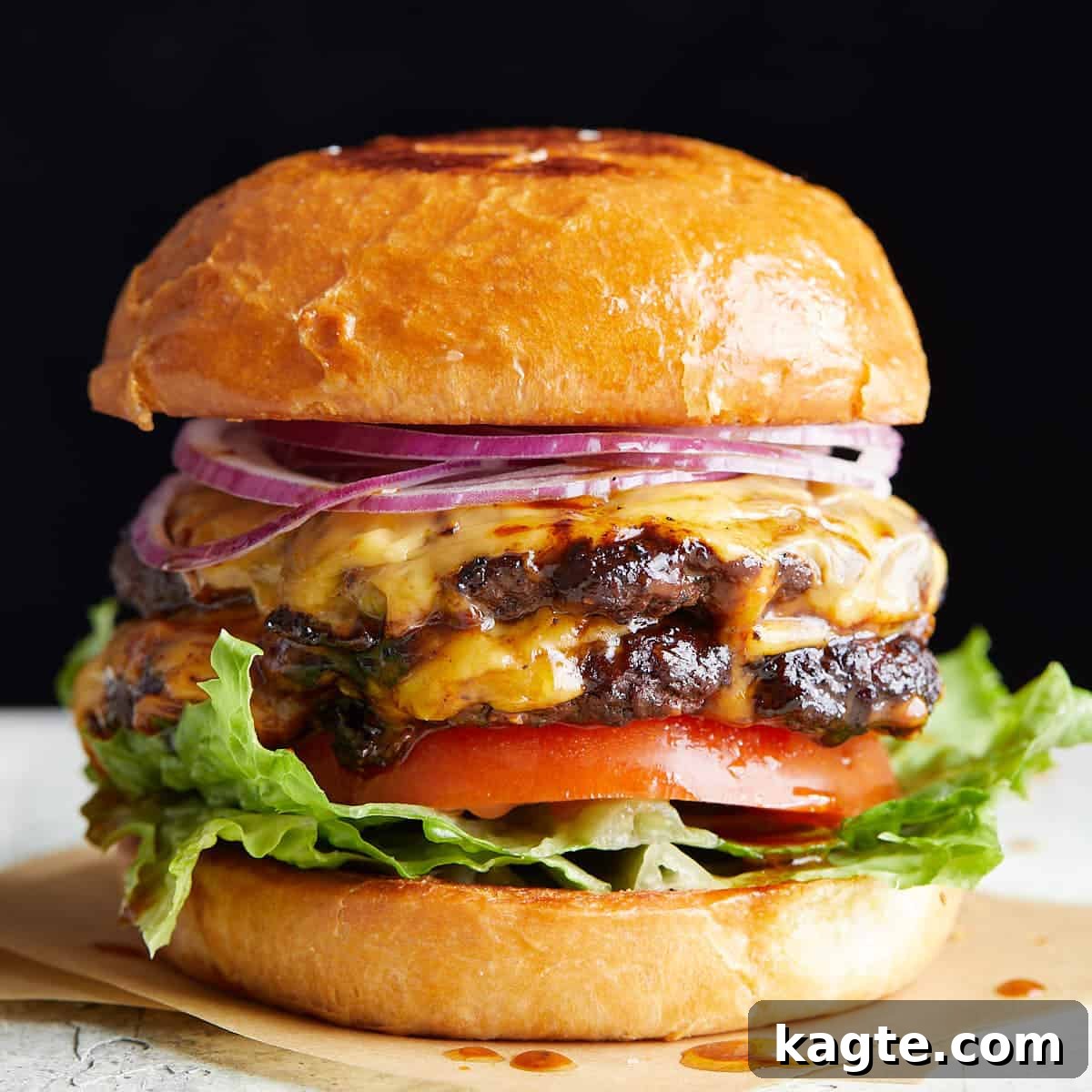
Craving the ultimate juicy burger? Look no further! This comprehensive guide will walk you through crafting the most flavorful and succulent homemade hamburger patties you’ve ever tasted. Forget bland, dry store-bought options or disappointing lean meat experiments. Our perfected Burger Patty Recipe focuses on simple, high-quality ingredients and a straightforward cooking method to deliver a golden crust, a tender, juicy center, and an explosion of flavor every single time. Get ready to elevate your burger game from your very own kitchen!
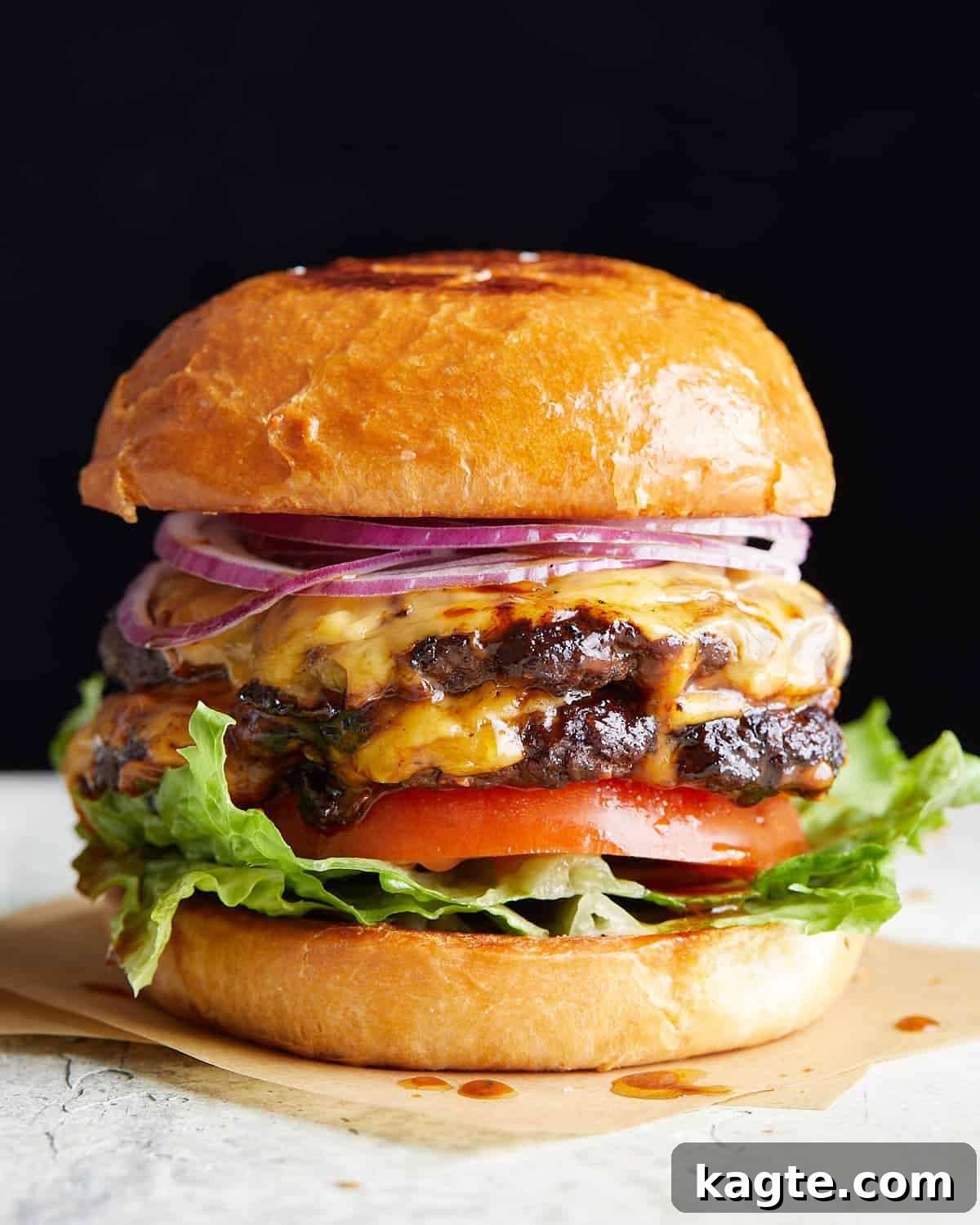
My journey to the best homemade hamburger patty began with a common frustration: dry burgers. I initially tried making patties with leaner ground beef, only to be met with disappointing, crumbly results. Through experimentation and a commitment to flavor, I discovered that the secret to a truly moist and delicious burger lies in the right fat content. This updated juicy burger recipe now specifically calls for 80/20 ground beef, ensuring a patty that remains tender and flavorful throughout the cooking process. It’s a quick and easy recipe that promises satisfaction with minimal effort, making it perfect for weeknight dinners or weekend cookouts.
Beyond the patty itself, a truly great burger experience includes delicious accompaniments. Consider pairing your perfect burger with a hearty side dish to create a complete and filling meal. Some fantastic options include Fresh Green Bean Casserole with Bacon, crispy Air Fryer Scalloped Potatoes, or a comforting bowl of Panera Broccoli Cheddar Mac and Cheese. These sides complement the rich flavor of the burger beautifully. For even more inspiration, I’ve curated a list of the 20 Best Side Dish Recipes for Hamburgers to spark your culinary imagination. Now, let’s dive into the details of how to make these incredible burger patties from mince, complete with all the tips, tricks, and recommendations you’ll need.
Table of Contents
- Why You’ll Love This Recipe
- Essential Ingredients & Clever Substitutions
- Mastering the Homemade Burger Patty
- Alternative Cooking Methods
- Achieving Your Perfect Burger Doneness
- The Best Buns for Hamburgers
- Serving Suggestions & Meal Ideas
- Pro Tips for the Perfect Burger
- How To Freeze Raw Burger Patties for Later
- Creative Additions & Variations
- Frequently Asked Questions About Burgers
- More Delicious Main Dish Recipes
- Homemade Hamburger Patty Recipe Card
Why You’ll Love This Recipe: Your Go-To for a Juicy Burger
This homemade hamburger recipe isn’t just another meal; it’s an experience designed for ease, flavor, and pure satisfaction. Here’s why you’ll be making these juicy burger patties again and again:
- Uncomplicated Simplicity: You don’t need a pantry full of exotic ingredients or complex cooking techniques. This recipe utilizes less than ten common ingredients, most of which are likely already in your kitchen. It’s a testament to how incredible food can be made with minimal fuss.
- Flavorful Beyond Compare: What sets this burger patty recipe apart is its incredible depth of flavor. A carefully balanced blend of Worcestershire sauce, a hint of brown sugar, savory soy sauce, and classic spices like paprika, garlic powder, and onion powder creates a rich, umami-packed patty that’s anything but ordinary. Each bite is a symphony of savory notes.
- Effortlessly Easy: Whether you’re a seasoned chef or a kitchen novice, this recipe is incredibly beginner-friendly. It requires minimal kitchen tools – a few mixing bowls, a baking sheet, your cooking surface of choice (skillet or grill), and a spatula. Cleanup is just as quick, leaving you more time to enjoy your delicious creation.
- Kid-Friendly Perfection: Even the pickiest eaters will rejoice over these homemade burgers. The foundational flavor is universally appealing, and the beauty lies in its customizability. Let your children choose their favorite toppings, from classic ketchup and pickles to a medley of fresh veggies, making mealtime fun and engaging.
- Cheesy Indulgence: We believe a burger isn’t complete without a perfectly melted slice of cheese. This recipe incorporates that melty goodness right on top, adding an extra layer of creaminess and flavor that elevates the entire experience. It’s the little details that make all the difference in a truly great burger patty.
- Healthier & Customizable: Making burgers at home allows you to control the quality of your ingredients, from the ground beef to the seasonings. You can choose fresh, organic produce for toppings and avoid the preservatives often found in restaurant or pre-made options. This control also extends to dietary needs, making it easy to adapt for gluten-free buns or low-carb options.
- Economical Choice: Crafting your own burgers at home is significantly more budget-friendly than frequenting fast-food chains or even specialty burger joints. You get superior quality and taste for a fraction of the cost, making it a smart choice for families and meal preppers alike.
Essential Ingredients & Clever Substitutions for the Perfect Patty
The key to a truly outstanding homemade burger patty lies in selecting the right ingredients. Here’s a closer look at what you’ll need and how to make smart substitutions:
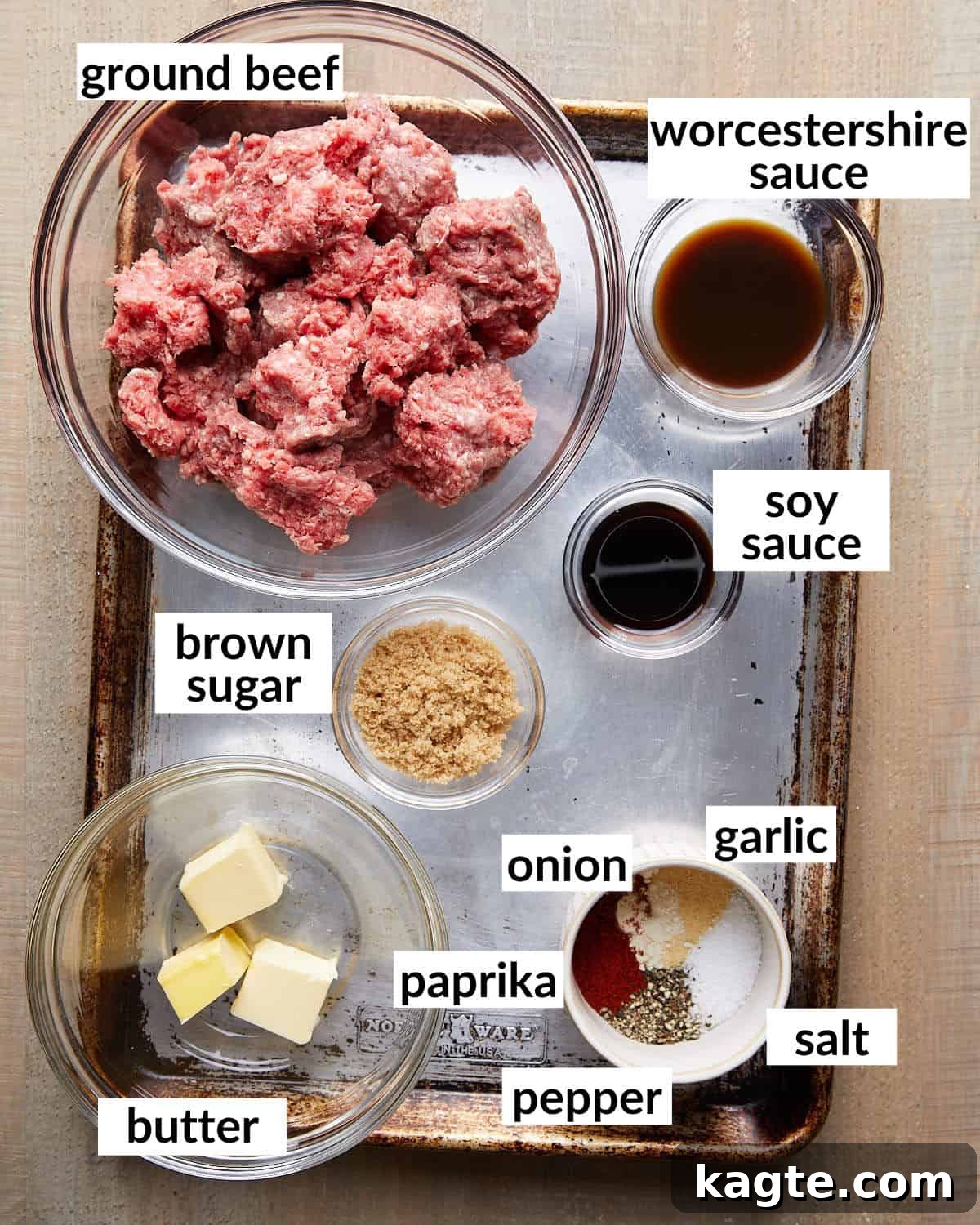
- Ground Beef (80/20 Chuck Recommended): This is the cornerstone of a juicy burger. An 80/20 fat-to-lean ratio (meaning 80% lean meat, 20% fat) is absolutely ideal. The fat renders during cooking, keeping the patty moist and infusing it with incredible flavor. Opt for ground chuck, which naturally falls into this ratio and is known for its robust beefy taste. Avoid leaner beef patties (like 90/10 or 93/7) as they tend to dry out quickly, resulting in crumbly, flavorless burgers. If 80/20 isn’t available, you can blend leaner beef with a fattier cut or add a tablespoon of butter to the mixture for extra moisture.
- Unsalted Butter (Melted): Butter is a secret weapon for juiciness and flavor. When melted and mixed into the ground beef, it helps distribute moisture and creates a richer taste. If you don’t have unsalted butter, salted butter can be used, but you may need to slightly reduce the amount of added kosher salt to compensate.
- Worcestershire Sauce: This savory sauce adds a deep umami flavor that is essential for a classic burger taste. It contains ingredients like anchovies, tamarind, and vinegar, which contribute to its complex profile. There isn’t a perfect substitute, but a dash of soy sauce mixed with a tiny bit of apple cider vinegar could offer a similar savory-tangy note.
- Brown Sugar: A touch of brown sugar might seem unusual, but it plays a crucial role. It helps with caramelization, creating that irresistible golden-brown crust on the patty. It also balances the savory flavors and adds a subtle sweetness. You can use granulated white sugar in a pinch, but brown sugar’s molasses content adds more depth.
- Soy Sauce: Another umami powerhouse, soy sauce contributes a salty, savory depth that enhances the beef’s natural flavor. Use regular soy sauce. For a gluten-free option, tamari works perfectly.
- Kosher Salt: As a general rule in my recipes, I use Morton kosher salt unless otherwise specified. Its larger flake size and pure flavor make it superior for everyday cooking compared to fine table salt. If you’re using table salt, reduce the amount by about half to prevent over-salting, as table salt is denser and saltier by volume. I highly recommend investing in kosher salt for your pantry!
- Freshly Ground Black Pepper, Smoked Paprika, Granulated Garlic, & Onion Powder: This blend of spices provides the foundational flavor profile for your burger. Freshly ground black pepper adds a pungent kick. Smoked paprika brings a wonderful smoky depth and color. Granulated garlic and onion powder deliver essential aromatic notes. While fresh garlic and onion can be used, their moisture content might affect patty consistency, so powders are often preferred for burgers.
A complete list of all ingredients and their exact amounts can be found on the recipe card below.
Mastering the Homemade Burger Patty: Step-by-Step for Success
Quick Overview
Before we dive into the detailed steps, here’s a brief roadmap to making these delicious burgers:
- Prepare your workspace: Line a baking sheet.
- Whisk together the rich seasoning mixture.
- Gently combine the ground beef and seasonings.
- Divide the seasoned beef into six equal portions.
- Form each portion into perfectly shaped patties.
- Cook your burgers to juicy perfection in a hot skillet.
Detailed Step-by-Step Instructions
Pro Tip: Avoid overcrowding your hamburger patties on the pan or grill to ensure even cooking and a beautiful crust.
Pro Tip: Always add cheese towards the very end of cooking to achieve a perfectly melted, gooey topping without losing it off the burger.
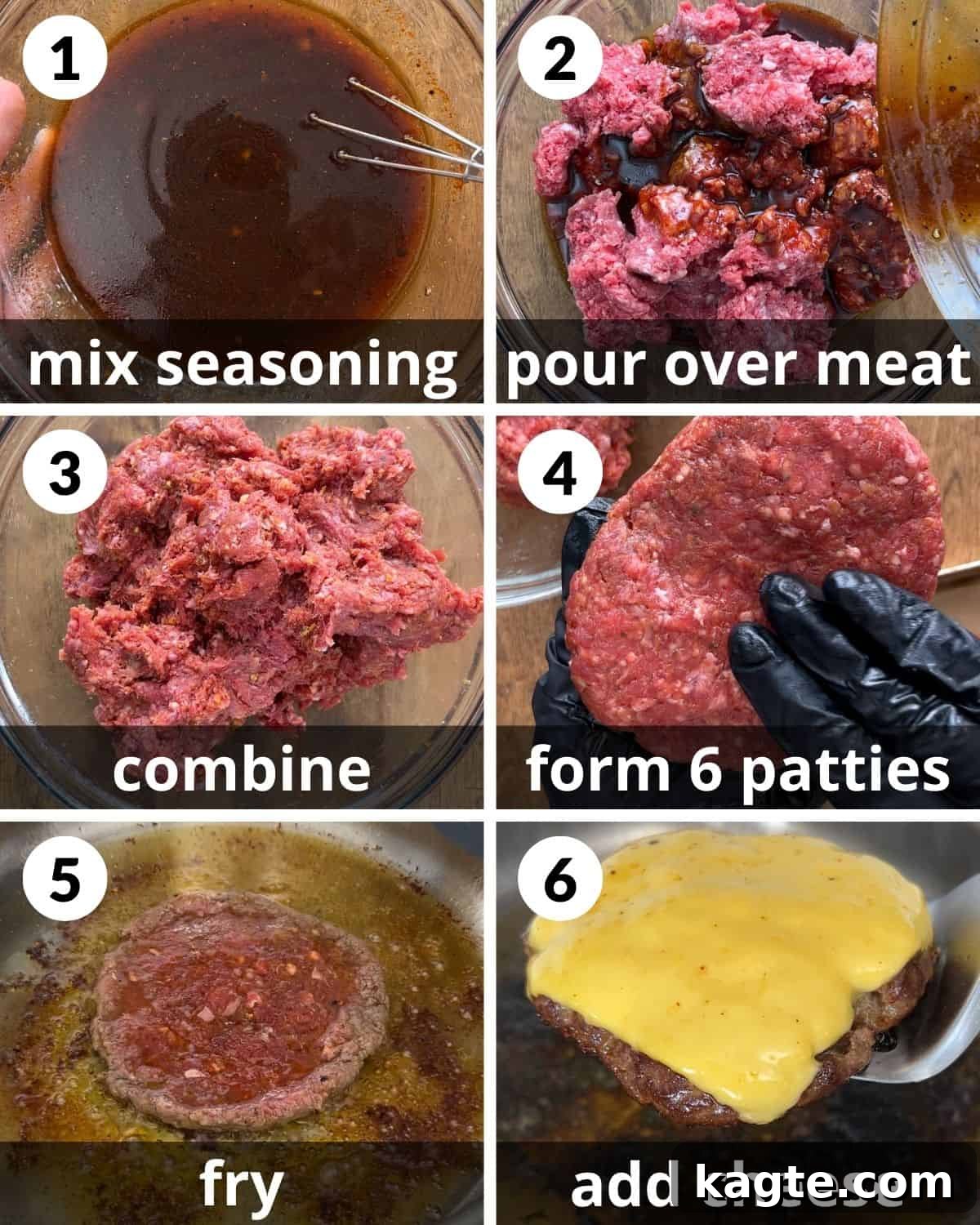
Step 1: Begin by preparing your staging area. Line a large plate or a small baking sheet with two pieces of parchment paper or wax paper. This prevents the raw patties from sticking. In a medium mixing bowl, combine the melted unsalted butter, Worcestershire sauce, brown sugar, soy sauce, kosher salt, black pepper, smoked paprika, granulated garlic, and onion powder. Whisk these ingredients together thoroughly until well combined, creating your flavorful seasoning blend.
Step 2: Transfer the ground beef (preferably 80/20 chuck) into a separate large mixing bowl. Pour the prepared seasoning mixture evenly over the beef. The goal is to distribute the flavor without overworking the meat.
Step 3: Using your hands (wearing food-safe gloves is a great idea for hygiene and to keep your hands clean), gently combine the meat and seasoning mixture. The key here is to mix just enough until the spices are evenly distributed throughout the ground beef, being careful not to compress or overwork the meat. Overworking leads to tough, dense burgers.
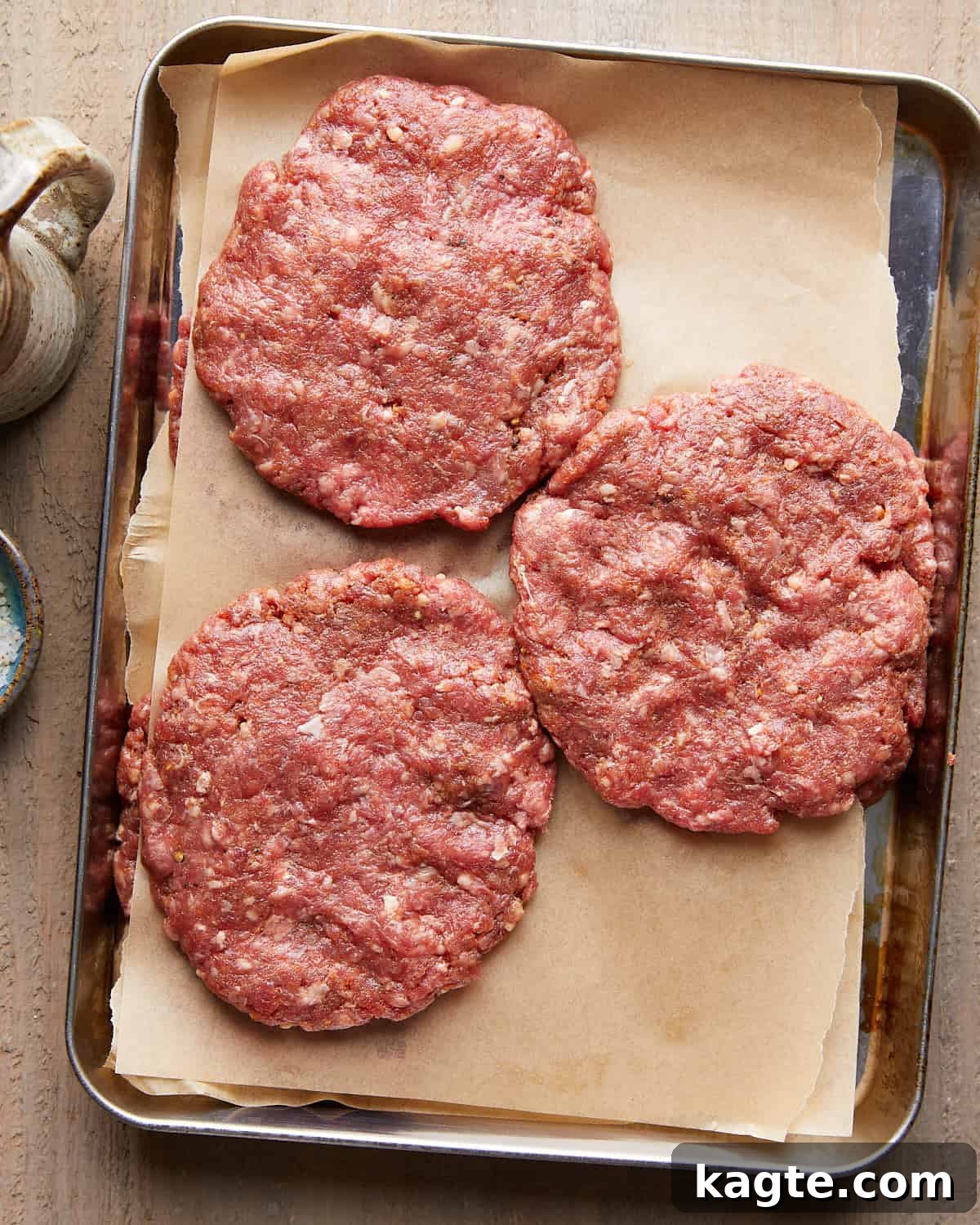
Step 4: For consistent burger size and cooking, roughly divide the seasoned meat mixture into six equal portions. For precision, a kitchen scale is highly recommended; aim for approximately 5.3 ounces per patty. With your hands, gently form each portion into a round patty. It’s crucial to make a small depression or well in the center of each patty. This prevents the burger from puffing up into a ball during cooking and helps it maintain a flat shape. Remember, burgers shrink as they cook, so make your raw patties slightly larger than your desired bun size. Place the formed patties on the prepared plate or baking sheet, using additional parchment or wax paper between layers if stacking to prevent sticking.
Step 5: My preferred method for cooking these burgers is on the stovetop or a griddle, which yields an incredible sear. (For other cooking methods, see the section below.) Heat a large, heavy-bottomed skillet (stainless steel or cast iron works best) over medium-high heat. Once hot, add about 1 tablespoon of a neutral oil (like vegetable or canola oil) to the pan. Carefully place 1 to 2 burger patties into the skillet, ensuring not to overcrowd the pan. If you desire a “smash burger” style, use a burger press or a sturdy spatula to gently press the burger down for the first 10-15 seconds. Fry for 2-3 minutes on the first side, allowing a beautiful golden-brown crust to form.
Step 6: Flip the burger carefully. Continue to fry for another 2-3 minutes on the second side, adjusting the cooking time based on the patty’s thickness and your desired level of doneness (refer to the “How to Cook a Burger to Your Perfect Doneness” section below). During the last 30 seconds to 1 minute of cooking, place a slice of your favorite cheese on top of the burger. Cover the pan with a lid or another larger pan to help the cheese melt quickly and evenly. Once the cheese is perfectly gooey and the burger has reached your desired doneness, remove it from the heat immediately. Serve hot and enjoy!
Alternative Cooking Methods for Your Homemade Burger Patties
While pan-frying yields a fantastic crust, these versatile homemade hamburger patties can be cooked using several other methods, each offering a unique flavor and texture profile:
- Grill: Grilling is a classic choice for burgers, imparting a smoky, charred flavor and attractive grill marks. Preheat your grill to medium-high heat (around 400-450°F or 200-230°C). Lightly oil the grill grates to prevent sticking. Place the patties directly on the hot grates and cook for 3-5 minutes per side for medium doneness, or until they reach your desired internal temperature. Be mindful of flare-ups due to the fat content, and move patties to a cooler part of the grill if needed.
- Air Fryer: The air fryer offers a convenient, less messy way to cook burgers. Preheat your air fryer to 375°F (190°C). Place the raw patties in a single layer in the air fryer basket, ensuring they don’t overlap. Cook for 8-12 minutes, flipping halfway through, or until an internal temperature of 160°F (71°C) is reached for well-done. While convenient, achieving precise doneness like medium-rare can be challenging in an air fryer, so using a meat thermometer is essential. You can also follow my dedicated Frozen Burgers in Air Fryer recipe for more specific guidance.
- Oven: Cooking burgers in the oven can be a good option for cooking a larger batch simultaneously, especially if you don’t have a grill or griddle. Preheat your oven to 400°F (200°C). Place the patties on a wire rack set over a baking sheet to allow fat to drain. Bake for 15-20 minutes, flipping once, until they reach your desired internal temperature. Similar to the air fryer, it can be harder to achieve a perfect sear and precise doneness in the oven, and it’s generally not the recommended method for the absolute best crust, but it is effective.
Achieving Your Perfect Burger Doneness: A Guide to Juicy Results
The secret to a consistently perfect burger that’s cooked just how you like it—whether medium, medium-well, or well-done—is a reliable meat thermometer. This simple tool takes all the guesswork out of cooking and ensures you hit your ideal doneness every single time. Simply insert the thermometer into the center of the thickest part of the patty, avoiding any bone or gristle, and check the temperature against the guide below:
- Medium (Warm, Pink Center): Aim for an internal temperature of approximately 140°F (60°C). This will result in a burger with a noticeably pink, warm center that is incredibly juicy and tender.
- Medium-Well (Slightly Pink Center): Cook until the internal temperature reaches about 150°F (65°C). The center will have just a hint of pink, and the burger will still be moist and flavorful.
- Well Done (No Pink): For those who prefer no pink whatsoever, cook until the internal temperature is 160°F (71°C) and up. The burger will be cooked through with a firm texture.
Important Note: For food safety, especially when using ground beef that isn’t freshly ground at home or of exceptionally high quality, it is generally recommended to cook burgers to at least 160°F (71°C). However, for many, the optimal texture and juiciness are achieved at medium or medium-well. If you choose to cook below medium, ensure your ground beef comes from a reputable source and handle it with utmost care.
If you don’t have a meat thermometer, you can rely on visual cues as a backup: look for clear juices running from the burger and a firmer texture as it cooks. However, for that truly juicy, just-right bite that you can count on every time, a quick temperature check truly makes all the difference.
The Best Buns for Hamburgers: Completing Your Masterpiece
A great burger patty deserves an equally great bun. The right bun not only holds everything together but also adds texture, flavor, and visual appeal. Crucially, after frying your burgers, always toast or grill your buns. Use a bit of fat like butter, oil, or even the savory grease left over in your cast iron skillet or on the grill. Toasting provides a wonderfully crispy texture that prevents sogginess and adds an extra layer of delicious flavor. Here are some of the best bun options:
- Brioche Buns: These are my personal favorite. Brioche buns are incredibly soft, rich, and have a slightly sweet flavor profile that beautifully complements the savory burger patty. Their delicate yet sturdy structure can elevate even a simple burger to gourmet status.
- Sesame Seed Buns: There’s a nostalgic charm to sesame seed buns. They are a timeless classic, often found in fast-food favorites, and for good reason. The sesame seeds add a pleasant texture and a subtle nutty flavor that enhances the overall experience. They’re a fantastic, reliable option to have on hand.
- Classic White Burger Buns: Simple, soft, and fluffy, classic burger buns are always a dependable choice. They provide a neutral canvas that allows the flavors of your homemade burger patty and toppings to shine. They’re absorbent enough to handle juicy burgers without falling apart.
- Potato Buns: Similar to brioche, potato buns offer a slight sweetness and a wonderfully soft, tender texture. They often don’t contain eggs or dairy, making them an excellent choice for those with specific dietary preferences or allergies while still delivering a rich flavor.
- Pretzel Buns: For something a little different, pretzel buns are a fantastic option. They offer a unique chewy bite and a distinctive, slightly salty flavor with a firm, crusty exterior. They add an interesting textural contrast and make your burger feel more substantial.
- Sliced Bread (for Patty Melts): If you find yourself without traditional burger buns, don’t despair! Sliced bread can be a surprisingly delicious substitute, especially if you’re making a patty melt. Toast two slices of your favorite bread, add your burger patty and cheese, and grill until the cheese is melted and the bread is golden for a comforting alternative.
Serving Suggestions & Meal Ideas for Your Juicy Burgers
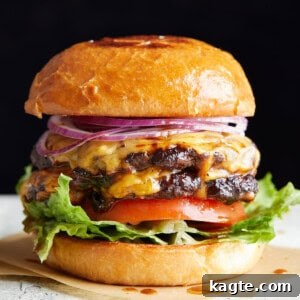
Once your irresistible juicy burger patties are cooked to perfection, it’s time to assemble your ultimate burger! Serve them on toasted brioche buns, piled high with all your favorite fixings. Classic choices include sharp cheddar cheese, crisp iceberg or romaine lettuce, ripe tomato slices, thinly sliced red onion, crunchy pickles, and a generous swipe of creamy mayo or a tangy special sauce. Beyond the bun, consider these fantastic side dishes to complete your meal:
- Italian Pasta Salad: This vibrant pasta salad is packed with flavor, an abundance of fresh vegetables, and often protein-rich ingredients, making it a refreshing and satisfying accompaniment to a hearty burger.
- Pesto Orzo Salad: Light and flavorful, this cold pasta salad is a delightful option for a warmer day. It pairs wonderfully with grilled proteins and can be a great way to enjoy your burger patty without a bun, offering a delicious, lighter alternative.
- Caesar Salad: A crisp and zesty Caesar salad is a timeless partner for any burger. Its refreshing crunch and tangy dressing provide a perfect counterpoint to the rich flavors of the patty. This easy recipe might just become your new summer staple.
- Seasoned Tater Tots: Elevate a humble bag of frozen tater tots into a gourmet side dish with this simple seasoning recipe. They offer a satisfying crunch and are a fun alternative to traditional french fries.
- Smashed Potatoes: These air fryer smashed potatoes are a personal favorite! Crispy on the outside and fluffy on the inside, they provide a rustic and incredibly flavorful side that’s surprisingly easy to make.
Looking for something a little different from the usual french fries? My comprehensive post, Side Dishes for Hamburgers (Besides French Fries), is an excellent resource to explore new and exciting options to round out your burger feast!
Pro Tips for the Perfect Burger: Achieve Homemade Hamburger Perfection
Making truly exceptional homemade hamburger patties is an art, but these expert tips will guide you to culinary success:
- Do Not Overwork the Meat: This is arguably the most critical tip for a tender, juicy burger. When mixing the ground beef with seasonings, be gentle and quick. Overworking the meat compresses the proteins, resulting in a dense, tough, and chewy burger rather than a light and succulent one. Mix only until the seasonings are just incorporated.
- Use a Kitchen Scale for Consistent Patties: For evenly sized and cooked burgers, a kitchen scale is your best friend. Weighing each portion of ground beef before forming your patties ensures uniformity. Start by weighing the entire meat mixture, then divide that total by six (for six patties) to determine the target weight for each individual patty. This precision guarantees consistent cooking times and perfect presentation.
- Make Patties Slightly Larger Than Your Buns: A common oversight is making patties the same size as the buns. Remember that hamburger patties will shrink in diameter as they cook due to fat rendering and protein contraction. To ensure your cooked patty fills the bun perfectly, always form your raw patties about ½ to 1 inch wider than your chosen burger buns.
- Create a Dimple in the Center of Each Patty: To prevent your burgers from puffing up into a rounded, ball-like shape during cooking, make a shallow, thumb-sized indentation or well in the center of each patty before placing it on the pan or grill. This simple trick helps the patty cook flat and evenly, giving you that classic burger shape.
- Prep Toppings & Buns Ahead of Time: Burgers cook remarkably fast, especially on a hot skillet or grill. To avoid a rushed and chaotic serving process, have all your toppings (lettuce, tomato, onion, pickles, sauces) prepped, sliced, and ready to go before you even start cooking the patties. Also, toast your buns ahead of time. This way, as soon as the juicy burgers come off the heat, you and your family can immediately assemble and enjoy them.
- Properly Store & Reheat Leftover Patties: If you have any leftover cooked burger patties, allow them to cool completely to room temperature before storing. Transfer them to an airtight container and refrigerate for up to 4 days. To reheat, gently warm them in a skillet over medium heat to retain moisture, or if you’re in a hurry, pop them in the microwave until just warmed through. Avoid overheating, which can dry them out.
- Don’t Press Patties Excessively While Cooking: While a light initial press (for smash burgers) is fine, avoid repeatedly pressing down on your burgers with a spatula during cooking. This action squeezes out the precious juices and fat, leading to a dry and less flavorful patty. Let the heat do its work.
How To Freeze Raw Burger Patties for Future Meals
Meal prepping your homemade hamburger patties by freezing them raw is a fantastic way to ensure you always have a quick, delicious meal option on hand. Follow these steps for successful freezing:
- Once you have formed your seasoned ground beef into perfectly round patties, arrange them in a single layer on a large baking sheet. It’s crucial that the baking sheet is covered with plastic wrap or parchment paper to prevent sticking.
- Lightly cover the top of the patties with another piece of plastic wrap, ensuring it’s not pressing down tightly on the patties. This protects them from freezer burn.
- Place the entire baking sheet into the freezer for approximately two hours. This “flash freezing” step allows the patties to firm up individually, preventing them from sticking together once they are stacked.
- After two hours, when the patties are firm, you can repackage them for long-term storage. Stack the individual patties with small squares of parchment or wax paper in between each one to prevent them from freezing together.
- Transfer the stacked patties into multiple airtight freezer-safe ziplock bags or vacuum-seal bags. Squeeze out as much air as possible before sealing.
- Don’t forget to label each bag with the date you froze them. Properly stored, these raw burger patties are good for up to three months in the freezer. When ready to cook, thaw them in the refrigerator overnight before proceeding with your chosen cooking method.
Creative Additions & Variations for Your Homemade Burger Patty
This Burger Patty Recipe serves as a perfect foundation, but don’t hesitate to get creative with additions and variations to suit your taste or culinary mood:
- Ground Turkey/Chicken Alternatives: While I highly recommend 80/20 ground beef for the juiciest results, you can certainly use ground turkey or ground chicken as a leaner option. Be aware that these will result in drier burgers due to their significantly lower fat content. To combat dryness, consider adding a little extra melted butter, some finely minced mushrooms, or a tablespoon of olive oil to the mixture.
- Caramelized Onions and Mushrooms: Elevate your homemade burgers by topping them with deeply flavorful caramelized onions and sautéed mushrooms. While they add a little extra time to your meal preparation, the sweet, savory, and umami-rich combination is more than worth the wait, transforming a simple burger into a gourmet delight.
- Cheese-Stuffed Burgers: For an incredible molten cheese experience, tuck a slice of cheddar, American, or even blue cheese right into the center of each patty before cooking. Simply divide your ground beef, flatten half, place your cheese in the middle, then top with the remaining beef and seal the edges. You’ll be rewarded with a gooey, cheesy surprise in every single bite!
- Spicy Jalapeño Burgers: If you crave a little heat, finely dice some fresh or pickled jalapeños and mix them directly into the ground beef. Alternatively, add a few dashes of your favorite hot sauce to the seasoning mixture. This gives your burger a fantastic kick that spice lovers will adore.
- BBQ Bacon Burgers: Infuse your patties with smoky, sweet flavor by stirring a spoonful of your favorite BBQ sauce directly into the beef mixture. Once cooked, top your juicy patty with crispy strips of bacon and an extra dollop of BBQ sauce for a truly indulgent experience.
- Mediterranean-Inspired Burgers: Add crumbled feta cheese, finely chopped sun-dried tomatoes, and a pinch of dried oregano to the meat mixture. Serve on pita bread with a dollop of tzatziki sauce for a fresh, zesty twist.
- Breakfast Burgers: Place your cooked patty on an English muffin, top with a fried egg, a slice of cheese, and a drizzle of sriracha mayo for an epic breakfast or brunch burger.
Frequently Asked Questions About Burgers
No, generally not. The best ground beef for burgers should only be seasoned. Adding ingredients such as bread, crackers, breadcrumbs, milk, or eggs tends to alter the texture, making it more akin to a meatball or meatloaf. A well-formed burger patty made with good quality ground beef (like 80/20) will hold its shape perfectly fine without any binders.
A properly made burger patty should be handled gently and not overmixed. Overmixing is the enemy of a tender burger, leading to a tough texture. Additionally, when forming, create a slight well in the center of the patty to prevent it from bulging during cooking. For a perfectly round shape, you can also use a ring mold or a burger press to help form consistent patties before cooking.
Yes, using a small amount of oil or butter when pan-frying or grilling burger patties is highly recommended. It serves two main purposes: it prevents the patties from sticking to the cooking surface, and it contributes to a beautiful, flavorful crust. Both oil and butter can add a delicious extra layer of flavor to your hamburger patty recipe.
The ultimate secret to a truly great, juicy burger is allowing it to rest for a few minutes after it comes off the heat. Just like any other cooked protein, burgers continue to cook slightly and their internal juices redistribute when allowed to rest. This brief resting period allows the muscle fibers to relax and reabsorb some of that delicious moisture, ensuring a tender, juicy, and incredibly flavorful bite every time.
While you can, it’s generally best to use fresh, never-frozen ground beef for the best texture and flavor. If you must use frozen ground beef, ensure it is completely thawed in the refrigerator before mixing and forming patties. Trying to mix seasonings into partially frozen beef will result in uneven distribution and overworking the meat.
For a standard burger, aim for a thickness of about ½ to ¾ inch. This thickness allows the patty to cook evenly and remain juicy without drying out too quickly. Remember to make the raw patty slightly wider than your bun to account for shrinkage.
More Delicious Main Dish Recipes
Discover Your Next Favorite Meal!
Chicken
Garlic Butter Chicken Thighs (Baked & Crispy)
Pasta
Baked Stuffed Shells with Meat Sauce
Fall
Dutch Oven Pot Roast
Soup & Chili
Ground Chicken Chili with Beans
Shop my Amazon Storefront for recommended kitchen tools!
If you try this incredible homemade hamburger patty recipe, please consider leaving a star rating in the recipe card below and a comment sharing your thoughts! Your feedback is invaluable. Stay connected and follow me on Pinterest, Facebook, and Instagram for more delicious recipes and kitchen tips.
Print Recipe
Save Recipe
Homemade Hamburger Patty Recipe
5 from 176 votes
This juicy Burger Patty Recipe is seriously so easy and packed with flavor. No fancy ingredients or grilling required—just good quality ground beef, a few pantry spices, and a hot skillet. These cook up perfectly every time with a golden crust on the outside and a tender, juicy center. Trust me, once you try these, you won’t go back to store-bought patties again!
Equipment
- Food-safe Gloves
- Burger Press (Optional)
- Kitchen Scale
- Meat Thermometer
Ingredients
- 4 Tablespoons unsalted butter, melted
- 2 Tablespoons Worcestershire sauce
- 2 Tablespoons brown sugar
- 1 Tablespoon soy sauce
- 1 1/2 teaspoons Morton kosher salt*
- 1 teaspoon EACH freshly ground black pepper, smoked paprika, granulated garlic, & onion powder
- 2 pounds ground beef (80/20 ground chuck)*
Instructions
- Prepare a large plate or small baking sheet with two pieces of parchment or wax paper. Set aside. In a medium mixing bowl, whisk together the melted butter, Worcestershire sauce, brown sugar, soy sauce, salt, pepper, paprika, garlic, and onion powder until well combined.
- Place the ground beef in a large bowl. Pour the seasoning mixture over the beef.
- Using your hands (gloves recommended), gently combine the meat and seasoning mixture until just incorporated. Avoid overworking.
- Roughly divide the meat into six equal portions (or weigh out 6 5.3-ounce portions with a kitchen scale). Gently press each portion into a round patty. Make a small well in the center of each patty. Patties will shrink, so make them slightly larger than your buns. Place patties on the prepared plate, using paper between layers to prevent sticking.
- Heat a large stainless steel or cast iron skillet over medium-high heat. Add about 1 Tablespoon of neutral oil. Place 1-2 burgers in the skillet. If desired, use a burger press to smash the burger down initially. Fry for 2-3 minutes until a golden crust forms.
- Flip the burger and fry for another 2 minutes, depending on thickness and desired doneness. During the last 30 seconds, add cheese (if using) and cover the pan briefly to melt. Remove from heat immediately and serve.
Did you make this recipe?
Leave a comment below! We’d love to hear your feedback.
Notes
- Kosher Salt: All recipes are tested with Morton kosher salt unless specified. Its size and flavor make it ideal for everyday cooking. If using table salt, reduce the amount by half.
- Ground Beef: 80/20 ground chuck is best for juicy burgers. Leaner beef tends to dry out.
- Do not overwork the meat: Overmixing results in tough, chewy burgers. Mix only until seasonings are just incorporated.
- Use a scale to weigh patties: For even cooking and serving sizes, weigh each ground beef section. Divide the total mixture weight by six for consistent portions.
- Make patties larger than buns: Burgers shrink when cooked. Making them slightly larger than your buns ensures they fit perfectly when done.
- Make a well in the center: This prevents burgers from bulging and maintains a flat shape during cooking.
- Prepare toppings & buns ahead of time: Burgers cook quickly. Having everything prepped ensures you can assemble and enjoy them immediately.
Nutrition (per serving, approximate)
- Calories: 459kcal
- Carbohydrates: 2g
- Protein: 26g
- Fat: 38g
- Saturated Fat: 16g
- Polyunsaturated Fat: 1g
- Monounsaturated Fat: 15g
- Trans Fat: 2g
- Cholesterol: 127mg
- Sodium: 925mg
- Fiber: 0.1g
- Sugar: 1g
Nutrition information is automatically calculated and should only be used as an approximation.