

Are you a culinary enthusiast who loves to infuse dishes with a vibrant, spicy kick, only to discover your chili oil jar is unexpectedly empty? Don’t let a missing ingredient dampen your cooking spirit! Whether you’ve simply run out, are looking for a fresh flavor profile, or want to experiment with new textures and heat levels, this comprehensive guide will introduce you to the 8 best substitutes for chili oil. Prepare to transform your meals with readily available alternatives that deliver both heat and depth of flavor.

For those who cherish a delightful spicy warmth in their culinary creations, the world of heat extends far beyond common choices like Sriracha. Dive into an exciting array of exotic and everyday options, from the robust North African Harissa to the versatile Red Pepper Flakes, each promising to add unique dimensions of delicious flavor and satisfying fiery heat to your favorite dishes. Discover how these clever swaps can elevate your cooking, ensuring your pantry always has a secret weapon for spice.
Table of Contents
- Cayenne Pepper
- Chili Powder
- Chili Vinegar – DIY
- Harissa Paste
- Hot Sauce
- Red Pepper Flakes
- Sambal Oelek
- Sriracha Sauce
- FAQs About Chili Oil Substitutes
Cayenne Pepper
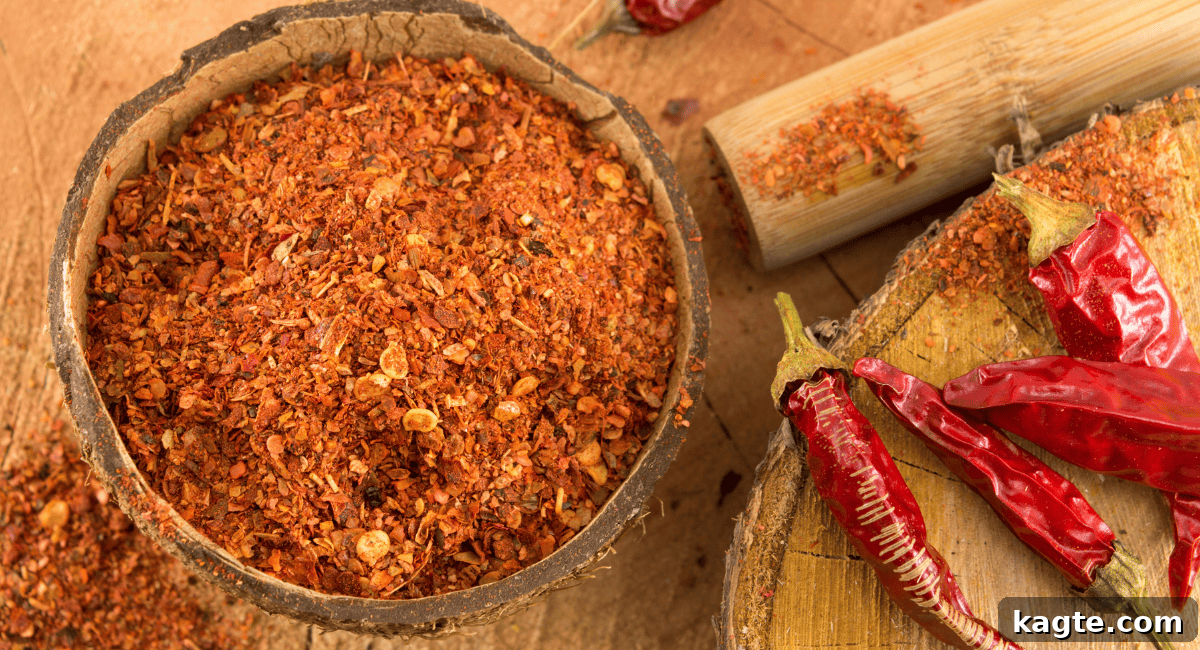
Cayenne pepper, a cornerstone in many spice collections, is a finely ground spice derived from dried cayenne chili peppers. Renowned for its clean, medium-hot heat (typically ranging from 30,000 to 50,000 Scoville Heat Units), it delivers a direct and bright punch, making it an excellent and straightforward substitution for chili oil’s heat component. Unlike chili oil, it lacks the fatty mouthfeel and infused aromatics, but it’s incredibly versatile for adding pure spice.
To use cayenne as a chili oil substitute, consider its applications carefully. You can simply sprinkle a pinch into sauces, soups, stews, or even directly onto finished dishes like roasted vegetables, eggs, or popcorn for an immediate spicy twist. For a closer approximation to chili oil, you can combine a small amount of cayenne pepper with a neutral oil (like vegetable, canola, or even a mild olive oil) and gently heat it. This DIY infused oil will mimic the texture and dispersal of chili oil, allowing the cayenne’s heat to bloom beautifully. Remember, a little goes a long way, so start sparingly and adjust to your preferred spice level.
Chili Powder
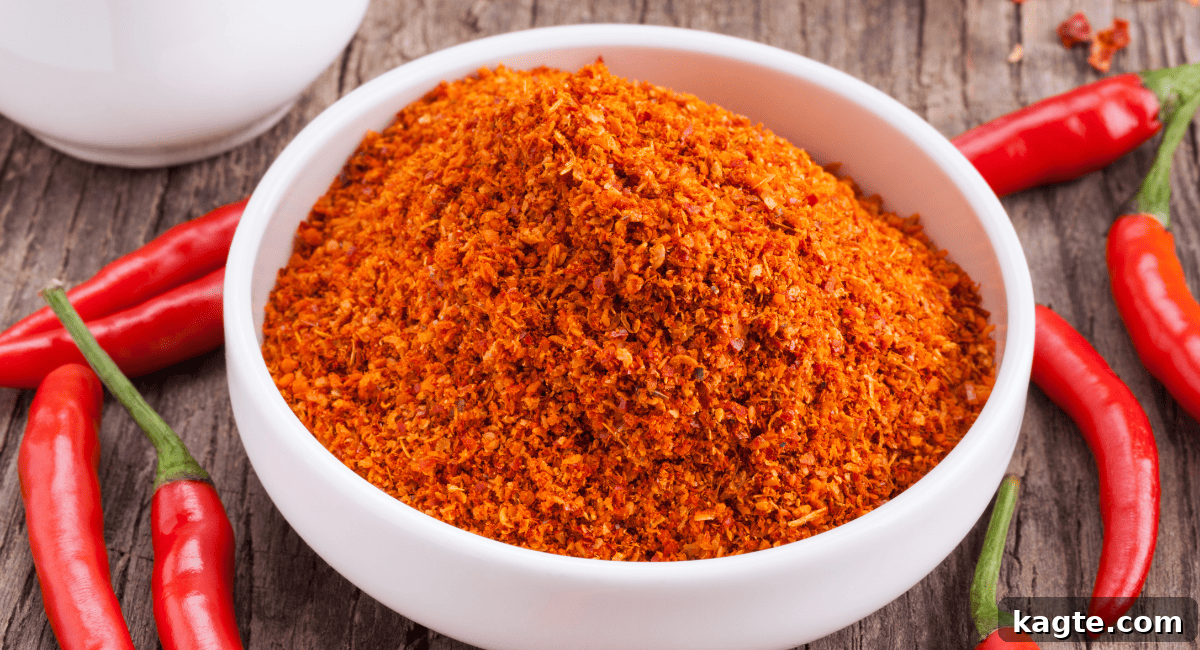
Chili powder is a robust and essential ingredient found in nearly every well-stocked pantry, particularly in Western cuisines. It’s often a blend of ground-dried chilies (such as ancho, cayenne, or paprika), mixed with aromatic spices like cumin, garlic powder, onion powder, and sometimes oregano. This complex blend contributes more than just heat; it offers a rich depth of earthy, savory, and slightly smoky flavors that differ significantly from the singular heat of pure chili flakes or cayenne.
While chili powder naturally lacks the oiliness of chili oil, its complex flavor profile makes it an outstanding substitute for adding foundational warmth and character to dishes. It excels in applications where a dry spice blend is preferred, such as seasoning rubs for meats, enhancing the flavor of stews, curries, and, of course, the classic chili con carne. To achieve a texture closer to chili oil, you can whisk chili powder with a small amount of neutral oil to create a paste or a loose spicy oil, allowing the flavors to meld and deepen before adding it to your dish. This method works wonderfully for marinades or as a flavorful base for sautéing, ensuring your meals are infused with warmth and a satisfying, nuanced spice.
Chili Vinegar – DIY
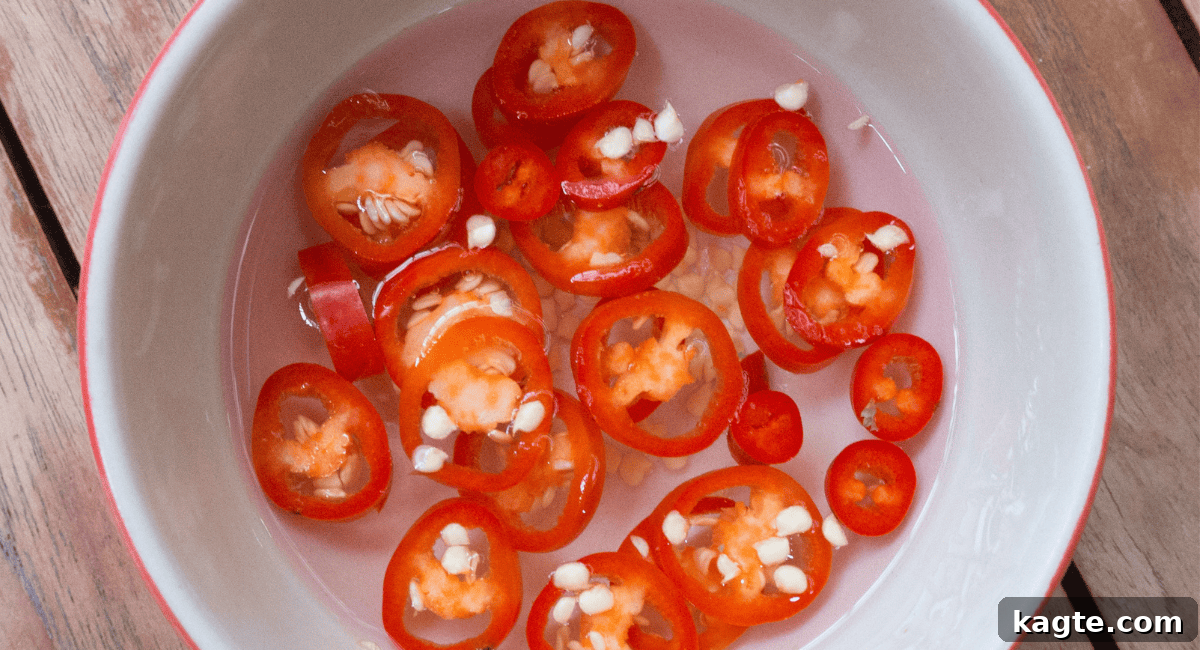
When you’re truly in a bind and seeking a tangy, piquant alternative to chili oil, or simply craving a unique flavor enhancer, creating your own chili-infused vinegar at home is a surprisingly simple and rewarding DIY project. This zesty condiment offers a different kind of kick, combining the sharp acidity of vinegar with the fiery notes of chili peppers, resulting in a bright and lively addition to many dishes.
The process is straightforward: simply steep dried chili peppers—such as bird’s eye chilies, arbol peppers, or even a handful of red pepper flakes—in a plain vinegar of your choice. White vinegar, apple cider vinegar, or rice vinegar all work beautifully, each imparting a slightly different base flavor. For a more intense infusion, you can gently bruise the dried chilies before adding them to the vinegar. Allow the mixture to sit for a few days, or even up to a week, in a cool, dark place to allow the flavors to properly meld and deepen. Once the desired spiciness is achieved, strain out the solids, and voilà! You have a homemade chili vinegar that’s both tangy and spicy.
This vibrant chili vinegar can be used as a flavorful dressing for salads, a lively condiment for dumplings, noodles, or spring rolls, or even as a splash in soups and stir-fries to brighten and add heat without the oil. It’s an excellent way to introduce a different dimension of spice and acidity, providing a refreshing contrast to the richness that chili oil typically offers.
Harissa Paste
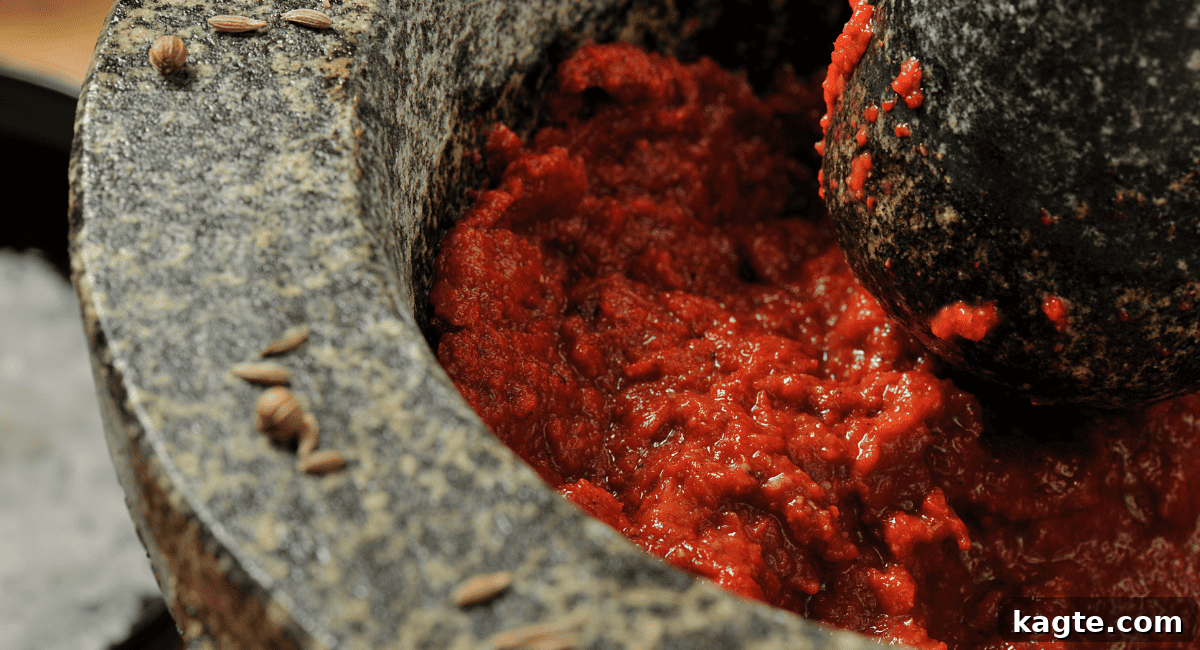
Hailing from North Africa, particularly popular in Tunisian, Moroccan, and Algerian cuisines, Harissa paste is a fiery and aromatic condiment that offers a complex, multi-layered flavor profile far beyond simple heat. This rich, vibrant red paste is typically crafted from a blend of roasted red peppers, various hot chili peppers (such as Baklouti or bird’s eye), garlic, and a distinctive combination of spices, often including caraway, coriander, and cumin. Some variations might also feature rose petals or smoked paprika, adding even more depth and nuance.
Harissa’s thick, rich texture and intricate flavors make it a superb substitute for chili oil, especially when you’re looking to infuse your dishes with both spice and a profound, aromatic character. It can be used directly as a robust marinade for meats like lamb or chicken, a bold seasoning for fish, or a flavorful spread for sandwiches and wraps. Stir a dollop into stews, tagines, couscous, or lentil dishes to introduce its signature warmth and earthy spice. For a lighter application, you can thin out harissa paste with a little olive oil or lemon juice to create a spicy dressing or a drizzling sauce for roasted vegetables, eggs, or even avocado toast. Its versatility and depth mean a small amount can significantly transform the taste of a dish, making it a powerful and exciting alternative.
Hot Sauce
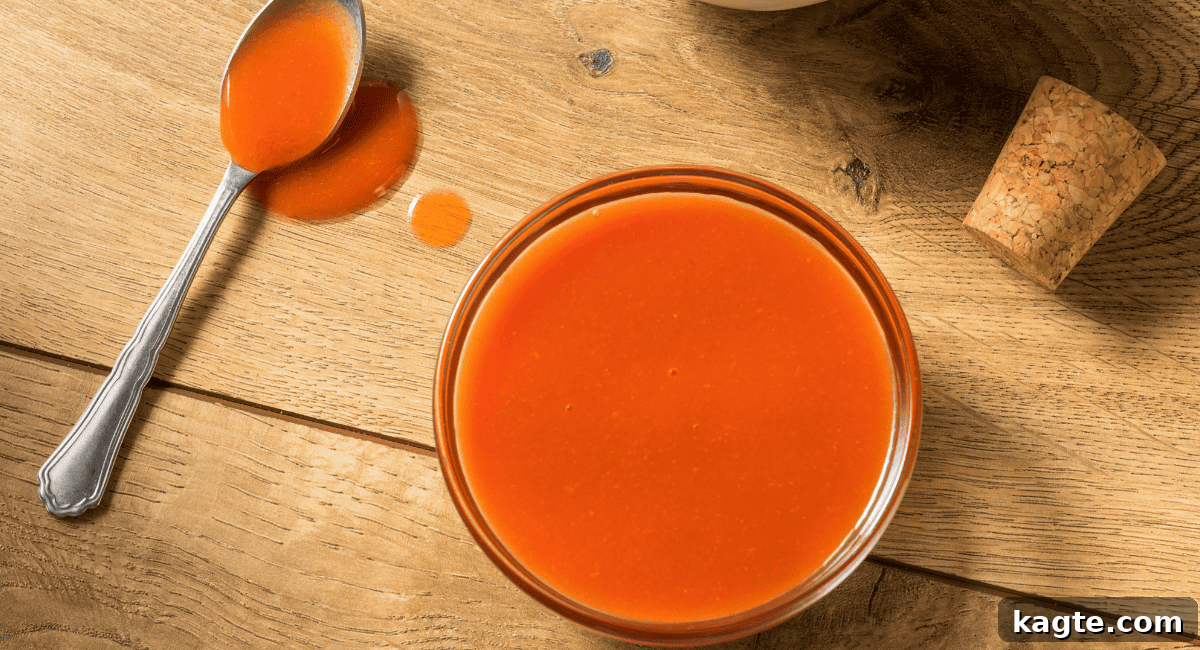
The world of hot sauces is vast and incredibly diverse, offering an expansive spectrum of flavors and intensities that make them a fantastic and readily available substitute for chili oil. From the vinegar-forward tang of Louisiana-style sauces to the smoky depth of Chipotle, the fruity notes of Habanero-based concoctions, or the raw heat of ghost pepper sauces, there’s a hot sauce for every palate and every dish. This wide variety ensures you can pick the one that perfectly suits your taste and the specific culinary application.
Hot sauces generally bring a liquid heat, often with an acidic tang from vinegar, which can brighten and cut through rich flavors, making them distinct from the pure oil base of chili oil. Their liquid consistency makes them ideal for drizzling and mixing, providing an instant burst of heat and flavor. Add a few dashes to soups, tacos, scrambled eggs, pizzas, or even sandwiches for an immediate and customizable kick. Experiment with different types – a fermented hot sauce might add a probiotic tang, while a roasted pepper-based sauce could introduce smoky undertones. Consider the flavor profile of your chosen hot sauce; some are garlic-heavy, others fruit-forward, allowing for nuanced flavor pairing that goes beyond just adding heat. Keep a few varieties on hand to ensure you always have the perfect fiery condiment at your fingertips.
Red Pepper Flakes
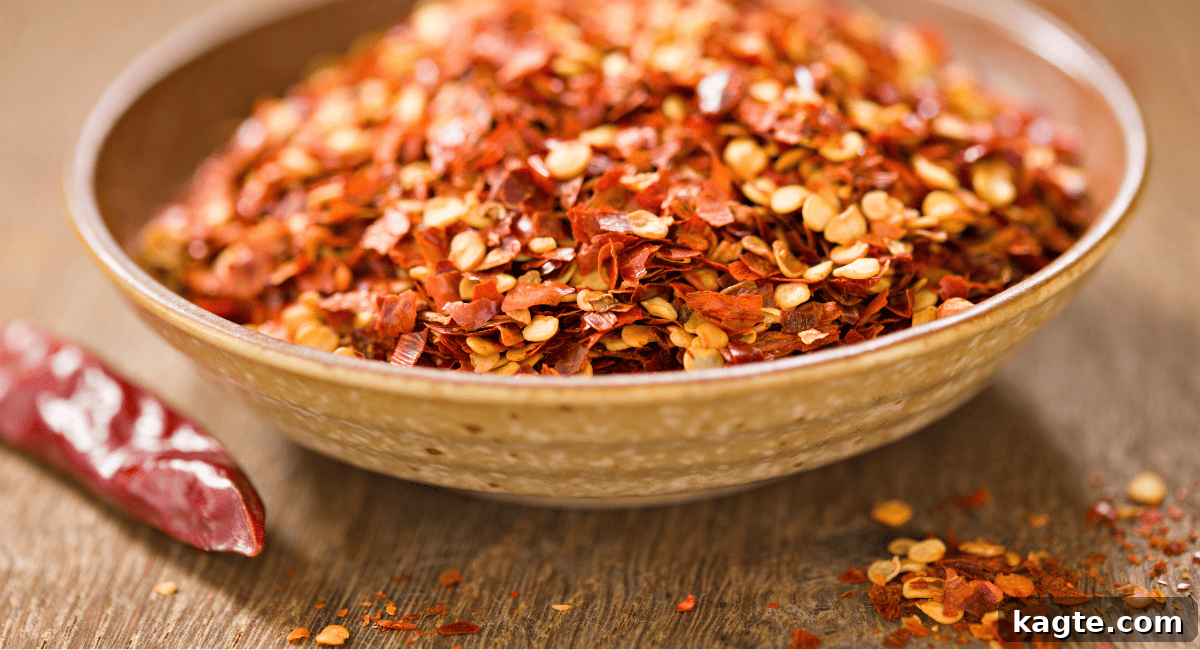
Red pepper flakes, also known as crushed red pepper or simply chili flakes, are a perennial pantry staple that offer a quick, easy, and incredibly effective substitute for chili oil. These dried and crushed chili peppers, most commonly made from cayenne varieties, provide a straightforward and vibrant heat along with a subtle, earthy undertone. Their dry, flaky texture makes them an excellent textural component in dishes where chili oil might provide a greasy feel.
The beauty of red pepper flakes lies in their versatility and immediate availability. They can be effortlessly sprinkled on virtually any dish you wish to imbue with a touch of heat – think classic applications like pizza, pasta, and stir-fries, but also creative uses in marinades, salad dressings, or even spice rubs. For a flavor closer to chili oil, you can gently toast red pepper flakes in a small amount of neutral oil over low heat for a few minutes. This process, often called blooming, awakens their essential oils, intensifying both their color and their spicy, aromatic qualities. Once cooled, this infused oil with flakes can be drizzled over dishes, mimicking the effect of traditional chili oil.
It’s important to note that the heat level of red pepper flakes can vary significantly depending on the specific chili varieties used and their origin. Always start with a small amount and taste as you go, adjusting to your personal preference and tolerance. Their visual appeal, providing flecks of fiery red throughout a dish, also adds an appetizing element.
Sambal Oelek
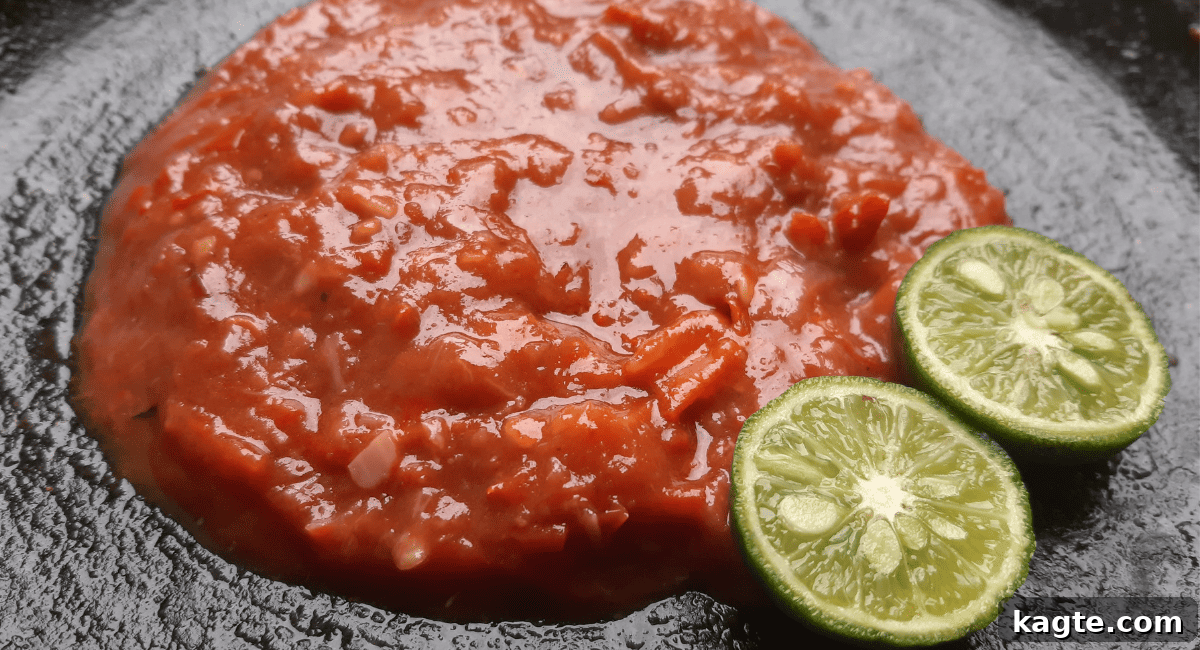
Sambal Oelek is a vibrant, fresh-tasting Indonesian chili paste that stands out for its straightforward yet robust flavor profile. Unlike some other chili sauces, Sambal Oelek typically focuses on the pure, unadulterated taste of raw crushed red chili peppers, often with just a touch of vinegar and salt to preserve and enhance their natural pungency. This simplicity allows the bright, sharp heat of the chilies to truly shine, making it an excellent alternative when you desire a clean, potent spicy kick without added sweetness or complex spices.
Its chunky texture, often featuring visible pieces of chili seeds and flesh, provides a satisfying mouthfeel and visual appeal. Sambal Oelek’s versatile nature means it can effortlessly spice up a wide array of dishes. Use it as a base for marinades, particularly for grilled chicken or tofu, where its fresh chili notes can penetrate deeply. It serves as an outstanding condiment alongside Asian stir-fries, noodle dishes, rice bowls, or even as a spicy dip for spring rolls and dumplings. Because its primary focus is pure chili flavor, it allows you to control the heat without introducing other strong competing tastes, ensuring your culinary creations are infused with just the right amount of fiery warmth. A spoonful of Sambal Oelek can awaken the senses and elevate everyday meals into exciting culinary experiences.
Sriracha Sauce
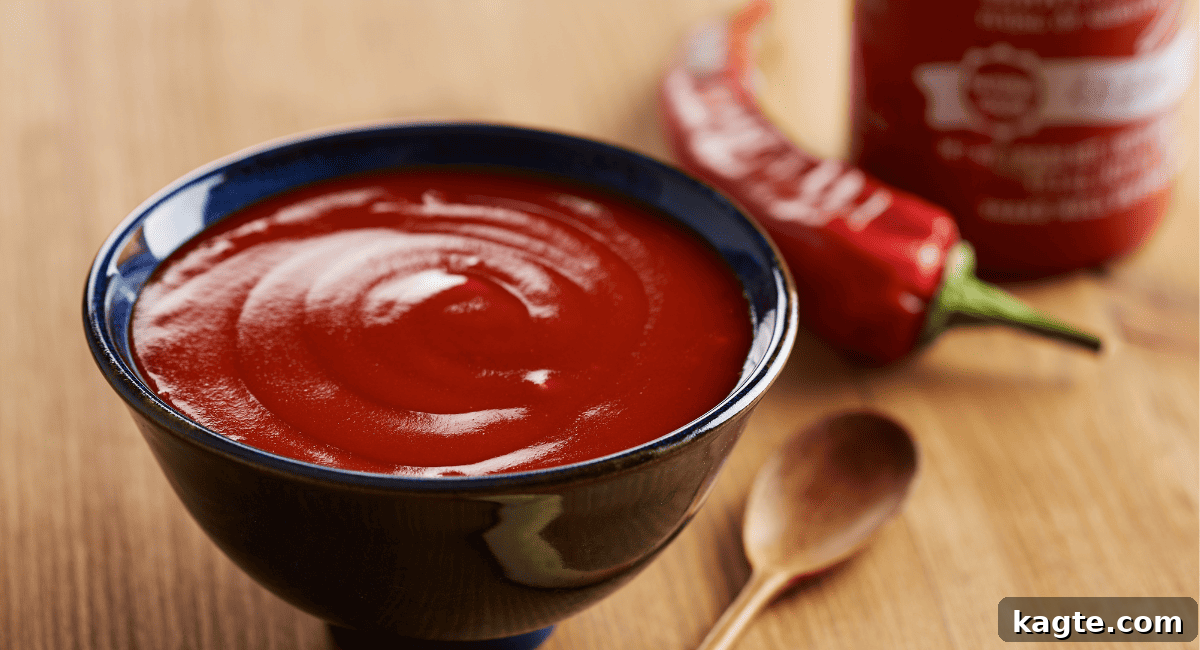
Sriracha sauce has become a beloved, go-to condiment for spice lovers worldwide, celebrated for its distinctive balance of heat, tang, and sweetness. Originating from Thailand but popularized globally by brands like Huy Fong Foods, Sriracha is a chili sauce made from sun-ripened chili peppers, garlic, sugar, vinegar, and salt. This unique blend creates a wonderfully tangy, aromatic, and moderately spicy flavor profile that offers a fantastic and easily accessible alternative to chili oil, especially when you desire a more rounded and less purely oily heat.
The sauce’s smooth, somewhat thick consistency and vibrant red color make it both visually appealing and easy to drizzle and mix. Sriracha’s versatility is unmatched; it’s perfect for enhancing a vast range of dishes. Drizzle it generously over noodles, stir-fries, and soups for an instant flavor boost. Use it as a lively dipping sauce for nearly anything – from spring rolls and dumplings to pizza crusts and French fries. It also makes an excellent ingredient for spicy mayonnaise, salad dressings, or marinades, lending its signature taste to your culinary creations. Its balanced heat, combined with its garlicky sweetness and tangy acidity, makes it a true crowd-pleaser and an indispensable item in any spice enthusiast’s pantry, serving as a reliable and delicious substitute for chili oil in countless applications.
FAQs About Chili Oil Substitutes
If the primary goal for using chili oil is its texture and richness, but you want to avoid the heat, several non-spicy oils can serve as excellent substitutes. For cooking applications where chili oil might be used as a base for sautéing meats and vegetables, neutral-flavored oils like vegetable oil, canola oil, grapeseed oil, or peanut oil are ideal. They provide the necessary fat and liquid without altering the dish’s flavor profile. If you’re looking for an oil to use as a finishing drizzle or a garnish that adds flavor and body without spice, a high-quality extra virgin olive oil is a fantastic option. Its fruity, sometimes peppery, notes can add complexity, while sesame oil (especially toasted sesame oil) offers a distinct nutty aroma that can be wonderful in Asian-inspired dishes, though it should be used sparingly due to its strong flavor.
Chili oil serves multiple crucial purposes in cooking, primarily adding a layer of rich heat, depth of flavor, and a glossy texture to dishes. It can be used in a pan as a flavorful base for stir-frying meats, vegetables, or noodles, infusing them with its aromatic spice from the very beginning of the cooking process. As a condiment, it excels as a spicy dipping sauce for a variety of foods, from dumplings and spring rolls to crispy egg rolls. Beyond that, chili oil is a popular finishing oil, often drizzled generously over almost anything – soups, stews, roasted vegetables, pasta, eggs, or even pizza – to provide an instant burst of vibrant color, enticing aroma, and a satisfying spicy kick that awakens the palate. Its infused flavors, often including garlic, ginger, and other spices, contribute a complex taste that pure chilies alone cannot offer.
While commercially produced chili oil, especially those containing vinegar or high salt content, might be shelf-stable for a period, it’s generally recommended to refrigerate homemade chili oil or most opened commercial varieties. Storing chili oil in the refrigerator significantly helps to preserve its freshness, extend its shelf life, and maintain its flavor and aroma. The cool temperatures slow down the oxidation process of the oil and inhibit the growth of bacteria. To store it effectively, simply transfer any homemade chili oil or the contents of an opened jar into a clean, airtight container before placing it in the fridge. This practice ensures your chili oil remains vibrant and safe for longer enjoyment, typically for several weeks to a few months.
Absolutely! Making chili oil at home is straightforward and allows for customization of heat and flavor. The basic method involves heating a neutral oil (like grapeseed, canola, or peanut oil) to a moderate temperature, then pouring it over a bowl of dried chili flakes or powder, often combined with aromatics like minced garlic, ginger, and sometimes Sichuan peppercorns or star anise. The hot oil infuses with the chilies and spices, extracting their flavors and creating a fragrant, spicy oil. Once cooled, strain the oil for a clear version, or leave the sediment and flakes for a more textural chili crisp. Store it in an airtight container, preferably refrigerated, for extended freshness.
Adjusting the heat level is key to enjoying any spicy substitute. For powdered spices like cayenne or chili powder, start with a small pinch (e.g., 1/4 teaspoon) and add more gradually, tasting as you go. For pastes like Harissa or Sambal Oelek, a small spoonful can be quite potent, so begin with half a teaspoon and build up. Hot sauces vary wildly in intensity; check the Scoville rating if available, or start with just a few drops. For red pepper flakes, consider toasting them briefly in oil to activate more heat, or simply use them as a sprinkle for a milder, more delayed heat. The best approach for all substitutes is to always under-spice initially, as it’s easier to add more heat than to dilute an overly spicy dish.
Embark on a flavorful journey and get creative with these fantastic fiery substitutes for chili oil. Your taste buds are guaranteed to be delighted by the diverse spectrum of heat and aroma they offer! Remember, the golden rule of spice is to always start with a modest amount, allowing you to gauge the intensity and adjust according to your personal preference and spice tolerance. Happy cooking, and may your dishes always be infused with the perfect amount of kick!
Follow me on Pinterest, Facebook & Instagram.
Shop my Amazon Storefront!